Dwi Wanna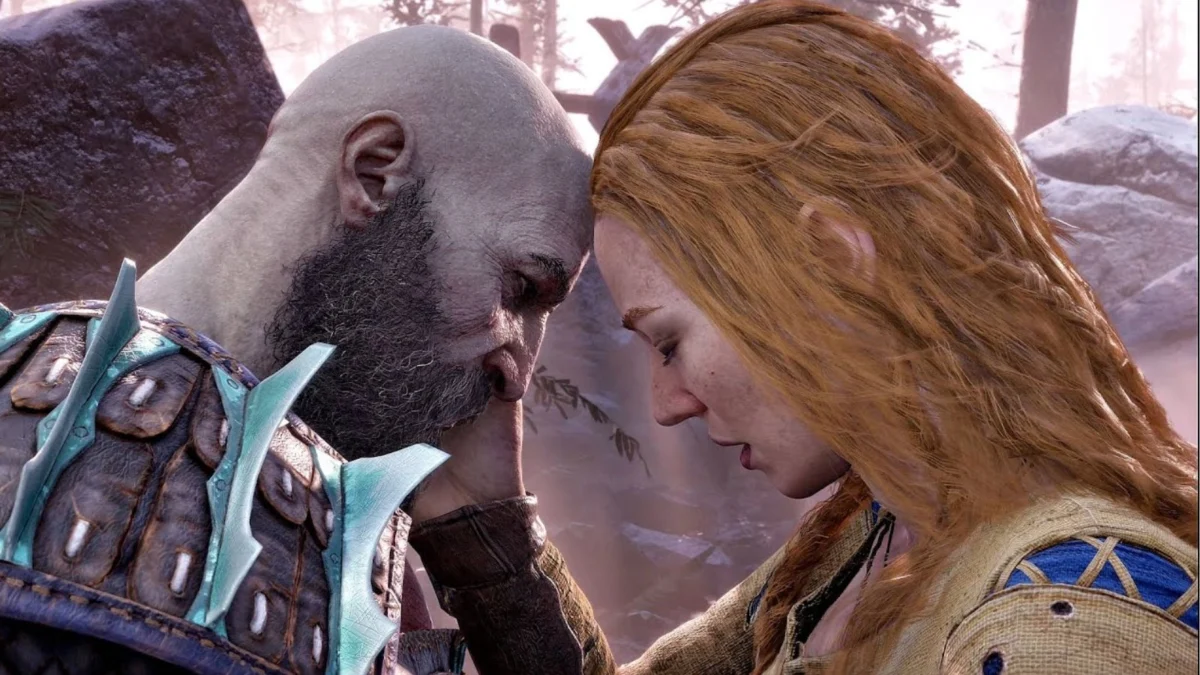
The God of War franchise has stood as a monolith in the gaming industry for over two decades. Since the debut of the original title in 2005, the narrative arc has been inextricably linked to Kratos, the Ghost of Sparta. From his vengeful crusade against the Olympian pantheon to his stoic, paternal evolution in the Norse realms, Kratos has become more than just a character—he is an icon of the medium. However, the announcement of God of War: Laufey has signaled a seismic shift, one that has divided the community and tested the loyalty of the series’ most devoted fans.
As the development team at Santa Monica Studio prepares for the February 16, 2027, release on PlayStation 5, the discourse surrounding the game has reached a fever pitch. In the face of intense public scrutiny, the man who brought the modern Kratos to life, Christopher Judge, has stepped forward to quell the fires of controversy, promising that the spin-off is nothing short of a masterpiece.
A Legacy in Transition: The Evolution of a Titan
To understand the weight of the current backlash, one must acknowledge the stature of the protagonist being set aside. Since the 2018 franchise reboot, Christopher Judge has redefined the character of Kratos. His performance brought a nuanced, vulnerable, and deeply human layer to the Spartan warrior, earning him widespread critical acclaim, including a Game Award for Best Performance.
For years, the story of the Norse saga was told through the lens of Kratos and his son, Atreus. Faye—Laufey the Just—existed primarily as a catalyst, a memory, and a guiding force whose death set the events of the modern series in motion. By centering the next major installment on her, the studio is effectively pivoting away from the established formula. This is not merely a change in playable character; it is a fundamental shift in the God of War identity.
Chronology: From Mythic Backdrop to Protagonist
The journey toward God of War: Laufey has been one of gradual revelation. Fans have long speculated about the life of Faye, a formidable Giant whose strength and strategic genius were hinted at throughout God of War (2018) and God of War: Ragnarök.
- 2005–2013: The Greek Era, establishing Kratos as a singular, vengeful entity.
- 2018: The Norse reboot, introducing the mystery of Faye’s death and her secret life as a guardian of the Nine Realms.
- 2022: God of War: Ragnarök deepens the lore, showing us glimpses of Faye’s past through flashbacks and the perspectives of other characters.
- 2026: The official reveal of God of War: Laufey sends shockwaves through the community, sparking immediate debate regarding the necessity of a non-Kratos entry.
- 2027 (February 16): The scheduled release date for the title on PlayStation 5.
By moving the timeline backward to explore Faye’s experiences, the developers are attempting to bridge the gap between mythic legend and personal tragedy. The narrative goal is to provide context for the woman who, in many ways, was the true architect of the series’ current emotional core.
The Storm of Controversy: Why Fans Are Divided
The backlash to God of War: Laufey has been multifaceted. A significant portion of the fanbase perceives the move as an unnecessary dilution of the brand. For many, God of War is synonymous with Kratos; to remove him from the primary role is, in the eyes of some vocal critics, to strip the game of its "God of War" status.
This sentiment has been amplified by the rapid proliferation of social media discourse, where the "dullness" of the reveal—or the perceived lack of high-octane "Spartan rage"—has been criticized. The situation escalated to the point where even third-party brands like Domino’s Pizza engaged in the conversation, leading to a tense public exchange with developers. When a legendary franchise is subjected to such trivialization, it highlights how protective the community has become of the Kratos legacy.
Official Responses: Christopher Judge and the Cast Speak Out
Despite the noise, the talent behind the game remains remarkably calm and confident. Speaking at a Fan Expo Canada panel, Christopher Judge delivered a passionate defense of the project. His endorsement is significant; as the voice of Kratos, his support carries more weight with the fanbase than any marketing campaign could.
"It’s a banger," Judge stated unequivocally. "People are going to be blown away."

Judge went further, specifically addressing the casting of Deborah Ann Woll, who reprises her role as Faye. Woll, known for her roles in Daredevil and True Blood, has been a focal point of both the praise and the criticism. Judge was quick to dismiss any doubts about her capability.
"She’s so beloved in so many fandoms, and man, she brings it," Judge remarked. "She absolutely brings it."
Woll herself has adopted a stoic approach to the negativity. In recent interviews, she has characterized herself as "totally unbothered" by the online vitriol. Her perspective is one of artistic confidence: she has seen the finished product, she understands the depth of the narrative, and she is content to let the quality of the final game speak for itself.
Supporting Data: The Risk of the "Spin-off" Model
The strategy behind God of War: Laufey is a calculated risk. In the gaming industry, shifting protagonists in a long-running series is often met with resistance. However, history provides examples of success: titles like Uncharted: The Lost Legacy or Spider-Man: Miles Morales proved that a franchise could thrive by expanding its focus to secondary characters.
The challenge for Santa Monica Studio is to convince players that Faye’s story is not just a "side quest" but an essential piece of the God of War tapestry. By utilizing the same high-fidelity engine and combat mechanics that defined Ragnarök, the studio is banking on the "feel" of the game to win over the skeptics. If the combat mechanics—which will presumably lean into Faye’s agility and her mastery of the Leviathan Axe—can match the kinetic satisfaction of Kratos’s gameplay, the resistance will likely dissipate upon launch.
Implications: The Future of the Franchise
What does this mean for the future of the God of War series? Cory Barlog, the creative force behind the modern era of the franchise, has promised that there are more Kratos games on the horizon. This suggests that God of War: Laufey is not a replacement, but an expansion—a way to build out the "God of War Universe."
The success or failure of this title will have long-lasting implications for Sony’s first-party strategy. If Laufey succeeds, it opens the door for a variety of spin-offs focusing on other members of the Norse or even Greek pantheons. If it fails, the studio may be forced to retreat to the safety of the Kratos-centric formula, potentially stifling the creative growth of the series.
Ultimately, the friction felt today is a byproduct of passion. Fans do not hate the idea of a new game; they fear the loss of something that has defined their gaming lives for two decades. However, as Christopher Judge noted, the fear is likely premature. The history of this series is one of constant reinvention—from fixed-camera hack-and-slash to intimate, over-the-shoulder narrative epics.
If the history of God of War has taught us anything, it is that the studio has earned the benefit of the doubt. The journey into the history of Laufey may well prove to be the most vital, heart-wrenching, and exhilarating chapter yet. Come February 2027, the controllers will be in the hands of the players, and the debate will be settled in the only way that matters: through the experience of the game itself. For now, the message from the cast is clear: stay the course, and prepare to be surprised.


 Ali Ikhwan
 Sagoh
Sagoh