Siti Muinah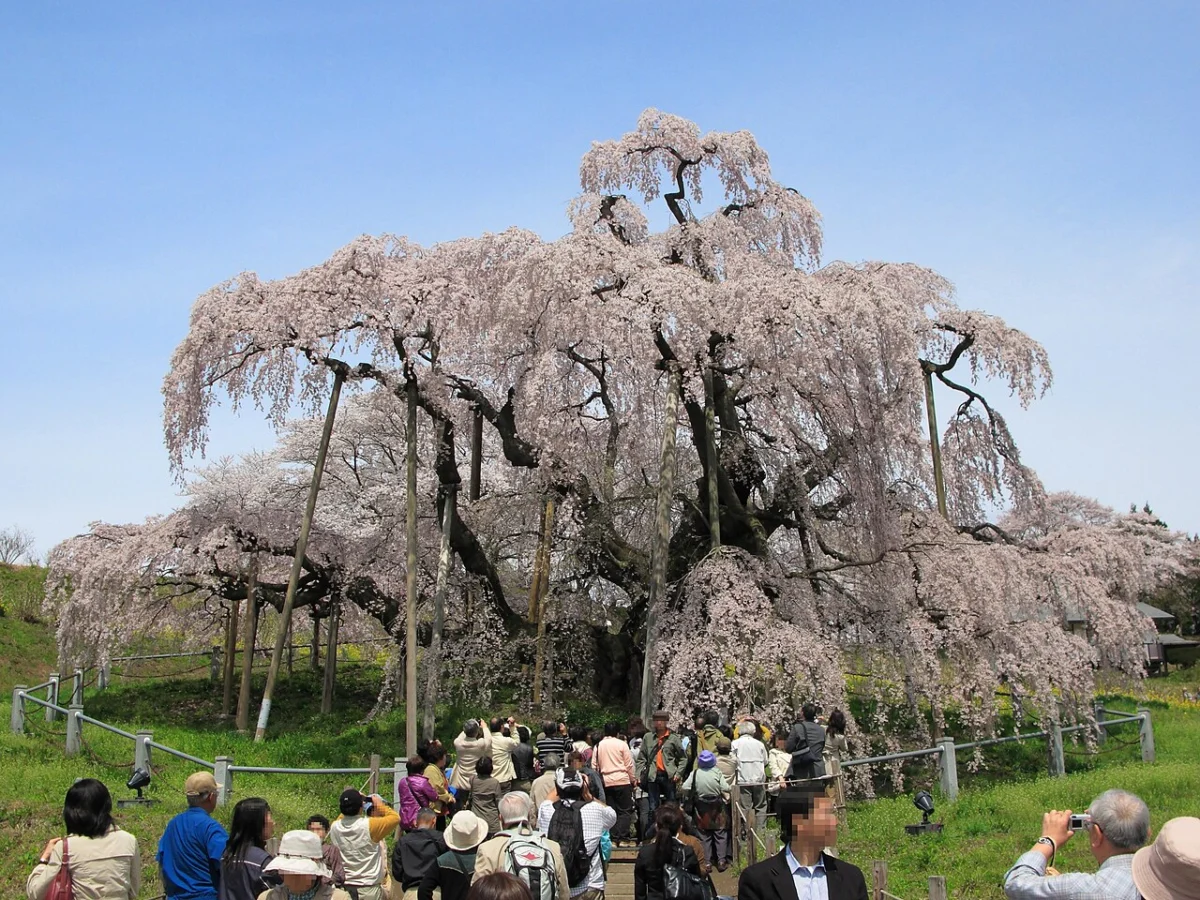
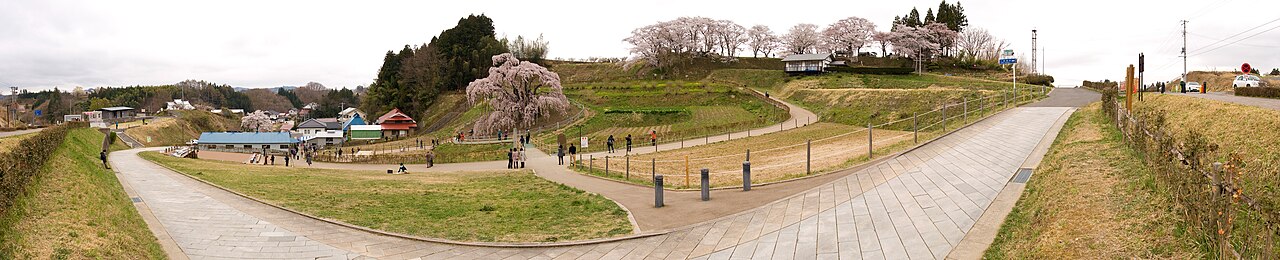
In the quiet hills of Fukushima Prefecture, where the rhythmic life of rural Japan unfolds across terraced paddy fields, a singular phenomenon draws thousands of pilgrims every April. They arrive in silence, their footsteps muffled by the gentle incline of the path, until they round the final bend. There, standing as a living monument to time itself, is the Miharu Takizakura—the "Waterfall Cherry Tree."
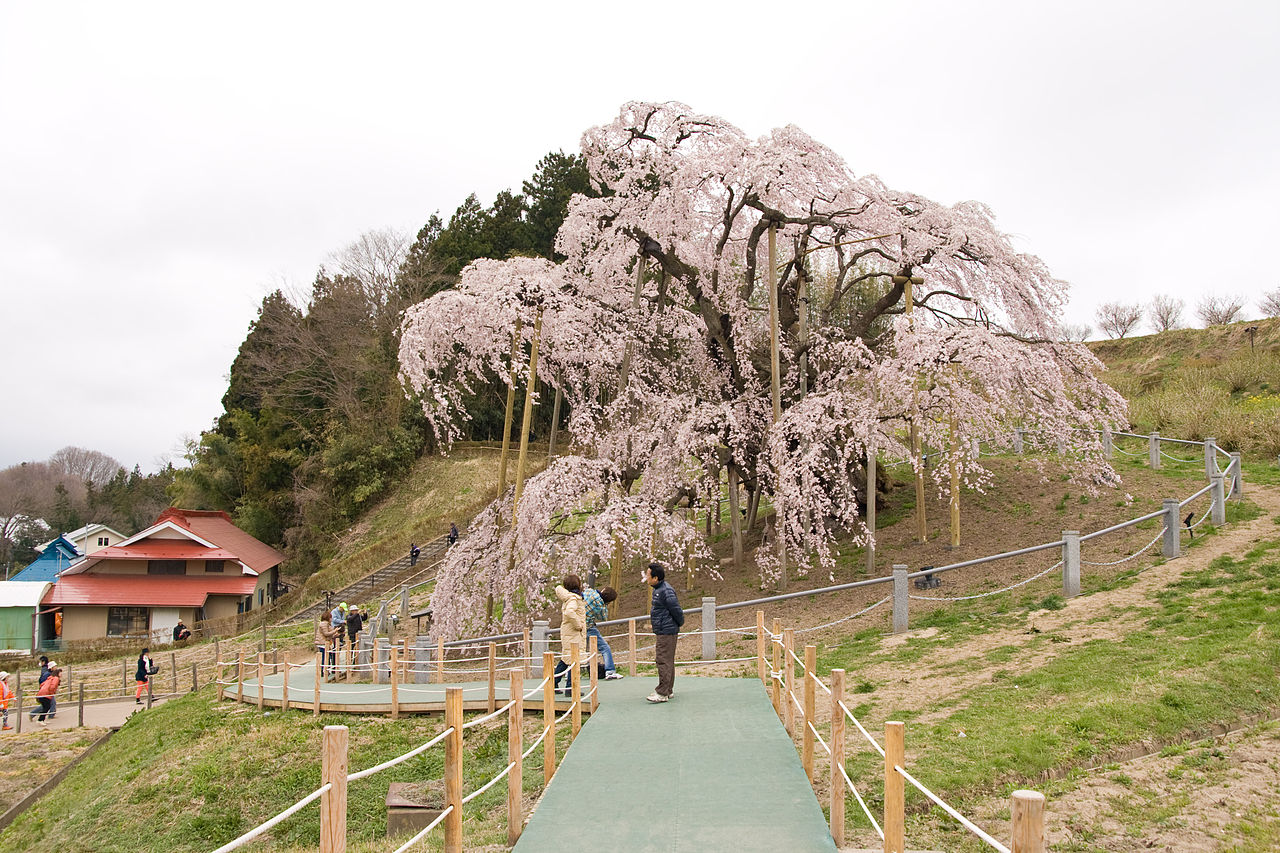
Rising over thirteen meters into the spring sky, this ancient giant is not merely a tree; it is an epoch in bloom. Its massive, cascading branches drape toward the earth in a sweeping curtain of delicate pink, occupying a footprint wider than a professional tennis court. For those who witness it, the experience is profound enough to render crowds mute. It is the undisputed sovereign of Japan’s floral heritage.
Main Facts: The Anatomy of a National Treasure
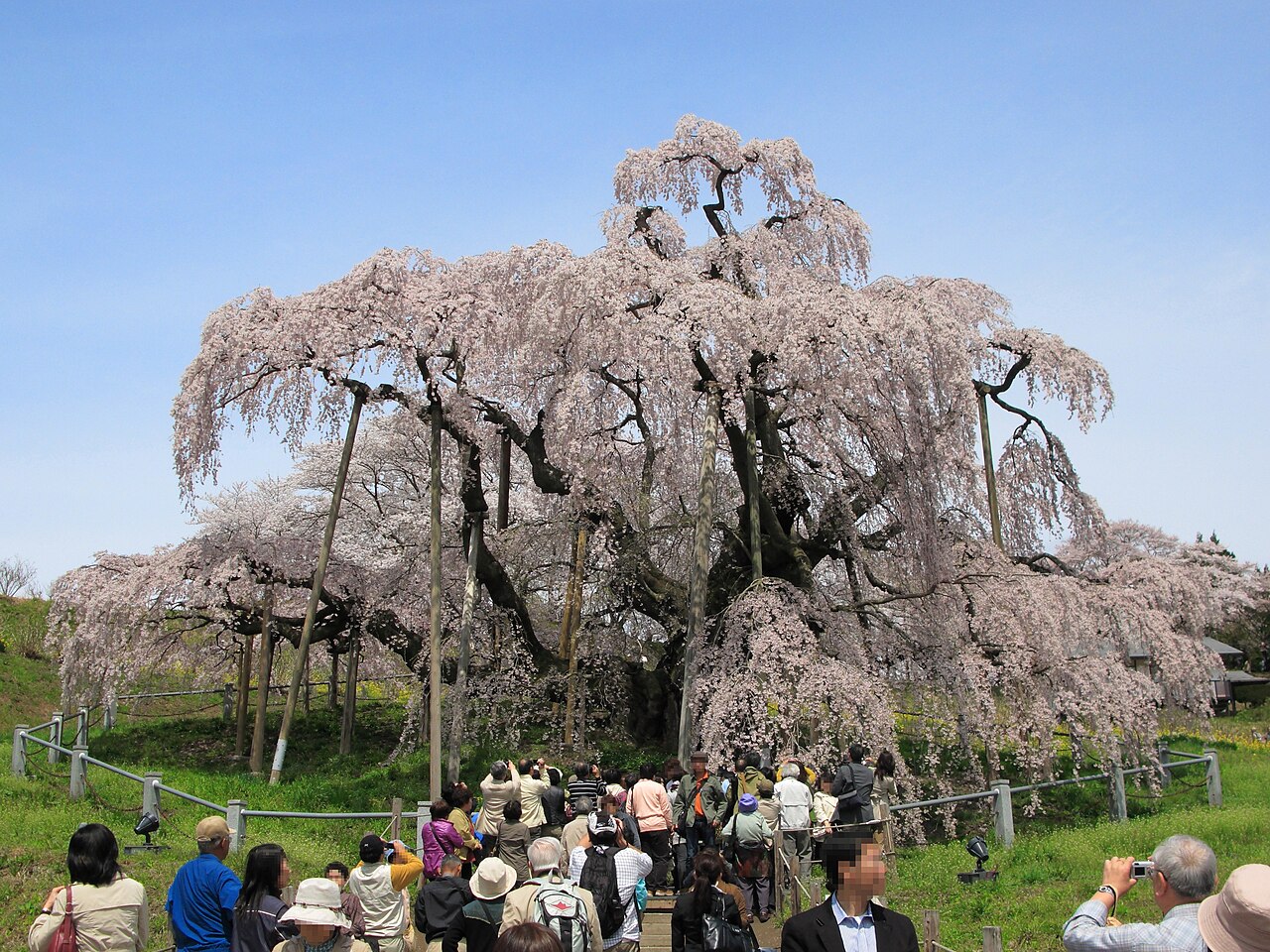
The Miharu Takizakura is officially recognized as one of the "Three Great Cherry Trees of Japan," standing in historical rank alongside the Usuzumi-zakura of Gifu and the Yamataka Jindai-zakura of Yamanashi. Unlike the ubiquitous Somei-yoshino variety that dominates Tokyo’s parks—cloned, genetically identical, and short-lived—the Takizakura is a majestic beni-shidare (Prunus pendula).
These trees are grown from seed, allowed to grow according to their own biological imperative, and are capable of surviving for over a millennium. The Takizakura’s vital statistics are staggering:
- Age: Estimated at over 1,000 years.
- Trunk Girth: 8.1 meters at chest height, comparable to the floor plan of a small studio apartment.
- Branch Spread: 14.5 meters to the south, 14.0 meters to the west, 11.0 meters to the east, and 5.5 meters to the north.
- Status: Designated a National Natural Monument on October 12, 1922—the first cherry tree in Japan to receive such a distinction.
The distinct asymmetry of the tree—leaning heavily toward the southern light while bowing away from the prevailing northern winds—is a cartographic record of forty generations of human history.
Chronology: A Millennium of Stewardship
The history of the Takizakura is inextricably linked to the feudal landscape of the Miharu-han. Protected since the late Edo period as an oya-boku (official tree), it was elevated to the status of a cultural icon in the 1830s when the poet Kamo no Suetaka immortalized it in verse, describing blossoms that "reach to every corner of Oshu."
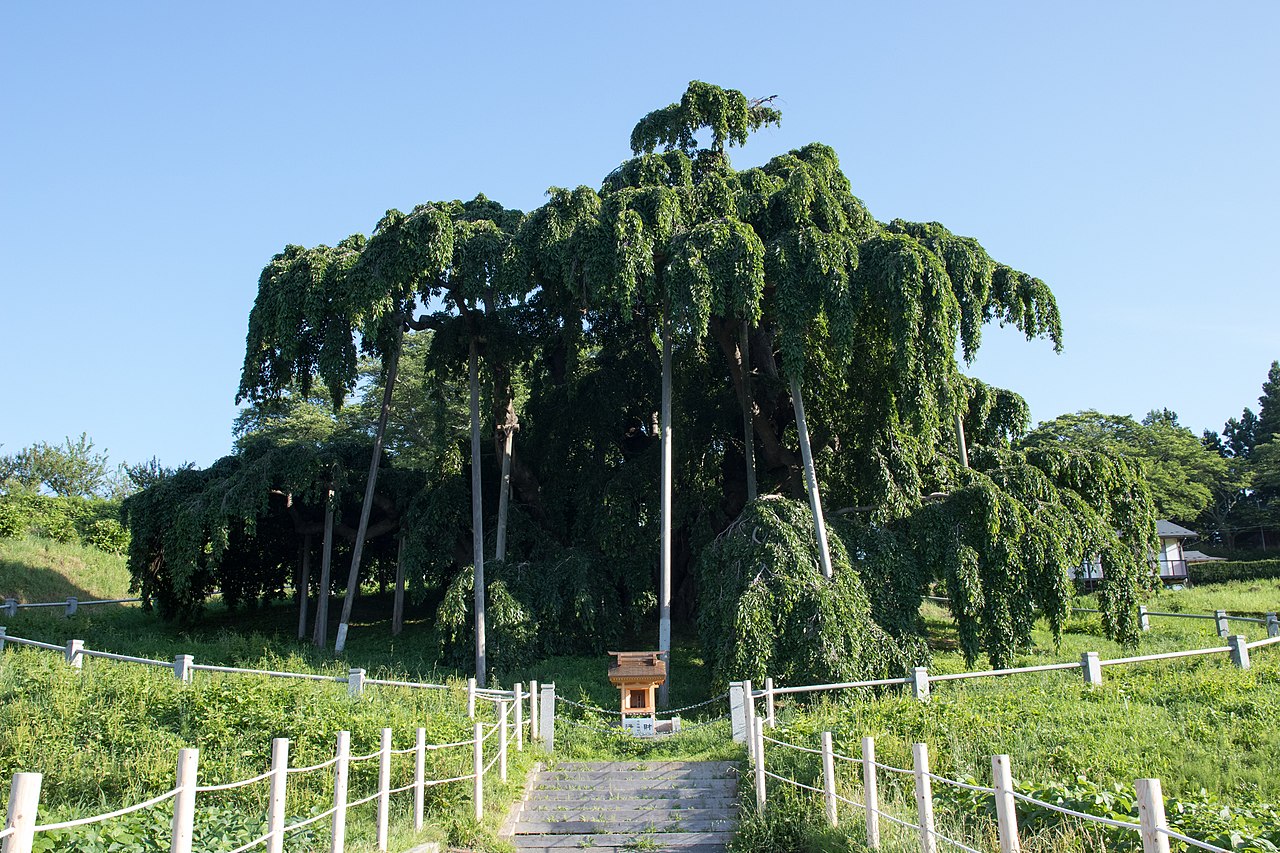
The tree’s endurance is a testament to both biological resilience and human intervention. Since the 1970s, the tree has required a sophisticated system of supporting poles to sustain the immense weight of its outer branches, which would otherwise succumb to the gravity of their own massive bloom.
In the modern era, the tree survived the 2011 Great East Japan Earthquake and the subsequent nuclear crisis. Despite being located in Fukushima Prefecture, the tree is situated in the central basin, roughly 60 kilometers inland from the Fukushima Daiichi power plant. It has remained safe, monitored, and fully accessible to the public every spring, serving as a beacon of continuity and recovery for the region.
Supporting Data: Navigating the Bloom
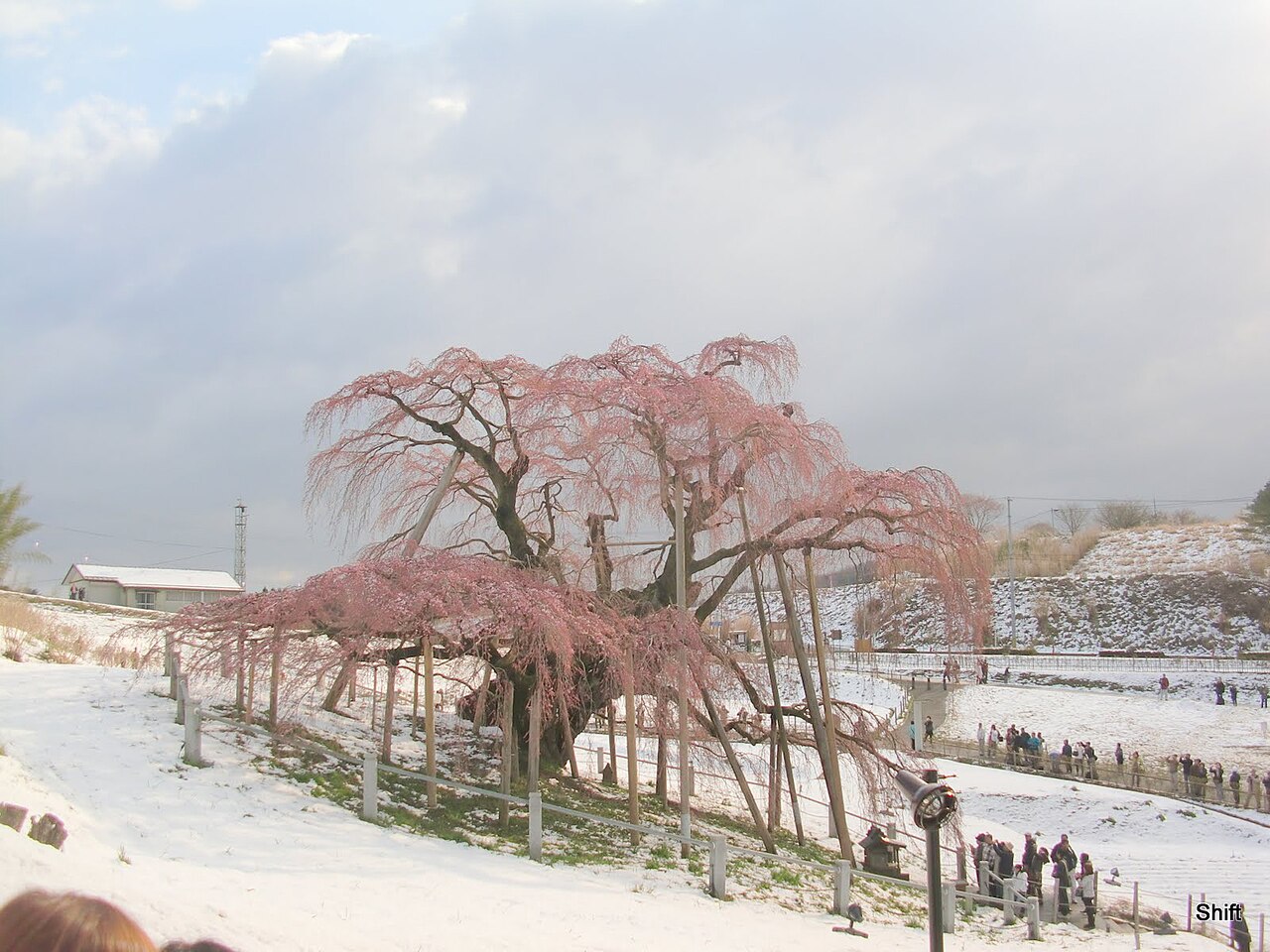
The "timing problem" is the greatest challenge for any traveler. The peak bloom (mankai) lasts roughly ten days, and its arrival is entirely dependent on the temperature fluctuations of the preceding month.
- Standard Window: Mid-to-late April (typically April 15–22).
- Climate Sensitivity: In unseasonably warm years, the tree may reach peak bloom as early as April 10; in cold, snowy springs, it may delay until after April 25.
- Visitor Volume: The site manages between 150,000 and 200,000 visitors during the peak window.
To ensure success, travelers must monitor the Miharu Tourism Association’s daily bloom updates. For those arriving from Tokyo, the most prudent strategy involves booking flexible, short-term accommodation in the nearby city of Koriyama. Located just 12 minutes away by train, Koriyama acts as the logistical gateway for the region.
Official Responses and Conservation Efforts
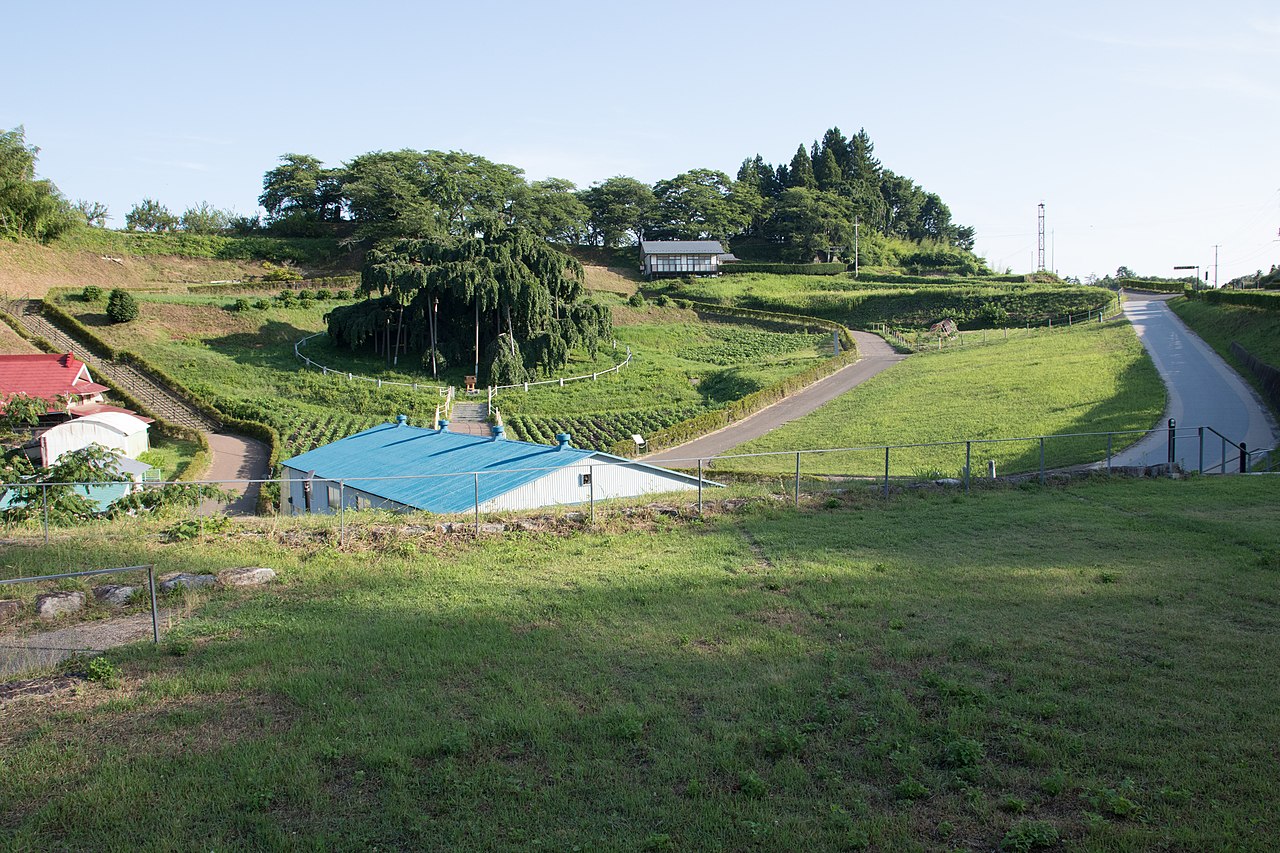
The stewardship of the Takizakura is a collaborative effort between the local government and environmental experts. The admission fee of ¥300 is not a profit-seeking measure but a vital contribution to the "Takizakura Fund," which supports the specialized arboriculture required to keep a thousand-year-old organism alive.
Local authorities have implemented a strictly regulated visitor experience to prevent soil compaction and protect the root zone. During the peak season, a one-way, clockwise flow of visitors is enforced, ensuring that the viewing platform—measuring approximately 80 by 40 meters—is not overwhelmed. The site is a masterclass in crowd management, prioritizing the preservation of the specimen while allowing for public accessibility.
Implications: The Cultural and Economic Impact
The Takizakura is more than a botanical wonder; it is the economic and cultural engine of Miharu. The town, whose name literally translates to "three springs" (plum, peach, and cherry), sees a compressed surge of tourism that sustains local crafts and businesses.
The "Sakura-Meguri" Map
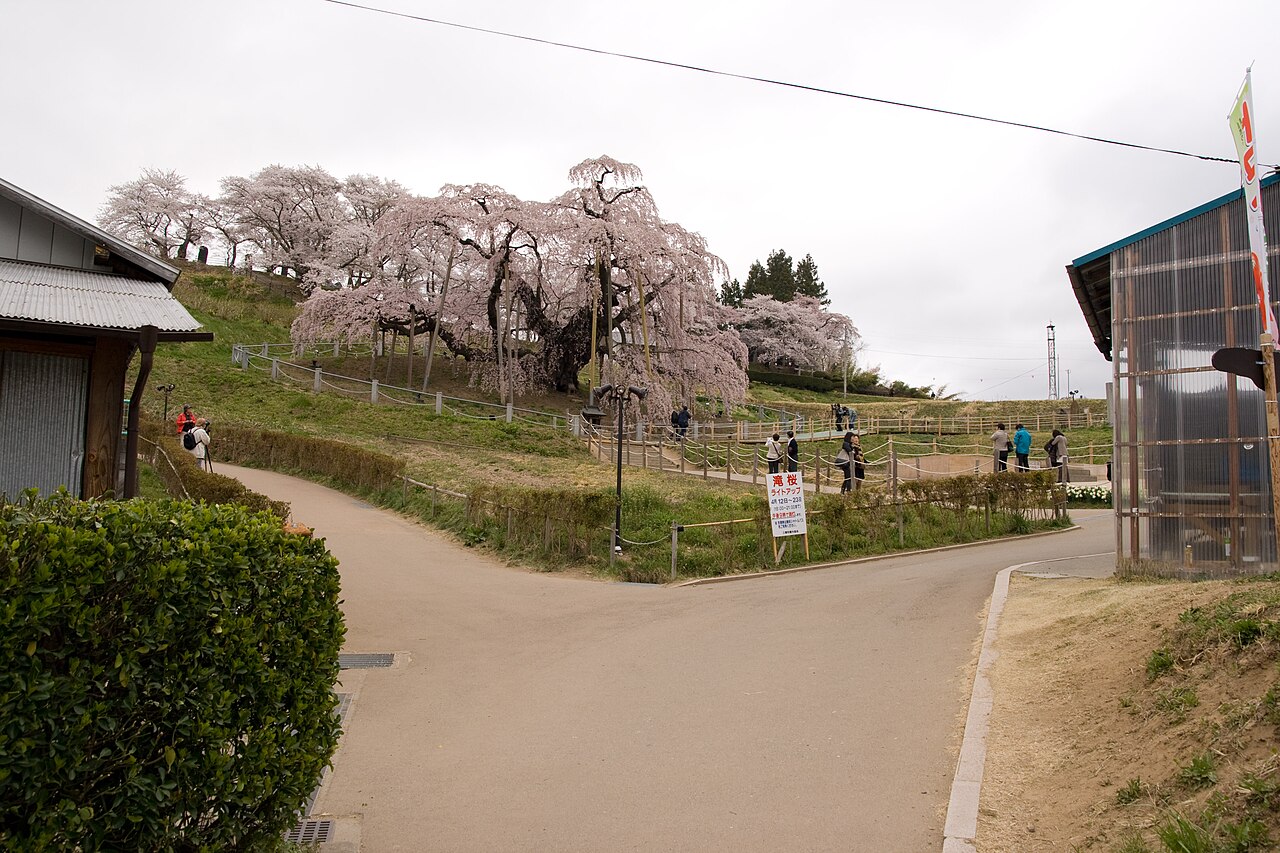
While 200,000 people flock to the main tree, the town of Miharu hosts nearly forty other notable cherry trees. The tourism board produces a sakura-meguri (cherry-tour) map annually, encouraging visitors to venture beyond the primary site. Exploring these lesser-known, equally ancient trees offers a quieter, more contemplative alternative to the bustle of the Takizakura.
Cultural Preservation: The Miharu-Goma
Beyond the flora, the Takizakura has bolstered the survival of the Miharu-goma—a traditional, black-lacquered wooden horse figurine. Along with the Miharu hariko papier-mâché dolls, these folk toys represent a craft tradition that has persisted since the early Edo period. Supporting the workshops in the Takashiba Dekoyashiki hamlet is an essential part of the "Miharu experience," linking the ephemeral beauty of the blossoms with the enduring craftsmanship of the local people.
Strategic Travel Advice: Beyond the Snapshot
For the modern traveler, the Takizakura is a destination that demands patience. Most tour buses provide only 25 minutes of viewing time, which is insufficient to appreciate the scale and shifting perspective of the tree.
The Evening Illumination
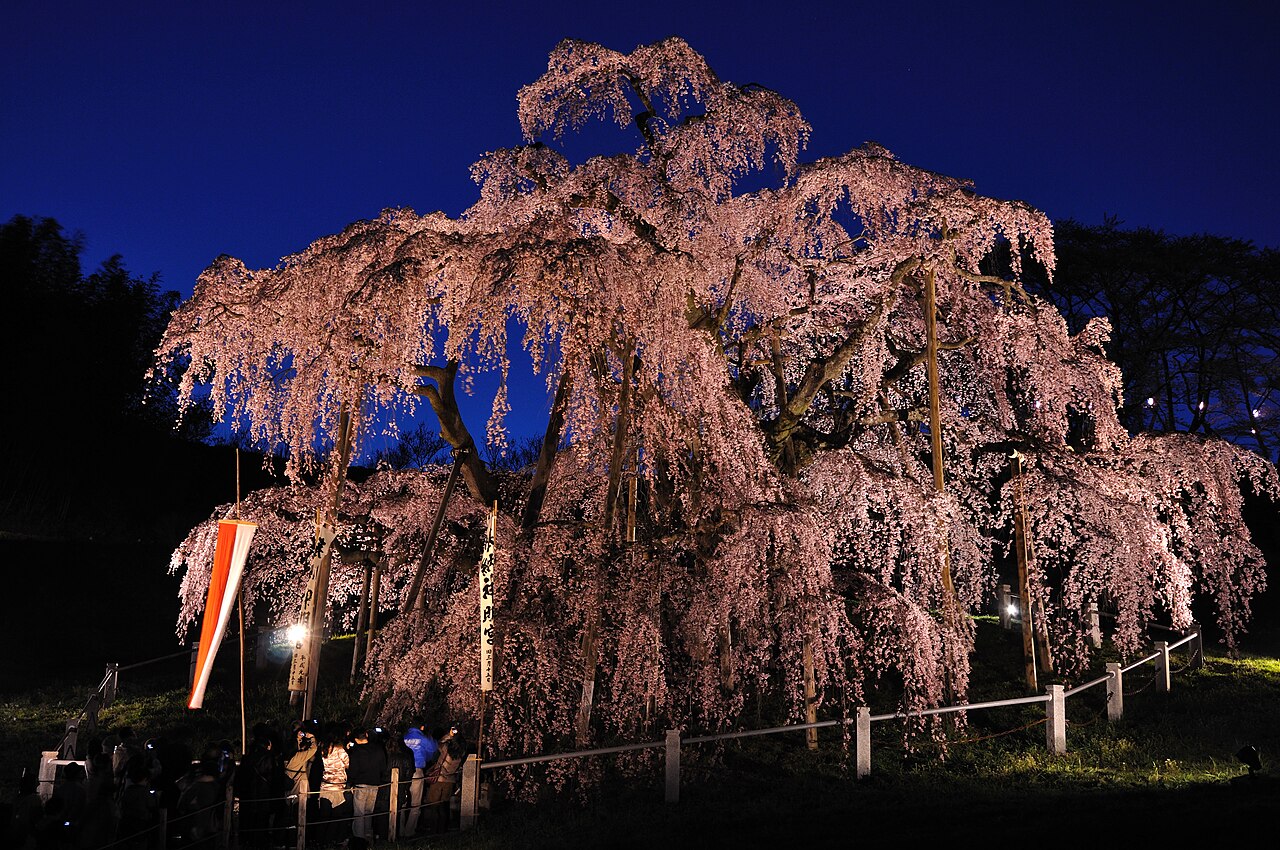
The true secret to the Takizakura lies in the night. From 18:00 to 21:00, the tree is illuminated from the ground. As the sun dips below the horizon and the crowds of day-trippers depart, the blossoms undergo a transformation, appearing as molten gold against the deep blue of the evening sky. This is a meditative, separate experience that justifies the chilly April temperatures.
A Three-Day Itinerary
To fully immerse oneself in the region, a three-day strategy is recommended:
- Day One: Arrival in Koriyama, local exploration, and an afternoon/evening visit to the Takizakura to catch the light-up.
- Day Two: Utilize the sakura-meguri map to visit secondary trees, followed by a visit to the Miharu Dam and the scenic Lake Sakura.
- Day Three: Visit the Commutan Fukushima environmental education center for a sobering but essential understanding of the region’s resilience, or explore the subterranean beauty of the Abukuma Cave.
Practical Logistics
- The Shuttle: The "Takizakura-go" shuttle bus runs directly from Miharu Station to the parking field during the bloom.
- The Rental Car: This is the most flexible option for exploring the broader Abukuma plateau, though one must be prepared for parking queues during the peak weekend.
- The "No-Bloom" Rule: Travelers are strongly advised: if the timing does not hit the peak, the trip is less of a pilgrimage and more of a hike. Without the blossoms, the Takizakura is a majestic, bare skeleton. The magic lies in the mankai (full bloom).
Final Reflection: Why We Travel
In a world increasingly dominated by the digital and the ephemeral, the Miharu Takizakura offers a rare anchor in deep time. It has stood through the transition from feudalism to modernity, through wars and peace, and through the changing climate of the Japanese islands. To stand beneath its boughs is to participate in a ritual that spans centuries. It reminds the viewer that while human lives are short and fleeting—much like the cherry blossom itself—the act of witnessing, protecting, and honoring natural majesty is a timeless pursuit.
Whether one is a serious photographer looking for the perfect silhouette or a traveler seeking a moment of quiet reflection in the heart of Tohoku, the Takizakura stands as a definitive destination. It is, quite simply, the finest example of Japan’s most cherished natural treasure.


 Neng Nana
 Asro
Asro