

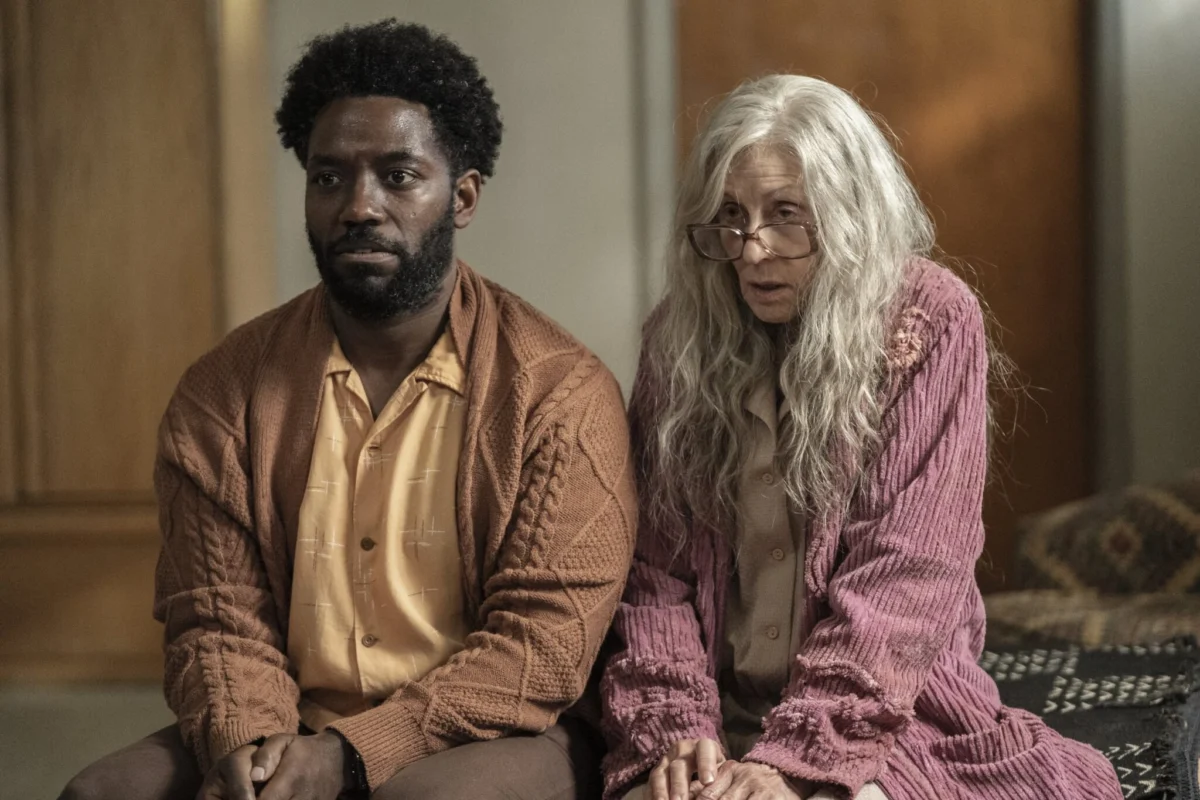
We have officially hit the halfway point of The Terror: Devil in Silver, and the atmosphere within the walls of New Hyde has shifted from mere discomfort to a full-blown existential crisis. The fourth episode of this haunting season serves as a masterclass in psychological claustrophobia, blending supernatural dread with the cold, sterile reality of institutional failure. As the narrative progresses, it becomes increasingly clear that the true horror isn’t just the entity lurking behind the silver door—it is the systemic apathy that allows that entity to thrive.
The State of New Hyde: A Chronology of Chaos
The episode begins in the immediate aftermath of the traumatic incident involving Pepper, who was left battered and broken by an encounter that defies easy explanation. While patients like Loochie, Coffee, and Dorry debate the nature of the entity—ranging from a demonic force to a man-made nightmare—the hospital staff maintains a rigid, gaslighting narrative. The official line from the administration is that Pepper was restrained following a self-inflicted episode triggered by his own unauthorized access to keys.
This conflict establishes the central tension of the series: the battle between the patients’ lived experiences and the institution’s desire for total compliance.
The Escalation
- The Aftermath of Violence: Following the confrontation, the power dynamic at New Hyde shifts. The staff, led by the detached and bureaucratic Anand, continues to view patient outbursts as mere "noncompliance," ignoring the systemic stressors that drive these individuals to the brink.
- The Return of the Departed: In a move that blurs the lines between hallucination and the supernatural, Pepper encounters the spirit—or manifestation—of Officer Louie, the policeman who met his end in the series premiere. This conversation, occurring while Pepper is notably clear-headed, forces the audience to confront the possibility that the "Devil" may be a literal, albeit archaic, force.
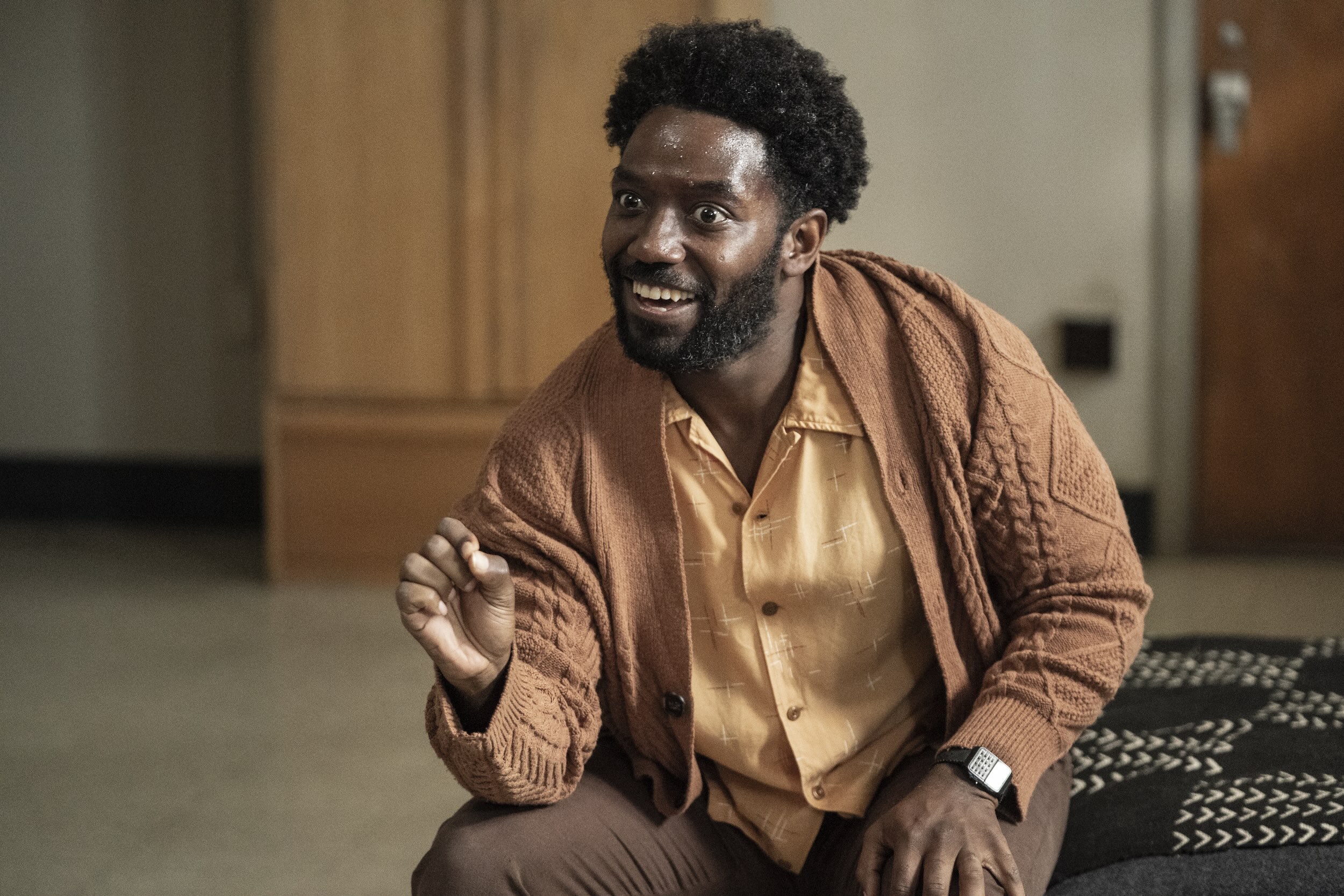
- The Failed Rescue: The arrival of Pepper’s son, Anthony, serves as the episode’s emotional anchor. Rather than seeking help for his fellow patients, Pepper attempts to leverage his son’s presence to secure his own exit. The resulting heartbreak serves as a devastating critique of Pepper’s own character—he is a man who craves salvation but remains unwilling to sacrifice his own self-interest to achieve it.
Supporting Data: The Anatomy of a Systemic Failure
To understand the horror of The Terror, one must look at how the series mirrors real-world societal failures. The show posits that institutions like New Hyde are not designed for healing, but for containment.
The Myth of Compliance
The character of Anand represents the banality of evil in healthcare. His insistence on over-medicating patients is framed not as a medical necessity, but as a mechanism of control. By rendering the patients docile, the staff avoids the messy, human work of true mental healthcare. This creates a "false binary" in the narrative: patients are either dangerously "crazy" or chemically suppressed.
Critics have noted that this portrayal walks a fine line. By focusing on the abuse of medication rather than its potential benefits, the show risks playing into anti-psychiatric tropes. However, within the context of the horror genre, this over-medication is a narrative tool used to illustrate the loss of agency. When Coffee describes his past experience of being off-meds as "blue skies" compared to his current state of emotional void, the audience is forced to weigh the cost of "stability" against the loss of the human spirit.
The "Othering" of the Mentally Ill
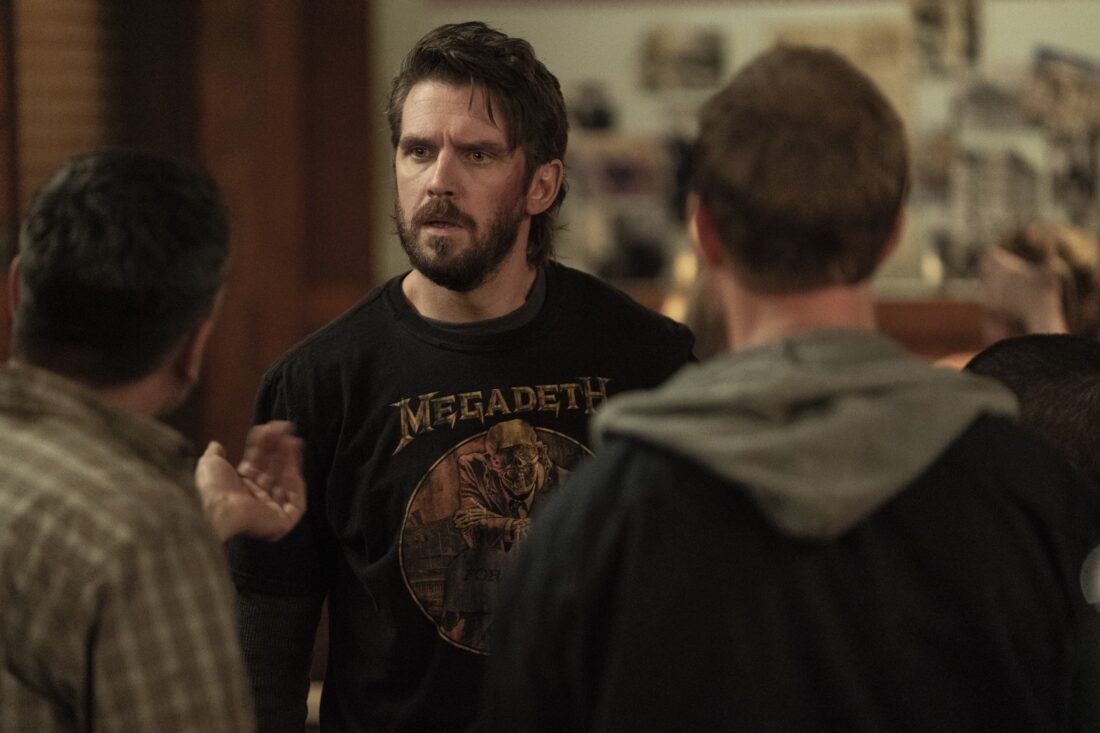
The scenes at Sal’s, where patients are met with slurs and physical violence, underscore a broader social commentary. The series posits that Western society has historically treated the disabled and the mentally ill as an inconvenience to be hidden. From the "ugly laws" of the past to the current crisis of homelessness and the rise of controversial "wellness farms," the show argues that the world outside of New Hyde is just as hostile as the one inside. The patrons of Sal’s do not see humans; they see threats to their comfort, a dehumanization that mirrors the staff’s own attitudes at the hospital.
Official Responses and Internal Conflicts
The power struggles within the walls of the hospital provide the most compelling character studies of the season.
- The Badger Paradox: Badger continues to be a tragic, albeit flawed, figure. His performative leadership—posturing for the other patients while failing to take meaningful action—mirrors the helplessness of the group. His ultimate fate, mirroring that of Officer Louie, serves as a grim reminder that in the world of New Hyde, knowledge and intent are not enough to guarantee survival.
- The Role of the "Devil": Whether the entity behind the silver door is a physical monster, a psychological projection, or a metaphor for the hospital itself remains the series’ most effective mystery. The patients argue over its nature, but their debate is ultimately irrelevant to the result: the entity targets those who fight back. It feeds on the rebellious, ensuring that only the "lifers" like Loochie—those who have resigned themselves to the status quo—remain relatively safe from its direct wrath.
Implications: A Society of Myth-Makers
The brilliance of this mid-season arc lies in its exploration of the stories we tell ourselves to survive.
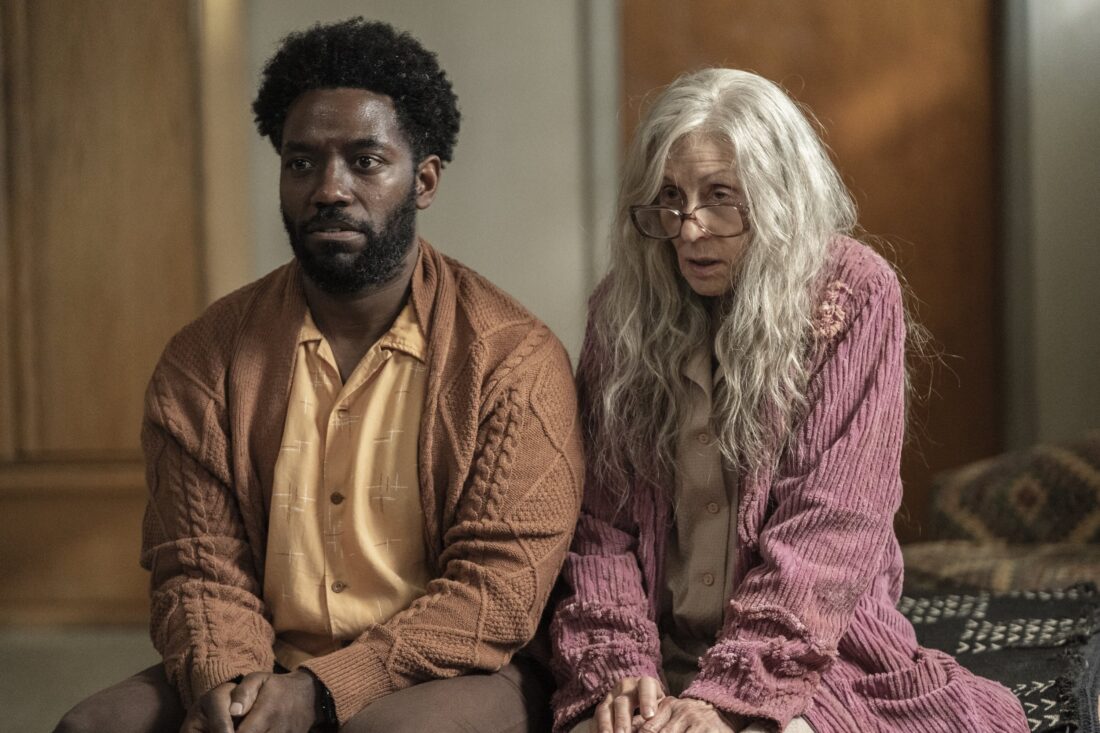
- Survival Narratives: Every character at New Hyde is constructing a myth to explain their reality. Dorry calls sedatives "treats" to cope with her dependency; Loochie frames her trauma as an encounter with the devil to maintain a sense of power; Pepper hides his selfish nature behind a thin veneer of chivalry.
- The Jaws Allegory: The recurring references to the film Jaws are particularly poignant. The characters are obsessed with the idea of "killing the shark," yet they fail to recognize that they are trapped in the water with it. By turning their plight into a monster movie, they avoid the more terrifying reality: that there is no heroic ending, only the struggle to remain human in an environment designed to strip that humanity away.
- The Cost of Self-Interest: Pepper’s arc is perhaps the most sobering. His choice to use his son, Anthony, for his own liberation rather than for the betterment of the community, marks a point of no return. As he tells his son, he is trapped in a cycle of hurting those he loves to satisfy his own immediate needs. It is a damning look at the cycles of trauma and how they prevent genuine connection, even in the face of literal death.
Conclusion: The Horizon of Horror
As The Terror: Devil in Silver moves toward its second half, the stakes have never been clearer. We are witnessing an institution that views its residents not as patients, but as obstacles to be managed. The "horror" of the show is not merely the supernatural entity lurking in the shadows; it is the realization that the system is functioning exactly as it was intended.
The patients are fighting a war on two fronts: the internal war against their own mental health and the external war against an indifferent, violent society. As the episode closes, the lingering question remains: if they manage to "kill the shark," will there be anything left of themselves to save?
With the intensity ramping up and the emotional walls closing in, the final episodes promise a reckoning that will likely leave no one—staff or patient—unchanged. The void is not just behind the silver door; it is in the gaps between the people who are supposed to be helping one another, and as of now, that void is hungrier than ever.









No comments yet. Be the first to join the conversation!