Basiran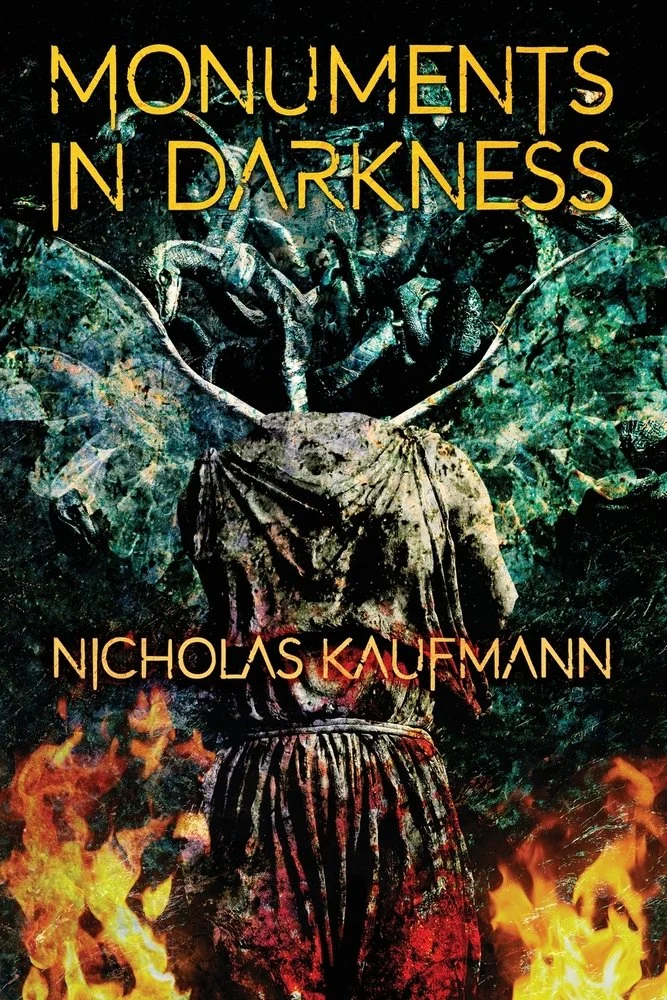
As we move into June 2026, the intersection of technology, literature, and cultural discourse remains as volatile as ever. From the halls of the judiciary, where the state of Florida is taking an aggressive stance against the titans of artificial intelligence, to the literary salons of New York City and the global stage of science fiction fandom, the current cultural landscape is undergoing a period of intense transformation. This report synthesizes the latest developments in these sectors, providing a comprehensive look at the stories shaping our world this week.
1. Legal Turbulence: Florida Challenges the AI Frontier
In a development that has sent shockwaves through the tech industry, the state of Florida has initiated a landmark lawsuit against OpenAI and its CEO, Sam Altman. Represented by Attorney General James Uthmeier, the state’s 83-page complaint filed in the 10th Judicial Circuit marks the first state-led legal action of its kind against the developers of ChatGPT.
The Allegations
The lawsuit is far-reaching, accusing OpenAI of failing to exercise reasonable care in the design, promotion, and distribution of its flagship AI product. The state alleges that the company owed a "heightened duty of care" due to the potential risks posed by the technology, specifically citing concerns over cognitive decline, addiction, suicide, and violence.
The legal filing directly links the deployment of ChatGPT to several high-profile tragedies, including the 2025 shooting incidents at Florida State University and the deaths of two graduate students at the University of South Florida earlier this year. The state is seeking significant injunctions, including a complete halt to data collection from minors, the implementation of new safety guardrails, and potential millions in penalties under the Florida Deceptive and Unfair Trade Practices Act.

Official Responses and Political Context
Attorney General Uthmeier, currently campaigning for a full term in the November midterms, has framed the lawsuit as a necessary intervention to protect citizens from "a dangerous product." During a press conference, he stated, "OpenAI and Altman ignored internal and external safety warnings, put children at great risk, and allowed a dangerous product to reach millions of Floridians." This lawsuit builds upon a separate criminal probe into OpenAI that the AG’s office opened in April. As Big Tech becomes a central issue in the upcoming election cycle, this confrontation suggests that the regulatory landscape for AI is shifting from oversight to active, punitive litigation.
2. Fandom and Literature: Worldcon and the Literary Scene
While the tech sector faces courtroom scrutiny, the science fiction and fantasy (SFF) community continues its long-term planning and intellectual celebration.
2028 Worldcon Site Selection
The LAcon V Worldcon committee has officially opened the voting process for the 2028 Worldcon site selection. As the international SFF community looks toward the future, the ballot currently features a singular focus: Brisbane, Australia. With Brisbane remaining the only active bid, the community is moving toward a potential Australian-hosted convention, an event that would further cement the global nature of Worldcon.
Literary Salons at KGB Bar
The renowned "Fantastic Fiction at KGB" reading series remains a staple of the New York City literary scene. Hosted by industry veterans Ellen Datlow and Matthew Kressel, the series continues to platform distinguished voices in the genre. On Wednesday, June 10, the KGB Bar in the East Village will host readings from Nicholas Kaufmann and A.C. Wise.

Kaufmann, a Bram Stoker and Shirley Jackson Award finalist, continues to build on the success of his bestselling works like 100 Fathoms Below. Meanwhile, A.C. Wise, whose recent novel Ballad of the Bone Road has garnered critical acclaim, brings her extensive experience as a critic and author to the stage. These events serve as a vital reminder of the enduring power of intimate, live literary engagement.
3. The Fragmentation of Mass Culture
A broader cultural shift is being noted by analysts like Aaron Renn, who recently explored the decline of a unified American cultural experience. In his article, "Stephen Colbert Didn’t Get Cancelled — Mass Culture Did," Renn argues that the fragmentation of media is a direct result of technological advancements and structural economic changes.
Chronology of a Cultural Shift
The mid-20th century, particularly the post-World War II era, provided a rare window of "common culture." With a limited number of television networks, local newspapers, and radio stations, Americans shared a set of cultural touchstones—MASH*, Walter Cronkite, and Johnny Carson.
Renn notes that the decline in audience reach for late-night hosts is emblematic of this change. While Johnny Carson’s final show drew upwards of 55 million viewers, modern late-night hosts like Stephen Colbert see significantly lower numbers, despite a larger national population. This fragmentation suggests that the concept of a "national conversation" is being replaced by niche communities, a shift that has profound implications for social cohesion and political polarization.

4. Remembering Piper J. Drake (1976–2026)
The SFF community is mourning the loss of author and teacher Lalana Dararutana, known professionally as Piper J. Drake, who passed away on May 18 at the age of 49. A beloved figure in the "Writing the Other" community, Drake’s passing after a multi-year battle with cervical cancer has left a void in the literary world.
K. Tempest Bradford, in a moving tribute for Clarion West, noted the profound impact Drake had on her students and peers, describing her as an "extraordinary person full of wisdom and joy." The loss serves as a somber reminder of the human connections that sustain the speculative fiction community beyond the page.
5. Television Accolades and Industry Trends
The 2026 Gotham TV Awards highlighted the current dominance of SFF storytelling in high-end television. Among the winners, the series Pluribus secured the breakthrough drama series award, while performances in The Testaments (Chase Infiniti) and Alien: Earth (Babou Ceesay) received top honors.
The success of these shows, particularly in the science fiction genre, underscores a shift in audience appetite toward complex, genre-bending narratives. The absence of Pluribus creator Vince Gilligan at the ceremony—due to his commitment to writing the show’s second season—also highlights the intense production cycles currently driving the industry.

6. Curated Collections: Reviews and Memorabilia
For those seeking to explore the history of the genre, recent reviews have shone a light on the work of Ian McDonald. Dave Hook’s analysis of The Best of Ian McDonald (2016) highlights the depth of McDonald’s short fiction, particularly his novelette "Unfinished Portrait of the King of Pain by Van Gogh." Despite being out of print, the collection remains a cornerstone for fans of literary SFF, proving that even as new technologies emerge, the demand for classic, high-quality storytelling remains constant.
Finally, for the dedicated fan, the commercial market continues to cater to the niche: Walmart is currently retailing a TARDIS-themed French Press for $59.99. While seemingly trivial, such merchandise represents the enduring, multi-generational appeal of franchises like Doctor Who, which continues to bridge the gap between television history and modern consumer culture.
Summary of Implications
The events of this week highlight a period of significant transition. The legal battle in Florida signals that the era of unfettered AI development is likely coming to an end, with state governments stepping in to define the safety standards of the future. Simultaneously, the reflections on "mass culture" remind us that as our technology becomes more personalized, our shared cultural experiences are becoming increasingly fractured.
In the midst of these macro-level changes, the SFF community remains a constant, providing space for mourning, celebration, and critical discourse. Whether through the reading series at the KGB Bar or the rigorous analysis of literary collections, the genre continues to serve as a mirror for our rapidly evolving, and often contentious, reality. As we look toward the 2028 Worldcon and the ongoing developments in AI law, it is clear that the interplay between innovation and human experience will continue to dominate the news cycle for the foreseeable future.

 Raul Delapena Setiawan
 Nila Kartika Wati