

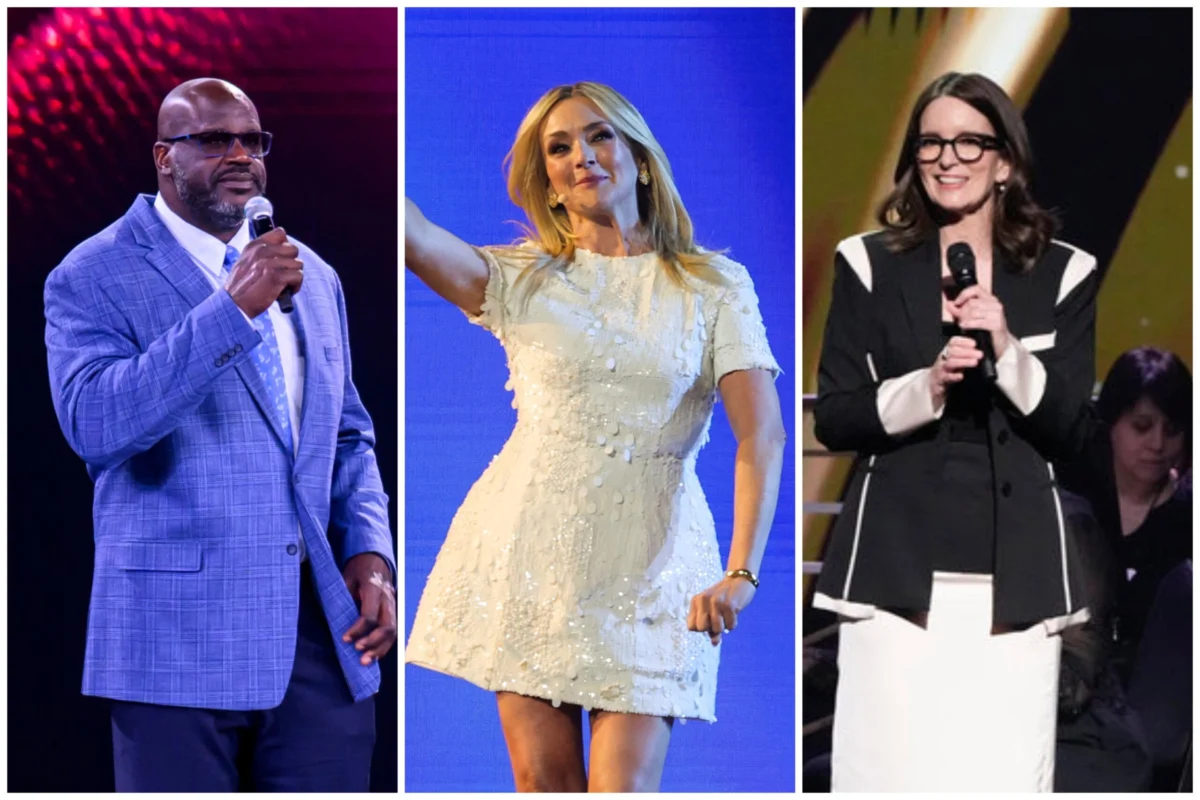
The 2026 upfront season—the annual ritual where media conglomerates descend upon New York City to court advertisers—arrived this year cloaked in a heavy shroud of transition. Held at the Madison Square Garden Theater, the proceedings were defined not just by the slate of new television programming, but by the palpable tension surrounding the future of the media landscape itself. As industry titans, ad buyers, and analysts gathered, the mood was a complex cocktail of traditional showmanship and existential pragmatism.
The Shadow of Giants: A Bittersweet Opening
Warner Bros. Discovery (WBD) set the tone for the week with a somber, reflective tribute to the late Ted Turner, who passed away just days prior. For WBD, the eulogy was deeply personal; Turner’s pioneering spirit birthed the cable networks—CNN, TNT, TBS, and Cartoon Network—that remain the backbone of the company’s ad-supported portfolio.
However, the sentimentality was quickly punctured by the reality of the market. While WBD presidents of U.S. advertising, Ryan Gould and Bobby Voltaggio, paid their respects, they also leaned into the industry’s dark humor, joking about the "Ellison in the room." The quip was a pointed reference to the looming acquisition of WBD by Paramount Skydance. For many in attendance, the WBD presentation felt less like a standard pitch and more like a potential swan song, as the industry braced for a consolidation that would fundamentally alter the broadcast map before the 2027 upfronts ever occur.
Chronology of a Shifting Landscape
The week unfolded as a series of high-stakes presentations, each attempting to balance the "360-degree" conglomerate approach of years past with a renewed, almost nostalgic, focus on core television programming.
Monday: The Return to Content
The shift back to pure entertainment was evident across the board. While sports and theatrical synergy remained—WBD notably took a well-earned victory lap for its explosive 2025 box office performance—the "show" was once again the star.
NBC’s presentation served as a bellwether for this shift. For the first time in several years, the network invested in a formal mini-pilot season. Lisa Katz, head of scripted content for NBC/Peacock, noted that the move was a "very concerted effort" to refocus on scripted development. This strategy was echoed by Channing Dungey, chairman and CEO of Warner Bros. TV Group, who expressed optimism about a renewed "bullishness" on linear broadcast.
Mid-Week: The Midseason Pivot
The most significant strategic revelation of the week was the collective abandonment of the traditional fall rollout. The industry has effectively declared that "Midseason is the new Fall." With primetime schedules increasingly colonized by live sports—specifically the NFL and college football—networks are choosing to hold their most anticipated scripted assets until January.
- ABC is holding back its flagship hit, High Potential, to ensure an uninterrupted run.
- CBS has pushed major franchises, including Matlock and Ghosts, into the new year to navigate limited shelf space.
- NBC has reserved its Rockford Files reboot for a midseason launch, viewing it as a "blue sky" anchor for the Thursday night schedule.
This move acknowledges a fundamental shift in viewer behavior. Streaming has taught audiences to expect steady, uninterrupted storytelling, and linear networks are finally adapting their scheduling to mirror this demand.
Supporting Data: The Anatomy of the 2026 Schedule
The numbers reflect a stark reality: the traditional "Fall Premiere" season is a relic of the past.
- Reduced Originality: In September, scripted originals occupy only five hours of ABC’s weekly lineup and seven hours of NBC’s. Fox has relegated scripted programming to just two nights of its week.
- The "New Normal" in Episodic Counts: As budgets tighten and quality demands rise, the standard order for dramas has drifted from the classic 22-episode model to a leaner 15-to-18-episode season.
- Comedy Drought: The genre is struggling to find a foothold on broadcast. Only three new comedies were announced across the major networks: Eternally Yours (CBS), and Sunset P.I. and Newlyweds (NBC).
Official Responses and Executive Shifts
The 2026 upfronts marked a changing of the guard at the highest levels. Disney CEO Josh D’Amaro made a surprise appearance, moving beyond his traditional D23 comfort zone to assure advertisers of the company’s commitment to its TV division. Meanwhile, the absence of WBD CEO David Zaslav—who usually commands the stage—was a silent but thunderous acknowledgement of his company’s uncertain future.
At Amazon, Peter Friedlander made his debut as the head of scripted TV, leveraging high-profile projects like the Fourth Wing series to signal Amazon MGM’s aggressive push into mainstream prestige television.
The "Will They, Won’t They" of Artificial Intelligence
Perhaps the most polarizing topic of the week was the integration of Artificial Intelligence. The industry’s approach was fragmented:
- The Reserved: NBCU and Disney offered only glancing mentions of AI, characterizing it as a tool for "automated systems" rather than a core creative engine.
- The Proponents: Fox dedicated over five minutes of its pitch to the technology, framing it as a central pillar of their future strategy.
- The Pragmatists: Netflix focused on the practical application of AI within the advertising sales process, keeping the conversation grounded in data rather than creative disruption.
The Tech vs. Content Divide
The most profound shift identified during the week is the transformation of the upfront from a "content pitch" to a "tech pitch." Advertisers are no longer just buying spots next to a hit show; they are buying algorithmic precision.
With viewership fragmented across platforms and time-shifted, networks are leaning heavily into programmatic technology. The CTO of Fox taking the stage was a symbolic milestone—a clear signal that in the modern media economy, the ability to reach a specific consumer preference through geographic and behavioral data is often considered more valuable than the content itself.
Implications: The Road Ahead
The 2026 upfronts served as a funeral for the old ways of doing business and a birth certificate for a highly technical, sports-centric, and consolidated future.
Key Takeaways for the Industry:
- Blue Skies are Back: Despite the industry’s love affair with dark, moody streaming hits, the success of shows like High Potential has triggered a massive return to "blue sky" optimism. Relatable, human-centric, and optimistic programming is the current mandate for broadcasters.
- Country is King: Musically, the genre of the year was undoubtedly country, with Amazon and Netflix centering their performances around Nashville-adjacent stars and aesthetics, signaling a shift in the demographic target for advertisers.
- The "L.A. Bonus": Production location has become a marketing asset. Every network that touted a show filmed in Los Angeles received thunderous applause, highlighting the industry’s deep desire to preserve Hollywood’s local production footprint amidst rising global competition.
As the industry looks toward the next year, the "Ellison in the room" remains the primary variable. Whether the upcoming mergers result in a more efficient, high-tech machine or a chaotic dissolution of legacy brands remains to be seen. What is certain, however, is that the era of the "glamorous upfront" is being replaced by the era of the "efficient platform."
For the advertisers and creators left standing, the goal is clear: adapt to the sports-heavy, tech-driven, and midseason-oriented reality, or risk being edited out of the future of television entirely. The 2026 upfronts were a final bow for the traditional model—a sophisticated, well-choreographed, and deeply anxious performance that leaves the industry on the precipice of a transformation that may well be irreversible.











No comments yet. Be the first to join the conversation!