

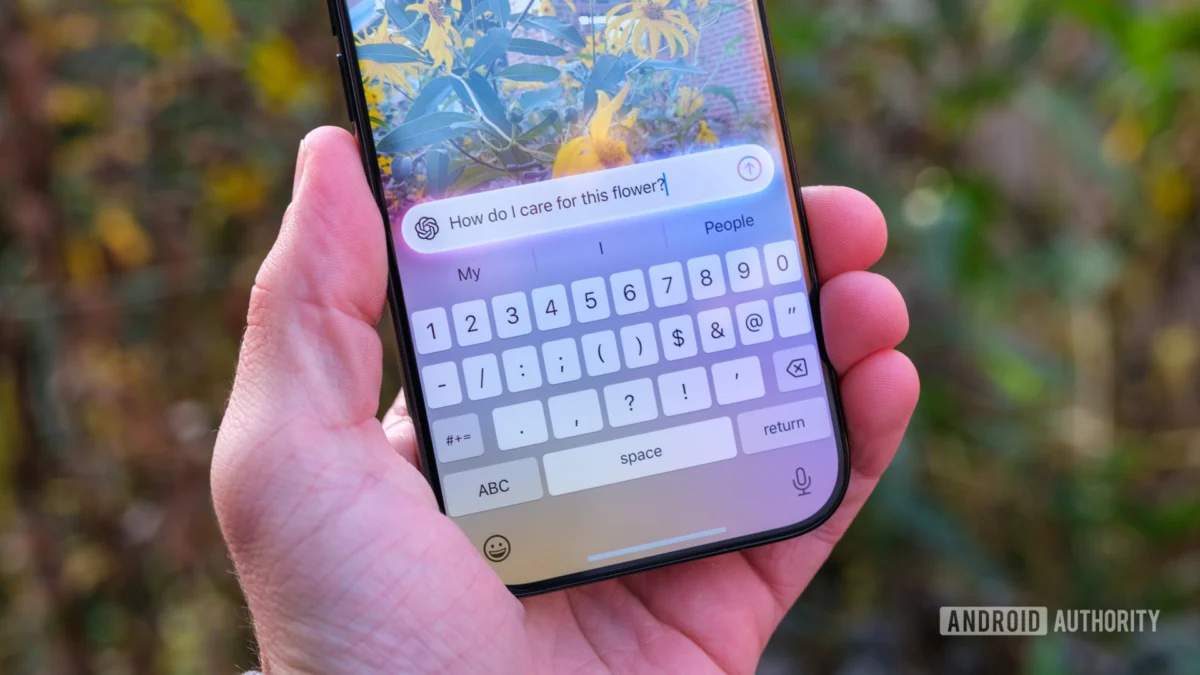
The high-stakes marriage between Apple and OpenAI, once heralded as the definitive "power couple" of the generative AI era, appears to be rapidly souring. What began as a strategic alliance in 2024 to bolster Apple’s lagging artificial intelligence capabilities is now teetering on the edge of a courtroom battle. As the dust settles on the initial honeymoon phase, reports indicate that OpenAI is actively consulting with legal counsel to explore potential breach-of-contract claims against the Cupertino giant.
This development marks a significant shift in the narrative of AI integration, highlighting the friction between Apple’s guarded, user-centric ecosystem and the growth-hungry ambitions of AI labs.
The Core Conflict: Expectations vs. Implementation
At the heart of the dispute lies a fundamental misalignment of objectives. When Apple announced its partnership with OpenAI, it was a tactical maneuver designed to bridge the gap between its existing Siri infrastructure and the cutting-edge capabilities of GPT-4o. For Apple, the deal provided a sophisticated chatbot backend without the immediate need to build a foundational model from scratch.
For OpenAI, however, the deal was meant to be a gateway to billions of devices. Executives at the Sam Altman-led company reportedly anticipated that deep system-level integration would turn iPhone users into a massive, captive audience for ChatGPT Plus subscriptions. According to internal sentiment leaked to Bloomberg, that growth has failed to materialize.
OpenAI executives have expressed deep frustration, arguing that Apple has treated the integration as a secondary feature rather than a core pillar of the iOS experience. One unnamed executive went so far as to describe the partnership as an exercise in bad faith, noting, "We have done everything from a product perspective. They have not, and worse, they haven’t even made an honest effort."
A Chronology of the Partnership
To understand how this partnership devolved into potential litigation, one must look back at the rapid-fire timeline of the past two years:
- Early 2024: Amidst growing pressure from Wall Street to showcase an AI roadmap, Apple identifies a need for a partner to enhance Siri’s reasoning capabilities.
- Mid-2024: The Apple-OpenAI partnership is officially unveiled. The deal promises to integrate ChatGPT into Siri, Writing Tools, and Visual Intelligence, offering users a seamless way to query the world’s most popular LLM.
- Late 2024 – Early 2025: Initial rollout occurs. Users begin testing ChatGPT via Apple’s interface, but adoption metrics remain underwhelming.
- Mid-2026: Reports surface that Apple is diversifying its AI portfolio, bringing Google’s Gemini into the fold and scouting for partnerships with Anthropic.
- May 2026: Legal tensions peak. OpenAI begins working with external legal counsel to draft potential notices of breach of contract, citing lack of promotion and poor integration as the primary culprits.
The Data: Why the Integration Isn’t Sticking
The friction is not merely emotional; it is rooted in cold, hard data. Internal studies conducted by OpenAI reveal a telling trend: Apple users are overwhelmingly choosing to download and use the standalone ChatGPT app from the App Store rather than engaging with the version embedded within Apple’s operating system.
Several factors contribute to this disparity:
- Discoverability: Within iOS, ChatGPT is often buried behind specific Siri prompts or contextual menus. It lacks the "front-and-center" presence that many believed it would have.
- Functionality Constraints: The system-integrated version of ChatGPT is functionally limited compared to the standalone app. Advanced features, custom GPTs, and persistent memory—the "stickiness" that drives long-term subscription value—are often truncated or absent in the native Apple implementation.
- User Friction: Users must often explicitly invoke ChatGPT through Siri, creating an extra step that discourages casual usage.
OpenAI feels that by restricting access and failing to promote the tool effectively, Apple is effectively "starving" the partnership of the growth they were promised during negotiations.
The "Diversification" Problem: Google Gemini and Beyond
The timing of this potential lawsuit is particularly volatile. Apple recently confirmed that it is actively integrating Google’s Gemini models into Siri and Apple Intelligence. For OpenAI, this is a bitter pill to swallow. While the original contract was never explicitly exclusive, OpenAI’s leadership seemingly operated under the assumption that they would be the primary, if not sole, engine for Apple’s advanced AI features.
By inviting Google into the fold, Apple has diluted the value proposition for OpenAI. This move serves two purposes for Apple: it avoids antitrust scrutiny by not tying itself to a single AI provider, and it provides a "failover" mechanism if one partner falters. However, for OpenAI, it looks like a lack of commitment to their technology, and it adds fuel to the fire regarding their legal grievances.
Implications for the AI Industry
The brewing dispute carries significant weight for the broader tech sector, signaling that the "gold rush" phase of AI partnerships is giving way to a more pragmatic and potentially litigious era.
1. The Power Struggle Between OS and Model
This conflict illustrates the inherent tension between those who own the hardware (Apple) and those who own the intelligence (OpenAI). Apple is notoriously protective of its user interface and privacy protocols; it would never allow a third party to completely take over the "brain" of the iPhone. OpenAI, conversely, wants maximum exposure. This structural conflict was perhaps inevitable.
2. The Risk of "AI Commoditization"
If Apple can easily swap out OpenAI for Google Gemini or Anthropic, it reinforces the idea that large language models are becoming commodities. If the underlying models are viewed as interchangeable, the leverage shifts heavily toward the company that owns the user distribution—in this case, Apple. This is a terrifying prospect for AI labs that rely on massive user acquisition to justify their astronomical valuations.
3. Legal Precedents in AI
Should this proceed to a formal lawsuit, it will be one of the most high-profile technology disputes of the decade. It would force a public examination of how "integration" is defined in contracts. What constitutes a "best effort" to promote a partner? How much control should a platform owner retain over a third-party service? The outcome could set a precedent for every future AI integration, from automotive dashboards to smart home appliances.
Looking Ahead
Despite the looming threat of litigation, sources indicate that both parties are still hoping for an out-of-court resolution. Apple is unlikely to want the bad press of a messy public dispute, and OpenAI, while frustrated, still values the massive distribution potential of the iPhone.
However, the damage to the relationship may already be permanent. As Apple continues to hedge its bets with Google and potentially Anthropic, the dream of a singular, deep-integrated ChatGPT experience on every iPhone seems to be fading. Instead, we are entering a fragmented future where users toggle between different AI "engines" depending on the task, and companies like Apple—not the AI labs themselves—remain the ultimate gatekeepers of the user experience.
For the consumer, the outcome remains to be seen. Whether this competition leads to better, faster AI tools or simply more legal bills for Silicon Valley remains the billion-dollar question.












No comments yet. Be the first to join the conversation!