

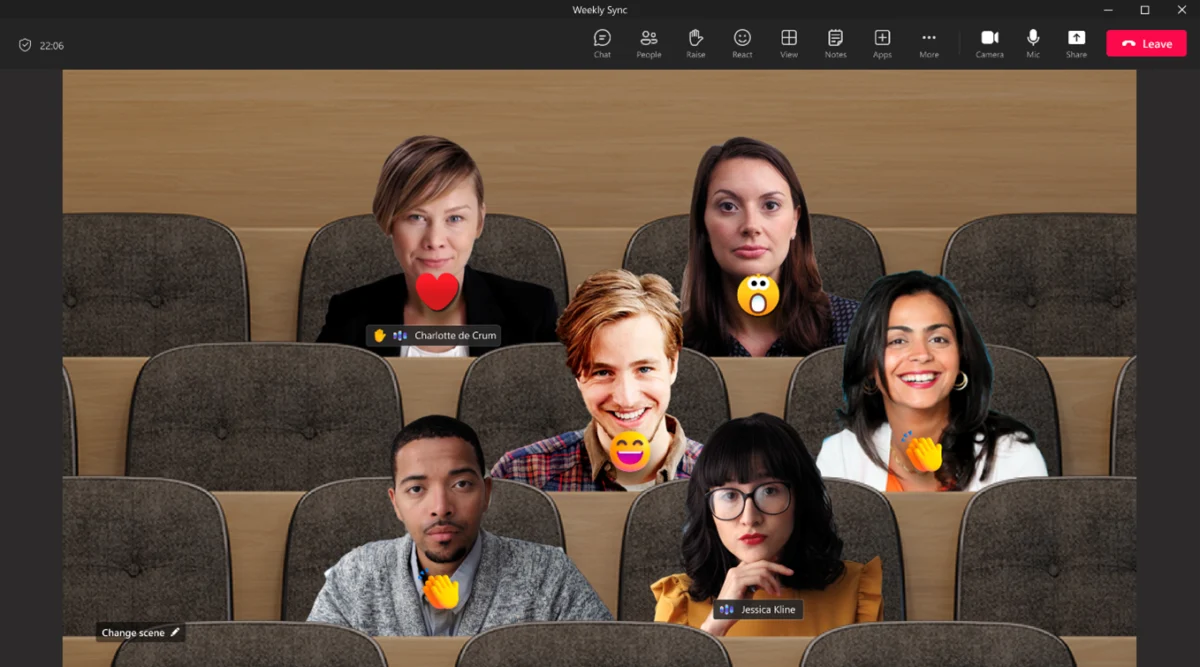
In a move that signals a significant pivot in how Microsoft envisions the future of remote collaboration, the tech giant has officially announced the sunsetting of "Together Mode" in Microsoft Teams. The feature, which was once the flagship innovation for virtual meetings during the height of the global pandemic, is scheduled to be removed from the platform on June 30, 2026. This decision marks the end of a six-year experiment in attempting to replicate physical presence in a digital space.
For millions of enterprise users, educators, and remote teams, this change represents a shift back toward simplicity and standardized layouts. As Microsoft moves to streamline the Teams experience, users will be required to migrate their workflows to the traditional Gallery and Large Gallery views.
The Chronology of Together Mode: From Pandemic Necessity to Legacy Feature
To understand the weight of this decision, one must look back at the landscape of 2020. As the world shuttered offices and classrooms, the "Zoom fatigue" phenomenon began to set in. The standard grid layout—often described as a "Hollywood Squares" experience—was blamed for the cognitive drain associated with hours of staring at disconnected webcam feeds.
The Launch (July 2020)
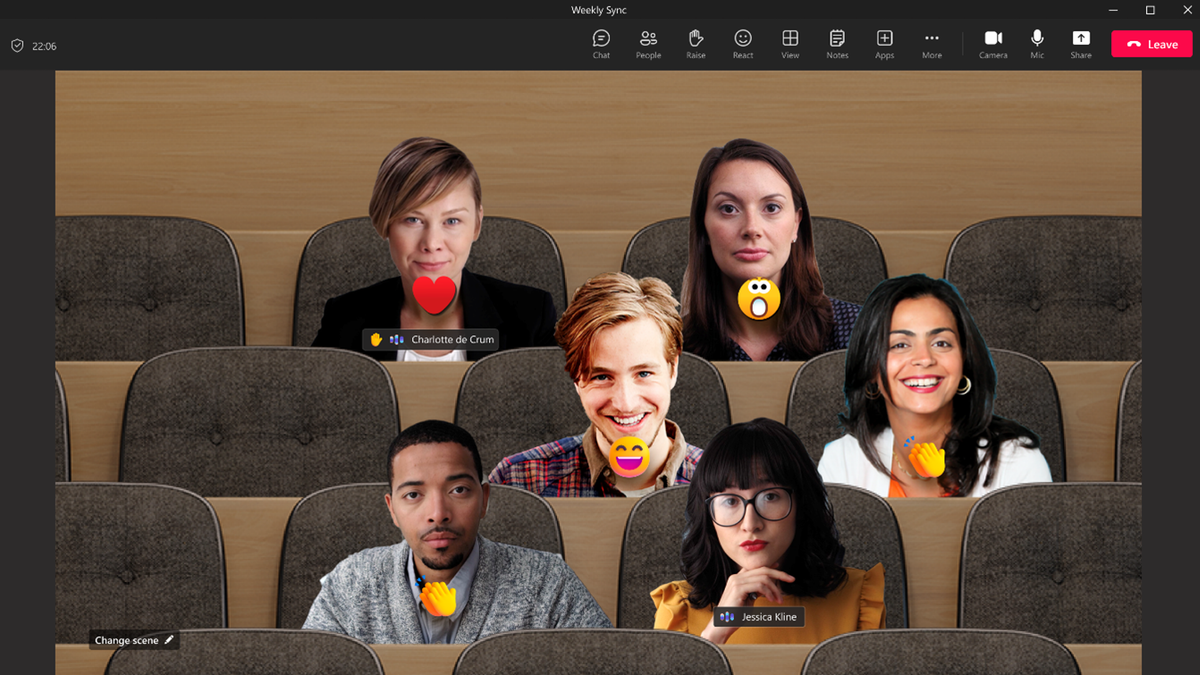
In July 2020, Microsoft unveiled Together Mode. Utilizing AI-driven segmentation technology, the feature extracted participants from their individual video feeds and placed them into a unified digital environment, such as a virtual auditorium, a coffee shop, or a boardroom. The objective was profound: to create a sense of psychological proximity, making participants feel as though they were seated in the same room, thereby reducing the "othering" effect of standard video conferencing.
The Expansion (2021–2023)
During its peak, Microsoft doubled down on the feature. The company introduced custom scenes, allowing organizations to upload their own branding or specialized environments. It became a staple in academic settings and town hall-style meetings, providing a more engaging aesthetic than the static, stark black boxes of traditional grids.
The Sunset (May 2026)
Following years of data collection and user feedback, Microsoft’s engineering teams determined that the feature no longer aligned with the platform’s long-term design philosophy. With the announcement on the Microsoft Tech Community blog, the company has set a firm expiration date of June 30, 2026. After this date, Together Mode will be removed from the View menu, and all associated custom scenes and seat assignments will be permanently deprecated.
The Rationale: Streamlining the Cognitive Load
Microsoft’s primary justification for the removal of Together Mode centers on the concept of "cognitive load." As Teams has grown in complexity, the variety of view options—Gallery, Large Gallery, Together Mode, Dynamic View, and Speaker View—has created a fragmented user experience.
Reducing Interface Complexity
Internal telemetry and user research conducted by Microsoft indicate that the majority of enterprise users prioritize stability and clarity over the "gimmickry" of simulated seating. By removing Together Mode, Microsoft is aiming to consolidate the meeting interface, ensuring that the primary Gallery mode receives the bulk of development resources.
The company stated that maintaining the backend architecture for Together Mode—which requires significant AI processing to segment subjects in real-time—is no longer a productive use of resources compared to the performance gains that can be achieved by optimizing standard video streams.
Prioritizing Gallery Mode
Gallery mode is, and will remain, the gold standard for Microsoft Teams. It offers a reliable, low-latency way to view participants that is less demanding on a user’s GPU and CPU. Microsoft believes that by focusing exclusively on enhancing the Gallery and Large Gallery views, they can deliver a more consistent and high-quality meeting experience that works seamlessly across all devices, from low-powered tablets to high-end desktop workstations.

Supporting Data and User Experience Implications
The decision to retire a feature that was once the face of Microsoft’s marketing campaign for Teams is not one made lightly. However, industry analysis suggests that the usage rates for Together Mode have plummeted as the nature of remote work has evolved.
Usage Trends
Data indicates that while Together Mode saw massive adoption during 2020 and 2021, its usage has seen a steady decline as "hybrid" work models replaced "fully remote" models. In hybrid scenarios, where some participants are in a physical boardroom and others are remote, the "Together Mode" visual—which places everyone in a fake room—often creates a disjointed experience that fails to accurately reflect the physical reality of the meeting.
Technical Debt and Performance
From an engineering perspective, Together Mode requires constant updates to ensure compatibility with new camera hardware and varied lighting conditions. As AI-based background blur and noise suppression have become standard, the overhead required to maintain Together Mode has become an outlier. By eliminating this, Microsoft can allocate engineering hours toward more pressing features, such as real-time language translation, improved live transcription, and generative AI meeting summaries.
Official Guidance for Organizations
For organizations currently dependent on Together Mode for corporate culture or specific presentation styles, the transition period between now and June 30 is critical. Microsoft has provided a roadmap for migration:
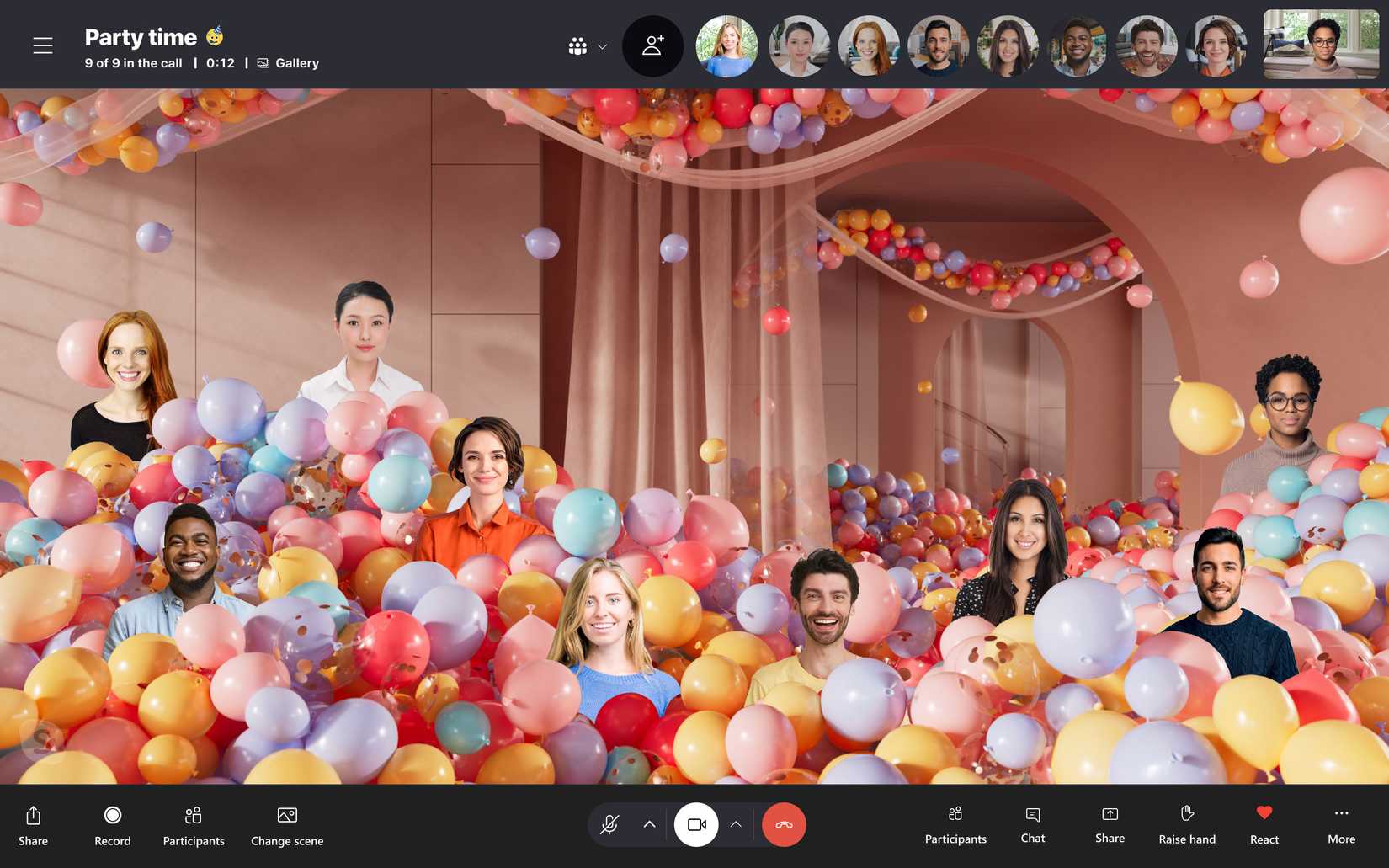
- Transition to Backgrounds: Organizations that utilized Together Mode for branded environments are encouraged to transition to "Custom Backgrounds" or "Together Mode-style wallpapers" within the standard Gallery view. While this does not provide the same "seated" effect, it allows for the maintenance of visual brand identity.
- Audit Meeting Settings: IT administrators are advised to review any internal documentation or training materials that reference Together Mode. These should be updated to reflect the use of Gallery or Large Gallery views.
- End-User Communication: Microsoft suggests that managers communicate the change to teams early to prevent confusion during the transition. Emphasizing the improved stability and reliability of the standard Gallery view is recommended.
Implications for the Future of Remote Collaboration
The retirement of Together Mode is a microcosm of a larger trend in the software industry: the move away from "experimental" virtual reality features toward "utility-first" design.
The Shift Toward AI-Augmented Utility
Microsoft’s focus has clearly shifted toward AI that provides tangible utility rather than visual novelty. Features like "Intelligent Recap," which summarizes meetings, and "Speaker Coach," which provides feedback on communication style, are proving to be higher-value investments than the visual simulation of a boardroom.
The Death of the "Gimmick"
In the early days of the pandemic, companies were desperate for anything that made remote work feel "human." Today, the workforce is more comfortable with digital communication, and the necessity for a "virtual auditorium" has waned. Users now demand tools that save time, improve audio-visual quality, and integrate better with other productivity suites.
What Comes Next?
While Together Mode is disappearing, the technology that powered it—real-time person segmentation—is likely to persist in other forms. It is highly probable that this tech will be repurposed for better background replacement, superior lighting adjustments, and perhaps even future augmented reality (AR) integrations in the burgeoning space of mixed-reality meetings via the HoloLens or other VR/AR hardware.
Final Thoughts: A Maturity Milestone
The end of Together Mode should not be viewed as a failure, but rather as a milestone in the maturity of remote work software. Microsoft Teams has evolved from a crisis-response tool into a comprehensive digital workspace.
As of June 30, 2026, the virtual chairs will be cleared, the auditorium will close, and Teams will enter a more streamlined chapter. For the average user, the change will be subtle—a slightly cleaner menu and a more consistent experience. For Microsoft, it is a strategic pruning, clearing the way for the next generation of AI-driven productivity tools that aim to solve the actual problems of work, rather than simply trying to mask the digital nature of our meetings.
As we approach this date, organizations that act early to adjust their meeting workflows will find the transition seamless. The era of the "virtual auditorium" is closing, but the era of the high-performance, AI-integrated digital workspace is just reaching its stride.












No comments yet. Be the first to join the conversation!