

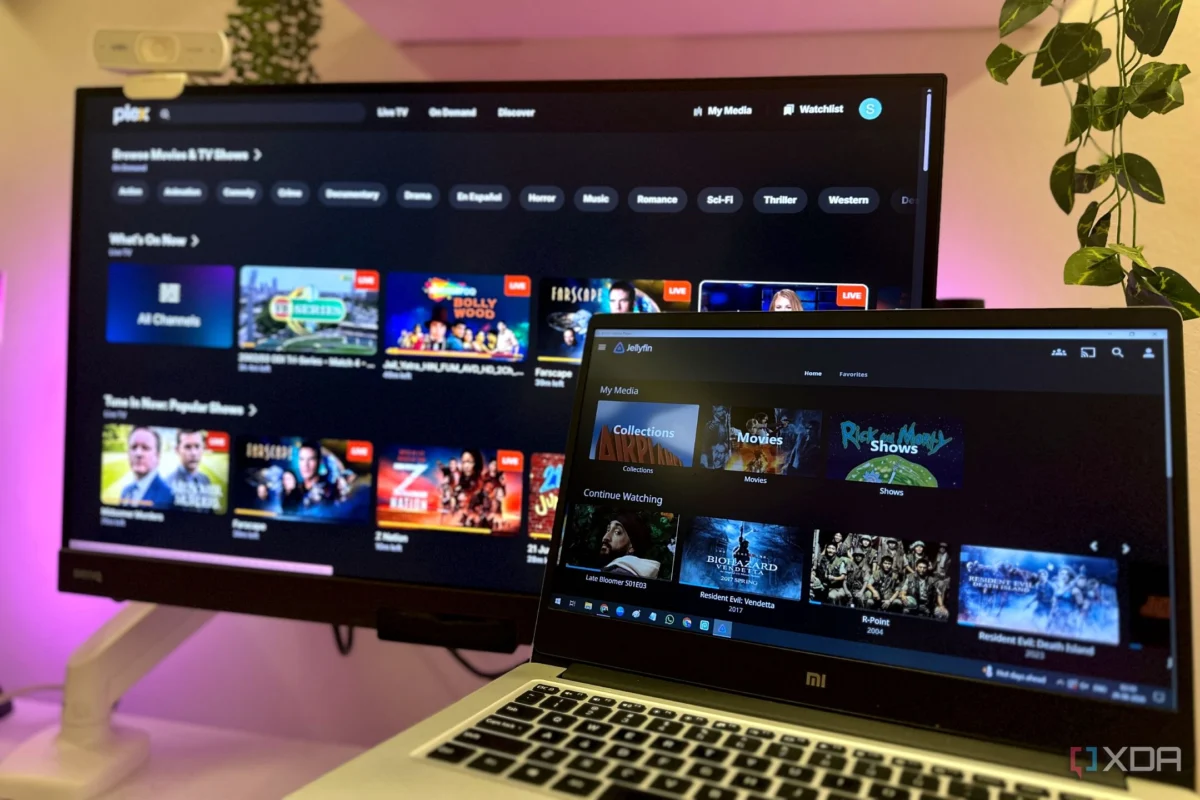
The landscape of self-hosted home media management shifted dramatically this week. Following a highly controversial announcement in May, Plex has officially executed a massive price hike for its "Lifetime" subscription tier, while simultaneously introducing a new, mid-tier long-term subscription plan. As of July 1, 2026, the cost to secure a lifetime license for the popular media server software has surged to $749.99, a move that has left many enthusiasts questioning the value proposition of the service in an increasingly competitive ecosystem.
The Core Developments: A New Pricing Hierarchy
The primary change, which took effect at the stroke of midnight on July 1, is the tripling of the Lifetime Plex Pass price from $249.99 to $749.99. This drastic adjustment follows a pattern of incremental price increases that have occurred over the last several years. However, to mitigate the "sticker shock" for users who may have been priced out of the lifetime tier, Plex has introduced a new "5-Year recurring Plex Pass" priced at $249.99.
This new 5-year plan essentially replaces the price point that the Lifetime pass occupied for the past year. While it offers the same features—hardware transcoding, offline sync, and advanced media metadata management—it fundamentally shifts the user from being a "permanent" customer to a long-term subscriber.
A Chronology of Price Inflation
To understand the frustration within the Plex community, it is necessary to examine the historical trajectory of the company’s pricing model. For years, the Plex Lifetime Pass was marketed as the ultimate value-add for cord-cutters and home server enthusiasts.
- The Early Years: When the Lifetime Pass first arrived on the market, it was priced at a modest $75, a figure that encouraged widespread adoption and helped cement Plex as the industry standard for home media.
- The Plateau: For nearly a decade, the price remained stable at $120. During this period, Plex built a massive, loyal user base who saw the software as an essential, one-time investment for their digital libraries.
- The First Shift: In April 2025, the company raised the price of the Lifetime Pass to $249.99. At the time, this was met with some resistance but was generally accepted as the "new normal" given the company’s expanding feature set and infrastructure costs.
- The Current Spike: The move to $749.99 marks a 200% increase over the previous price, representing a significant departure from the company’s original consumer-friendly ethos.
Official Stance: The Rationale Behind the Hike
Plex has defended its decision by citing the "ongoing value" of the software and the financial requirements of sustained development. In an update to its official blog, the company stated: "This update reflects the real, ongoing value of the software and our commitment to building, improving, and supporting Plex for years to come."
The company suggests that the previous pricing structure did not accurately account for the costs of cloud-based metadata services, constant app development across dozens of platforms, and the maintenance of their global relay servers. By segmenting the audience into yearly, 5-year, and lifetime tiers, Plex aims to create a more predictable revenue stream. The introduction of the $249.99 five-year plan is clearly designed to act as a bridge for those who want long-term access but are unwilling or unable to commit to the $749.99 upfront cost.
The Implications for the Home Media Community
The impact of this decision extends far beyond the individual user’s wallet. It signals a shift in how media server companies view their user base. By moving toward a more aggressive monetization strategy, Plex is effectively moving away from the "hobbyist" demographic that originally built the brand and toward a "prosumer" model.
1. The Rise of Alternatives
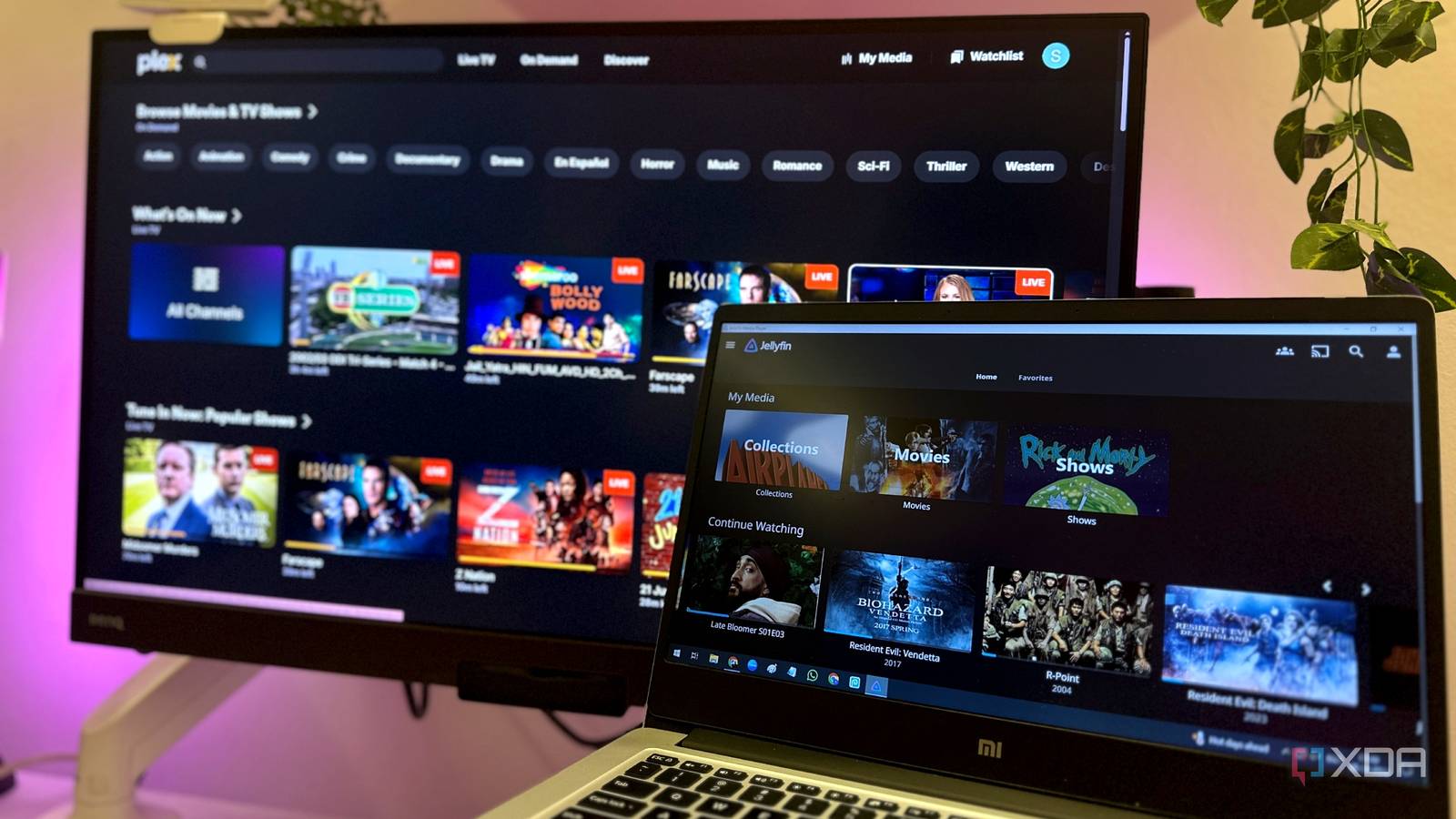
The most immediate consequence of the price hike has been a surge in interest for open-source alternatives, most notably Jellyfin. Because Jellyfin is entirely free, open-source, and lacks a corporate subscription model, it has become the primary destination for users looking to exit the Plex ecosystem. Unlike Plex, which requires a subscription for hardware-accelerated transcoding, Jellyfin provides these features out of the box at no cost.

2. The "Subscription Fatigue" Factor
Modern consumers are currently navigating a "subscription fatigue" crisis, where every service—from smart home hardware to kitchen appliances—requires a monthly or annual fee to maintain full functionality. By raising the Lifetime pass to such an extreme level, Plex is essentially signaling that it wants to move users toward a model where the software is treated as a service rather than a product. For many users, this is a bridge too far.
3. Evaluating Value Over Time
For a user to justify the $749.99 price tag, they must compare it to the alternatives. If the annual pass costs $69.99, the Lifetime pass at $749.99 is equivalent to roughly 10.7 years of subscription. If a user plans to stay with the platform for over a decade, the Lifetime pass remains the mathematically superior choice. However, the risk lies in the uncertainty of the software’s future. If the platform evolves, loses features, or if the user eventually decides to migrate to a different software solution, the $749.99 investment becomes a "sunk cost" that cannot be recovered.
Technical Considerations: Plex vs. The Competition
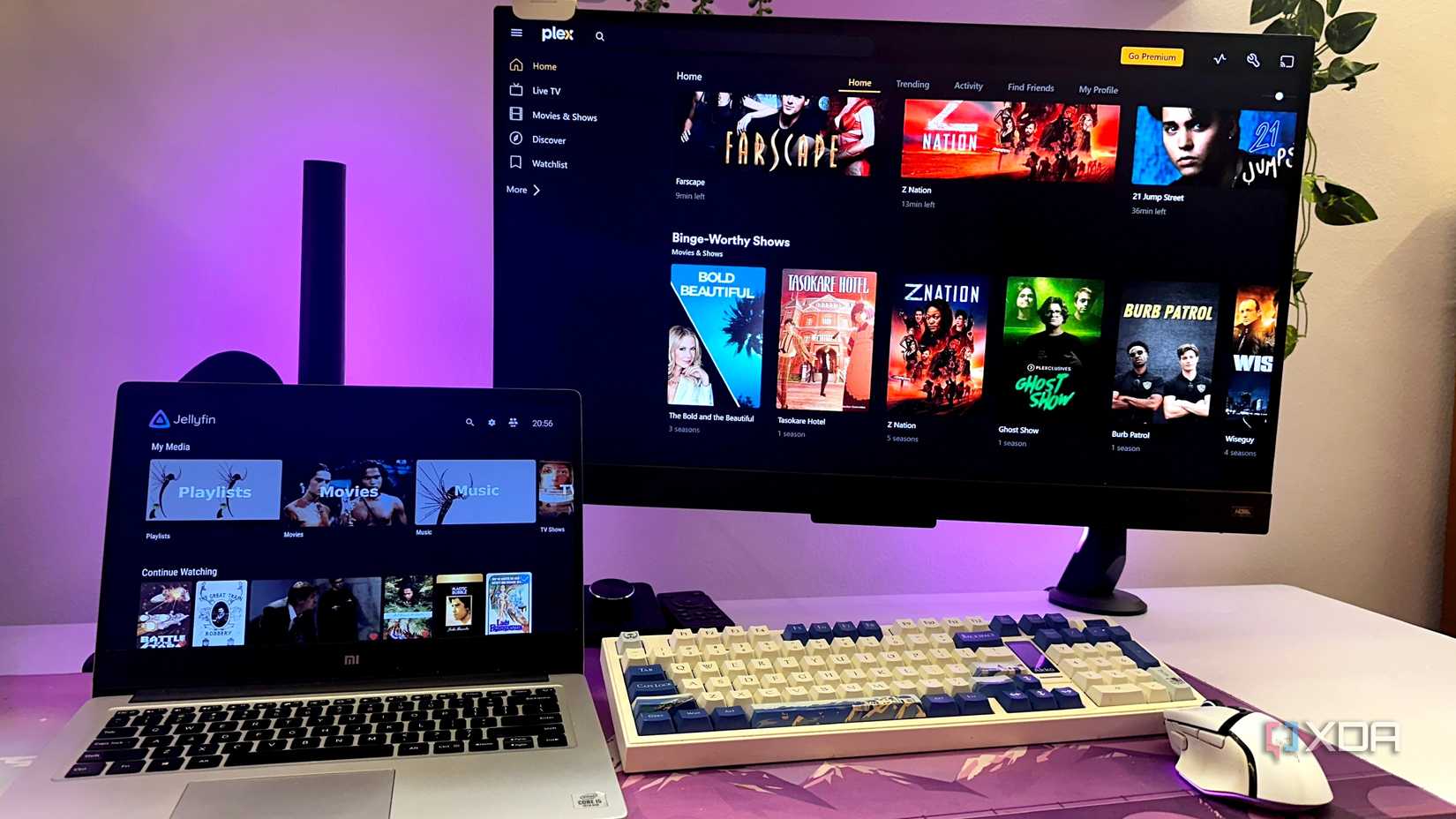
While Plex continues to offer a polished, user-friendly experience that is often superior to its competitors, the technical gap is narrowing. Jellyfin has made massive strides in its UI, mobile app performance, and ease of deployment via Docker and Proxmox containers.
For many users, the "Plex Tax" was worth paying for the convenience of one-click setup and native app support on smart TVs. However, as the cost of that convenience climbs, the trade-off becomes increasingly difficult to justify. The technical burden of moving a media library from Plex to another platform is non-trivial—involving the migration of databases, metadata, and user watch-history—but the current pricing environment is making that migration look more attractive to long-time power users.
Future Outlook: Can Plex Maintain Its Dominance?
Plex finds itself in a precarious position. While it remains the most recognizable name in home media servers, it risks alienating the very community that provided the word-of-mouth marketing necessary for its early success.
The introduction of the 5-year plan is a clear tactical retreat, a way to keep users in the fold without needing to commit to the prohibitively expensive lifetime tier. Whether this will be enough to stem the tide of users moving to free, open-source alternatives remains to be seen.
Ultimately, the market will dictate the success of this strategy. If users continue to pay for the 5-year and lifetime passes, the company will have validated its premium positioning. If, however, they see a mass exodus of their most dedicated power users toward open-source solutions like Jellyfin or Emby, the company may find itself forced to reconsider its pricing strategy in the coming years.
For now, the era of the "affordable lifetime media server" is effectively over. Users are now left to decide exactly how much they value the convenience of the Plex ecosystem versus the independence and cost-efficiency of self-hosted alternatives. One thing is certain: the conversation surrounding home media management has never been more contentious, or more important, for the digital archivist.











