

By D Figg | July 9, 2026
Audi has long been the gold standard for blending sophisticated design, high-performance engineering, and everyday comfort. As the vanguard of the Volkswagen Group’s luxury portfolio, Audi was the first of the "Big Three" German manufacturers to deliver a true, world-class supercar in the form of the R8. However, even the most prestigious automotive marques have their Achilles’ heels.
During my tenure as an automotive apprentice specializing in Volkswagen Group brands, I witnessed the lifecycle of the MLB Evo platform and its predecessors. While many Audi models offer a sublime driving experience, the maintenance requirements for certain engine architectures can be punishing. Today, as a valuations expert for luxury showrooms in Dubai, I have transitioned from the grease-stained garage to the boardroom, but the technical realities remain the same. While newer models currently under warranty are outside the scope of this analysis, several previous-generation engines have earned a reputation for being particularly high-maintenance. For the prospective buyer, understanding these mechanical pitfalls is the difference between an automotive dream and a financial nightmare.
The Technical Landscape: Understanding FSI and TFSI
To navigate the Audi landscape, one must first master the terminology. The labels "FSI" and "TFSI" are ubiquitous, found on virtually every gasoline-powered Audi on the road today.
- FSI (Fuel Stratified Injection): This is Audi’s branding for gasoline direct injection. By injecting fuel directly into the combustion chamber rather than the intake manifold, these engines achieve superior cooling. This process mitigates "knocking"—the random, pre-mature combustion caused by hot spots—allowing for higher compression ratios and greater efficiency.
- TFSI (Turbocharged Fuel Stratified Injection): As the name suggests, the "T" denotes forced induction. Audi was a global pioneer in this field, successfully mating FSI technology with turbocharging as early as 2004. By 2009, this combination became the standard for the brand’s entire gasoline lineup.
1. The EA888 Gen 1/2: 2.0 TFSI
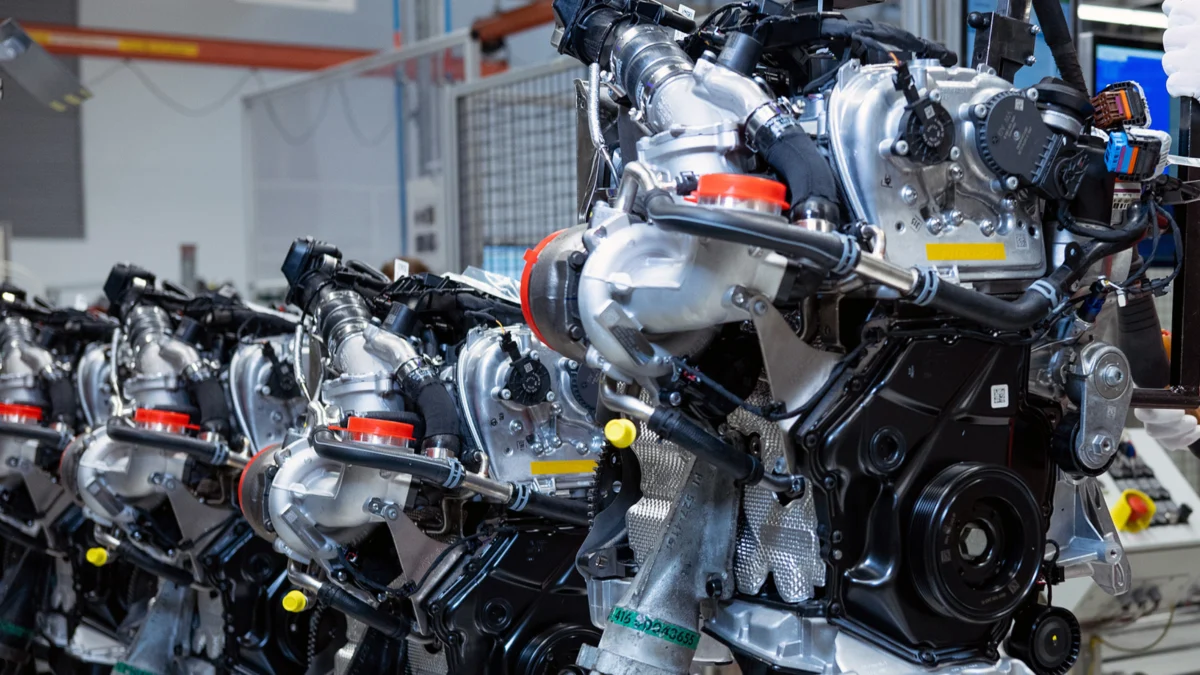
The 2.0 TFSI (EA888) is perhaps the most famous—and infamous—engine in the Audi stable. Spanning from 2005 to 2015, this unit powered the A4, A5, and Q5. While it offered a respectable 211 hp, it is frequently remembered for two catastrophic flaws: extreme oil consumption and premature timing chain failure.
The oil consumption issue, which in some cases reached one quart per 1,000 miles, was traced back to poorly designed piston rings with inadequate drainage. These microscopic leaks resulted in severe oil starvation. Furthermore, the timing chain tensioner—a component located in a difficult-to-service area near the firewall—was prone to failure, often leading to total engine destruction. The severity of these issues was such that they became the subject of a major class-action lawsuit in 2026.
2. The 1.8 TFSI (EA888)
Often overshadowed by its 2.0-liter sibling, the 1.8 TFSI (EA888) shared many of the same design defects. Found in the B8 chassis, this engine was notorious for "gobbling" timing chains, characterized by the unmistakable "rattle-rattle" during cold starts. While the third-generation EA888 introduced in the B8.5 chassis resolved many of these issues, owners of early B8 models often find themselves facing expensive, recurring maintenance cycles.
3. The 4.0 TFSI V8 (EA824: CEUC & CTGE)
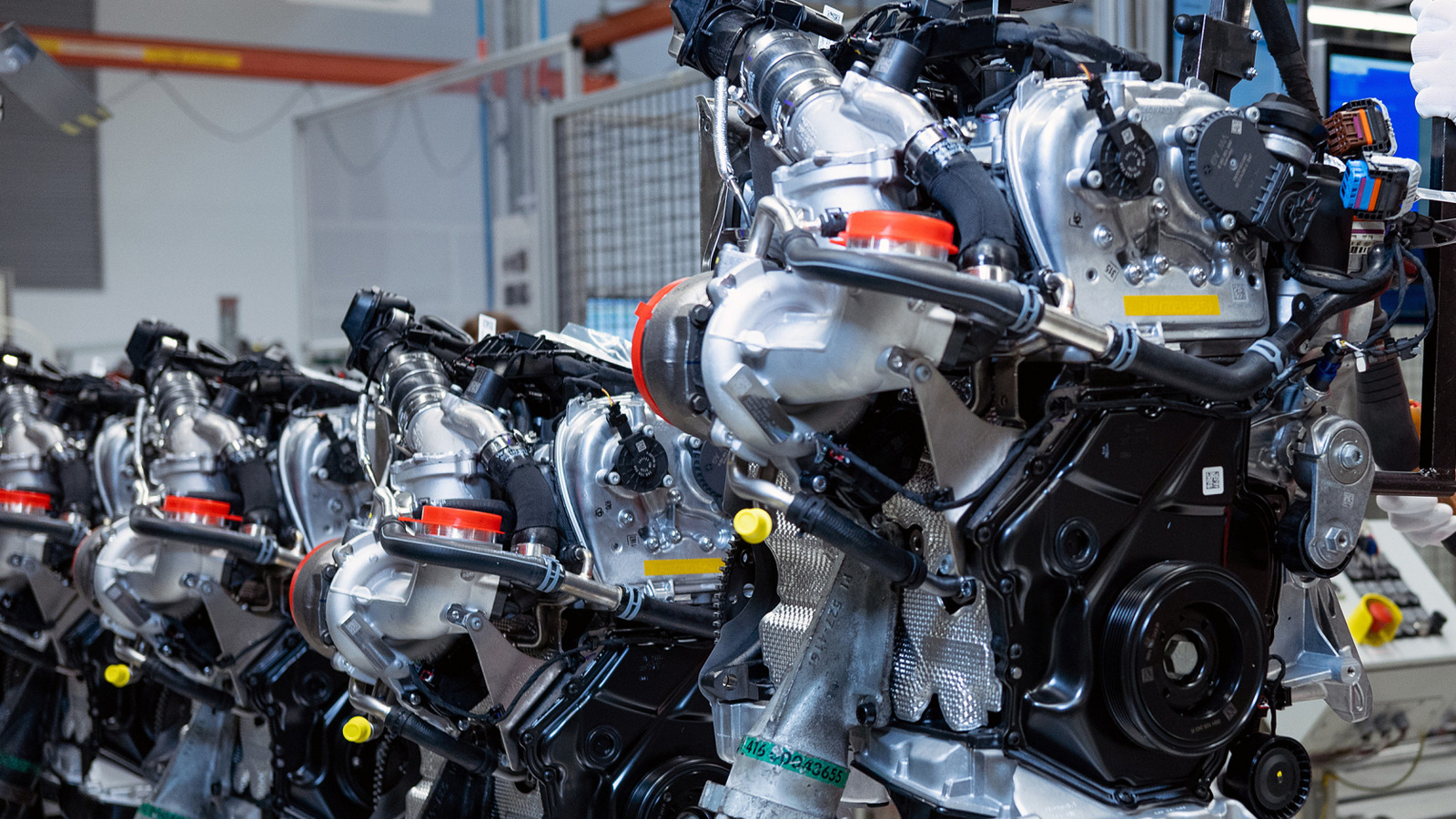
The 4.0-liter V8, specifically the CEUC internal engine code, is a powerhouse found in the C7-generation RS6 and RS7. While it produced a staggering 605 hp, it was plagued by a design flaw involving the turbocharger oil supply. Over time, the internal mesh screens could clog, leading to oil starvation and the shedding of metal debris into the engine internals. These "engine-out" repairs are among the most expensive in the automotive industry, effectively rendering many of these vehicles liabilities once their extended warranties expire.
4. The 4.2 FSI V8 (B-Series)
Often confused with the naturally aspirated V8 found in the Audi R8, the 4.2 FSI used in models like the RS4, RS5, and Q7 presents a different set of challenges. While not as inherently "unreliable" as the EA888, it is a masterclass in poor packaging. The engine’s layout is notoriously inaccessible, meaning that simple maintenance—such as replacing timing chain guides or engine mounts—requires the entire engine to be removed from the vehicle. When combined with common issues like carbon buildup and intake manifold failures, the labor costs alone often exceed the value of the car.
5. The EA111 Family: 1.4 and 1.2 TFSI
The EA111 engine family, shared across the Audi A1, A3, and Volkswagen Golf, represents the entry-level tier of the Audi experience. While these engines are efficient, they suffer from chronic timing chain stretch and water pump failures. Because these vehicles are often the most affordable used Audis on the market, many buyers are lured by the low purchase price, only to be blindsided by the cost of correcting these systemic mechanical failures.
Chronology of Issues
The prevalence of these problems follows a predictable timeline. When these vehicles were new, Audi’s extensive warranty programs—often extending to seven years for major components—effectively masked these issues from the secondary market. As these cars aged and exited the dealer-service network, independent mechanics began documenting the recurring nature of these failures. The "previous generation" status of these engines is critical; they are currently at the age where long-term ownership costs begin to skyrocket.
Supporting Data and Methodology
This analysis was conducted by cross-referencing owner feedback from major automotive forums with data from the National Highway Traffic Safety Administration (NHTSA) recall database. We also reviewed Audi’s internal self-study guides to confirm architectural consistency across model years. Pricing estimates were derived from nationwide classifieds, targeting low-mileage examples of the aforementioned generations to provide a realistic outlook on what a buyer can expect to pay for a "well-maintained" vehicle.
Official Responses and Industry Implications
Audi has historically addressed these issues through "service campaigns" rather than mass recalls, often covering repairs for customers who specifically reported symptoms while under warranty. However, for the second- or third-hand owner, these programs are often non-transferable.
The implication for the consumer is clear: luxury engineering comes with luxury maintenance expectations. The "Audi experience" is peerless in terms of driving dynamics, but that experience is inextricably linked to the machine’s health.
Final Thoughts for the Prospective Buyer
If you are considering an Audi from the 2010s, it is imperative to look past the badge and the performance specs. A $7,000 Audi A3 may seem like a bargain, but it is often priced low precisely because the owner has reached the limit of their tolerance for the EA111’s quirks.
If you must have one of these models, follow the "Golden Rule" of German luxury ownership: Budget for the repair before you buy the car. If you do not have the liquid capital to handle an unexpected engine-out service, these models are best admired from the sidewalk rather than the driver’s seat. For those who choose to proceed, prioritize models with meticulous service records, specifically those that have already undergone timing chain and water pump replacements, as these are not "if" issues—they are "when" issues.











