

The long-awaited arrival of Subnautica 2 has once again plunged players into the mysterious, awe-inspiring, and often perilous depths of an alien ocean. Developed by Unknown Worlds Entertainment and powered by the cutting-edge Unreal Engine 5, the sequel expands upon the survival-horror foundations that defined its predecessor. While the core gameplay loop remains anchored in exploration and resource management, the early-game progression path—specifically regarding the acquisition of essential tools—has been refined to encourage deeper environmental interaction.
For many players, the Habitat Builder stands as the most critical early-game milestone. Without it, your ability to establish a permanent base of operations remains non-existent. However, unlike basic resources, this tool is not simply found in a crate; it requires a systematic approach to scanning and crafting. This guide breaks down the precise steps, strategic considerations, and logistical requirements to secure your Habitat Builder and begin your life beneath the waves.
The Strategic Importance of the Habitat Builder
In Subnautica 2, the Habitat Builder is more than a convenience; it is a survival imperative. As the game’s environment introduces more complex weather patterns and deeper, high-pressure biomes, relying on temporary oxygen sources becomes a death sentence. The Habitat Builder allows players to construct structural modules, life-support systems, and storage arrays.
Acquiring this tool is a gateway to the mid-game, effectively moving the player from a "nomadic scavenger" to a "settled researcher." Because the game places a higher emphasis on co-op mechanics this time around, coordinating with teammates to secure these blueprints early can significantly accelerate your team’s expansion and safety.

Chronology of Acquisition: A Step-by-Step Walkthrough
To obtain the Habitat Builder, players must adhere to a strict progression of tasks. You cannot simply build the tool; you must first understand it, and to understand it, you must find evidence of its existence in the wreckage of your environment.
Phase 1: The Scanner Tool
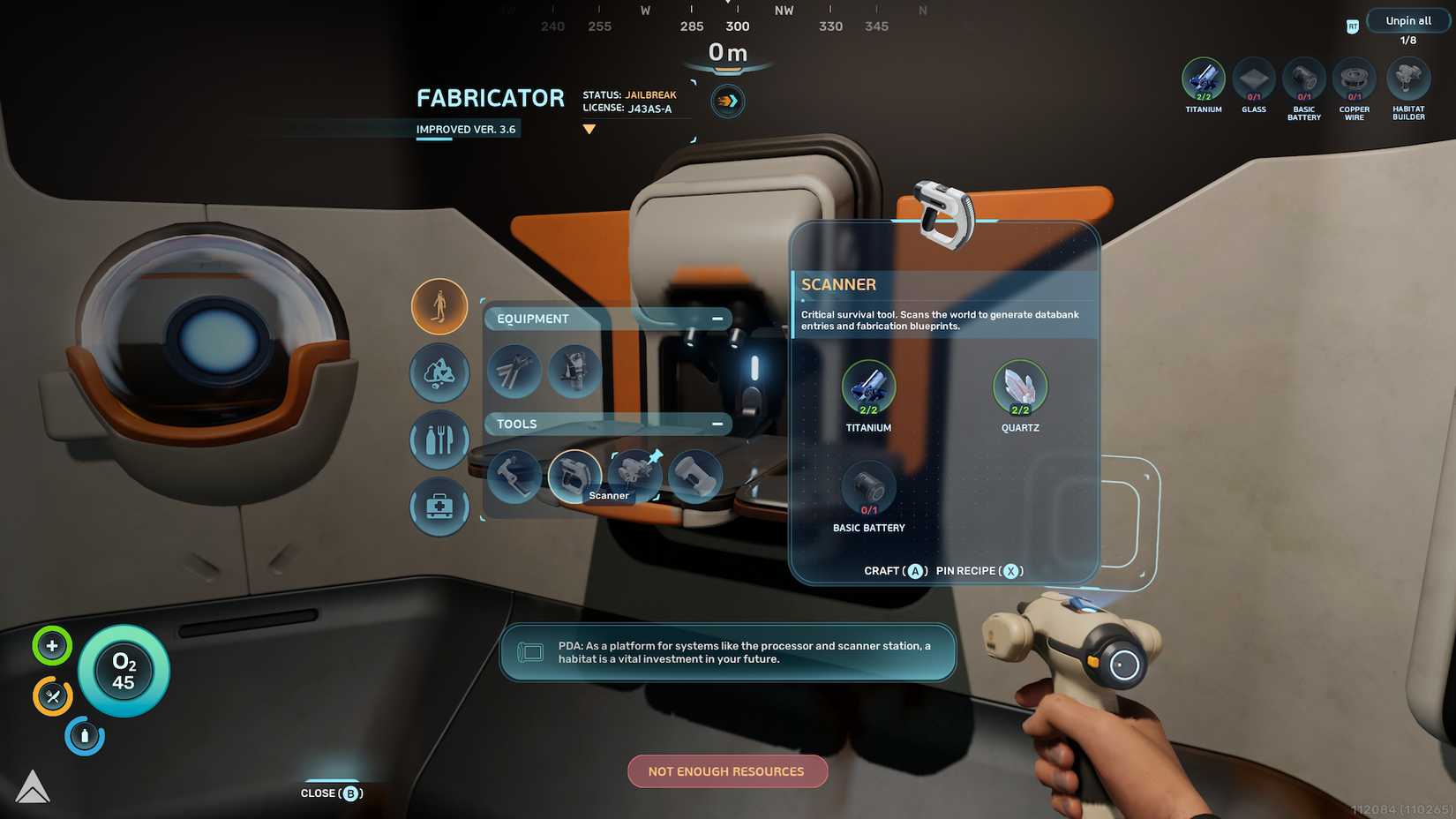
Before you can even consider the Habitat Builder, you must secure the Scanner. This device is the backbone of your technological advancement.

- Gathering Raw Materials: The Scanner requires basic components found in the immediate vicinity of your landing zone. You will need:
- 1 Battery: Crafted using two Acid Mushrooms and one Copper Ore.
- 1 Titanium: Obtained by refining Metal Salvage or harvesting limestone outcrops.
- Fabrication: Locate your nearest Fabricator—usually found within your starting escape pod—and assemble the Scanner.
- Utility: Once equipped, the Scanner allows you to "analyze" fragments of advanced technology. In Subnautica 2, the world is littered with the remains of previous expeditions; scanning these remnants is the only way to unlock blueprints for your own manufacturing.
Phase 2: Locating the Habitat Builder Fragments
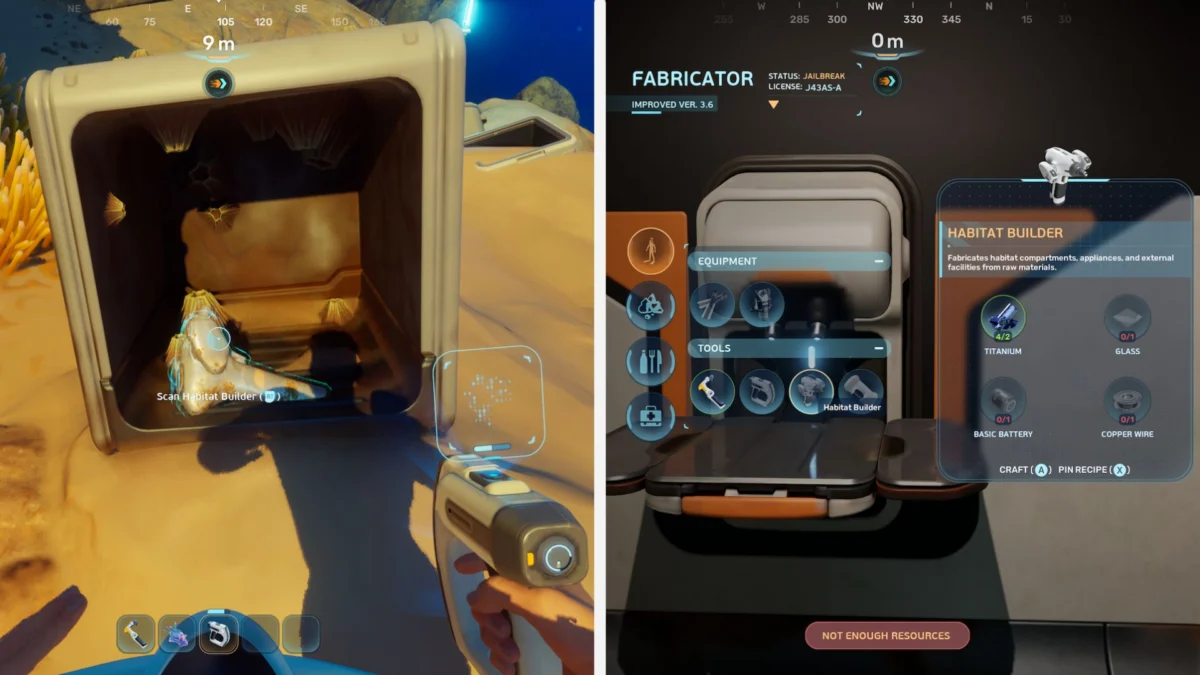
With the Scanner in hand, the search for the Habitat Builder begins. You are looking for two distinct, broken fragments of the tool.
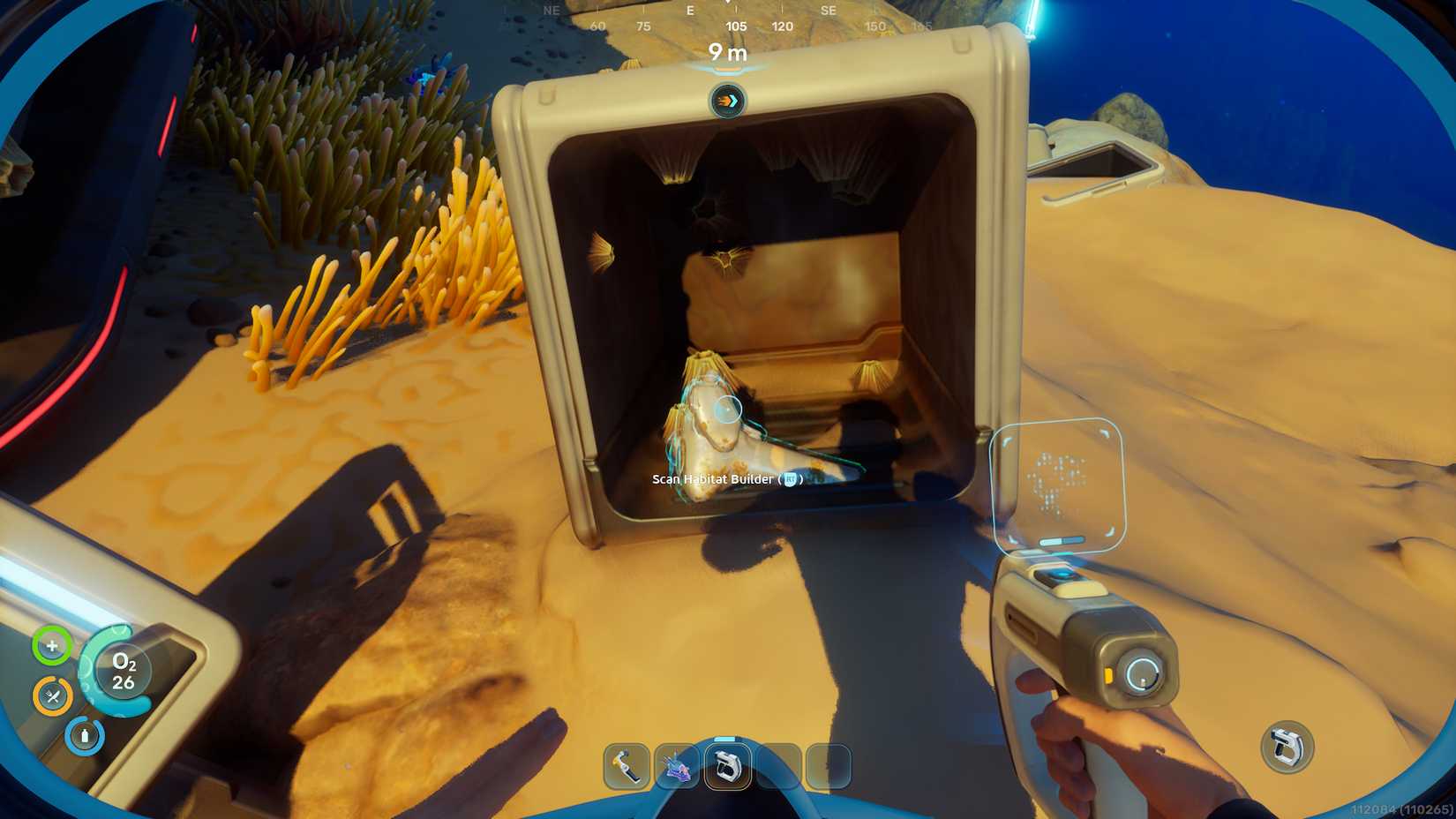
- Environmental Cues: Do not expect these fragments to be marked on your HUD. They appear as degraded, non-functional versions of the tool. They are most commonly located near shipwrecks, discarded supply pods, or abandoned research outposts.
- Scanning Protocol: Once you locate a fragment, equip your Scanner and hold the activation button until the progress bar completes.
- The Threshold: You must scan two unique fragments to fully unlock the blueprint in your PDA’s database. Once the second fragment is scanned, a notification will appear confirming that the "Habitat Builder Blueprint" has been added to your crafting library.
Phase 3: Resource Gathering and Final Assembly
Once the blueprint is secured, the final phase involves the actual manufacturing of the device. This requires a higher tier of resources compared to the Scanner.
- The Shopping List: You will need to source:
- 1 Computer Chip: A complex component that requires specific raw materials (typically Gold, Copper, and Coral Table Samples).
- 1 Wiring Kit: Crafted from silver ore.
- 1 Battery: As established in the first phase.
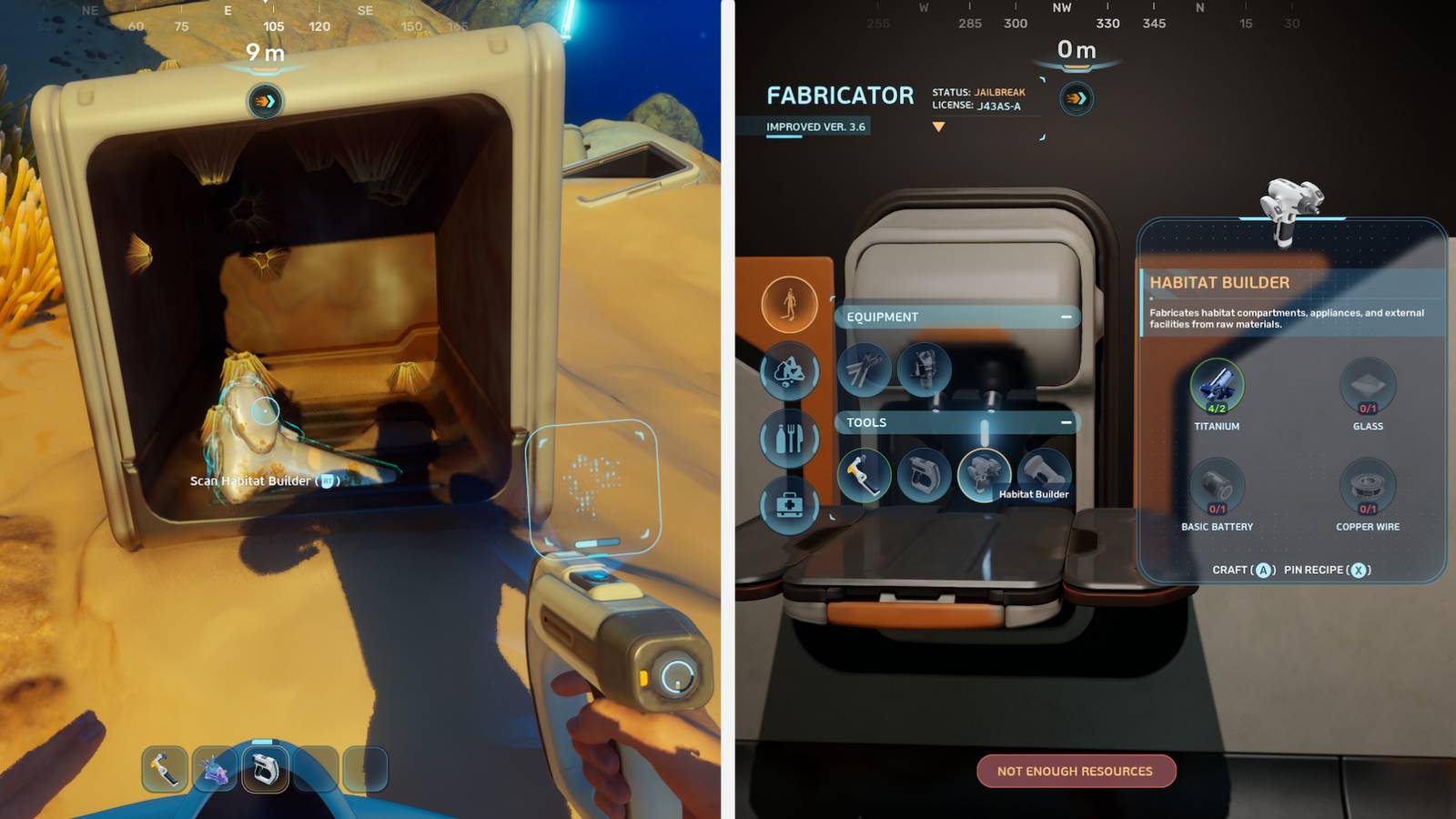
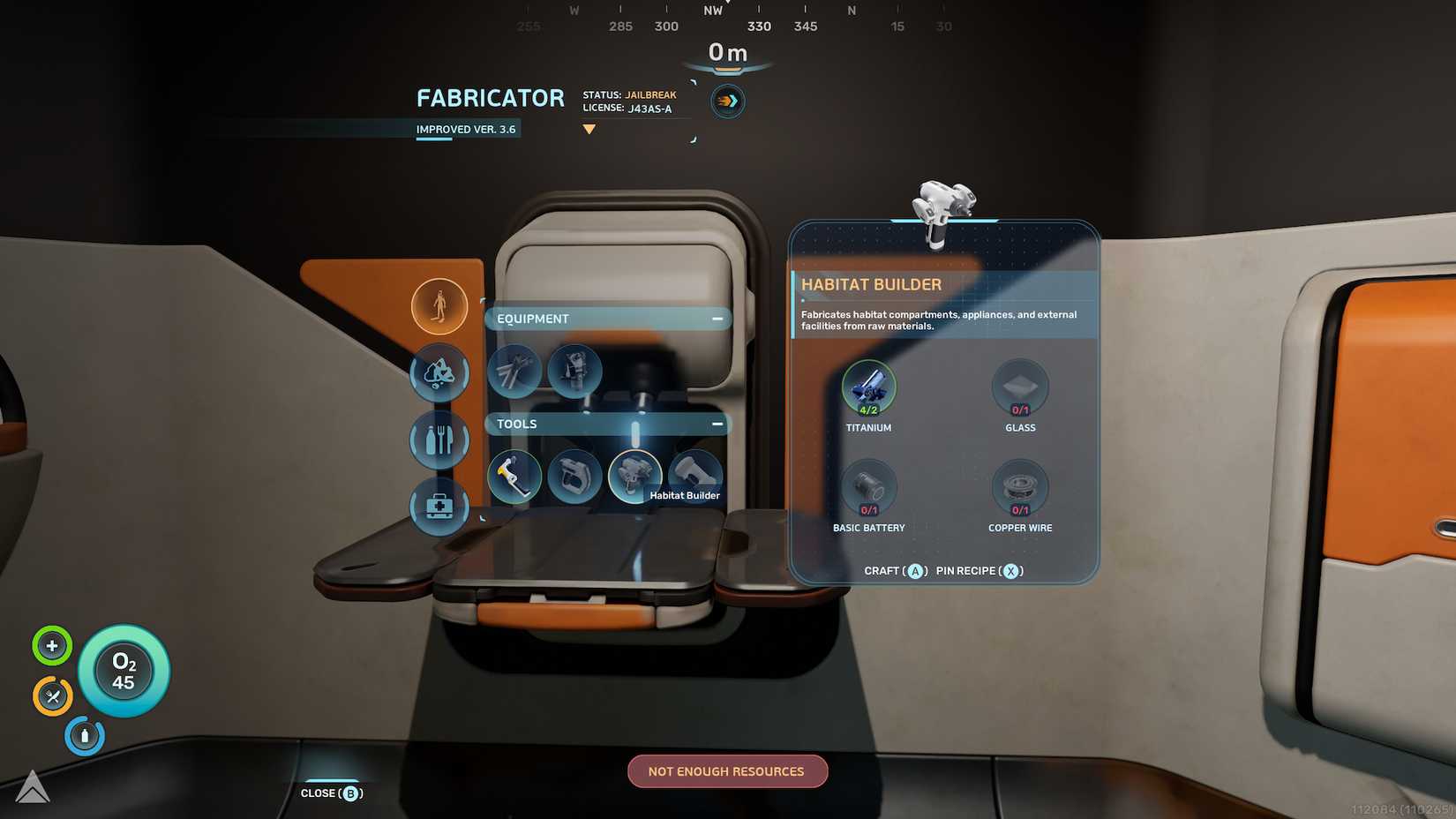
- Construction: Return to the Fabricator. Under the "Tools" tab, the Habitat Builder will now be available for selection. Once clicked, the machine will process your materials and output the tool.
Supporting Data: Efficiency and Resource Management
The transition from early-game scavenging to base construction is where many players falter due to poor inventory management.
Inventory Optimization
Inventory space is at a premium in the opening hours. When setting out to find the Habitat Builder fragments, it is highly recommended that you clear your inventory of unnecessary food or water, as the primary goal of this expedition is to maximize your time spent in the field.
Co-Op Synergy
If you are playing in a co-op session, the acquisition process becomes significantly more efficient. By designating one player as the "Scanner/Researcher" and another as the "Resource Gatherer," your team can secure the Habitat Builder in roughly half the time it would take a solo player. The shared PDA data allows both players to benefit from the blueprints found, meaning you only need to find the two fragments once.
Official Developer Insights and Game Mechanics
Unknown Worlds Entertainment has emphasized that Subnautica 2 is designed to reward "thoughtful play" over frantic grinding. By requiring the Scanner to be the precursor to the Habitat Builder, the developers are forcing players to engage with the narrative and environmental storytelling of the game.

According to the design team, the change to the blueprint system in this entry was intentional. By hiding the Habitat Builder behind a discovery mechanic rather than a simple craft-list, the game forces players to explore the dangerous, deeper waters where the most valuable wreckage is located. This creates a natural tension: do you venture into the dark, potentially dangerous depths for the sake of progression, or stay in the shallows and struggle with limited resources?
Implications for Gameplay: What Comes Next?
Once you have the Habitat Builder, the game effectively "opens up." The implications of this tool are massive:
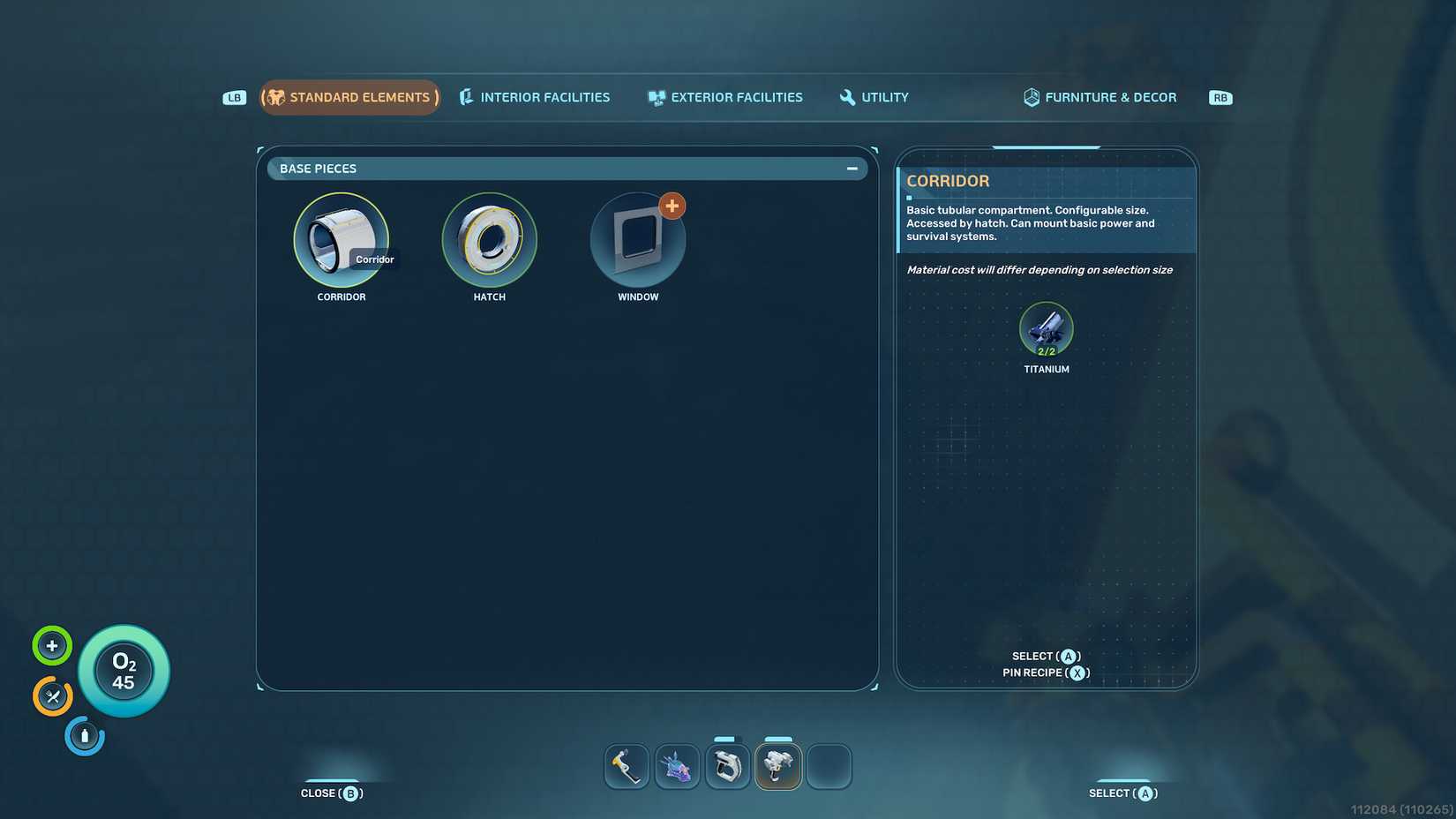
- Base Expansion: You can now create structural foundations, reinforced walls, and glass corridors. This is vital for managing "Integrity," a new mechanic in Subnautica 2 that determines whether your base can withstand the crushing pressure of deep-sea environments.
- Life Support: You can now build air pumps and pipes to extend your reach into cave systems, as well as bioreactors to power your base indefinitely.
- Interior Customization: The tool is not just for survival; it is for habitation. You can now build lockers, beds, and decorative items that help manage stress levels and provide a sense of home in an otherwise alien and hostile environment.
A Warning on Integrity
With great building power comes great responsibility. The game’s new engine handles water pressure and structural load with high precision. If you build too many windows or expand your base too rapidly without reinforcing the walls, your habitat will suffer structural failures. Always ensure you have a surplus of Titanium and Lithium to reinforce your base as it grows.
Conclusion
The path to obtaining the Habitat Builder in Subnautica 2 is a rite of passage. It tests your ability to prioritize tasks, manage your limited oxygen supply, and navigate the alien architecture of the seabed. By following the sequence of crafting the Scanner, locating the elusive wreckage fragments, and gathering the necessary advanced components, you transform from a survivor into a pioneer.
As you move forward, remember that the Habitat Builder is merely the first step. The deep ocean is vast, and the blueprints for even more advanced technology—such as the Prawn Suit or the Cyclops-class submersibles—are waiting to be discovered. Keep your eyes on the horizon, watch your oxygen levels, and, above all, keep building. The ocean floor is yours to claim.
For more tips, tricks, and in-depth guides on surviving the perils of the planet 4546B, keep it locked to our ongoing Subnautica 2 coverage.












No comments yet. Be the first to join the conversation!