Reynand Wu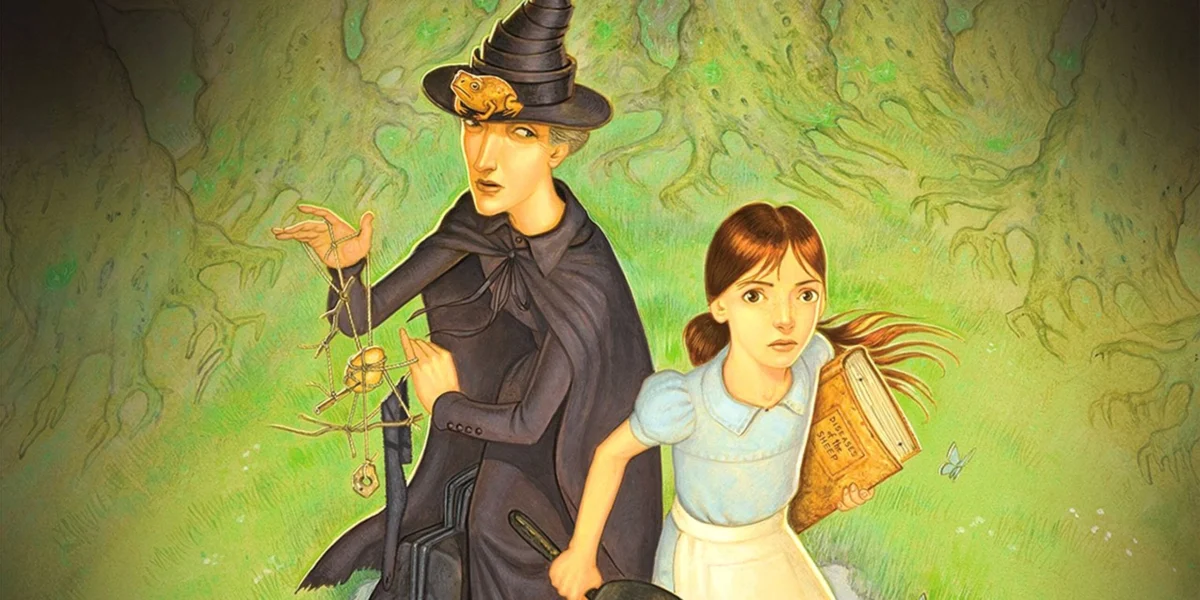
Fantasy is a genre of boundless ambition. At its best, it acts as a portal to realms where the laws of physics are rewritten, history is forged in dragon fire, and the human condition is explored through the lens of the impossible. Yet, the very qualities that make fantasy so appealing—its sprawling scope and intricate worldbuilding—can occasionally lead to pacing issues. The true mark of a masterpiece in this genre is the ability to maintain a relentless narrative momentum, ensuring that the reader remains tethered to the story from the opening hook to the final, often world-altering, resolution.
This article examines a curated selection of seminal fantasy works that excel in this regard. Whether through visceral character development, the slow reveal of ancient mysteries, or simply the sheer inventiveness of their settings, these novels represent the gold standard of immersive storytelling.
The Architecture of Immersion: Key Pillars of Compelling Fantasy
To understand why these specific books succeed, one must analyze the "pillars of immersion." A successful fantasy novel requires more than just a map in the front matter. It requires:
- Internal Consistency: Even in a world of magic, the rules must be ironclad. When a character’s power grows, it must feel earned through the established logic of the setting.
- The "Grounding" Effect: The most effective fantasy stories often use a relatable protagonist to navigate a high-concept world. This provides an anchor, allowing the reader to experience the "wonder" of the world alongside the character.
- Narrative Velocity: The plot must progress in a way that respects the reader’s time, balancing moments of quiet character study with bursts of high-stakes conflict.
Chronological Journey Through Modern Fantasy
The following titles are not merely books; they are milestones in the evolution of modern speculative fiction.

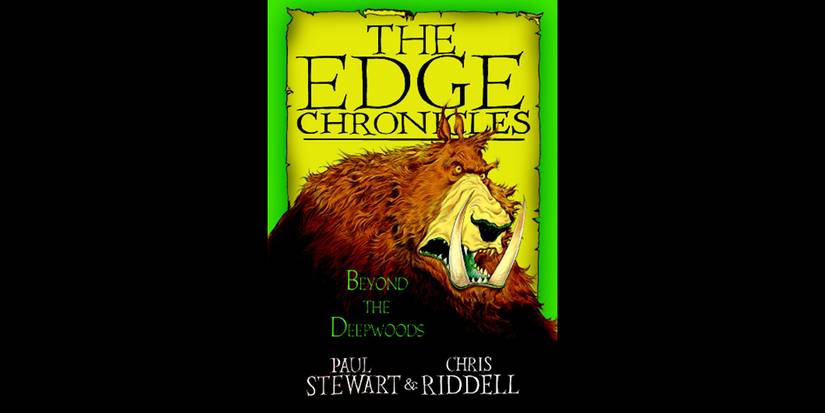
1. Beyond the Deepwoods (1998) – Paul Stewart and Chris Riddell
The Edge Chronicles began with a deceptively simple premise: a boy named Twig leaving his home to venture into the treacherous Deepwoods. What sets this apart is the symbiotic relationship between Paul Stewart’s prose and Chris Riddell’s haunting, detailed illustrations. It serves as a masterclass in worldbuilding through exploration. The reader learns the geography of the Edge at the same pace as Twig, making every discovery—from sky pirates to the ferocious wig-wigs—feel earned and dangerous.
2. Perdido Street Station (2000) – China Miéville
Miéville’s magnum opus is a love letter to the "weird." Set in the sprawling, grimy metropolis of New Crobuzon, the novel functions as a genre-mashing tour de force. It blends biological horror, political conspiracy, and steampunk sensibilities. By focusing on Isaac Dan der Grimnebulin, a scientist trying to solve a seemingly impossible problem, Miéville turns urban exploration into a high-stakes thriller.
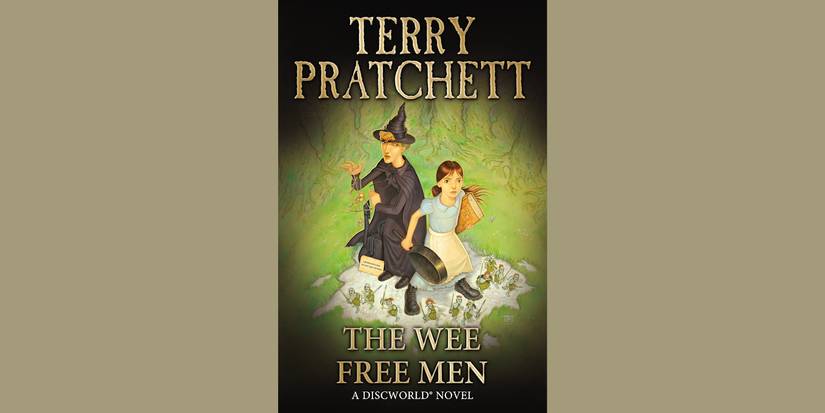
3. The Wee Free Men (2003) – Terry Pratchett
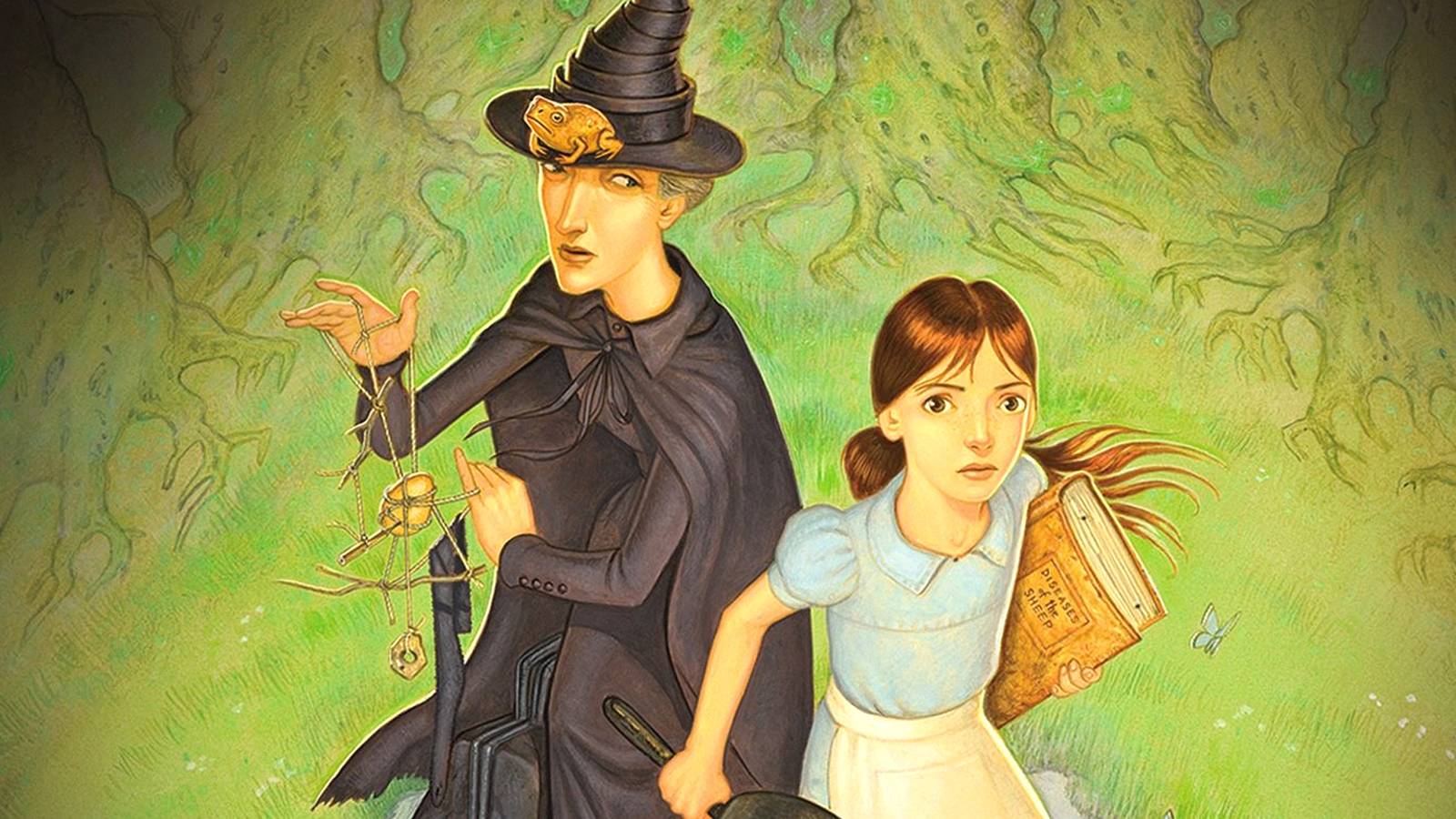
Terry Pratchett’s Discworld is vast, but the Tiffany Aching arc stands as perhaps his most profound work. Introducing a young, pragmatic girl to the absurdity of the Nac Mac Feegle—blue, six-inch-tall warriors—Pratchett deconstructs fairy tale tropes with surgical precision. The novel remains a triumph because it treats the transition into adulthood with as much weight as the battle against the Queen of Fairyland.
4. The Lies of Locke Lamora (2006) – Scott Lynch
If Perdido Street Station is about the environment, The Lies of Locke Lamora is about the rhythm of the con. Lynch transports the reader to a fantasy version of Venice, where the Gentleman Bastards pull off elaborate heists. It is a character-driven caper that relies on the quick-witted, reckless charisma of its protagonist to keep the reader guessing.
5. The Name of the Wind (2007) – Patrick Rothfuss
Rothfuss redefined the "hero’s journey" by framing it as a retrospective confession. Kvothe’s story—told in the present day by a man hiding in obscurity—is a tragedy disguised as an adventure. The magic system, "sympathy," is grounded in scientific rigor, which adds a unique layer of intellectual satisfaction to the reading experience.
6. The Way of Kings (2010) – Brandon Sanderson
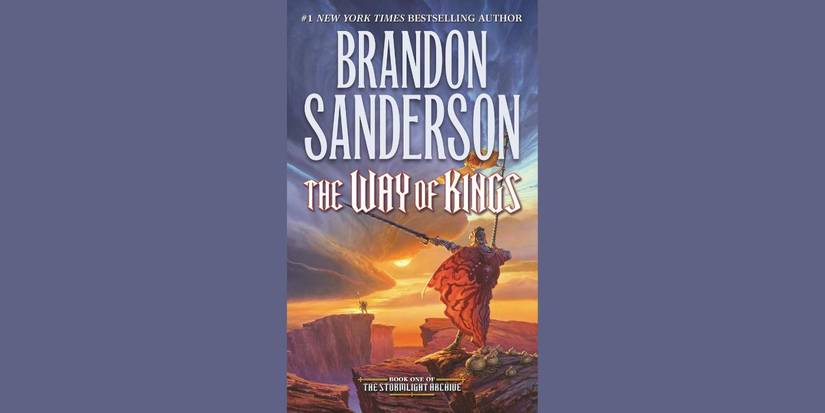
Sanderson’s Stormlight Archive is the definitive "door-stopper" of the 21st century. By establishing a world ravaged by massive, recurring storms, Sanderson creates a setting where survival itself is the primary conflict. The interplay between Kaladin, Shallan, and Dalinar creates a multi-layered narrative that rewards long-term reader investment.
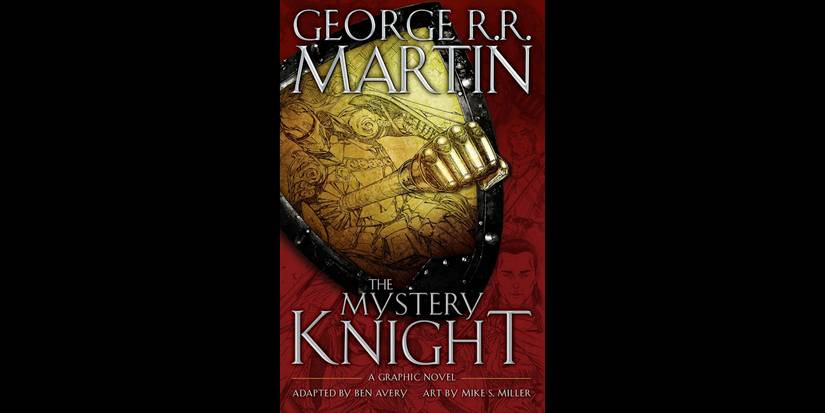
7. The Mystery Knight (2010) – George R.R. Martin
While fans wait for the conclusion of A Song of Ice and Fire, the Dunk and Egg novellas offer a necessary, smaller-scale view of Westeros. The Mystery Knight captures the essence of a hedge knight’s life—the mud, the politics, and the honor—with a clarity that the larger novels sometimes obscure.
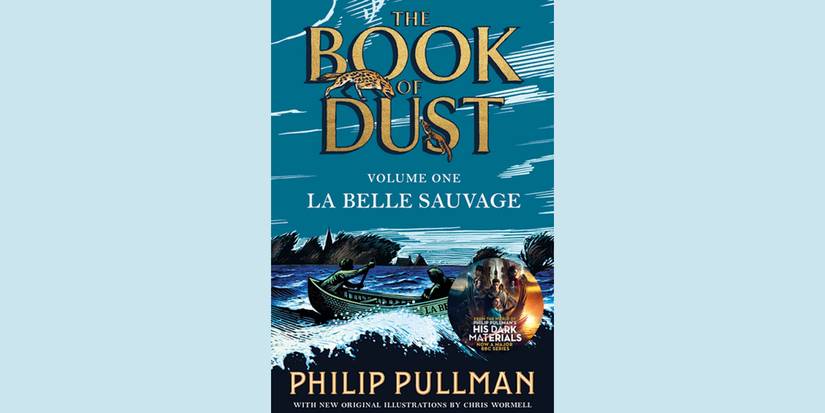
8. La Belle Sauvage (2017) – Philip Pullman
Returning to the world of His Dark Materials, Pullman proved that prequel narratives could hold their own weight. The story of Malcolm Polstead protecting the infant Lyra during a cataclysmic flood is an exercise in escalating tension. It bridges the gap between the philosophical wonder of the original trilogy and a new, more grounded perspective.
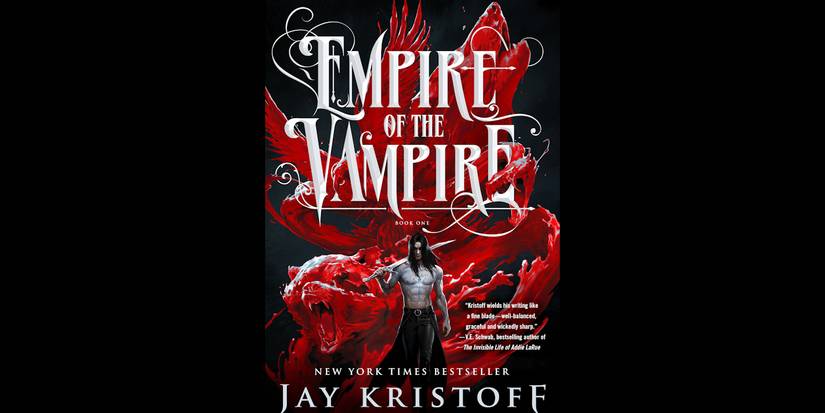
9. Empire of the Vampire (2021) – Jay Kristoff
Kristoff’s contribution to dark fantasy is a visceral, stylistic triumph. In a world where the sun has failed, the vampires have won. By using an unreliable narrator recounting his life from a prison cell, Kristoff keeps the reader questioning the morality of his protagonist, Gabriel de León, until the very last page.
10. King Sorrow (2025) – Joe Hill
The most recent addition to this list, Joe Hill’s King Sorrow, demonstrates the lineage of horror-fantasy. By centering the story on a pact with a dragon, Hill explores the psychological toll of trauma and the consequences of "easy" power. It is a bleak, beautiful, and terrifying look at the costs of survival.
Implications for the Genre: Why These Books Matter
The lasting success of these titles suggests a shift in reader preference. Modern audiences are moving away from the "chosen one" tropes of the mid-20th century and toward stories that emphasize:
- Complexity of Consequence: Characters are no longer protected by plot armor; their choices have permanent, often tragic, effects on their world.
- Moral Ambiguity: The line between hero and villain has blurred. Protagonists like Locke Lamora or Gabriel de León operate in the grey, making them more human and relatable.
- Worldbuilding as Character: The setting is no longer a backdrop. In Perdido Street Station or The Way of Kings, the environment acts as a primary antagonist, shaping the characters’ motivations and limitations.
Final Thoughts: The Ongoing Evolution of Fantasy
The fantasy genre continues to grow because it is uniquely equipped to handle the anxieties of the contemporary world. Whether it is the climate dread reflected in the storms of Roshar or the socio-economic inequality depicted in New Crobuzon, these books offer more than just escapism. They offer a mirror.
As we look toward the future of the genre, the trend is clear: readers are seeking stories that respect their intelligence, challenge their perceptions, and refuse to provide easy answers. The books listed above remain the standard-bearers for this evolution, proving that when the craft is honed and the imagination is unleashed, fantasy can be the most potent form of literature in existence.
For the reader looking to lose themselves, the journey is not just about the destination—it is about the path, the people you meet along the way, and the magic you discover hidden in the margins of the world.


 Nana Muazin
 Nana
Nana