

By Editorial Staff
As The Boys approaches its highly anticipated series finale, the penultimate episode, "The Frenchman, the Female, and the Man Called Mother’s Milk," has effectively bridged the gap between the flagship show and its spin-off, Gen V. By integrating characters like Marie Moreau and Jordan Li into the grim, high-stakes reality of Season 5, the series is not only wrapping up character arcs but setting the board for a final confrontation that questions the very nature of heroism in a world dominated by Vought’s propaganda machine.
The State of the Resistance: A Year of Cynicism
To understand the significance of this crossover, one must look at the timeline. Season 4 concluded with Starlight (Erin Moriarty) fleeing from Homelander’s (Antony Starr) tightening grip on the United States. When Season 5 premiered, a full year had passed, and the resistance—the "Starlighters"—had been effectively dismantled.
Annie January, once the beacon of hope for the franchise, began the final season in a state of deep, soul-crushing cynicism. Her efforts to mobilize a public resistance had resulted in little more than death and displacement for those who believed in her. This arc mirrors the broader theme of the series: the erosion of morality in the face of an absolute, untouchable tyrant.
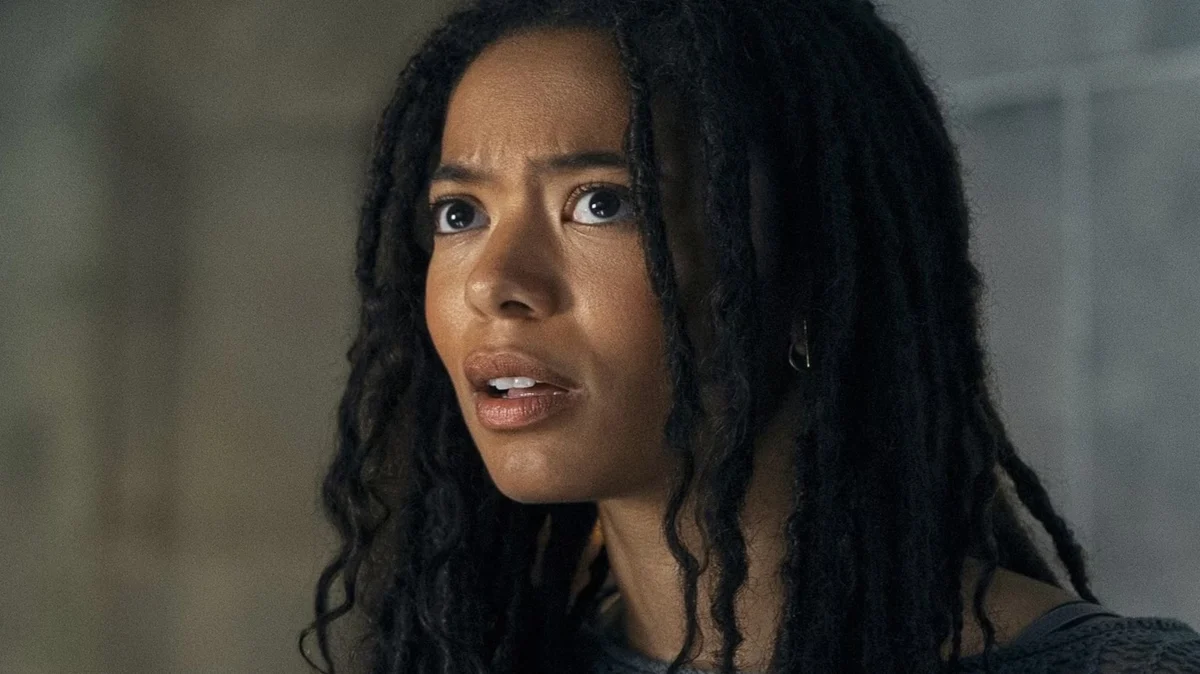
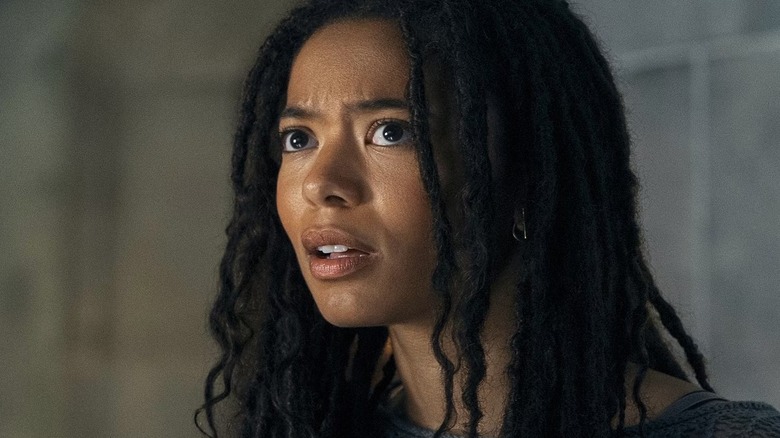
However, the arrival of the Gen V cohort—specifically Marie Moreau (Jaz Sinclair) and Jordan (London Thor/Derek Luh)—serves as a narrative mirror. These younger supes, whose own series was recently canceled, represent a version of Annie that hasn’t yet been completely broken by the cruelty of the Vought machine.
Chronology of the Crossover: A Meeting of Generations
The interaction between the two groups is pivotal. Marie and Jordan arrive with critical intelligence for Annie and Mother’s Milk (MM). At this stage in the narrative, Annie is at her lowest point. She has internalized the failure of her movement and is ready to abandon the fight entirely.
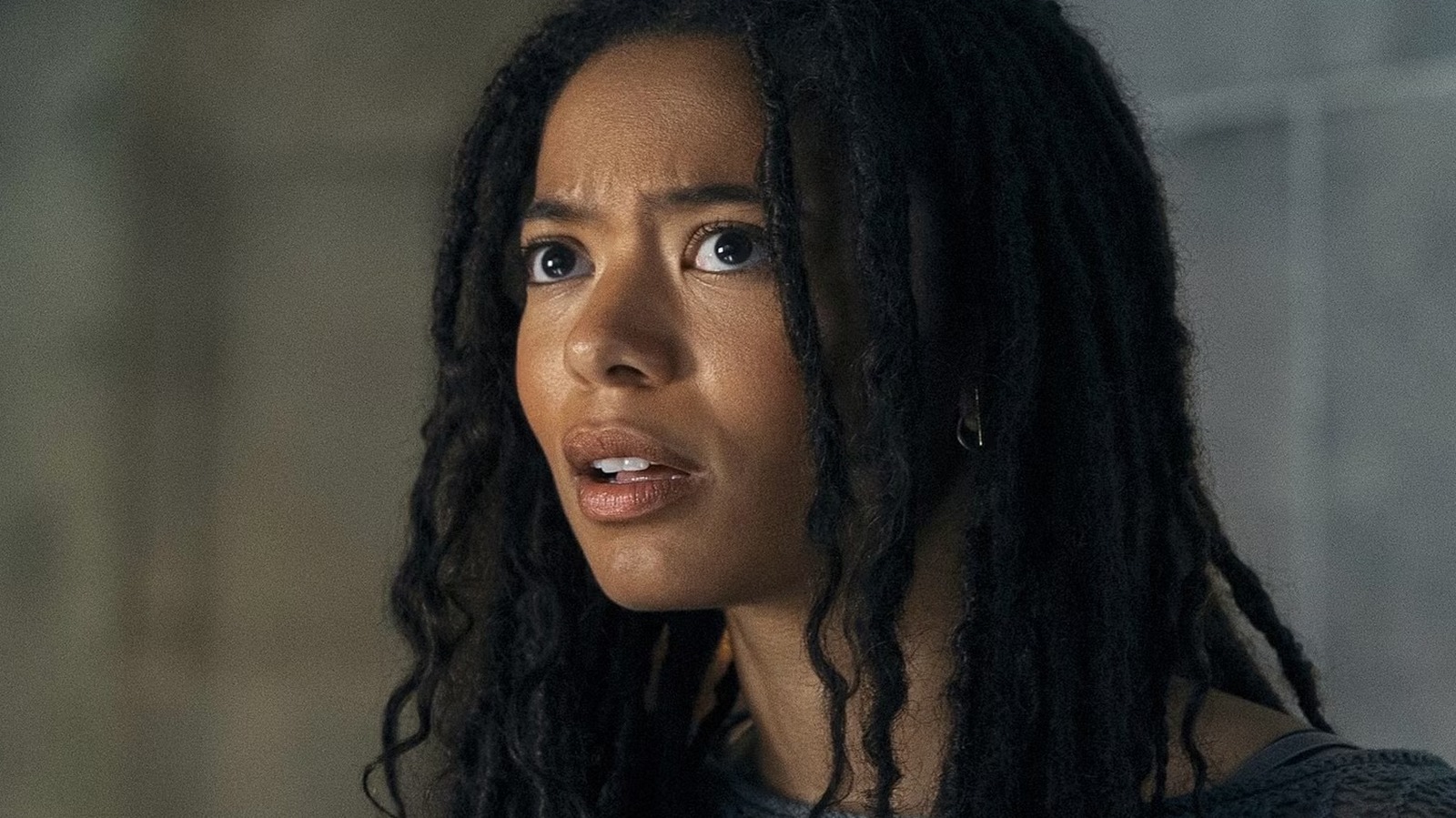
The pivotal exchange occurs when Annie dismisses the resistance as a fool’s errand. Marie, displaying a clarity born of her own traumatic experiences at Godolkin University, confronts Annie: "Since when did hopeful and naive become the same thing?"
This dialogue is the catalyst for the episode’s emotional climax. While infiltrating a screening of a Homelander propaganda film—a scene that underscores the cult-like devotion of the average citizen—Annie is forced to reconcile her cynicism with her innate desire to protect the innocent. Even as the audience cheers for the man who has arguably ruined their lives, Annie chooses to act when Homelander’s goons begin purging the crowd for insufficient loyalty. This act of reflexive heroism serves as the pivot point for her character, reminding her—and the audience—why she chose to be a hero in the first place.
Supporting Data: The Power Dynamics at Play
The inclusion of Marie Moreau is not merely a fan-service cameo; it touches on deep-seated lore established in Gen V Season 2. Former Vought CEO Stan Edgar previously revealed that Marie was a product of the same experimental pipeline that created Homelander.
MM notes that Marie possesses "Homelander-level strength," a claim Marie herself downplays. This creates a fascinating power dynamic. If Marie truly possesses the capacity to manipulate blood, the implications for the finale are massive. Could she, in theory, manipulate the Compound V in Homelander’s bloodstream?
Is Marie the "Kill Switch"?
While the theory is tempting, it faces significant hurdles. If blood manipulation were the simple, binary solution to the Homelander problem, the narrative tension of the final season would evaporate. Furthermore, the episode places more narrative weight on Kimiko’s (Karen Fukuhara) arc.
The Boys are currently exposing Kimiko to high levels of radiation, hoping to trigger a reaction similar to Soldier Boy’s (Jensen Ackles) power-dampening blast. This suggests that the show is positioning Kimiko, not Marie, as the primary instrument for stripping Homelander of his godhood. Marie’s role, therefore, appears to be thematic rather than tactical—serving as a bridge between the younger generation of supes and the weary veterans of the Boys.
Official Context and Narrative Implications
The integration of Gen V characters into The Boys serves as a poignant commentary on the cyclical nature of corruption. Gen V was defined by young supes attempting to maintain their integrity in an environment designed to commodify their morality. By bringing these characters into the final season of the flagship show, the writers are emphasizing that the fight against Vought is not just about killing Homelander—it is about preserving the very idea of a "hero" that isn’t bought and paid for.
The implications for the finale are clear:
- The Reclamation of Hope: Annie’s arc has come full circle. She has moved from a naive recruit in the Seven to a jaded fugitive, and finally to a leader who understands that heroism is a thankless, often ignored, but necessary duty.
- The Next Generation: By involving Marie and Jordan, the franchise leaves the door open for future iterations. These characters represent a future where supes might exist without the influence of Vought’s darkest experiments.
- The Endgame Strategy: The alliance between the Gen V survivors and the remaining members of the Boys indicates that the final battle will be a multi-front war, combining brute force (Kimiko’s potential powers) with intelligence and tactical support from the younger supes.
A Final Assessment: Why This Matters
The Boys has always been a deconstructionist work, tearing down the tropes of comic book heroism. However, by the end of this penultimate episode, the show is engaging in a reconstruction. It posits that while the world may be populated by monsters, the act of saving a life—regardless of whether that life deserves to be saved—is the only thing that separates the protagonist from the antagonist.
As we look toward the finale, the presence of the Gen V cast ensures that the ending will feel like a culmination of the entire "Vought Cinematic Universe." Whether or not Marie or Jordan ultimately strike the final blow, their influence on Annie’s resolve has already changed the trajectory of the series. The cynicism that defined the first half of the season has been replaced by a hardened, pragmatic determination.
In a world where Homelander has achieved a level of power that seems insurmountable—having secured the immortality-granting V-One—the resistance has shifted from a fight for victory to a fight for the soul of the species. The crossover is not just a plot device; it is the emotional anchor that will likely hold the finale together, proving that even in the darkest corners of Vought’s laboratory, the seeds of genuine heroism can still grow.
As streaming audiences prepare for the series conclusion, the message is clear: The Boys are no longer just fighting for themselves; they are fighting to ensure that the next generation of superhumans doesn’t follow in Homelander’s blood-soaked footsteps. Whether they succeed or fail, the inclusion of the Gen V cast ensures that the legacy of this conflict will be felt for years to come.









No comments yet. Be the first to join the conversation!