Azzam Bilal Chamdy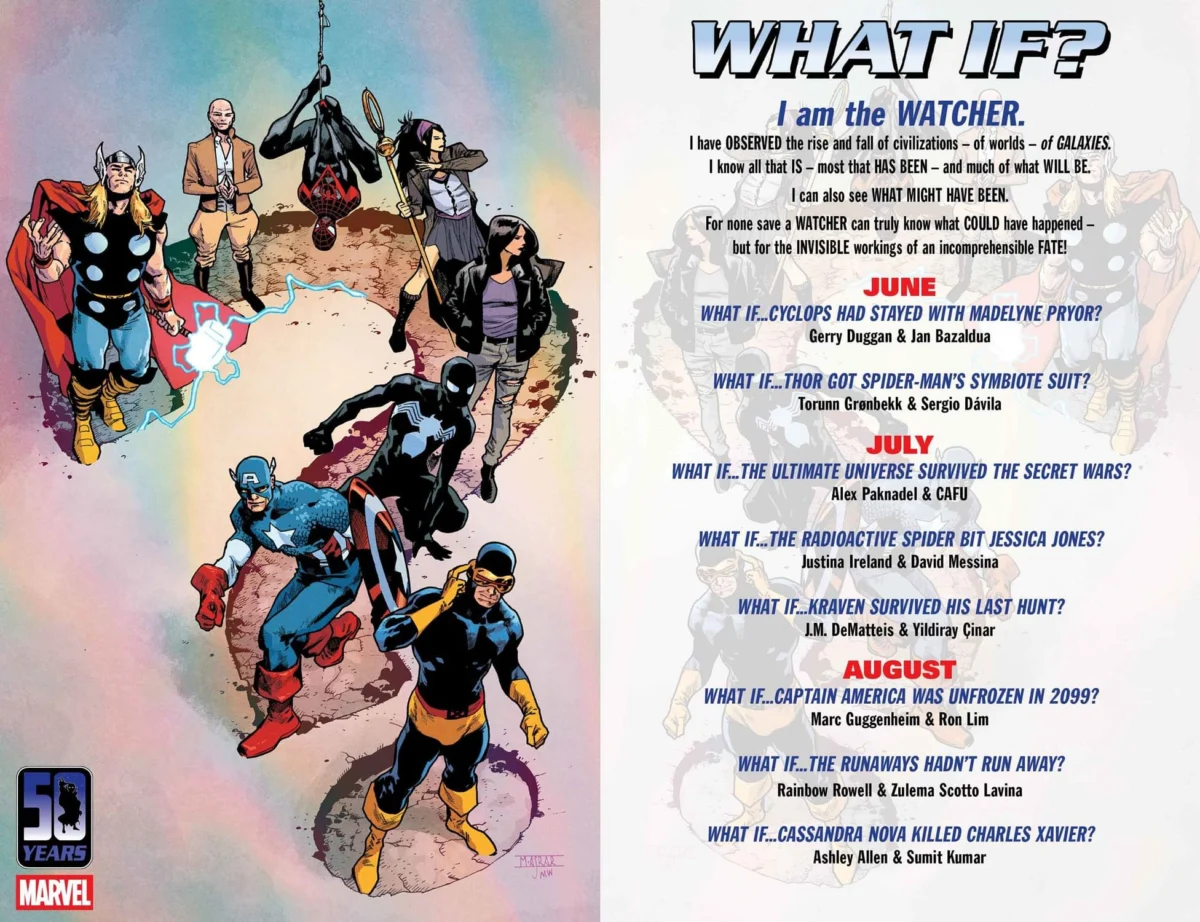
Marvel Comics has officially unveiled the highly anticipated August 2026 solicitations for their final set of 50th-anniversary What If? one-shots. Following the initial buzz generated by David Gabriel at ComicsPRO, these upcoming issues promise to explore some of the most haunting and provocative alternate-reality scenarios in the publisher’s history. From the dark halls of the Gibborim to the futuristic, unforgiving landscapes of 2099, the What If? line continues to serve as a crucible for Marvel’s most iconic character dynamics.
Main Facts: The Triple-Threat Lineup
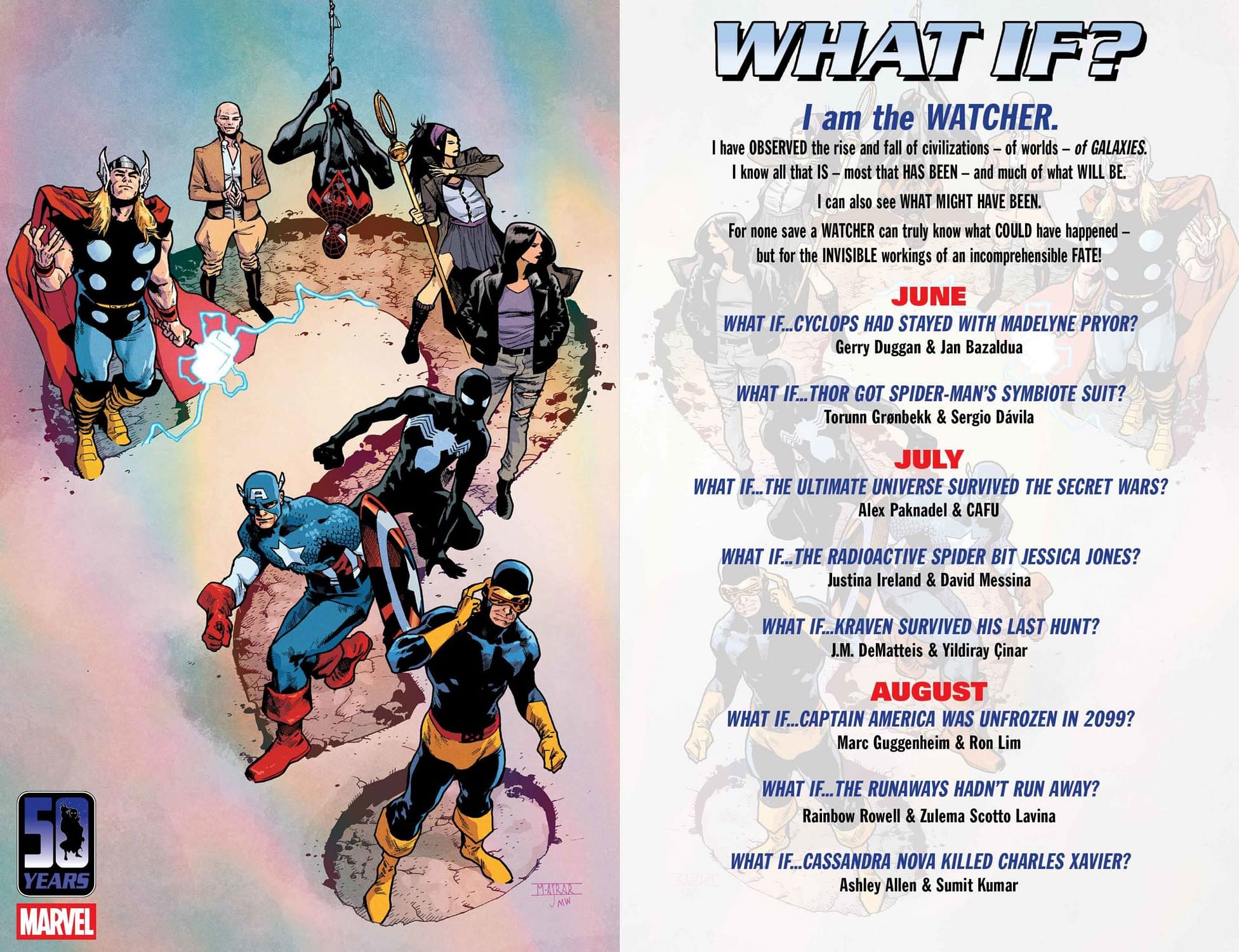
The August 2026 slate marks a climactic point for the What If? 50th-anniversary celebration. Marvel has tapped a mix of industry veterans and rising stars to helm these speculative tales. The three confirmed titles are:
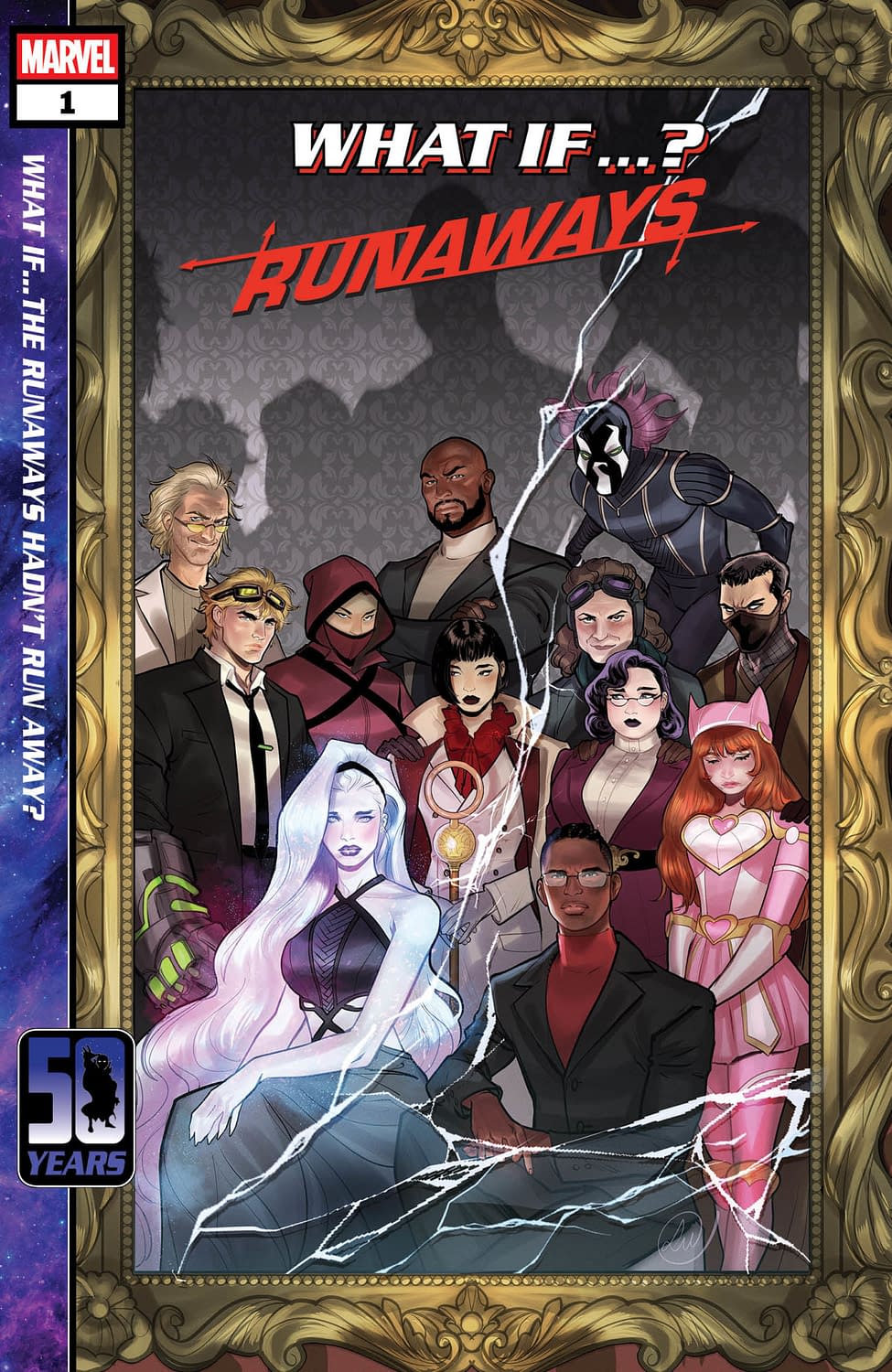
- What If… The Runaways Had Not Run Away? – Written by Rainbow Rowell with art by Zulema Scotto Lavina. This story tackles the fundamental premise of the beloved Brian K. Vaughan and Adrian Alphona series, asking what would have occurred had the teenage protagonists embraced, rather than rebelled against, their supervillain parents.
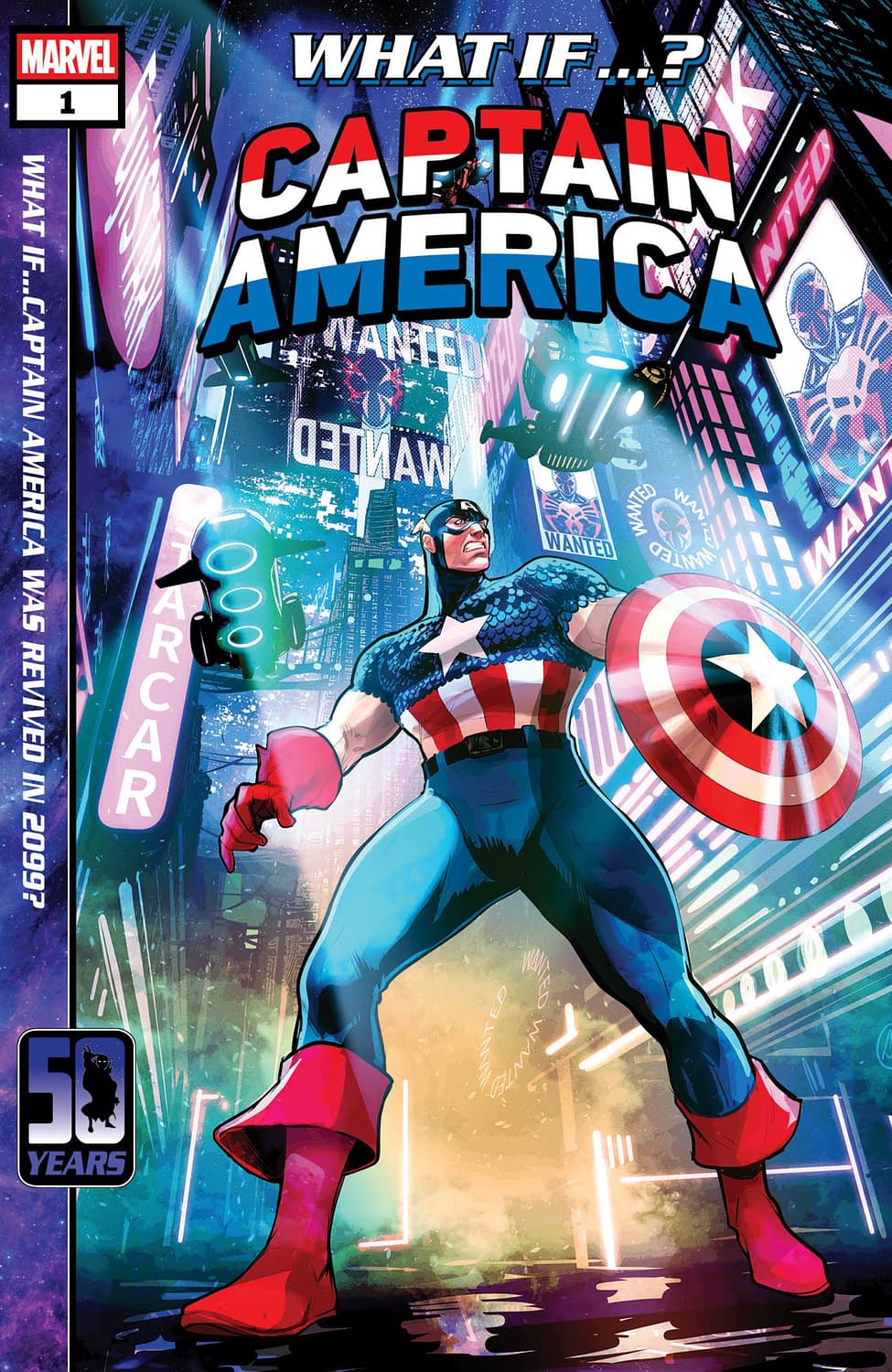
- What If… Captain America Was Revived in 2099? – Written by Marc Guggenheim with art by the legendary Ron Lim. This narrative explores a timeline where Steve Rogers remains frozen far past his expected thawing, leaving the 20th century without its primary sentinel and forcing a collision between the World War II hero and the dystopian future of 2099.
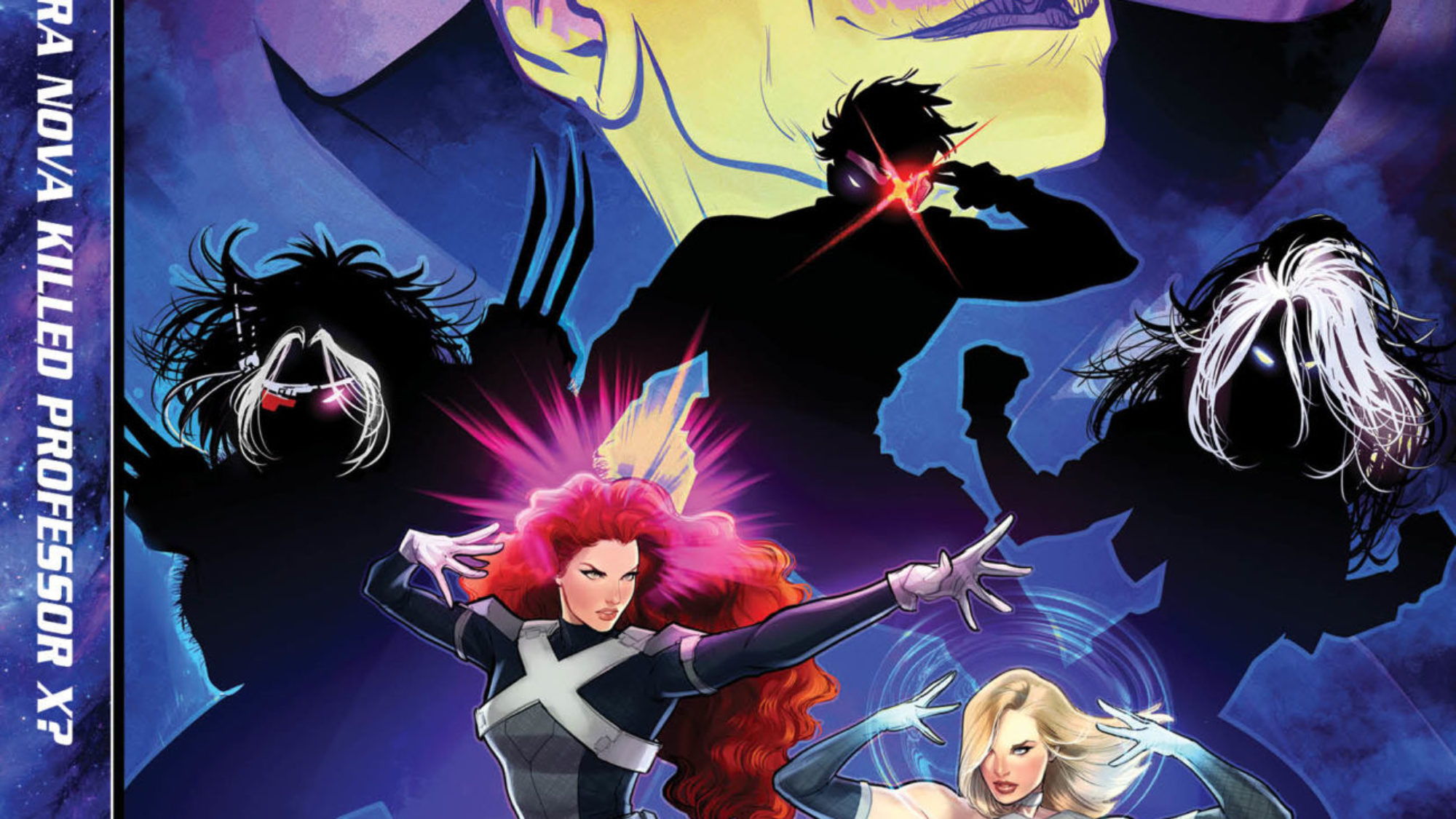
- What If… Cassandra Nova Killed Professor X? – Written by Ashley Allen with art by Sumit Kumar. This high-stakes premise imagines a reality where Charles Xavier was eliminated in the womb, leading to a world where mutants are not protected by the X-Men, but instead hunted by a regime led by the Professor’s malevolent twin sister.
Chronology: A Half-Century of Speculation
The What If? series has long functioned as the "moral laboratory" of the Marvel Universe. Since its inception in 1977, the series has allowed creators to dissect the fragile architecture of heroism.
The Origins (1977)
The original What If? series, famously narrated by Uatu the Watcher, began by asking, "What If Spider-Man Joined the Fantastic Four?" It established a formula that persists to this day: isolate a single decision or event, flip it, and observe the cascading consequences.
The Modern Evolution (2000s–2020s)
Over the decades, the series transitioned from simple, one-off cautionary tales to complex explorations of continuity. By the mid-2020s, Marvel began utilizing these one-shots to bridge gaps between eras, such as the 2099 timeline and current X-Men lore. The August 2026 releases represent the culmination of this modern approach, focusing on character-driven tragedy rather than simple power-swapping scenarios.
The 50th Anniversary Milestone
As we approach the 50th anniversary, the format has shifted toward "Prestige" one-shots that carry higher production values and deeper narrative weight. The move to dedicate August 2026 to three distinct, high-impact stories suggests a desire to leave a lasting mark on the publisher’s legacy before the anniversary year concludes.
Supporting Data: Narrative Hooks and Character Dynamics
The upcoming releases are not merely "fun" diversions; they are deep dives into the psychological makeup of the characters involved.
The Runaways: The Corruption of Innocence
Rainbow Rowell’s return to the Runaways is perhaps the most anticipated of the bunch. The core appeal of the original series was the subversion of the "super-hero family" trope. By forcing the children to remain with "The Pride," Rowell is exploring the nature of nurture versus nature. In this reality, the moral compasses of Alex, Chase, Gertrude, Karolina, Molly, and Nico are not forged in rebellion, but in the dark, sacrificial halls of their parents’ service to the Gibborim.
Captain America: The Missing Sentinel
Marc Guggenheim and Ron Lim’s collaboration on the Captain America issue brings a unique weight to the 2099 setting. By removing Steve Rogers from the "Heroic Age" (the 20th century), the story asks a profound question: Did Captain America create the Age of Heroes, or was he merely a byproduct of it? Without his presence, the timeline becomes a vacuum, likely filled by the corporate-sponsored authoritarianism that defines the 2099 era. Ron Lim, a veteran of the X-Men 2099 title, is perfectly suited to bring this bleak, neon-soaked future to life.
Cassandra Nova: The Ultimate Antagonist
The X-Men title by Ashley Allen and Sumit Kumar is perhaps the darkest of the three. By removing Professor X from existence entirely, the story eliminates the foundational philosophy of mutant-human coexistence. In this reality, Cassandra Nova—who has always been the dark mirror of Xavier—faces no ideological opposition. The prospect of Jean Grey and Emma Frost acting as the sole resistance against a psychic despot offers a high-stakes thriller dynamic that stands apart from typical X-Men ensemble stories.

Official Responses and Creative Direction
Marvel’s editorial team has framed these issues as "essential reading" for fans of the respective franchises. David Gabriel’s initial reveal at ComicsPRO emphasized the fan-requested nature of these stories.
"I know a lot of you have asked that," Gabriel said during the reveal, specifically referring to the Runaways premise. "You will finally know the answers."

The creative teams have also expressed enthusiasm for the freedom the What If? banner provides. By operating outside of the constraints of current 616 continuity, writers like Rowell and Guggenheim can explore "fail states" that would be impossible to execute in an ongoing series. The inclusion of rising talents like Ashley Allen and Sumit Kumar also indicates a strategic push to infuse the What If? line with fresh voices who are not beholden to decades of editorial baggage.
Implications for the Marvel Multiverse
The significance of these issues goes beyond the individual stories. They serve as a testament to the durability of the Marvel brand. By constantly revisiting the "what if" scenarios, Marvel reminds its audience that their characters are not static.

Thematic Weight
These stories suggest that the Marvel Universe is inherently unstable. If one event can change everything, it implies that the "Heroic Age" is not guaranteed, but rather a fragile achievement. This existential dread is what makes these one-shots particularly compelling for modern readers who are familiar with the "canon" versions of these characters.
Continuity and Legacy
While these stories are technically "non-canon," they function as a mirror to the main continuity. They allow readers to appreciate the current status quo by highlighting the darker, or perhaps more stagnant, versions of the characters they love. As Marvel moves toward the end of its 50th-anniversary celebration, these books will likely be collected in an omnibus or prestige edition that will stand as a snapshot of the creative concerns of the mid-2020s.
The Future of the Brand
The success of these one-shots in August 2026 will likely dictate the future of the What If? line. If the audience response to the Cassandra Nova and Runaways narratives is strong, we may see more "What If?" event-style miniseries rather than just one-off issues. The industry-wide trend toward high-concept, standalone stories fits perfectly with the What If? ethos, and Marvel is clearly positioning itself to capitalize on this appetite for "event" comic books that do not require a massive investment of time.
In conclusion, the August 2026 What If? releases are a masterclass in leveraging nostalgia and speculative fiction. By combining top-tier talent with the most compelling "what-if" scenarios in the publisher’s history, Marvel is ensuring that the 50th anniversary of this iconic series will be remembered not as a retrospective, but as a vibrant, ongoing exploration of what makes the Marvel Universe truly infinite.

 Sagoh
Sagoh
 Ammar Sabilarrohman