

As we navigate the second half of the 2020s, the landscape of science fiction cinema has undergone a seismic shift. While massive tentpole franchises like Dune: Part Two, the Avatar sequels, and the sprawling narratives of the Marvel Cinematic Universe continue to dominate the global box office, a more nuanced story is being told in the margins. The 2020s have emerged as a golden age for the genre, not just because of the record-breaking spectacles, but because of a surge in mid-budget, high-concept, and indie-adjacent projects that challenge the boundaries of speculative storytelling.
From the quiet intimacy of memory-erasure dramas to the visceral, high-stakes terror of deep-sea survival, this decade has proven that sci-fi is the ultimate mirror for our contemporary anxieties. As we look back at the years passed, it is clear that several films—many of which were unfairly sidelined by the noise of the theatrical machine—deserve a critical reappraisal as the quintessential sci-fi experiences of our time.
The State of the Genre: A Decade in Flux
The 2020s have been defined by a "collision of scales." On one end, we have the "event" films—Everything Everywhere All At Once redefined the multiverse, while The Wild Robot and Poor Things pushed the aesthetic boundaries of animation and world-building. On the other, we have a growing library of streaming-exclusive and indie films that prioritize narrative innovation over pure spectacle.
Industry analysts suggest that the democratization of distribution via platforms like Netflix, Apple TV+, and Hulu has allowed filmmakers to take risks that traditional studios might have deemed too "niche." However, this same abundance has led to a "disposability crisis," where high-quality films are released, discussed for a weekend, and then buried under the weight of an endless content algorithm.
The Unsung Heroes: A Chronological Reappraisal
2020: The Quiet Dystopias
The year 2020 was a trial by fire for the industry, but it yielded two gems that remain criminally underrated.
- Little Fish: Olivia Cooke’s turn in this indie darling is a masterclass in restrained acting. Set against the backdrop of a pandemic that causes memory loss, the film functions more as a poignant romance than a traditional genre exercise. Its failure to reach a wider audience is a testament to the difficulty of marketing "small" sci-fi in a world obsessed with scale.
- Underwater: Released just before the global shutdown, Underwater was a victim of poor scheduling and a cluttered marketplace. While it was dismissed as a standard "monster movie," its commitment to Lovecraftian dread and claustrophobic production design makes it a standout entry in deep-sea horror.
2021: Survival and Solitude
- Finch: Tom Hanks has built a career on his ability to hold an audience’s attention in near-isolation (Cast Away). In Finch, he returns to this well, portraying a dying inventor in a post-apocalyptic wasteland. The film’s focus on the bond between man, dog, and robot serves as a heart-wrenching meditation on legacy.
- Stowaway: Netflix’s contribution to the "hard sci-fi" subgenre featured a claustrophobic, moral dilemma on a mission to Mars. With a powerhouse cast including Anna Kendrick and Toni Collette, it utilized a minimalist set to create maximum tension—a trope that, when executed well, remains one of the most effective tools in the sci-fi arsenal.
2023: The Year of Innovation
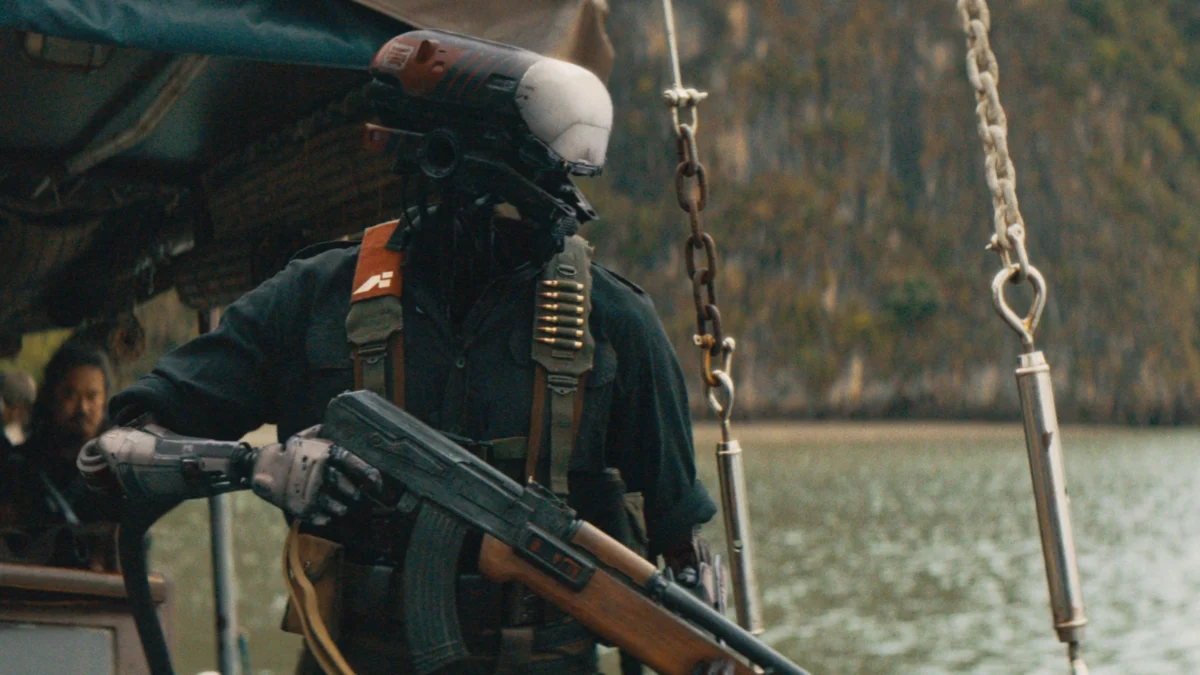
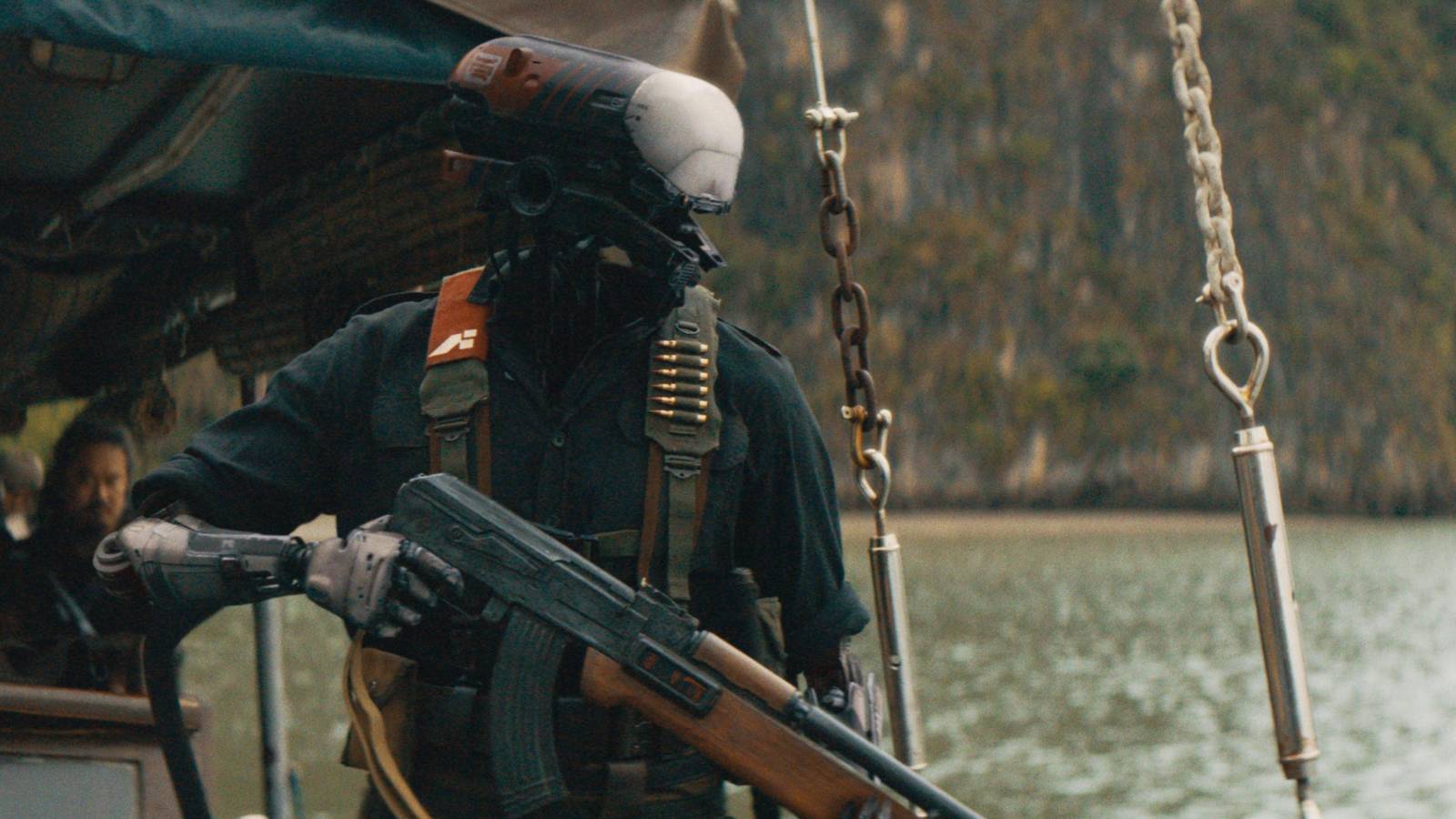
- The Creator: Gareth Edwards delivered a visual feast that tackled the ethics of Artificial Intelligence. Despite its stunning world-building and a grounded performance by John David Washington, the film struggled to find a sustainable audience. It serves as a stark reminder that even original, high-budget visions struggle against established IP.
- No One Will Save You: This film challenged the very conventions of the "home invasion" genre. By removing dialogue almost entirely, it forced the audience to engage with the narrative through pure visual storytelling and Kaitlyn Dever’s incredible physical performance.
- They Cloned Tyrone: A sharp, stylish, and biting social satire, this film utilized a cloning conspiracy to explore deep-seated cultural anxieties. It is perhaps the most egregious example of a "must-watch" film being swallowed by the streaming void.
2025: The New Frontier
- The Gorge: A genre-bending thrill ride, The Gorge combined high-concept military sci-fi with romance. Despite the star power of Anya Taylor-Joy and Miles Teller, the film’s quick transition from theaters to streaming platforms prevented it from gaining the cultural "staying power" it deserved.
- Lost in Starlight: This South Korean animated feature represents the globalization of high-concept sci-fi. Its success in the animation circuit—garnering critical acclaim and Annie Award recognition—highlights that the most innovative stories are increasingly emerging from international markets.
- Predator: Killer of Killers: Perhaps the most surprising entry of the mid-decade, this project revitalized a struggling franchise. By shifting the focus to animation and exploring unique historical time periods, it proved that legacy franchises don’t need to be rebooted in the traditional sense to succeed—they just need to be re-imagined.
Supporting Data: Why Quality Doesn’t Always Equal Reach
The data suggests a troubling trend for mid-budget science fiction. According to recent streaming metrics, films that do not fall into the "franchise" category experience a 60% drop-off in viewership within 14 days of release. This "14-day window" has become the death knell for original sci-fi.
Industry experts note that "the algorithm" prioritizes familiarity. Consequently, films like The Creator or They Cloned Tyrone—which require a degree of cognitive effort and lack a pre-existing fanbase—are often pushed further down the recommendation queues, despite receiving high critical praise (often exceeding 80% on aggregate review platforms).
Official Responses and Industry Shifts
In response to the "forgotten film" phenomenon, major production houses have begun to pivot their strategies. Representatives from Apple Studios and Netflix have hinted at a shift toward "long-tail" marketing, where films are given secondary theatrical windows or exclusive "special edition" digital releases months after their debut to combat the rapid depreciation of content.
"We are seeing a disconnect between critical reception and initial consumption," says media analyst Dr. Elena Vance. "The 2020s have taught us that we need to stop measuring success by opening weekend box office or first-week streaming views. We need to look at the three-year legacy of these projects."
Implications for the Future of the Genre
What does this mean for the future of science fiction? As we head toward 2030, the genre is at a crossroads. We are likely to see:
- Increased Internationalization: As seen with Lost in Starlight, global audiences are driving demand for non-Western perspectives on the future.
- Hybridization: The line between horror, romance, and sci-fi is blurring. The most successful films of the next five years will likely be those that refuse to be categorized into a single box.
- The Rise of "Prestige Streaming": We are entering an era where the "Direct-to-Streaming" label is being reclaimed as a badge of artistic freedom, rather than a mark of a "made-for-TV" production.
The 2020s have proven that science fiction is not just about the ships, the aliens, or the technology; it is about the human condition. Whether it is a man building a robot to save his dog in a wasteland, or two snipers questioning the reality of the ground beneath them, these stories remind us that the best sci-fi is fundamentally about empathy.
As we look at this collection of films, it is clear that while some may have been overlooked, their impact on the genre is profound. They are the building blocks of a decade that challenged us to look at the stars—and at ourselves—with newfound clarity. If these films are the "forgotten" ones, then the future of the genre is brighter, more diverse, and more intellectually challenging than it has ever been.











No comments yet. Be the first to join the conversation!