Muslim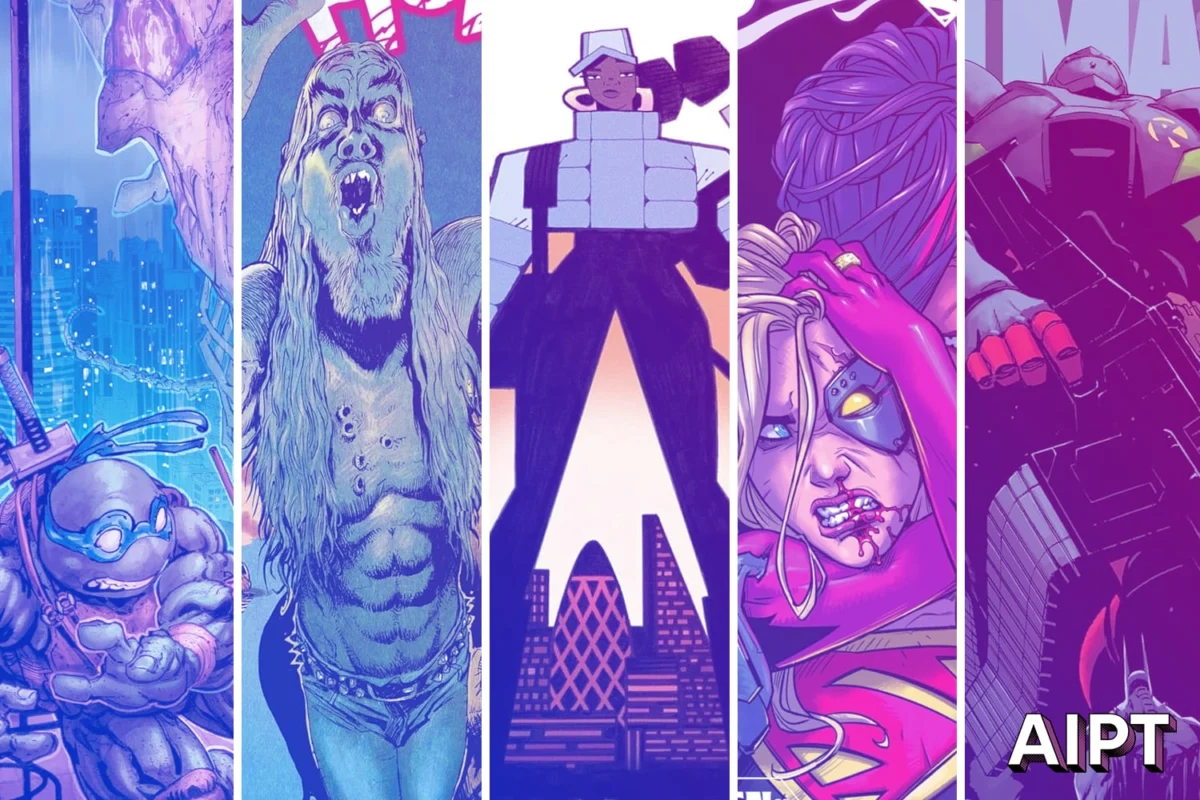
The landscape of modern comic books is in a constant state of flux, oscillating between the grand, mythic storytelling of established superhero dynasties and the gritty, experimental narratives of independent publishers. As we move into the second quarter of 2026, the industry is witnessing a fascinating convergence of styles. The week of May 13, 2026, served as a prime example of this diversity, offering readers everything from high-concept dystopian thrillers to poignant, character-driven dramas.
In this edition of our weekly retrospective, we analyze the top five releases that defined the conversation among enthusiasts and critics alike. These titles not only pushed the boundaries of their respective genres but also underscored the enduring power of the medium to reflect our own complex reality.
The Chronology of Weekly Excellence: A Brief Overview
The week began with a flurry of anticipation as retailers stocked their shelves with highly awaited installments of ongoing sagas. Mid-week, the conversation shifted toward the arrival of new, bold intellectual properties, specifically within the independent sector, which seemed to dominate the critical discourse. By the weekend, the collective consensus had coalesced around five distinct titles that stood head and shoulders above the rest of the pack.
The following breakdown provides a detailed examination of these selections, categorized by their critical reception and narrative impact.
Supporting Data: The Fantastic Five of May 13, 2026
5: Absolute Batman #20
The Absolute universe continues to be a bold experiment in recontextualizing the Dark Knight. In issue #20, Scott Snyder demonstrates a masterful command of pacing. Rather than relying on the instant gratification of high-octane combat, this chapter serves as a deliberate "setup" issue. It is a masterclass in atmospheric storytelling, focusing heavily on Bruce Wayne’s psychological instability and the deteriorating dynamics of his inner circle.

The narrative threads woven by Snyder suggest a long-term vision that prioritizes the internal life of the protagonist over quick, episodic thrills. Complementing this is the work of artist Nick Dragotta, whose visual language brings a sense of horror and clarity to Gotham City. While some readers may have been expecting an immediate payoff regarding the teased Robin plotlines, the critical consensus is that the issue succeeds by prioritizing mood, ensuring that the stakes for the coming arcs feel significantly higher.
4: Teenage Mutant Ninja Turtles #18
Gene Luen Yang and Freddie E. Williams II have brought their initial run on Teenage Mutant Ninja Turtles to a definitive and emotionally resonant close. Issue #18 is being hailed for its ability to balance traditional action with profound family drama.
The strength of this issue lies in its refusal to rely on shock value. Instead, the final pages deliver a narrative pivot that feels earned—a culmination of months of character development rather than a last-minute attempt to grab headlines. By staying true to the core tenets of the TMNT legacy while simultaneously evolving the franchise’s internal lore, the creative team has provided a blueprint for how to handle long-running intellectual properties in the modern era.
3: Supergirl #13
The "Kandor" arc continues to be one of the most compelling narratives in the current DC landscape. In issue #13, writer Campbell explores the nuance of Kara Zor-El’s identity as distinct from her cousin, Kal-El. The issue effectively highlights the trauma associated with the loss of Krypton, using it as a lens to examine Kara’s moral compass.
The antagonist, Black Flame, serves as a visceral representation of unrestrained anger and political instability. The issue’s success lies in its ability to translate a massive, planet-wide revolt into a deeply personal struggle for the protagonist. While there is a minor critique regarding the pacing of side-characters like Lena Luthor, the overall consensus is that Supergirl remains in a near-flawless state of creative execution.

2: Bleeding Hearts #4
Independent comics often provide the most profound insights into the human condition, and Bleeding Hearts #4 is a testament to this truth. The series has consistently outdone itself, with the fourth issue reaching new heights in its exploration of empathy and human connection.
The narrative poses a challenging question: what does it mean to be human in a world that is increasingly defined by coldness? By focusing on the necessity of caring for others, the creative team has crafted a story that feels both timely and timeless. It is a work that rewards readers who look for subtext, proving that even in a saturated market, there is still ample room for philosophical, character-first storytelling.
1: Destination Kill #1
Topping our list this week is the debut of Destination Kill. It is rare for a #1 issue to arrive with such confidence, yet this oversized volume immediately establishes itself as a must-read. The world-building is expansive, introducing a dystopian reality that feels as fresh as it is terrifying.
The narrative structure of Destination Kill mirrors the complexity of modern interactive media; each page functions like a new "mechanic" being introduced in a game, forcing the reader to constantly recalibrate their understanding of the protagonist, Gina Serene, and the surrounding factions. It is a bold, auteur-driven project that challenges the reader’s moral framework, making it the definitive standout of the week.
Implications: The Shift in Industry Trends
The success of these five titles reveals a shifting trend in the comic book industry. There is a palpable move away from the "event-heavy" model that dominated the previous decade. Readers are increasingly gravitating toward stories that prioritize character depth, atmosphere, and original world-building.

The prominence of Destination Kill and Bleeding Hearts—titles originating from smaller or specialized imprints—suggests that the market is hungry for "auteur" voices. When independent creators are given the freedom to experiment with format and tone, the results are consistently more engaging than the standard "superhero factory" approach.
Furthermore, the longevity of runs like Supergirl and TMNT indicates that when publishers commit to long-term creative teams, the fans respond with loyalty and consistent engagement. The industry is moving toward a model where "slow-burn" storytelling is viewed not as a liability, but as an asset.
Official Responses and Creative Direction
In recent industry briefings, publishers have noted that the 2026 fiscal year is prioritizing "narrative density." Editors from major houses have commented on the trend of using "setup" issues—such as the one seen in Absolute Batman #20—as a means to combat the "fast-food" consumption habits of modern media. By forcing readers to linger on character moments and atmospheric build-up, publishers are effectively reclaiming the medium’s unique ability to foster a deeper connection between the reader and the page.
Moreover, the creative teams behind these top-rated books have emphasized the importance of emotional stakes. Whether it is the trauma of Krypton or the existential dread of a dystopian future, the focus is on universal experiences that ground the fantastical elements of the stories.
Final Thoughts: Looking Ahead
As we look past the week of May 13, 2026, the trajectory for the remainder of the year appears robust. The industry is finding a healthy balance between the established icons of the Golden and Silver Ages and the innovative, experimental narratives of the modern era.

For the collector and the casual reader alike, the message is clear: the medium of comics is currently in a state of high creative health. Whether you are looking for the gritty, psychological depth of Absolute Batman or the fresh, challenging world of Destination Kill, the current output offers a diverse array of options that continue to redefine the boundaries of visual storytelling.
As we move toward the summer months, we expect to see these narrative threads expand, creating a tapestry of stories that will undoubtedly influence the landscape of the medium for years to come. The "Fantastic Five" of this week are not just the best books on the shelf—they are the current standard-bearers for a medium that continues to prove its relevance in an increasingly digital world.

 Sagoh
Sagoh
 Ammar Sabilarrohman