Laily UPN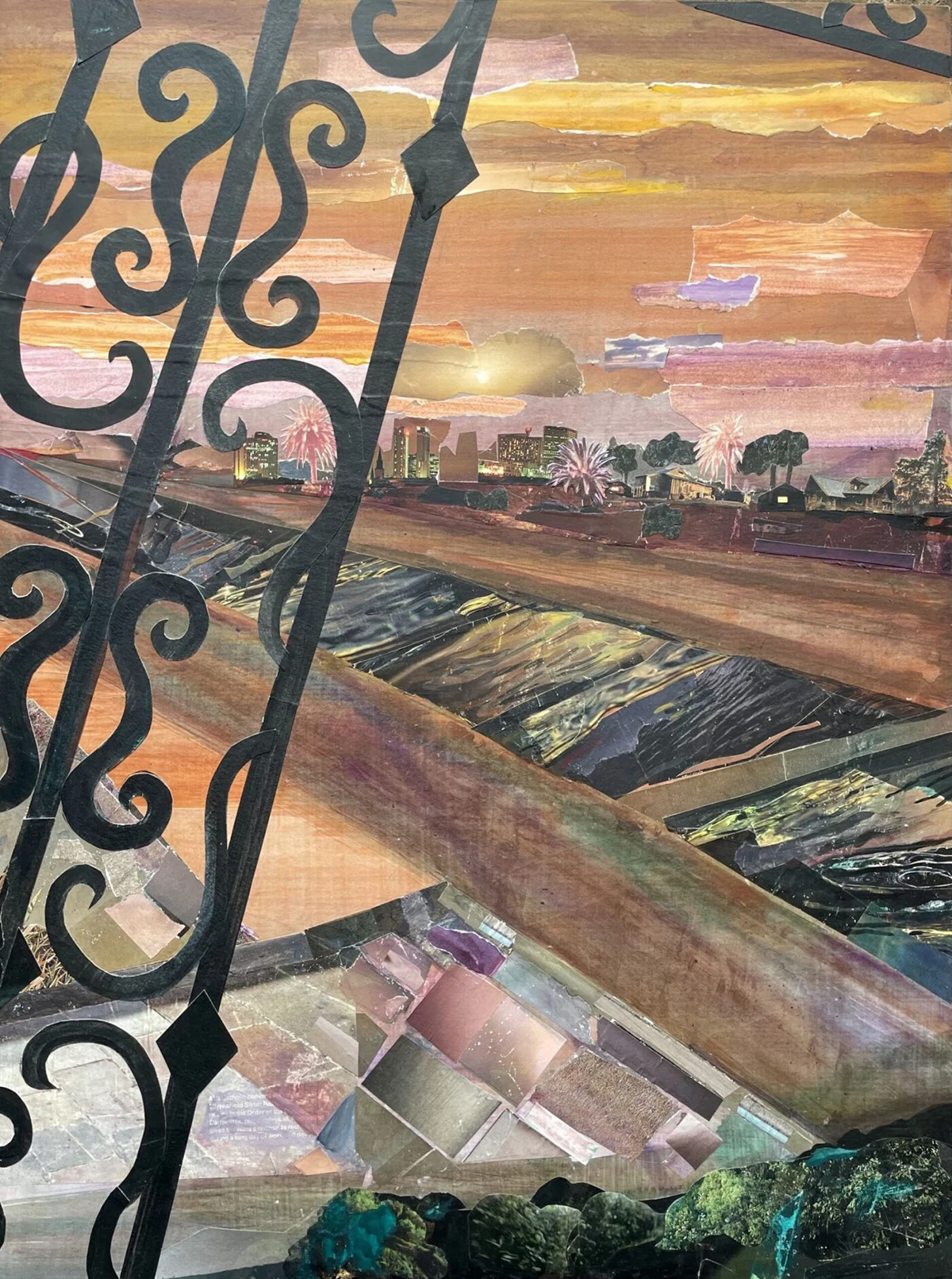
In the quiet, deliberate work of Georgia-based artist Candace Caston, the ephemeral nature of memory is rendered tangible. Through a sophisticated interplay of water-based media and collage, Caston constructs an "intimate archive"—a visual repository of spaces that exist simultaneously in the waking world and the realm of dreams. Her practice invites viewers to linger in the liminal spaces of domesticity, where the mundane becomes monumental and the silent history of a room is laid bare.
The Architecture of Nostalgia: Main Facts
Candace Caston’s artistic practice is rooted in the intersection of biography and geography. Born in Louisiana and currently residing in Georgia, Caston’s formal training at the Savannah College of Art and Design (SCAD) in Atlanta provided the technical foundation for her exploration of place. Her work is not merely representational; it is investigative. She utilizes collage as a mechanism to dissect the architecture of memory, focusing on how specific environments—the tilt of a blind, the pattern of afternoon light, the silhouette of a discarded object—shape our understanding of self.
Her technique, which relies heavily on water-based media, creates a fluid, often translucent quality that mimics the fallibility of human recollection. By layering textures and fragments, she mimics the way memories are constructed over time: imperfect, fragmented, yet emotionally resonant.
A Chronology of Artistic Development
Caston’s journey as an artist has been defined by a consistent preoccupation with the "interior."
- Formative Years: Growing up in Louisiana, Caston was exposed to the distinct architectural vernacular of the American South—porches, shuttered windows, and the oppressive yet evocative heat of the region. These early sensory inputs laid the groundwork for her current thematic focus.
- Academic Refinement: During her tenure at SCAD, Caston began to move away from traditional painting, experimenting with the intersection of mixed media and collage. It was here that she began to treat paper as a physical manifestation of time, cutting and rearranging surfaces to mirror the shifting perspectives of her own upbringing.
- The Professional Transition: Upon moving to Georgia, Caston began to formalize her "Archive of Remembered Spaces." This period marked a shift toward a more introspective style, where the "home" became the primary protagonist in her work.
- Contemporary Practice: Today, Caston is recognized for her ability to isolate the "small scenes" of life. Her recent work continues to evolve, pushing the boundaries of how we perceive the relationship between physical structures and internal states of mind.
Supporting Data: The Anatomy of a Memory
To understand Caston’s work, one must look at the granular details she chooses to emphasize. Her artistic philosophy is perhaps best articulated in her own words:
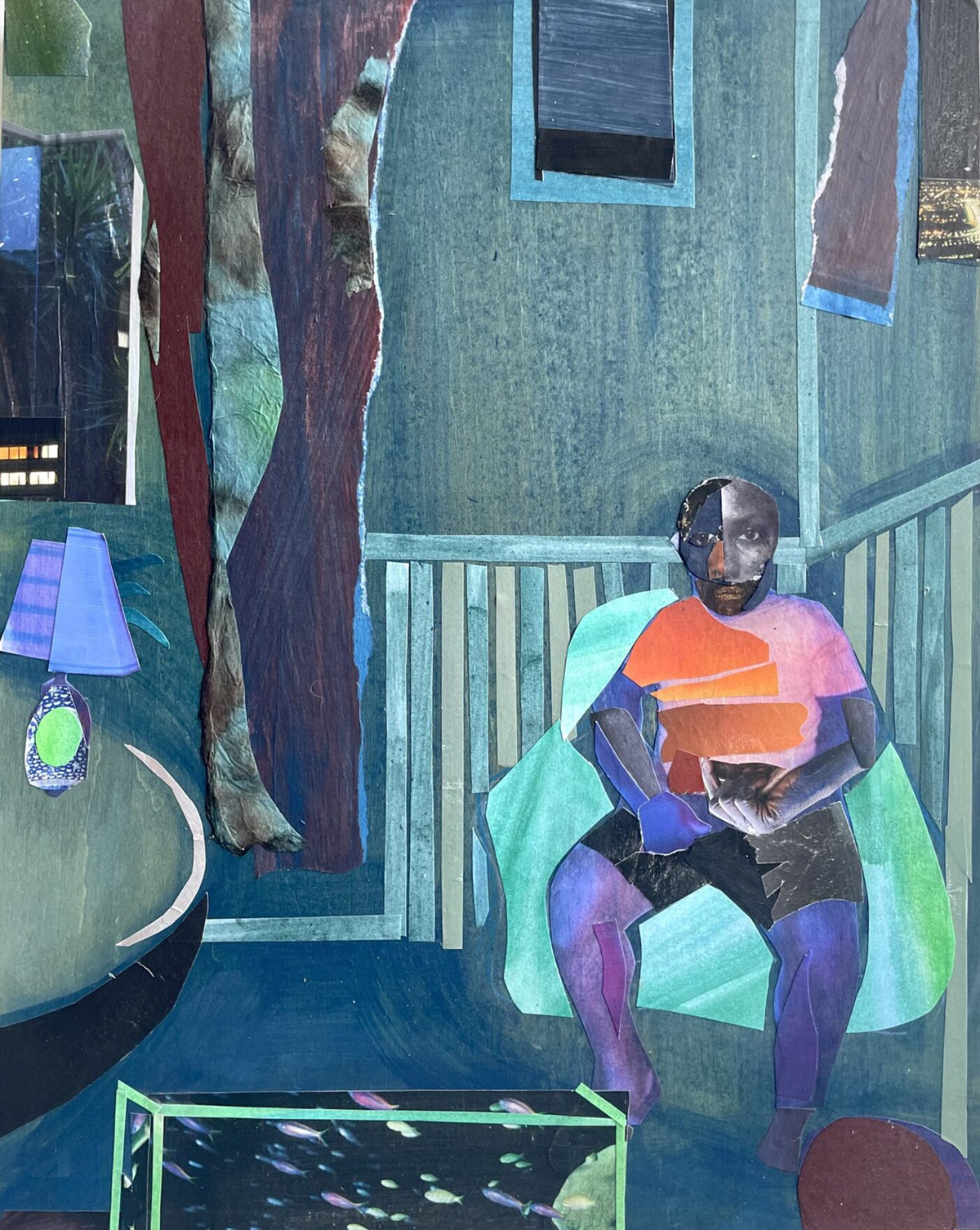
"Eyes look through the blinds towards the neighborhood, as the heat from outside seeps into the interior. I recall this as I reflect on the home I grew up in. Memories are captured in the windows, objects, and arrangements of a room or exterior space. They’re evoked by small details—the furniture, the weather outside, how the light moves through and around the house, or the shapes the blinds make as you part them to peek out. In reflecting on moments of solitude, seemingly small scenes become significant."
This quote serves as the foundational text for her current series. It highlights a critical aspect of her work: the significance of the "threshold." By focusing on windows and blinds—the boundaries between the public neighborhood and the private interior—Caston challenges the viewer to consider how their own environments act as containers for their history.
Official Responses and Critical Reception
Critics and collectors alike have noted the visceral nature of Caston’s collages. The "intimate archive" she presents is frequently compared to the works of memory-focused painters, though Caston’s use of collage lends an additional layer of tactile instability that traditional painting often lacks.
Curators have praised her ability to evoke a sense of "universal nostalgia" without resorting to sentimentality. Her work is viewed not as a romanticized look at the past, but as a clinical, albeit deeply felt, examination of how the physical world conditions our psychological state. In the context of contemporary art, Caston stands out for her refusal to succumb to digital abstraction, choosing instead to stay grounded in the physical reality of paper, pigment, and the architectural debris of daily life.
The Implications of "The Remembered Space"
The implications of Caston’s work extend beyond the canvas. By documenting the "small scenes," she provides a counter-narrative to the grand, often impersonal architecture of modern life. Her work suggests that history is not just found in monuments or major events, but in the specific, quiet arrangements of our living rooms.
The Impact on Modern Domesticity
In an era of rapid urbanization and the increasing digitization of domestic spaces, Caston’s work acts as a grounding force. She reminds us that our environments are not just settings for our lives, but active participants in our memory formation. The "heat from outside," as she describes it, is not just a weather condition—it is a metaphor for the external pressures that influence our inner sanctuary.
Future Trajectories
As Caston continues to develop her archive, the implications for her future work remain vast. There is a growing interest in how her methods of "archiving" could be applied to broader socio-political discussions regarding home, displacement, and the preservation of personal heritage. Her work suggests that if we pay closer attention to the "shapes the blinds make," we might better understand the people we have become.
Additional Notes from the Creative Community
While Caston represents the quiet, introspective side of the contemporary art scene, the broader creative community continues to push boundaries in various disciplines. For those interested in the wider scope of artistic achievement and resource gathering, several initiatives are currently shaping the industry:
The 2025 Photo Awards
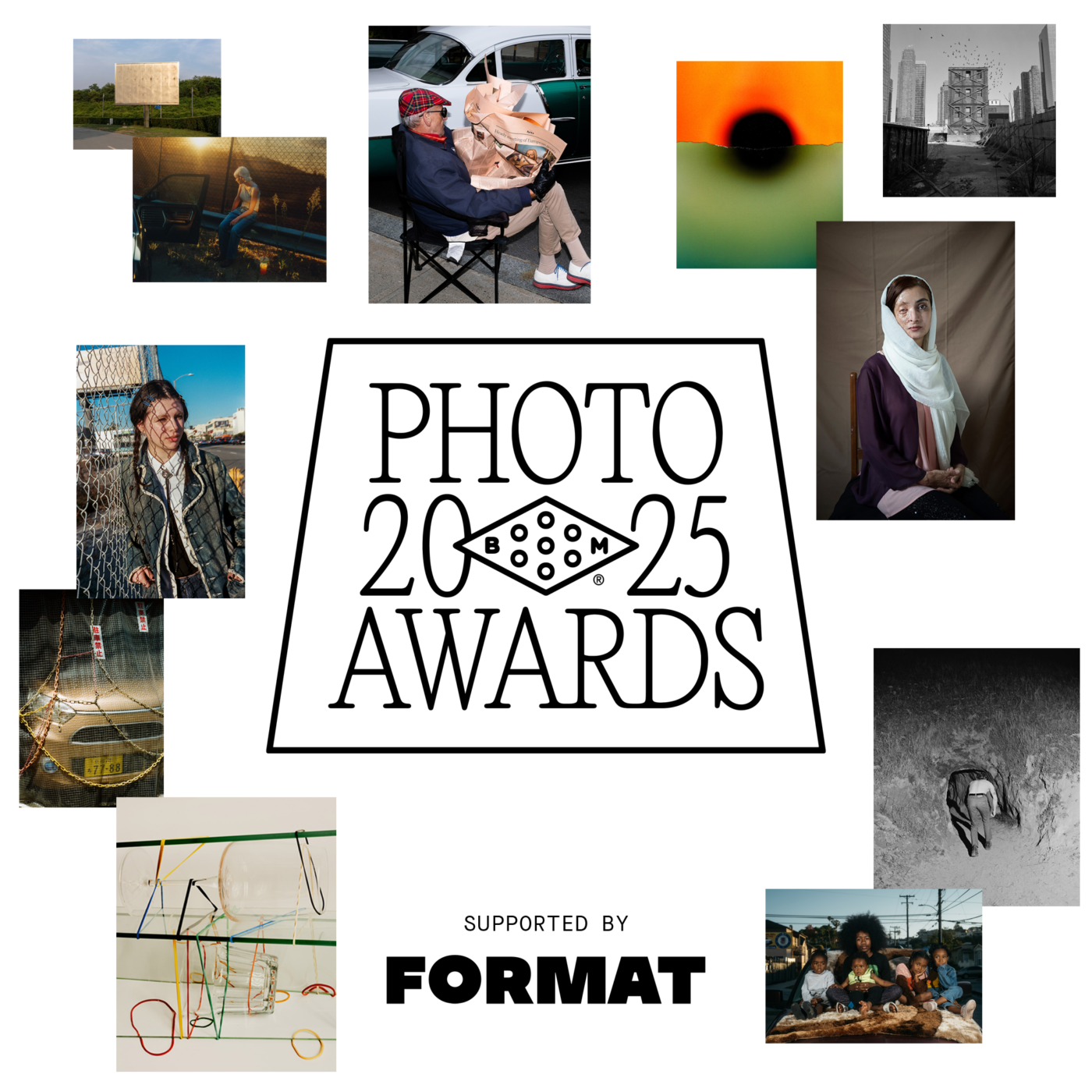
For those who prefer the lens to the collage, the recent unveiling of the 2025 Photo Awards Winners offers a profound look at how modern photographers are capturing the human experience. With five grand prize winners, twenty shortlisted photographers, and two hundred distinct images, this collection provides a comprehensive survey of contemporary visual storytelling. Exploring these works offers a fascinating parallel to Caston’s collages, as both mediums grapple with the preservation of a "moment in time."
Tomorrow’s Talent 5: A New Milestone
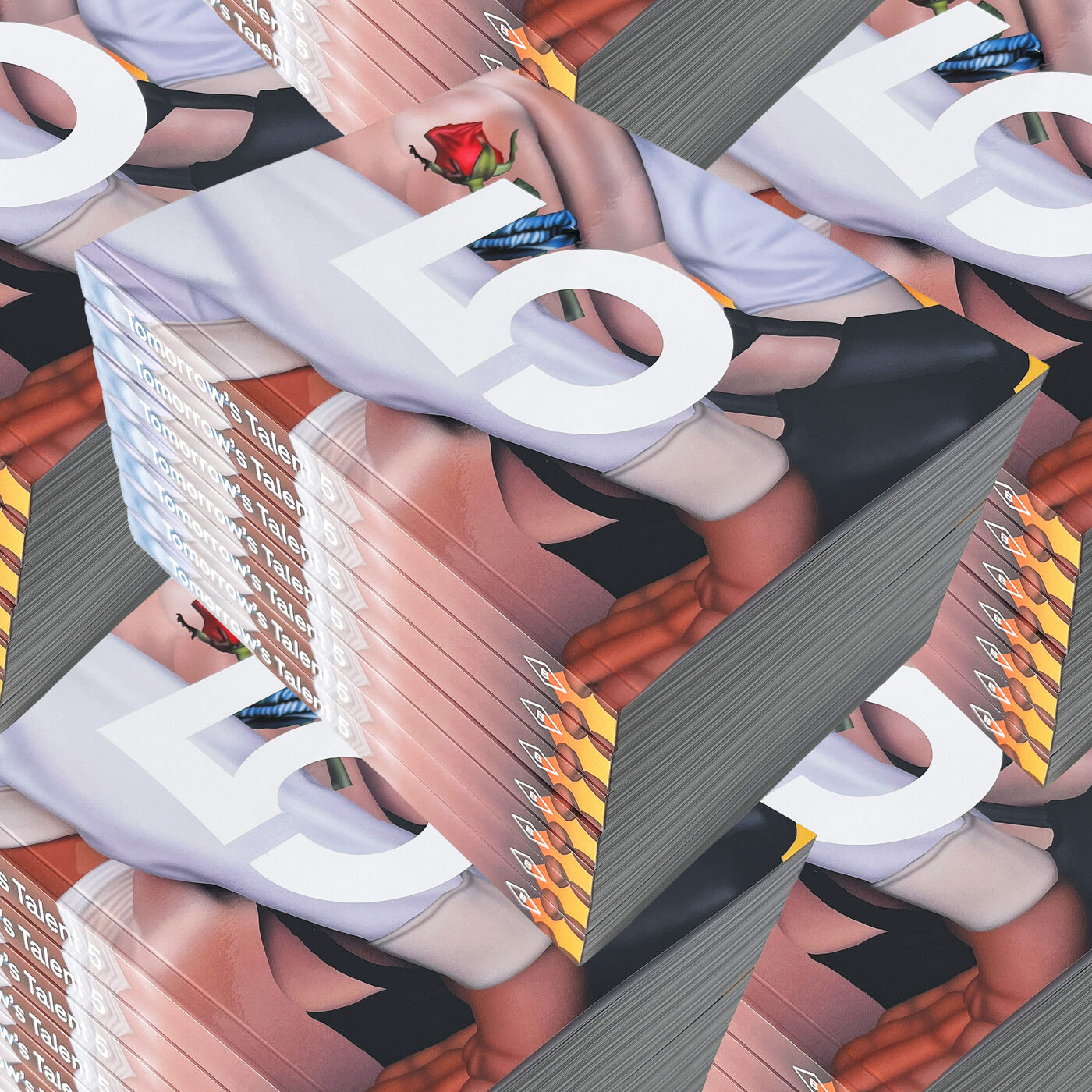
For collectors and students of art, the release of the "Tomorrow’s Talent 5" book represents a significant milestone. Featuring work from over 60 artists across 276 pages, this is the most ambitious volume to date. The move to a larger format allows for a more immersive viewing experience, effectively bringing the gallery experience into the hands of the reader. It is a vital resource for those looking to understand the pulse of the next generation of creative talent.
The Secret Email Club
In an age of algorithm-driven content, the "Secret Email Club" by Booooooom remains an essential tool for those seeking curated discovery. By bypassing the limitations of social media feeds, this weekly newsletter delivers open calls, exclusive links, and industry insights directly to subscribers. It serves as a digital archive of sorts, mirroring the care and curation found in Caston’s own artistic practice.
Conclusion
Candace Caston’s work invites us to slow down. In a world that demands constant motion and immediate consumption, her collages ask us to sit, to look, and to remember. By transforming the "small scenes" of her upbringing into an expansive, intimate archive, she teaches us that our environments are repositories of meaning. Whether through the delicate layers of a collage or the sharp focus of an award-winning photograph, the act of documenting our surroundings is, ultimately, the act of reclaiming our own history.
As we look toward the future—informed by the new talent captured in the "Tomorrow’s Talent" series and the photographic excellence celebrated in the 2025 Awards—we are reminded that the most significant stories are often found right behind the blinds, waiting for the light to hit them just right.


 Nana
Nana
 Nana Wu