

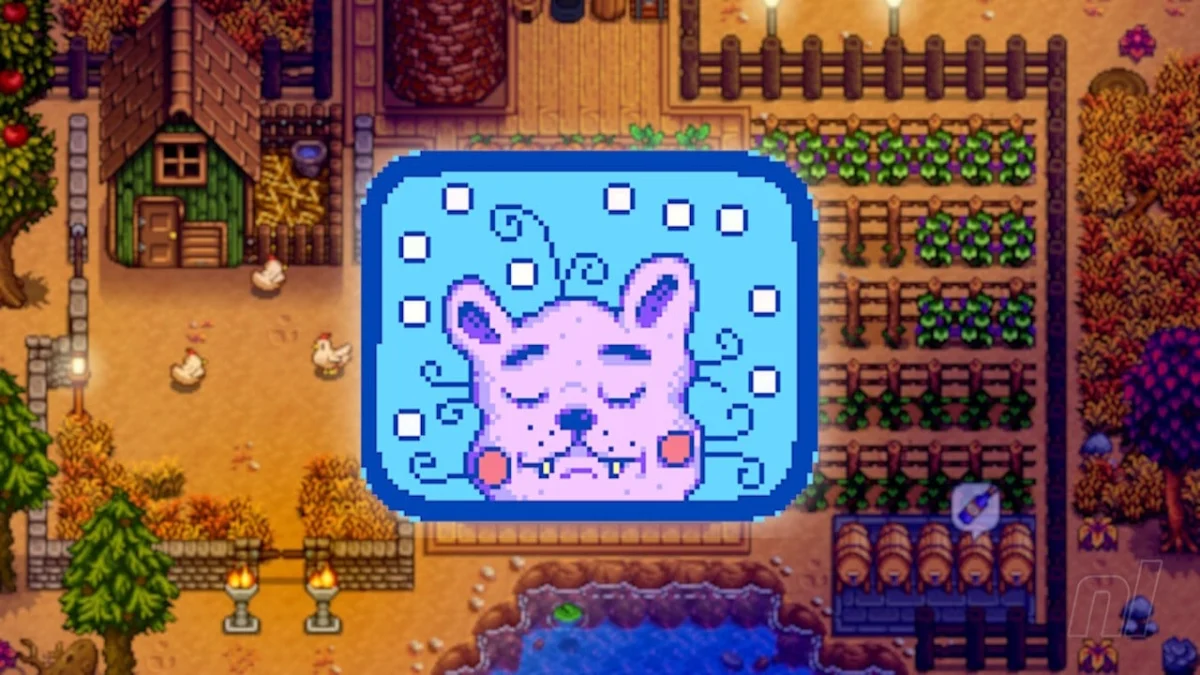
The beloved indie game developer, Eric "ConcernedApe" Barone, has voiced strong opposition to the integration of artificial intelligence in creative endeavors, emphasizing the irreplaceable value of human expression and the inherent authenticity of human-made art. In a recent interview, Barone articulated his philosophical stance, drawing a clear line between his artistic vision and the capabilities of algorithms, a position that resonates deeply within a rapidly evolving gaming landscape increasingly embracing AI.
A Pixelated Paradise Built by Human Hands
Stardew Valley, a game that has captivated millions with its charming pixel art, open-ended gameplay, and heartwarming narratives, stands as a testament to the power of singular creative vision. For over a decade, Eric Barone has poured his passion into this digital world, allowing players to craft their own agrarian dreams, forge meaningful relationships, and explore a vibrant community. The game’s enduring success is not merely a product of its engaging mechanics, but also of the palpable human touch that permeates every aspect of its design. From the meticulously crafted environments to the nuanced character personalities, Stardew Valley feels alive because it was conceived and nurtured by a human mind.
This dedication to authentic human creation is the bedrock of Barone’s philosophy, and it directly informs his perspective on the burgeoning field of artificial intelligence in game development. As AI technologies become more sophisticated, their potential applications in content generation, character design, and even narrative scripting are being explored by various studios. However, for Barone, the very essence of creativity lies in the human experience, a realm that he believes AI cannot and should not encroach upon.
The Unwavering Stance: "Offloading Creativity to an Algorithm"
In a recent, albeit paywalled, interview with Game Informer, as reported by GamesRadar, Barone elaborated on his deeply held convictions regarding AI’s role in creative work. His stance is unequivocal: he is fundamentally opposed to its use in any creative endeavor. "You’re offloading creativity to an algorithm, which I think is always gonna undermine the pure and authentic human element of what you’re doing," Barone stated, leaving no room for ambiguity about his intentions. He emphasized that he would "never want to use AI for any sort of creative thing."
This declaration carries significant weight, particularly considering Barone’s track record. Stardew Valley, a game initially developed by him alone, has become a global phenomenon, demonstrating that profound artistic achievements can stem from individual human ingenuity. His upcoming project, Haunted Chocolatier, is also being developed with the same commitment to human-driven creativity. Barone’s goal, he explained, is to "express myself in a creative way." The question he poses, "Why would I let an AI do that for me?" encapsulates his core belief that the act of creation is inherently tied to personal expression and self-discovery.
The Value of Human Imperfection and Authentic Expression
While Barone acknowledges that AI might have "very specific zoomed-in cases, maybe," for practical applications, his overwhelming sentiment is a fervent advocacy for human input. He believes that even when seeking assistance, the preference should always be for collaboration with other human beings. "At the very least, let another human being express themselves if you need help… There are plenty of humans out there that would like an opportunity to express themselves," he urged.
This emphasis on human collaboration highlights a critical distinction. Human creativity, Barone suggests, is inherently intertwined with the capacity for error, for unique quirks, and for the unpredictable nuances that arise from lived experience. These are the very elements that imbue art with soul and relatability. An algorithm, no matter how advanced, operates on logic and data, lacking the subjective experiences, emotions, and inherent imperfections that make human artistry so compelling and, ultimately, authentic.
Barone’s concluding thoughts on the matter are particularly poignant: "I feel like [human creativity] should take priority over a soulless machine." In an era where the rapid advancement of AI can sometimes feel overwhelming and impersonal, his words offer a refreshing affirmation of the enduring value of human artistic endeavor.

A Divergent Path in a Landscape Embracing AI
Barone’s firm stance against AI in creative development places him at odds with a growing trend within the gaming industry. While many independent developers and studios are echoing his sentiment, the allure of AI’s potential efficiency and scalability is proving irresistible for others. Major players are actively exploring and integrating AI technologies, signaling a significant shift in how games might be conceived and produced in the future.
For instance, Square Enix, a titan of the JRPG genre, has partnered with Google to develop AI-powered companions for its flagship franchise, Dragon Quest. This initiative aims to provide new players with an AI assistant that can help them navigate the game and feel more engaged. Similarly, legends like Yuji Horii, the creator of Dragon Quest, have expressed openness to such technological advancements.
Sony, another industry giant, has also been vocal about its exploration of AI within game development, highlighting its potential to enhance the creative process. While Sony’s PlayStation division has also spoken about the importance of "human creativity," the broader industry’s embrace of generative AI and chatbot inclusion suggests a future where the lines between human and artificial creation may become increasingly blurred.
This dichotomy presents a fascinating crossroads for the gaming world. On one hand, the potential for AI to streamline development, personalize player experiences, and unlock new forms of gameplay is undeniable. On the other hand, there are growing concerns about the potential erosion of artistic integrity, the displacement of human creators, and the homogenization of creative output.
Haunted Chocolatier: A Glimpse into a Human-Centric Future
Fortunately, the industry is not without its champions of human creativity. Stardew Valley and the forthcoming Haunted Chocolatier stand as prime examples of games that prioritize human artistry and craftsmanship. Barone’s unwavering commitment to this principle ensures that his future projects will continue to be imbued with the unique spirit and authenticity that have defined his success.
In the same Game Informer interview, Barone offered a tantalizing glimpse into Haunted Chocolatier, hinting that the game will be "way bigger" than Stardew Valley. This is a bold statement, considering the immense scope and continuous evolution of Stardew Valley, which has received numerous substantial updates since its initial release. The prospect of a larger, even more ambitious project from ConcernedApe, developed with the same dedication to human creativity, is a cause for excitement among his vast fanbase.
Barone’s perspective serves as a crucial reminder in the current technological climate. As AI continues to advance at an unprecedented pace, the debate surrounding its ethical and artistic implications will undoubtedly intensify. His staunch defense of human creativity, rooted in the belief that true art stems from genuine human experience and expression, offers a valuable counterpoint to the relentless march of automation. It underscores the profound and enduring value of the human touch, a sentiment that resonates deeply with players who cherish the authentic and heartfelt experiences that games like Stardew Valley provide.
The question remains: in a world increasingly shaped by algorithms, can the "soulless machine" ever truly replicate the soul of human creation? For Eric Barone, and for a significant portion of the gaming community, the answer is a resounding no. The future of gaming, for many, lies not in replacing human artists with artificial intelligence, but in empowering them and celebrating the unique contributions that only human beings can offer.











No comments yet. Be the first to join the conversation!