Jia Lissa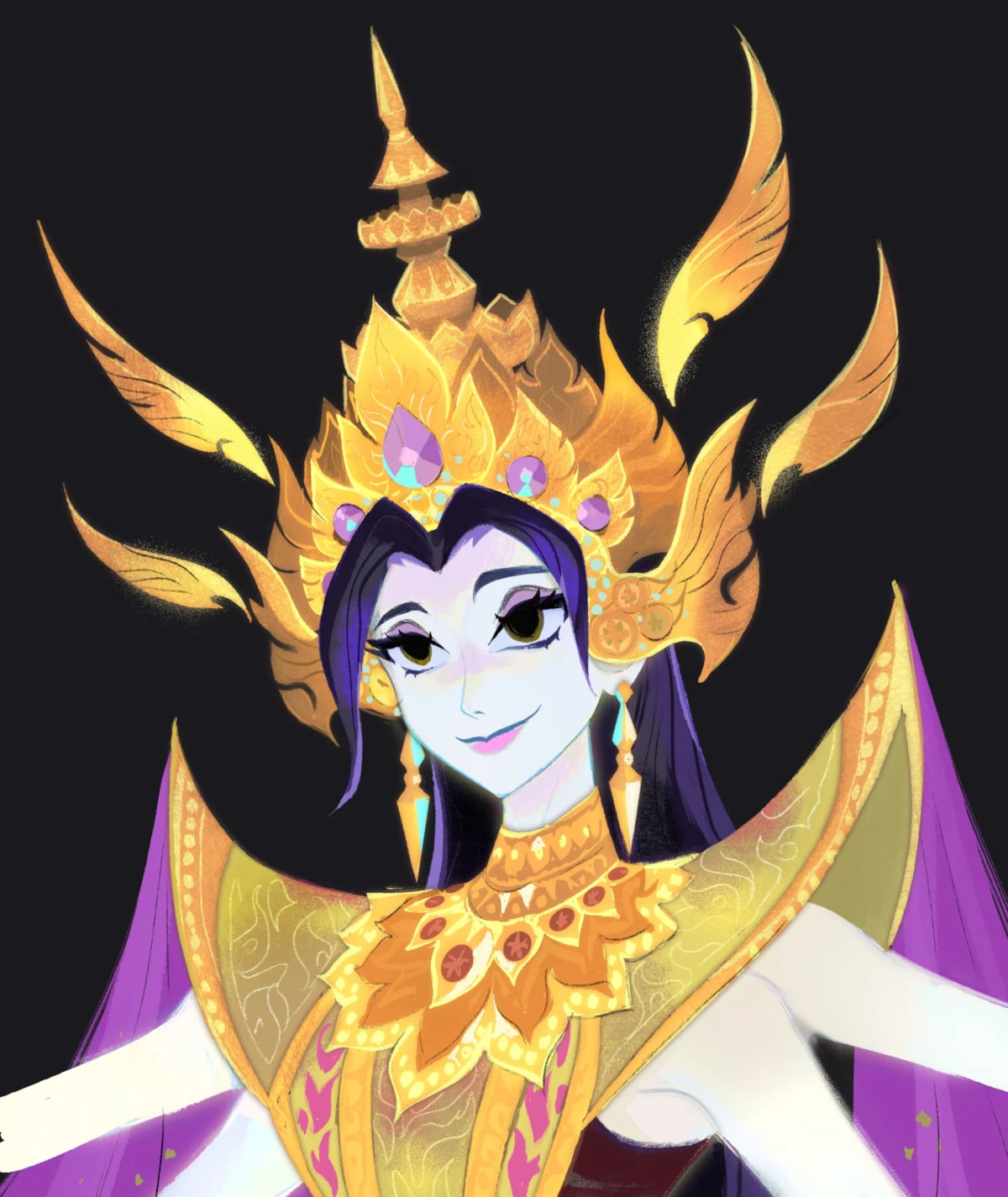
In an industry where high-budget animated projects are frequently discarded into corporate tax-write-off graveyards, a rare, defiant narrative has emerged. Matt Braly, the visionary creator behind the acclaimed Amphibia, has secured a lifeline for his previously shelved feature film, Afterworld. In a move that defies the traditional Hollywood playbook, the rights to the project have been acquired by The Monk Studios, a powerhouse animation house based in Bangkok, Thailand.
This development marks a pivotal moment for independent animation, signaling a potential shift in how "abandoned" intellectual property is handled. By reclaiming a story deeply rooted in his own cultural heritage and medical history, Braly is not merely reviving a project—he is rewriting the rules of ownership and cultural representation in global animation.
A Chronology of a Canceled Dream
The trajectory of Afterworld has been anything but conventional. Originally developed at Sony Pictures Animation (SPA), the film spent three years in the secretive, high-pressure environment of major studio development. However, despite its promise, the project was unceremoniously scrapped, leaving it to join the ranks of "lost" films that typically never see the light of day.
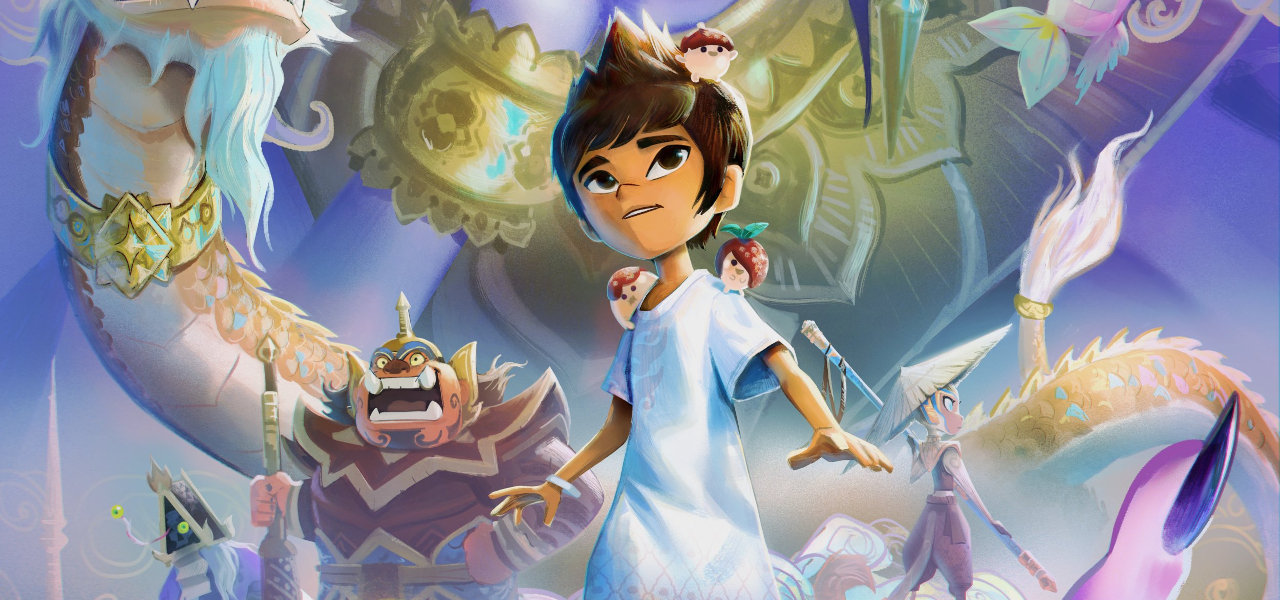
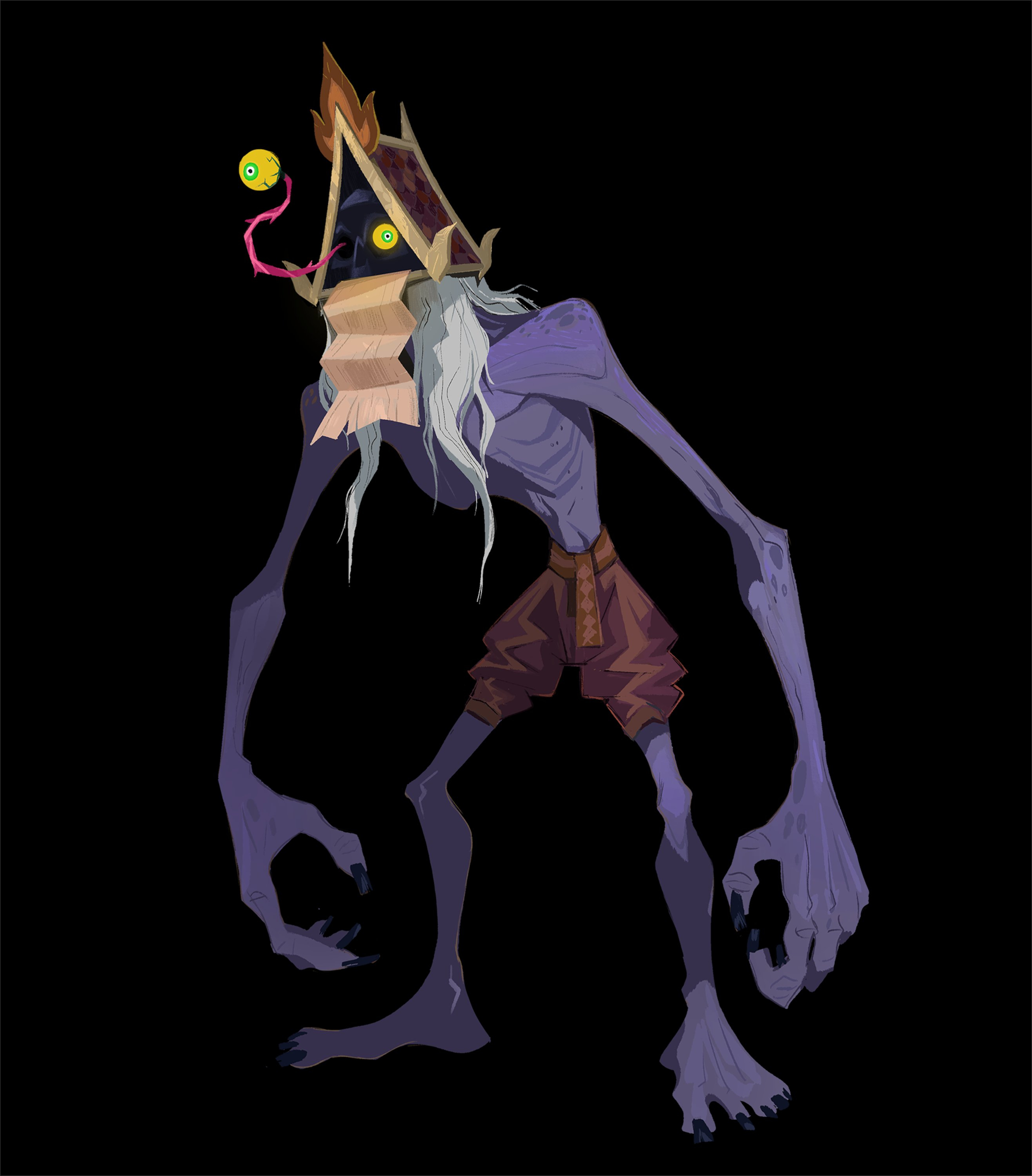
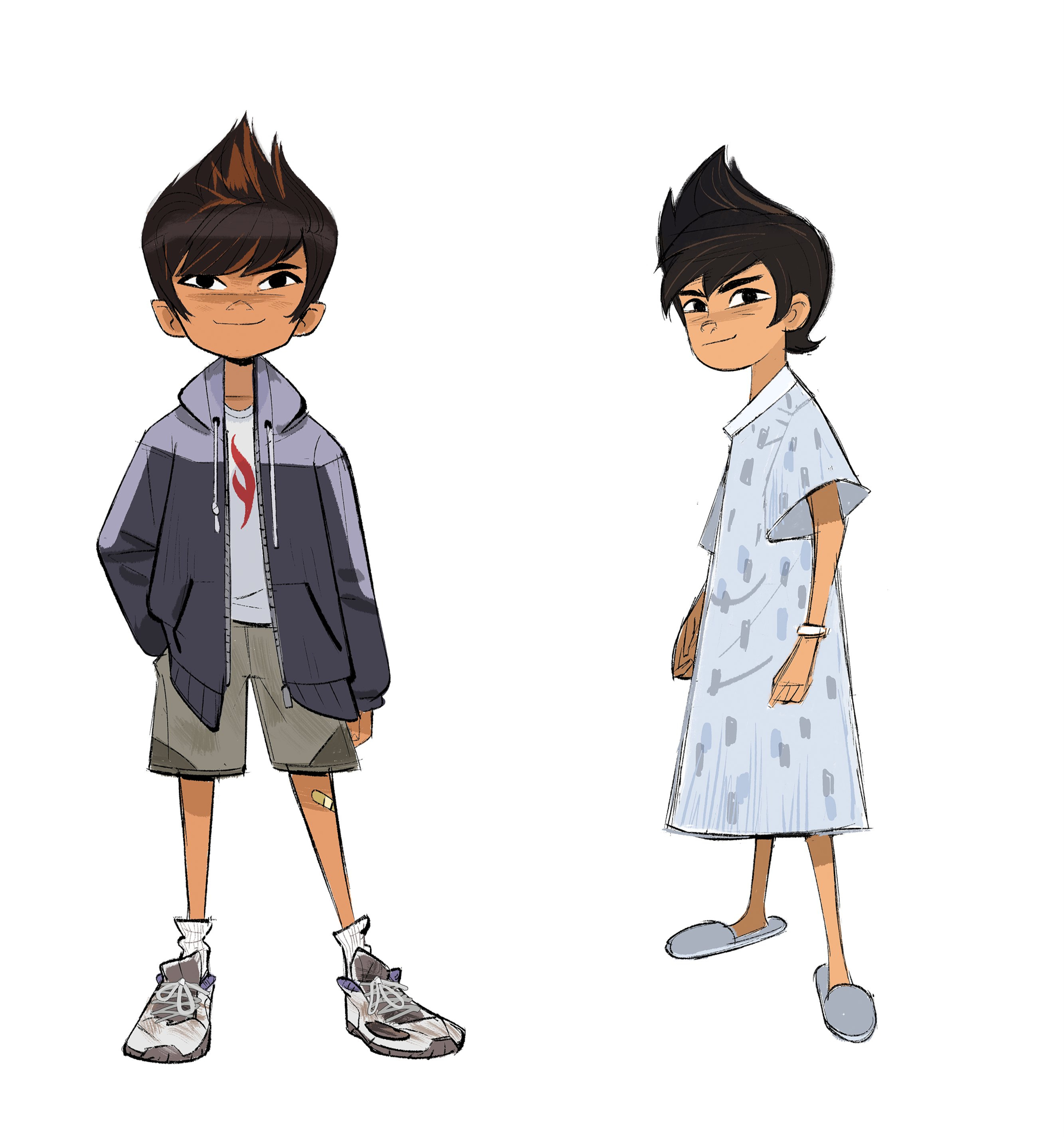
The aftermath was immediate. When Braly shared select concept art on social media, the reaction was not the quiet resignation one might expect from a canceled production. Instead, it ignited a firestorm of fan support. The digital community began creating their own fan art and character interpretations, treating the unproduced film with the fervor usually reserved for long-running, beloved television franchises.
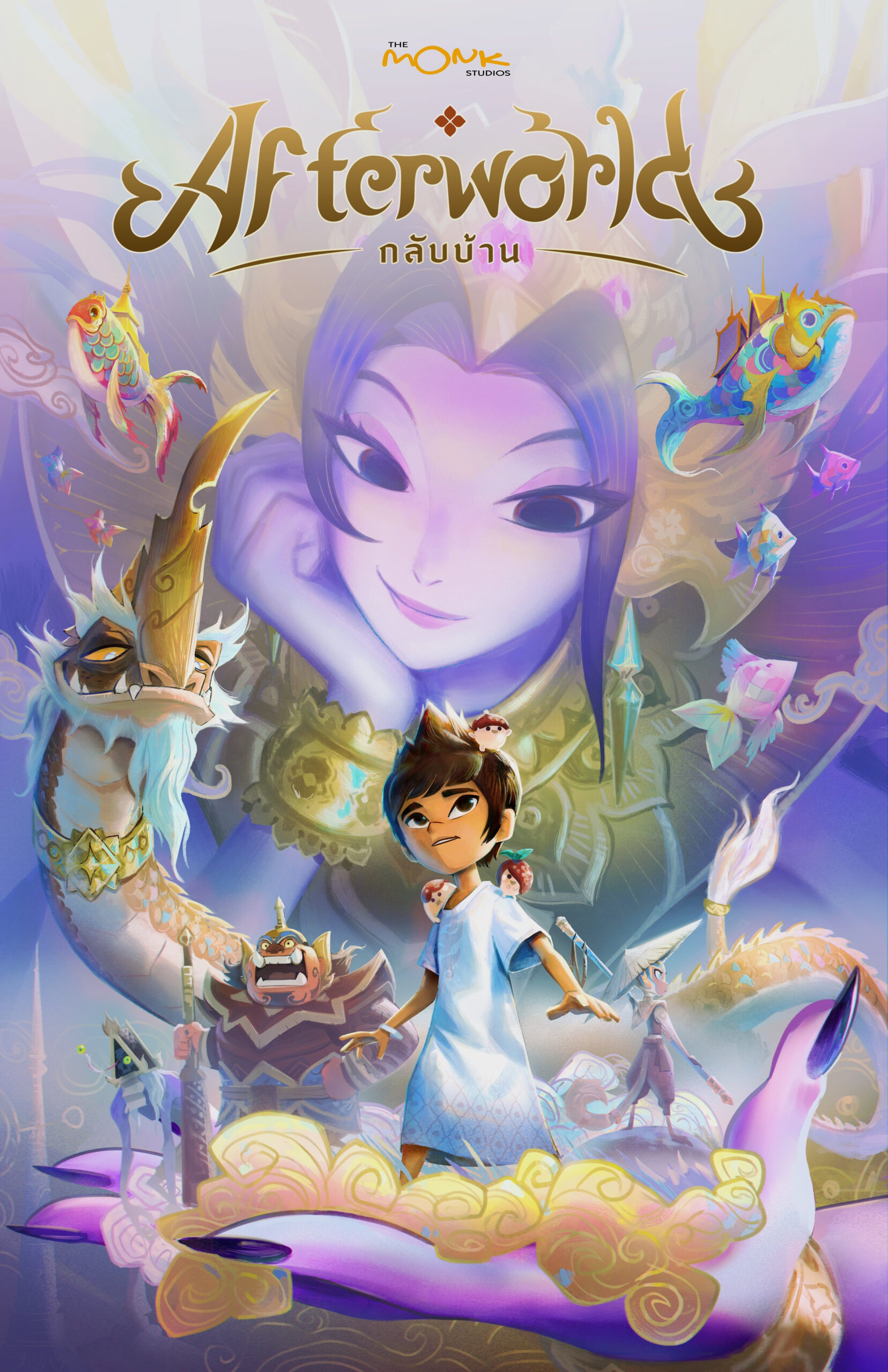
This week, the narrative shifted from mourning to mobilization. Braly officially announced the partnership with The Monk Studios, titling the project Afterworld: [Thai Title]—a phrase that translates to "return home." For Braly, the title is both a narrative choice and a meta-commentary on the project’s journey from a cold studio boardroom back to the culture that inspired its creation.
The Cultural Significance of Reclamation
Perhaps the most striking aspect of this acquisition is the reversal of the traditional "Western-led" production model. For decades, Hollywood studios have looked to international cultures for inspiration, often hiring consultants or sending crews on research trips to ensure authenticity. Rarely, however, does the IP itself migrate back to the source.
Braly articulated the significance of this move with a poignant analogy: “It’s like if Mexico bought Coco,” he explained. “This is a Western film that was telling a culturally infused story, but the country that it’s about is actually reclaiming it, which is really wonderful.”
This is not just a change in management; it is a fundamental shift in the creative heartbeat of the film. By aligning with a Thai studio, the project gains an authentic perspective that could potentially bypass the homogenization often forced upon projects by major U.S. studios.
The Monk Studios: From Service House to Auteur Partner
For The Monk Studios, this acquisition is a bold leap into the spotlight. While the studio is a titan of the industry, having provided crucial service work for global hits like Wish Dragon, The Tiger’s Apprentice, and the record-breaking Ne Zha 2, it has largely operated behind the scenes.

The average audience member has likely consumed hours of The Monk Studios’ labor without ever knowing the name. As Braly noted, “Movies are global efforts, but nobody knows. People were saying, ‘No, Ne Zha was a Chinese movie,’ and I’m like, dude, these things are huge undertakings.”
Transitioning from a service-oriented business model to the lead creative force on an original feature film is a daunting challenge. The Monk Studios will be heading to the Annecy Festival’s MIFA market this year to solicit production partners and investors. They enter this arena with significant creative ambition but without the deep pockets of a major Hollywood conglomerate.
Financial Realities and the New Visual Philosophy
Braly is transparent about the logistical hurdles ahead. The version of Afterworld that will be produced in Bangkok will look and feel significantly different from the version proposed at Sony. The budget will be leaner, necessitating a creative pivot that moves away from the "Hollywood standard" of hyper-realistic CG, particle effects, and massive, expensive camera movements.
Instead, Braly is looking toward the "stylized" future of animation. He cites films like Flow, Robot Dreams, and Look Back as benchmarks for the visual philosophy he hopes to employ.
“We need to find what Cartoon Saloon did for 2D, and do that for 3D,” Braly stated. “We need to be thinking more about imagery than huge spaces, camera moves, crazy effects, and particles. We need to try ways to make it look beautiful without spending all that money.”
He is particularly critical of the tendency for smaller studios to attempt to replicate the "Illumination look." According to Braly, when independent studios try to mirror the comedic beats and visual polish of major American CG features, the result is often a diluted, uninspired product. By carving out a unique visual identity, Afterworld hopes to compete on merit and beauty rather than sheer technical scale.
The Role of Fandom and Transparency
One of the most modern aspects of this production is the role of the audience. The "Afterworld" fan community has already exerted influence over character designs—specifically, a multi-armed goddess figure that became a lightning rod for community attachment. When the studio team questioned whether to iterate on the design, the fan response was a resounding "no."
To nurture this, The Monk Studios is launching a series of production diaries under the handle @afterworlddiary. This transparency—sharing models, concept art, and hurdles in real-time—is a strategy more common in indie game development than in feature film animation. It allows the audience to feel like they are "watching the house get built," creating a sense of investment that could prove invaluable when the film eventually hits the festival circuit or crowdfunding platforms.
Ethical Boundaries: The Stance Against AI
A significant point of concern for fans and industry professionals—particularly those in the Thai animation sector—is the use of generative AI. The Monk Studios has been known to experiment with AI tools in its service work, raising immediate red flags for those worried about the erosion of human artistry.

Braly addressed these concerns head-on. He has received assurances from the studio that no generative AI will be used on Afterworld. He went a step further, stating that if the studio were to backtrack on this, he would walk away from the project.
“There is a strong temptation for some of these scrappier studios to experiment with AI,” Braly admitted. “It’s an unavoidable siren call to studios that are looking to save a little coin.” However, he remains steadfast in his belief that the short-term savings offered by AI come at the cost of long-term artistic integrity and that such practices represent a "deal with the devil."
The Path Forward
While the future of Afterworld remains uncertain—the film is currently in a pre-greenlit state—the fact that it exists at all is a triumph of persistence. Braly’s current focus remains on his crowdfunded project Clara and the Below, which is set for a Christmas release. Afterworld is currently in its nascent stages, serving as a beacon of what can be accomplished when a creator refuses to let their work vanish.
Whether the film secures the necessary financing at Annecy remains to be seen. The independent animation market is famously volatile, and the risks are high. However, by choosing a path that prioritizes cultural authenticity, fan engagement, and an anti-AI creative stance, Braly and The Monk Studios are setting a new precedent.
In an era where "content" is often treated as disposable, the resurrection of Afterworld serves as a reminder that stories tied to personal history and cultural identity have a resilience that corporate spreadsheets cannot account for. As Braly put it, “The big takeaway is that this film has another chance.” For the animation industry, that is a victory worth watching.



 Muslim