


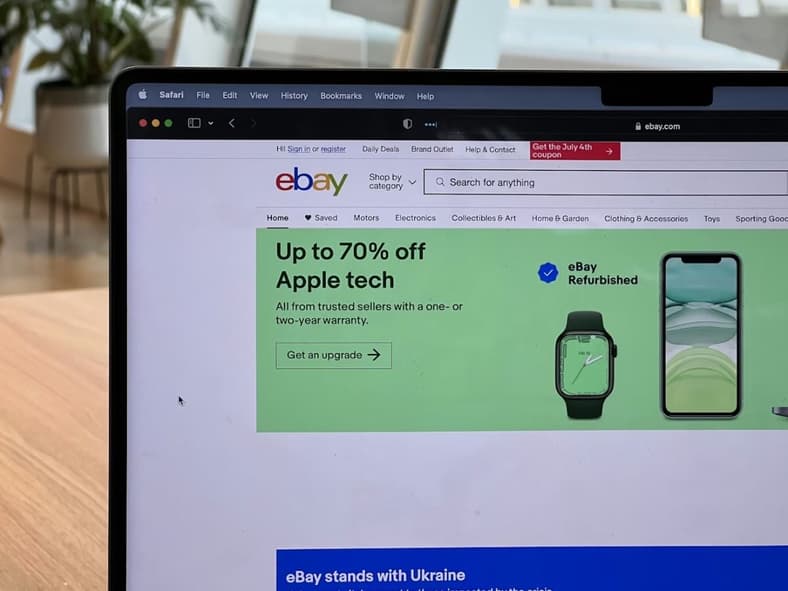
The corporate landscape was set ablaze earlier this month when GameStop, the video game retailer synonymous with the 2021 “meme stock” phenomenon, launched an audacious and unsolicited bid to acquire the e-commerce giant eBay. For weeks, market analysts, retail investors, and industry experts debated the viability of such a merger. However, the speculation has reached a conclusive end. In a formal statement released on Tuesday, May 12, eBay’s Board of Directors officially rejected GameStop’s proposal, effectively shutting the door on what many viewed as a quixotic attempt at a retail empire consolidation.
The Core Facts: A Summary of the Rejection
The rejection, delivered via a blistering letter addressed to GameStop CEO Ryan Cohen, characterized the offer as fundamentally flawed. eBay’s leadership made it clear that after a thorough review conducted alongside independent financial and legal advisors, the proposal was deemed "neither credible nor attractive."
The proposed merger, which aimed to combine GameStop’s legacy physical retail presence with eBay’s massive digital marketplace, was positioned by Cohen as a strategic maneuver to create a titan capable of rivaling Amazon. Instead of embracing the partnership, eBay’s board pointed to significant concerns regarding funding uncertainty, the lack of strategic synergy, and, notably, reservations regarding GameStop’s current internal governance and executive incentive structures.
A Chronological Breakdown of the Pursuit
To understand the magnitude of this rejection, one must look at the rapid sequence of events that defined this short-lived acquisition saga.

- May 3: GameStop publicly announces its intent to acquire 100% of eBay, sending ripples through the financial markets. The announcement is met with skepticism from institutional investors but draws significant attention from the retail trading community.
- May 6: Ryan Cohen turns to social media to amplify his campaign. In a series of eccentric moves, he lists personal items on eBay at astronomical, illogical price tags. He later takes to X (formerly Twitter) to declare, "I’m selling stuff on eBay to pay for eBay," a move that many critics interpreted as unprofessional and erratic.
- May 10: In a revealing interview with Business Insider, Cohen makes the startling admission that he feels no genuine passion for GameStop, expressing a desire to pivot his focus entirely toward eBay.
- May 12: eBay issues a formal, public rejection letter, signed by Board Chairman Paul Pressler, ending the prospect of a merger.
The Official Response: eBay’s Stance
The letter from eBay’s Board of Directors serves as a masterclass in corporate dismissal. Rather than engaging with the merits of a potential "Amazon-rivaling" marketplace, eBay focused on the stability and success of its current trajectory.
“eBay is a strong, resilient business that has delivered meaningful results over the past several years,” the letter stated. “We have sharpened our strategic focus, strengthened execution, enhanced our marketplace and seller experience, and consistently returned capital to shareholders.”
The board emphasized that they were not merely reacting to an offer, but were reinforcing their commitment to their existing management team. By explicitly citing “uncertainty” regarding how the deal would be financed, eBay cast doubt on the financial solvency of the proposal. Furthermore, by highlighting concerns over “governance,” the board subtly addressed the elephant in the room: the unorthodox leadership style of Ryan Cohen and the volatility associated with GameStop’s current corporate culture.
The Cohen Factor: A Study in Unconventional Leadership
Perhaps the most puzzling aspect of this entire ordeal was the behavior of Ryan Cohen. Since taking the helm at GameStop, Cohen has been a polarizing figure, often relying on cryptic social media posts and community-driven sentiment rather than traditional corporate communication.

His recent comments regarding his lack of passion for GameStop have left shareholders bewildered. When a CEO publicly admits that they are not invested in the success of the company they lead, it raises existential questions about the future of that organization. Cohen’s stated intent—to acquire eBay and eventually name himself CEO of both entities—was viewed by market analysts not as a coherent business strategy, but as a personal crusade.
This "passion" for eBay, while clearly stated by Cohen, was not reciprocated by the target company. The disparity between Cohen’s casual approach to the bid—evidenced by his mock listings on the platform—and the serious, fiduciary nature of a multi-billion dollar acquisition likely served as a primary deterrent for the eBay board.
Implications for the Future of Retail
The rejection of this bid carries significant weight for the broader retail sector.
1. The Death of the "Meme Merger"
This event may signal the end of the era where retail-driven hype can force corporate mergers. While GameStop’s stock has historically been driven by social media sentiment, eBay’s rejection proves that established, blue-chip e-commerce companies operate on fundamental metrics—profitability, cash flow, and governance—rather than community enthusiasm.

2. The Vulnerability of GameStop
GameStop’s core business model continues to face the existential threat of digital distribution in the video game industry. By attempting to pivot to a massive marketplace play, GameStop inadvertently signaled to the market that it lacks a viable long-term strategy for its own business. Investors may now look closer at GameStop’s balance sheet, wondering why the company’s capital was being positioned for such a high-risk acquisition rather than internal growth.
3. eBay’s Strategic Resilience
For eBay, the rejection reinforces their "standalone prospect." By demonstrating that they are not for sale and are satisfied with their current execution, eBay is signaling to institutional investors that they are a stable, long-term asset. The rejection allows them to continue their focus on seller experience and technical improvements without the distraction of a hostile takeover attempt.
The Path Forward: Will Cohen Try Again?
Despite the definitive "no" from eBay, Ryan Cohen’s comments to Business Insider suggest he may not be finished. "I’m going to continue doing whatever I need to do in order to buy the business," he stated. However, the path to a hostile takeover is fraught with legal, financial, and regulatory hurdles.
Without the support of the board, Cohen would need to launch a tender offer directly to shareholders, a move that requires massive liquidity and a compelling case that the current management is failing. Given that eBay’s stock has remained relatively stable and their recent financial reports have been positive, convincing shareholders to abandon the current board for a merger with GameStop will be a nearly impossible task.
Furthermore, the board’s specific mention of "independent advisors" in their rejection suggests that they have already fortified their defenses against further unwanted approaches. They have clearly defined the proposal as a non-starter, essentially signaling to the market that no amount of social media pressure or erratic bidding will sway their fiduciary duty to shareholders.
Conclusion
The attempt by GameStop to acquire eBay will likely be remembered as one of the most bizarre chapters in modern corporate history. It pitted a legacy retail chain struggling to find its footing against a digital marketplace giant that has successfully navigated the complexities of global e-commerce.
The result is a clear victory for corporate discipline. eBay’s board chose to protect the company’s integrity and focus on its proven track record, rather than entertain a risky, ill-defined merger fueled by the whims of a CEO who openly admits to being disengaged from his own company. As the dust settles, the retail industry is left with a stark reminder: while passion may fuel a brand’s community, it is sound, transparent, and disciplined management that keeps a company alive. Whether Ryan Cohen shifts his focus back to stabilizing GameStop or persists in his attempt to acquire an unwilling target, the market has spoken, and for now, the status quo remains firmly in place.











No comments yet. Be the first to join the conversation!