Jia Lissa
The intersection of Japanese internet celebrity culture and the rigid intellectual property standards of legacy gaming giants has once again become a flashpoint for debate. Hololive’s premier VTuber, Usada Pekora, recently found herself at the center of a corporate firestorm after a livestream featuring a physical copy of Pokémon Emerald prompted an intervention from Nintendo. What began as a nostalgic journey to capture one of gaming’s most elusive creatures—the mythical Mew—ended in a forced takedown, a corporate apology, and a broader conversation regarding the legality of retro gaming in the modern streaming era.
The Quest for the Old Sea Map
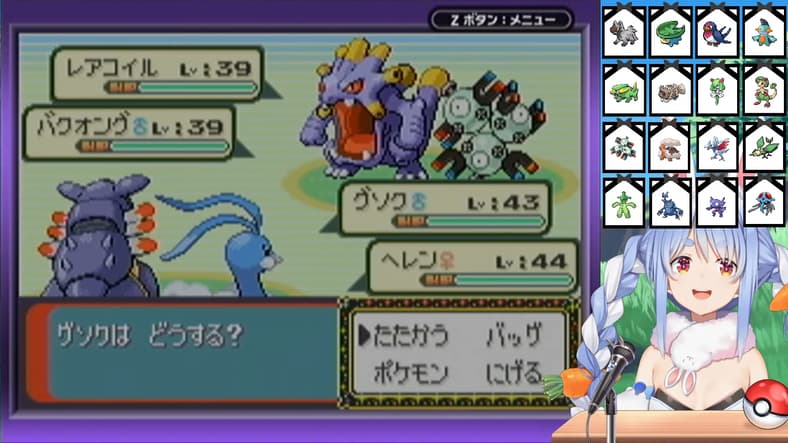
The controversy originated from a series of streams where Pekora, known for her high-energy, mischievous persona, sought to replicate the authentic 2005 experience of catching Mew in Pokémon Emerald. To do so, she did not turn to emulators or ROM hacks; instead, she sourced what she believed to be a legitimate, pre-owned Game Boy Advance cartridge.
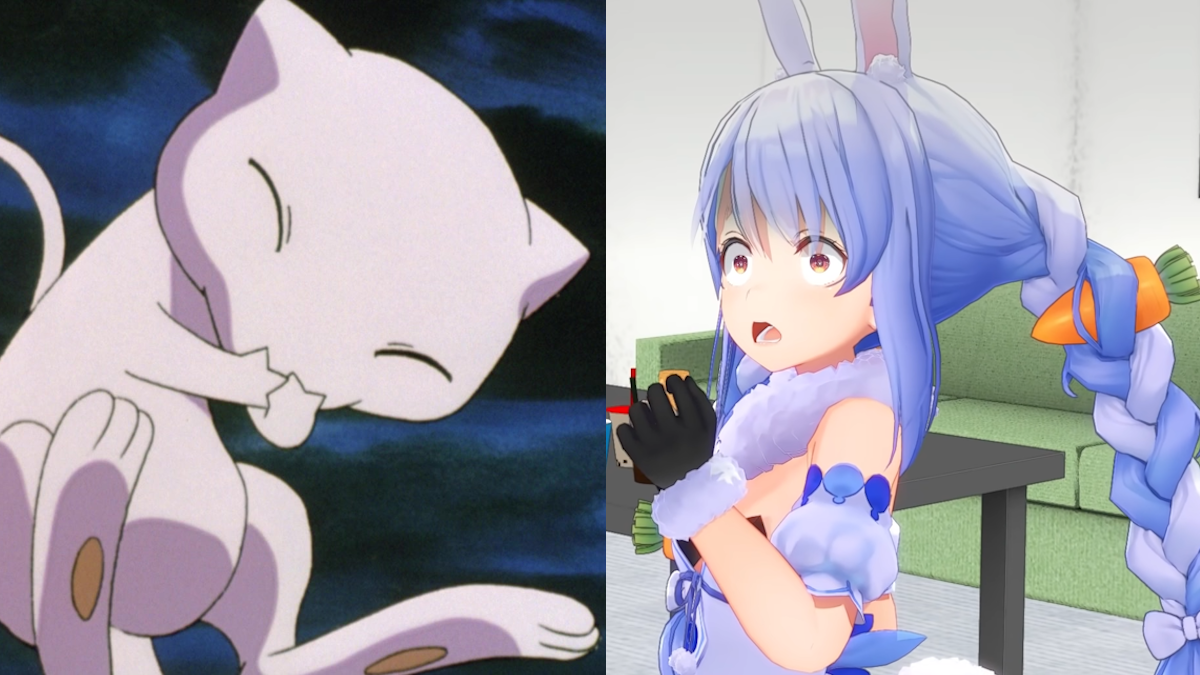
Her goal was to access the "Old Sea Map," a rare, event-exclusive item that allows players to travel to Faraway Island to encounter Mew. In the original 2005 release, this item was distributed via limited-time, real-world Nintendo events. By securing a physical cartridge that purportedly contained this item, Pekora hoped to provide her viewers with an authentic, "un-hacked" experience. However, the secondary market for retro gaming is notoriously rife with counterfeit products, and it appears the VTuber inadvertently purchased a modified cartridge.
Chronology of the Incident
The situation unfolded rapidly over the course of several days in early April.
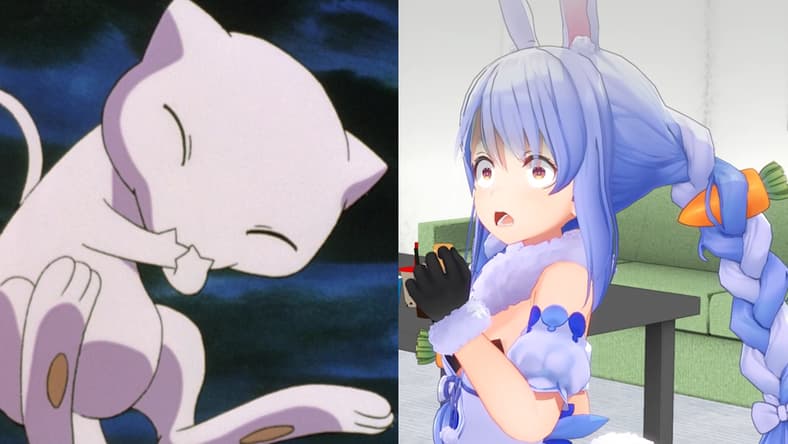
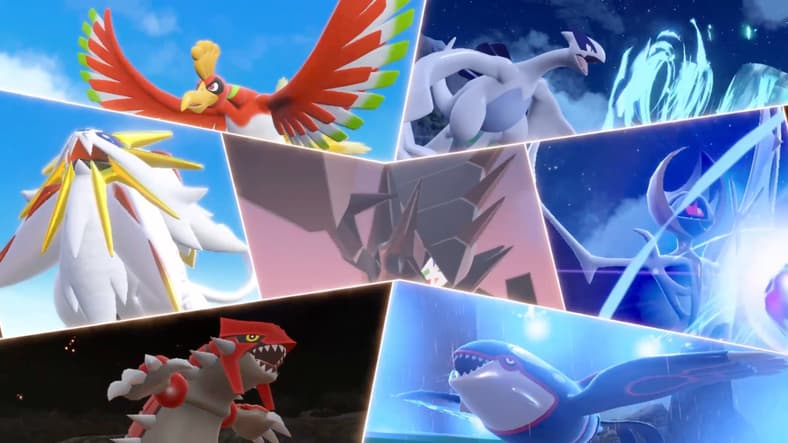
- The Stream: During her broadcast, Pekora expressed genuine excitement upon discovering that the cartridge she purchased contained the rare Old Sea Map and the Mystic Ticket (used to catch Lugia and Ho-Oh). She proceeded to engage with the game, unaware that the data on the cartridge was potentially the result of third-party tampering.
- The Backlash: Sharp-eyed viewers in the chat began to raise concerns that the cartridge was not an original, untouched product, but rather a "repro" or a modified dump designed to mimic official event data.
- The Intervention: Following the broadcast, Nintendo of Japan contacted Cover Corp, the agency managing Hololive, regarding the stream.
- The Takedown: Five days after the broadcast, the archived stream was removed from YouTube. Simultaneously, Cover Corp issued a formal notice regarding the incident, confirming that they had consulted with Nintendo to resolve the matter.
- The Resolution: Pekora addressed her audience in a subsequent stream, expressing her frustration and confusion over the "grey area" of retro collecting, ultimately announcing that she would abandon the pursuit of the Mew on that specific cartridge.
The Legal Landscape: Japanese Law and IP Protection
The tension between content creators and Nintendo is rooted in Japan’s stringent Unfair Competition Prevention Act. Since its amendment in 2019, the law has been aggressively utilized to target the modification and resale of gaming software.
The law specifically prohibits the distribution of tools designed to alter save data, the sale of unauthorized product keys, and the provision of services that modify game data for customers. The penalties are severe: violators can face up to five years in prison or fines reaching up to ¥5 million JPY (approximately $35,000 USD).
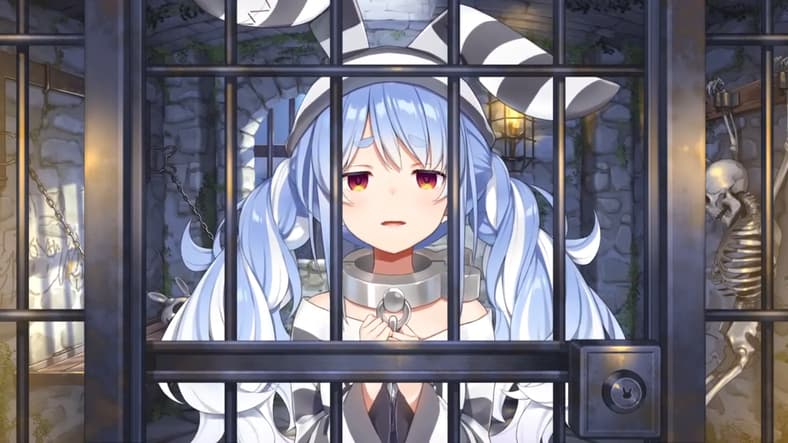
Nintendo has been particularly proactive in enforcing these statutes. In recent months, Japanese authorities have made multiple high-profile arrests involving individuals selling modded Nintendo Switch consoles and hacked save data for titles like Pokémon Scarlet and Violet and Pokémon Sun. For Nintendo, the distinction between a "fan using a cool item" and a "distributor of hacked software" is thin. By allowing a high-profile influencer like Pekora to showcase potentially hacked content, the company risks setting a precedent that could undermine their legal efforts to curb the black-market trade of modified save files and counterfeit hardware.
Official Responses and Corporate Governance
Cover Corp’s official statement was a masterclass in corporate damage control. The statement, titled "Notice Concerning Response to Game Distribution Suspected of Violating Guidelines," served to distance the agency from the unauthorized software.

"We have consulted with Nintendo Corporation, the distributor of the game software in question, regarding the content of a recent game distribution that was suspected of violating the guidelines," the statement read. The company emphasized that Nintendo requested the video be made private to avoid "misunderstanding."
Crucially, the agency committed to "improving the flow for implementing the project" and educating their talents on the complexities of copyright and fair usage. This signals a shift toward a more conservative approach for Hololive, ensuring that any future retro gaming content is vetted with extreme caution. The company’s plea for fans to "refrain from contacting the talent or related parties directly" highlighted the volatility of the situation, as the incident polarized the fanbase.
The Community Divide
The reaction on social media platform X (formerly Twitter) revealed a stark contrast between Western and Japanese audiences. Many English-speaking fans perceived the incident as yet another instance of Nintendo’s "anti-consumer" stance on emulation and retro gaming, pointing out that Nintendo no longer sells Pokémon Emerald or provides an official way to obtain the Old Sea Map in 2025.
Conversely, the Japanese discourse was largely more supportive of the regulatory approach. Many domestic fans expressed relief that the issue was resolved quickly, viewing it as a necessary measure to protect the reputation of the agency and its talents. The cultural expectation in Japan regarding intellectual property is significantly more aligned with the manufacturer’s rights, and the fear that a beloved streamer could face legal repercussions for copyright infringement weighed heavily on the community.

Implications for the Future of VTubing
This incident serves as a cautionary tale for the burgeoning VTuber industry. As these creators move from niche internet personalities to mainstream entertainment figures, their ability to play classic games is increasingly constrained by corporate legal departments.
1. The Death of "Unscripted" Retro Streams
Previously, streamers could simply plug in an old console and play. Now, with the threat of DMCA takedowns and corporate intervention, agencies are likely to implement "whitelist" policies for games. This could effectively end the era of streamers randomly choosing retro titles to play on a whim, as every game must be vetted to ensure it doesn’t violate any obscure terms of service.
2. The High Cost of Physical Media
Pekora’s attempt to be "legit" by buying physical copies backfired because the retro market is flooded with high-quality fakes. This creates an impossible standard for creators: they must verify the authenticity of 20-year-old hardware, which is often indistinguishable from modern, high-quality reproductions.
3. The "Gray Zone" of Preservation
While critics argue that Nintendo is stifling game preservation, the company views these measures as essential for brand integrity. The case of the 58-year-old man who recently received a suspended prison sentence for selling modded Switches highlights that Nintendo is not merely concerned with the content of the stream, but with the entire ecosystem of unauthorized modifications.
Conclusion: A Lesson in Caution
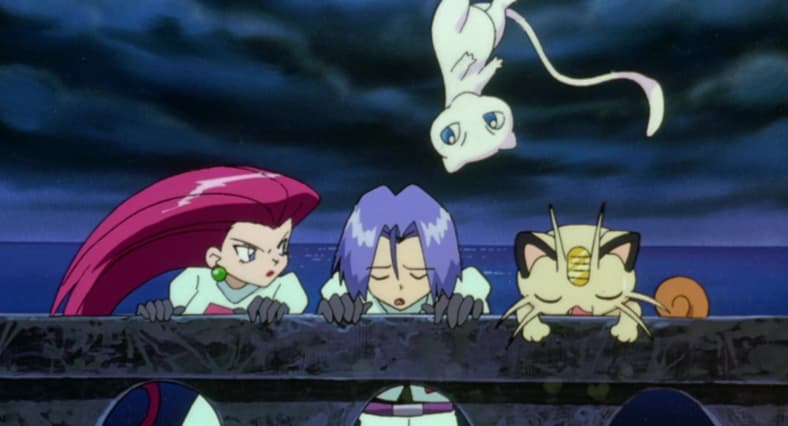
Usada Pekora’s "Mew-hunt" ultimately ended in a diplomatic retreat. Her frustration—expressed during her April 3rd follow-up stream—was palpable as she realized that even a "legitimate" purchase of an old cartridge could be deemed a legal liability.
"It will be meaningless if it’s fake," she lamented. "I don’t know who is right. I won’t be catching Mew anymore."
This incident underscores the reality of the modern gaming economy: for high-profile influencers, the line between "playing a game" and "violating intellectual property law" has never been thinner. As Nintendo continues to aggressively protect its IP, streamers and their agencies are forced to navigate an increasingly restrictive environment where even the most innocent nostalgic impulses can trigger a corporate, and potentially legal, correction. For now, the "Usada Rabbit" has learned that in the world of corporate gaming, some doors—and some save files—are better left unopened.


 Muslim