

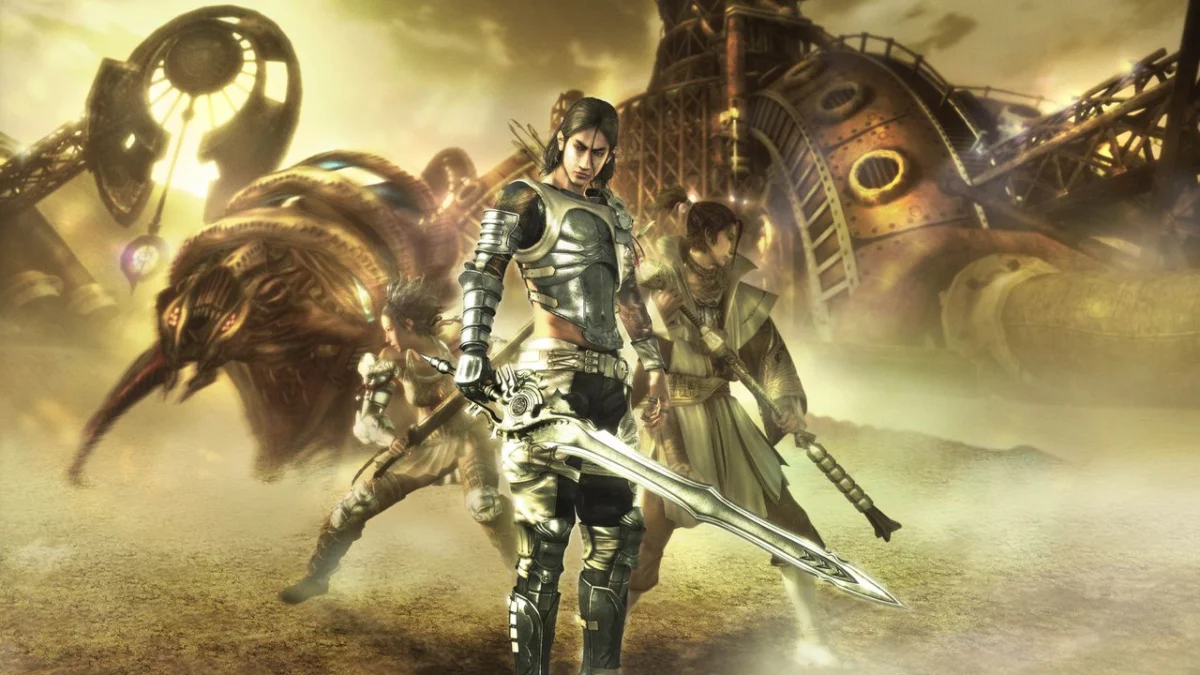
In the landscape of modern gaming, where high-octane action and live-service models often dominate the conversation, there exists a quiet, haunting relic that demands to be revisited. Lost Odyssey, the 2008 epic helmed by Final Fantasy creator Hironobu Sakaguchi and developed by Mistwalker, stands as a testament to a bygone era of Japanese Role-Playing Games (JRPGs). It is a game defined by its deliberate pacing, its emotional weight, and its refusal to abandon the structural traditions that once made the genre a global powerhouse.
The Premise: An Immortal’s Burden
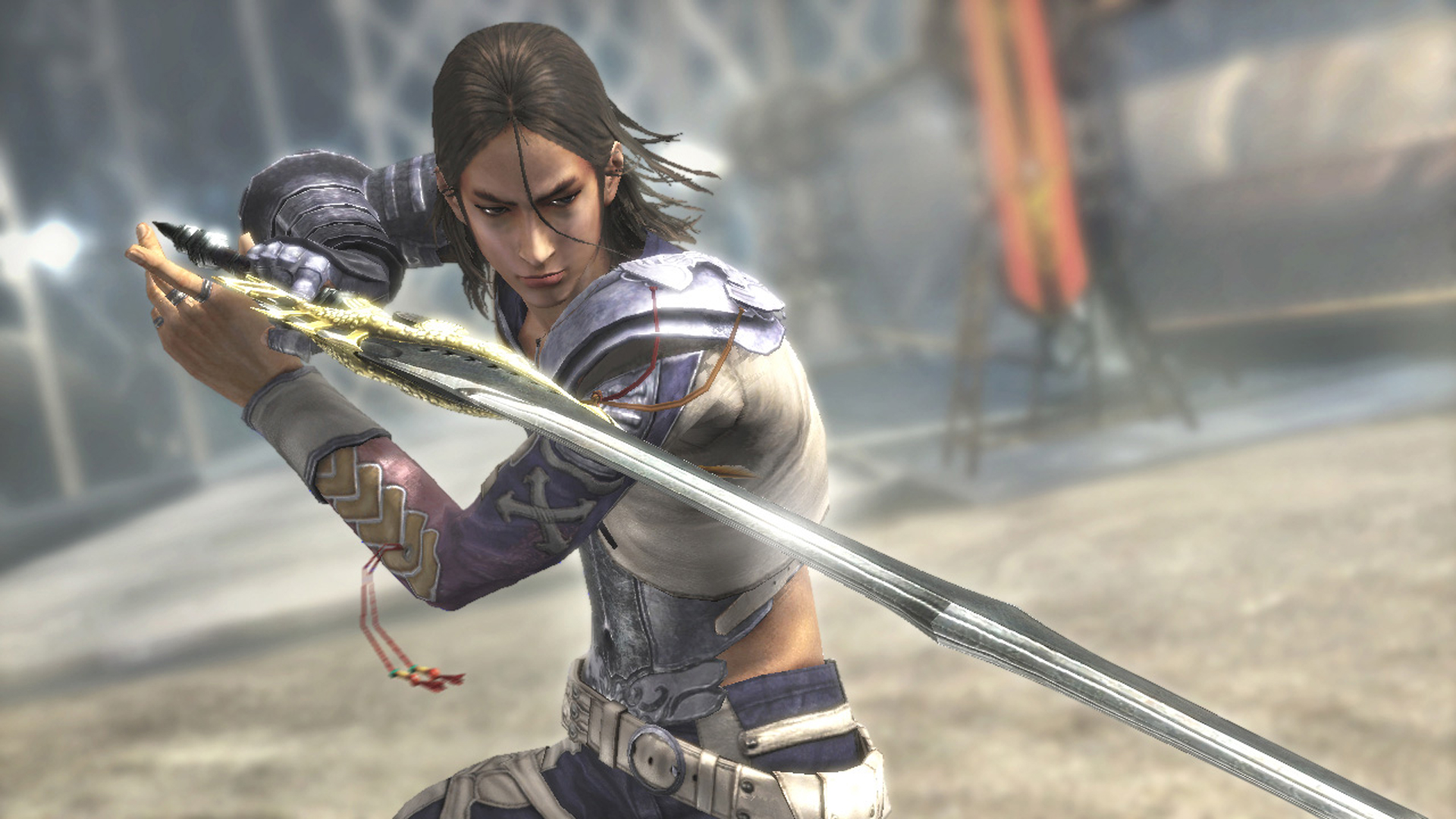
At its core, Lost Odyssey is a meditation on the agony of immortality. The story follows Kaim Argonar, an amnesiac mercenary who has lived for a millennium. He is one of the few "immortals" wandering a world undergoing a "magic-industrial revolution"—a setting where feudal structures have collided with high-technology, resulting in a society powered by magical energy that mirrors our own transition into the nuclear age.
The narrative hook is uniquely delivered through "A Thousand Years of Dreams." These are short, text-based vignettes that appear as Kaim uncovers his suppressed memories. Rather than relying solely on high-budget cinematics, these stories offer poignant, beautifully written windows into the lives of those Kaim has known and outlived over ten centuries. It is an old-fashioned narrative device that, paradoxically, achieves a level of intimacy that modern, voice-acted cutscenes often struggle to replicate.
Chronology and Development: A Quest for Tradition
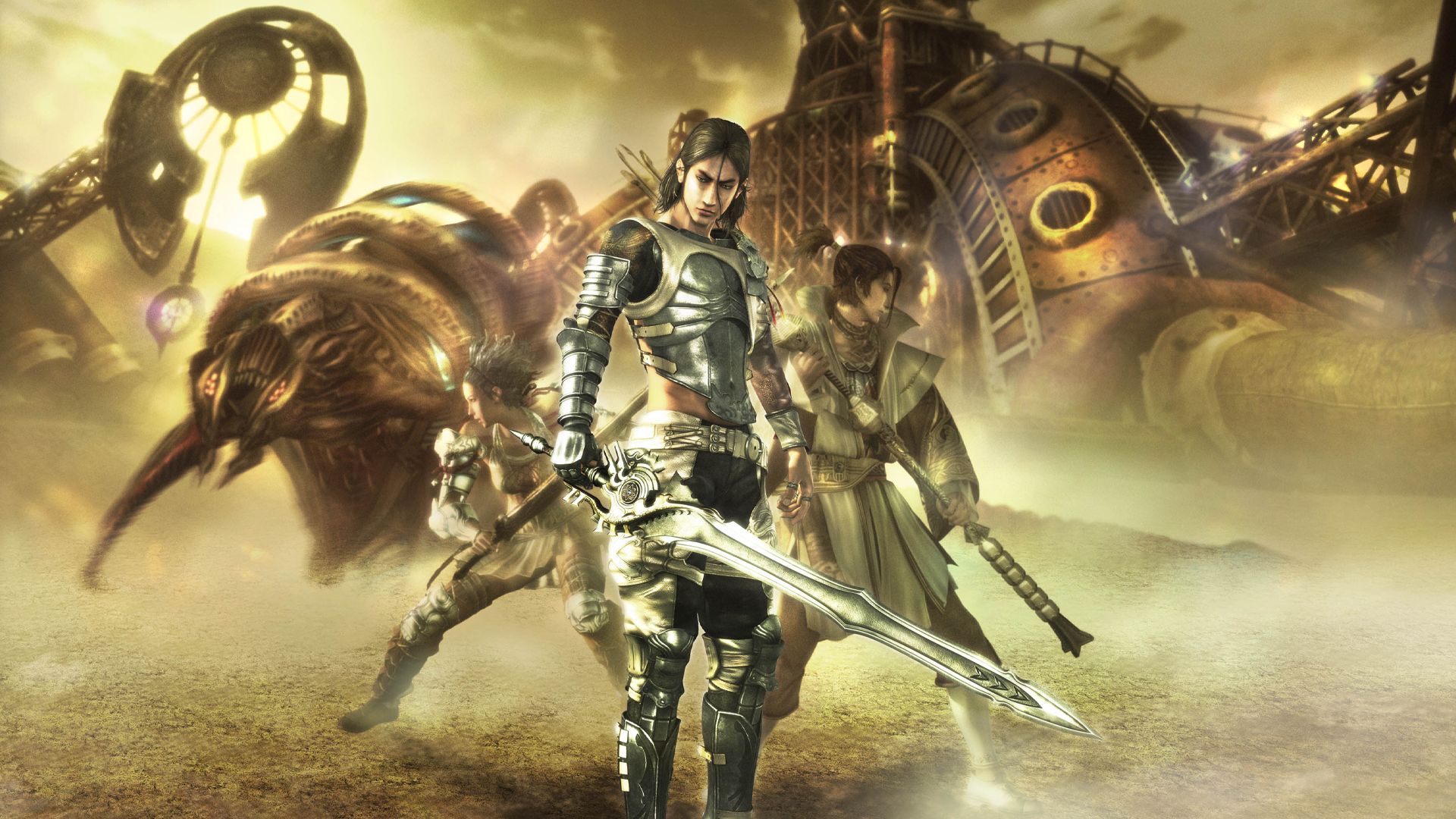
To understand Lost Odyssey, one must look at the climate of the late 2000s. As the industry pivoted toward western-influenced design and streamlined experiences, Sakaguchi’s Mistwalker embarked on a deliberate mission to preserve the "old form."
- 2007-2008: Lost Odyssey is released for the Xbox 360. It arrives as a direct counter-programming to the trajectory of the Final Fantasy series, which was beginning to experiment with more action-oriented combat and abstract storytelling.
- The Design Philosophy: The development team utilized the power of the Xbox 360 to create a world of massive, sprawling cities like Uhra, yet they anchored the gameplay in the familiar rhythms of the 1990s: turn-based battles, random encounters, and meticulous dungeon exploration.
- Post-Release Legacy: While Mistwalker eventually shifted its focus toward mobile gaming, Lost Odyssey remained a cult classic. Through the power of modern backwards compatibility on Xbox One and Xbox Series X, the title has seen a resurgence, allowing a new generation of players to experience its deliberate, classical mechanics.
Supporting Data: The Mechanics of Immortality
Lost Odyssey does not merely mimic the past; it refines it. The game’s combat system is a sophisticated evolution of the traditional turn-based model:
- The Guard Condition: The party is divided into a front and back row. Front-row characters utilize a "Guard Meter" to absorb damage, protecting the more vulnerable casters in the rear.
- The Ring System: Combat is not merely a menu-selection exercise. Players must time button presses to execute "rings," which provide bonus damage and status effects. It injects a sense of kinetic urgency into otherwise static battles.
- Skill Synthesis: Perhaps the most compelling mechanic is the link between mortals and immortals. While immortals can live forever, they do not gain new skills through leveling up alone. Instead, they must fight alongside mortal party members, "learning" skills through observation and experience. This creates a symbiotic relationship that reinforces the game’s themes of human connection and mortality.
Official Perspectives and Critical Reception
At the time of its release, critical consensus was largely positive, though polarized by its "old-school" sensibilities. Critics praised the emotional depth of the "Dreams" sequences, with many comparing the narrative impact to the most beloved entries in the Final Fantasy franchise.
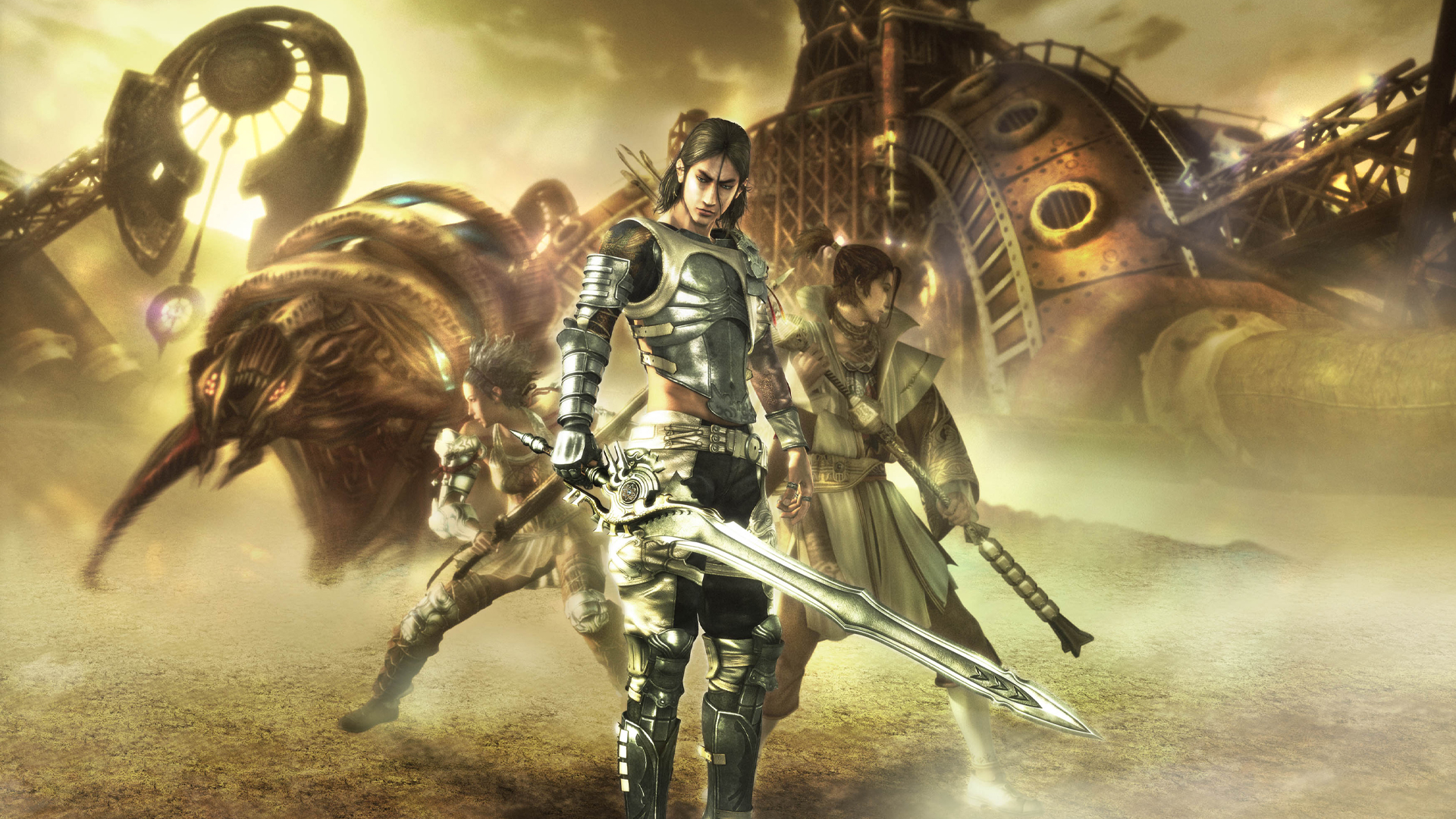
However, the game faced scrutiny for its pacing. Some reviewers found the random encounters and the slow, deliberate nature of the exploration to be "dated" compared to the trend toward seamless, open-world environments. Yet, in retrospect, this "dated" quality is precisely what has granted the game its longevity. In an age of sensory overload, Lost Odyssey’s refusal to rush serves as a sanctuary for players who prefer a methodical, deliberate experience.
Implications: The Anti-Progress Narrative
The ideological backbone of Lost Odyssey is a curious one. The world of Uhra is a cautionary tale about the dangers of technological hubris. From the opening battle—a horrifying clash between swordsmen and industrial war machines—to the eventual discovery of the "Grand Staff," the game suggests that while humanity’s drive for progress is inevitable, it often comes at the cost of our humanity.
The game’s ending is notably conservative. Characters return to their lands, monarchies are restored, and the protagonists retreat to a life of farming. For some, this represents an "anti-progress" stance, a rejection of the march of history. However, from a narrative standpoint, it is a resolution that values the quiet dignity of the past over the destructive velocity of the future. It is a bold creative choice that forces the player to consider the value of what we leave behind when we rush toward the next technological horizon.
A Legacy of "Upstreamers"
In the game, there is a group known as the "Upstreamers," people who spend their entire lives walking against the wind, searching for its source. It is a metaphor for the developer’s own journey—creating a traditional JRPG in a time when the genre was being swept away by new design philosophies.
Whether one finds this commitment admirable or regressive depends entirely on their relationship with the medium. For those who view games as a constantly evolving product, Lost Odyssey might feel like an obstacle. But for those who view games as a medium for storytelling, it is a profound journey.
The game reminds us that there is value in the "old ways." Just as Kaim must confront his memories to become whole, the gaming industry often finds its soul by looking backward at the foundational texts that defined its identity. Lost Odyssey remains one of the best RPGs on the Xbox platform—not because it broke new ground, but because it reminded us that sometimes, the most profound progress is found by standing still, reflecting, and remembering where we came from.
How to Experience the Journey Today
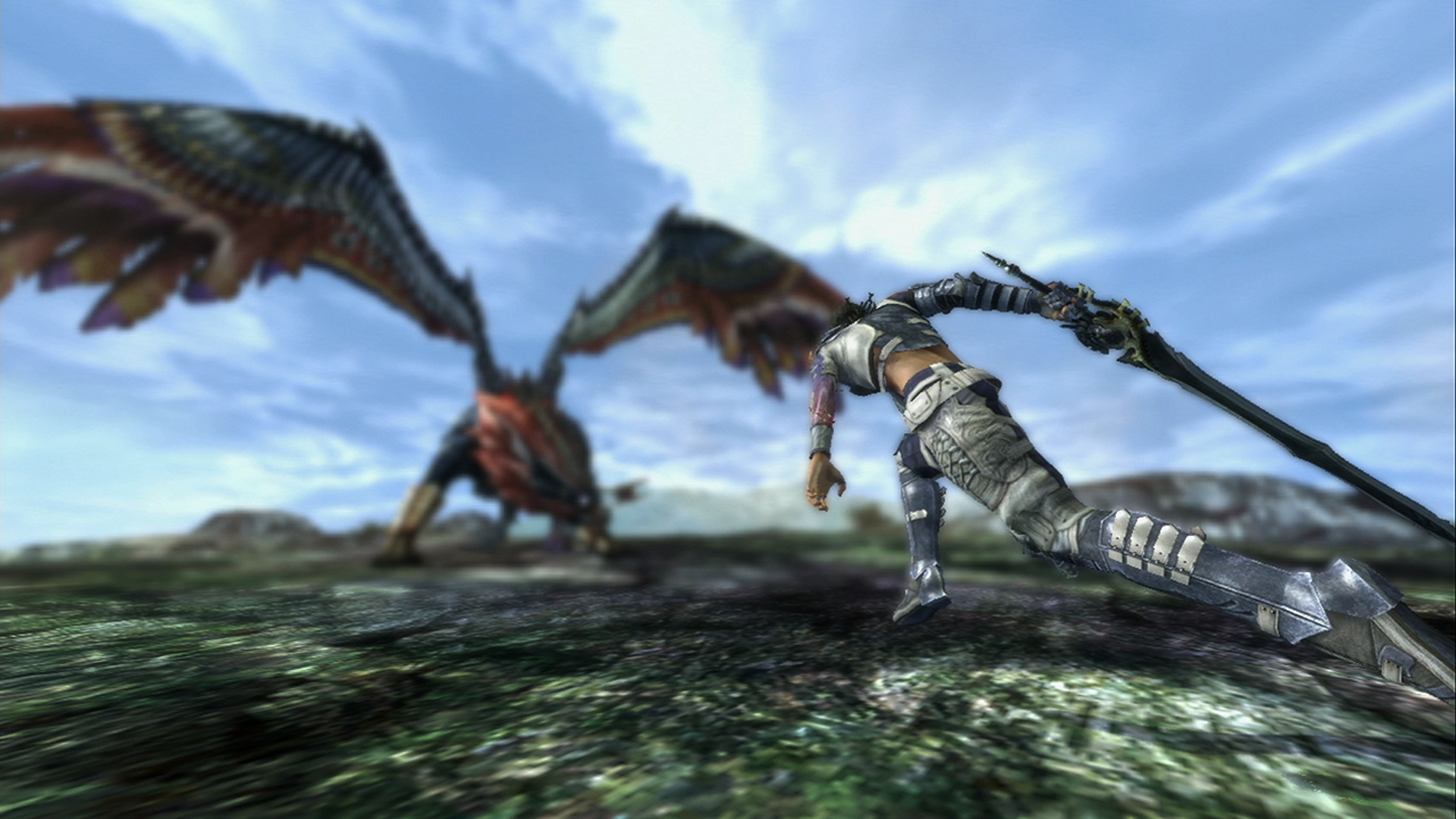
For those interested in exploring this artifact of the mid-2000s, the barrier to entry is lower than ever. Thanks to Microsoft’s industry-leading backwards compatibility program, Lost Odyssey is playable on modern hardware with improved performance, including faster load times that mitigate some of the "waste of time" quips Kaim makes during battle.
It is a title that rewards patience. It asks you to read, to listen, and to engage with a combat system that requires strategy rather than reflexes. In an industry that is always looking for the "next big thing," Lost Odyssey stands as a quiet, stubborn reminder that a story well-told—no matter how traditional the delivery—never truly goes out of style. It is a journey that, like the Upstreamers, continues to move against the current, waiting for those who are willing to walk with it.











No comments yet. Be the first to join the conversation!