

One batch, two batch, penny and spoilers. Readers are advised that this analysis contains significant plot details regarding "The Punisher: One Last Kill."
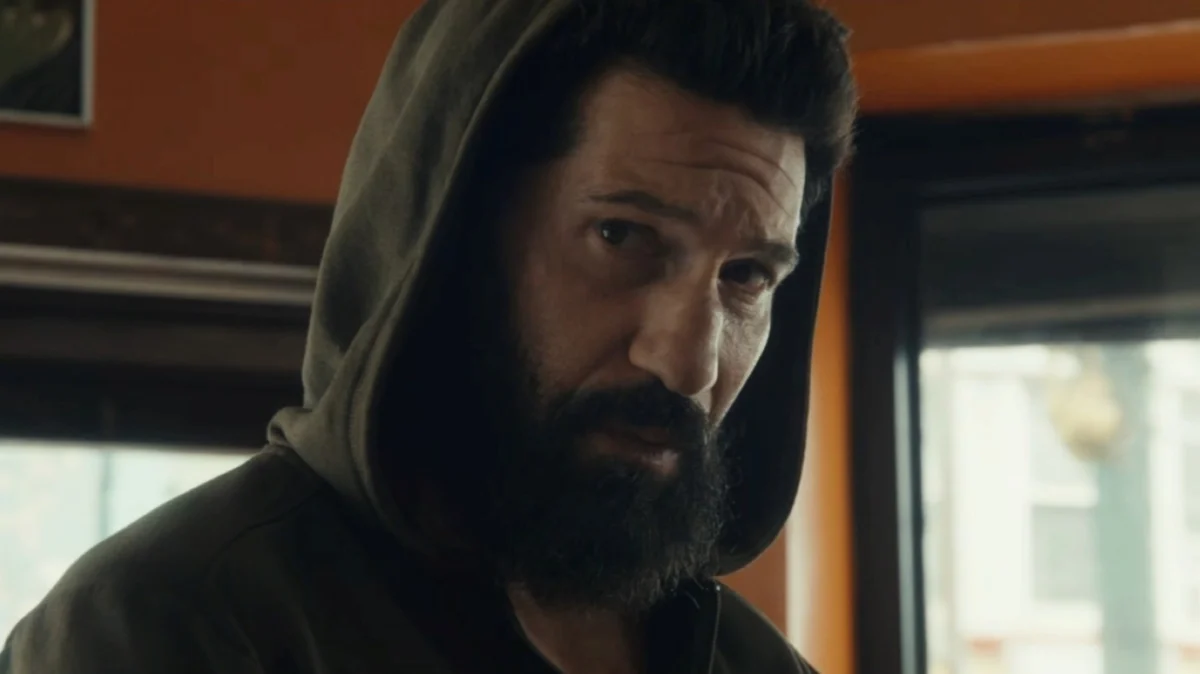
In the sprawling, interconnected tapestry of the Marvel Cinematic Universe (MCU), few characters command the level of visceral anticipation as Frank Castle. Played with haunting intensity by Jon Bernthal, the Punisher has long existed as a jagged, uncomfortable outlier in a world of capes and cosmic deities. With the release of the Marvel "Special Presentation" The Punisher: One Last Kill, directed by Reinaldo Marcus Green, the character has returned to the forefront of the cultural conversation. Yet, as the credits roll, fans are left grappling with a narrative choice that defies the standard Marvel formula: a story that prioritizes character study over the relentless pursuit of the next crossover.
Main Facts: The Return of Frank Castle
The Punisher: One Last Kill serves as a bridge between the gritty streets of the Netflix-era Marvel shows and the evolving landscape of the MCU’s current phase. Following his appearance in Daredevil: Born Again Season 1, Frank Castle vanished from the public eye. While the events of Born Again Season 2 unfolded—featuring the machinations of Wilson Fisk and the political volatility of a changing New York City—Castle was noticeably absent, occupied by a self-imposed exile defined by a "dark night of the soul."
The special, a standalone narrative, tracks Castle as he systematically dismantles a criminal syndicate that threatens the fragile peace he has attempted to cultivate. Unlike previous MCU entries that rely heavily on inter-textual breadcrumbs, One Last Kill is a localized, claustrophobic exploration of trauma, violence, and the burden of the skull insignia. The central fact remains: the special answers the question of "Where is Frank Castle?" without forcing him into the grander, more colorful conflicts of the Avengers or the burgeoning supernatural threats of the Multiverse.
Chronology: The Vigilante’s Path
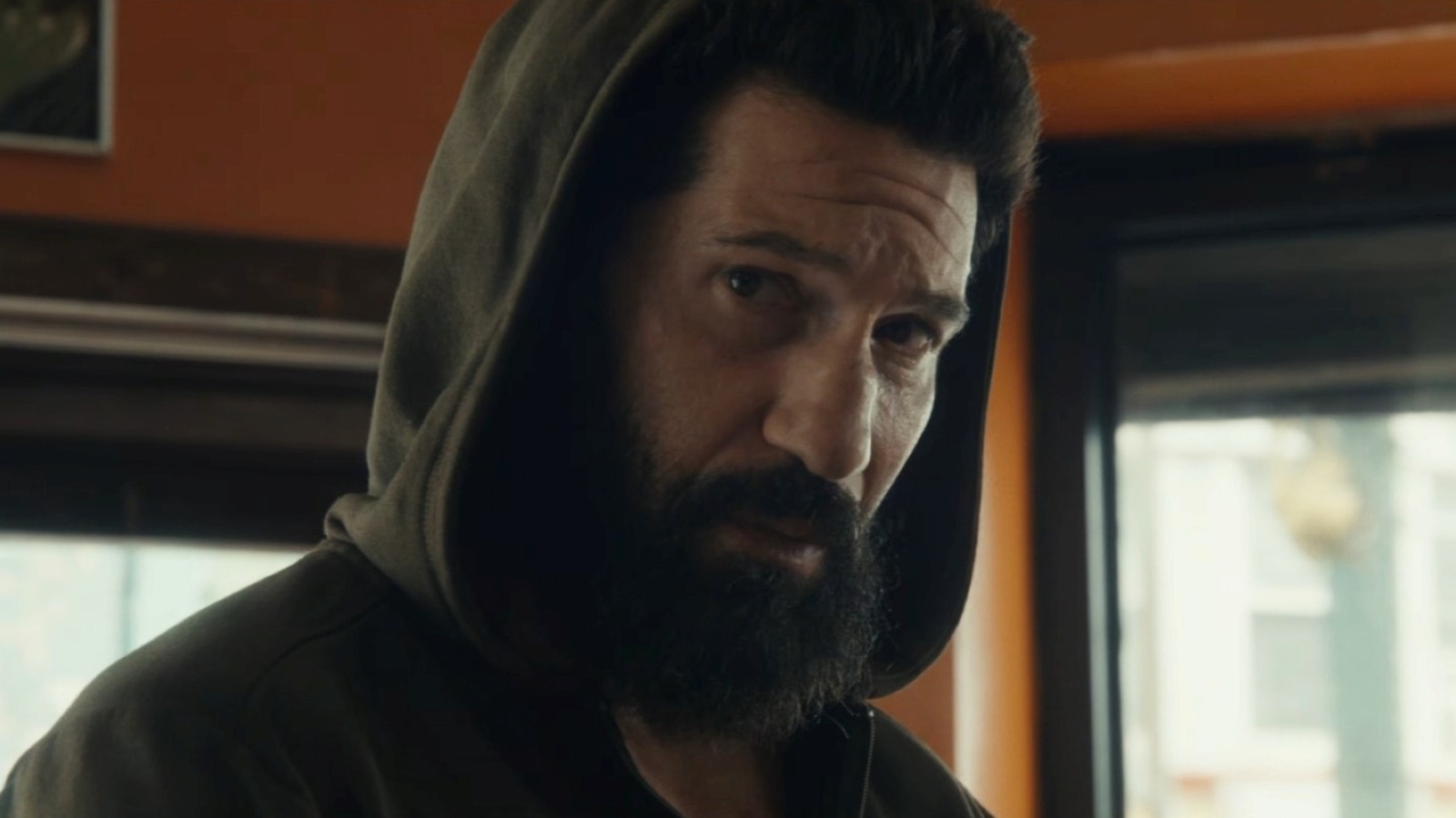
To understand the weight of One Last Kill, one must place it within the broader chronology of the street-level MCU.
- The Netflix Era: Frank Castle was introduced as an antagonist-turned-anti-hero in Daredevil Season 2, followed by two seasons of his own spin-off series, which established his origins as a war veteran seeking retribution for his family’s murder.
- The Disney+ Integration: Following the acquisition of the rights to the Marvel Netflix library, Bernthal’s Punisher was folded into the MCU proper via Daredevil: Born Again Season 1, where he briefly intersected with Matt Murdock’s narrative arc.
- The Interstitial Gap: During the events of Daredevil: Born Again Season 2, Castle was absent. One Last Kill serves as an "in-between" chapter, explaining that his absence was not merely a matter of proximity, but a conscious withdrawal from the larger superhero theater.
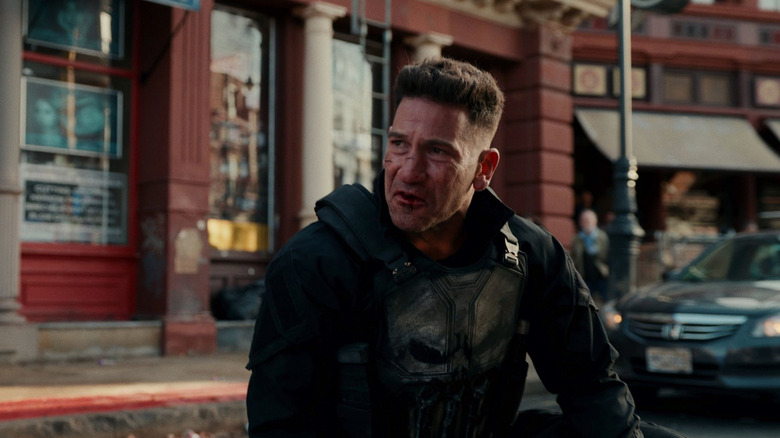
- The Future: The special concludes with Castle fully reclaiming his iconic tactical gear and skull vest, signaling his readiness for the events of Spider-Man: Brand New Day.
Supporting Data: Character Continuity and the "Outfit" Metaphor
A recurring motif in the history of Frank Castle is the psychological significance of his costume. In the Netflix series, the skull vest was not merely a tactical necessity; it was a manifestation of his psychological descent. One Last Kill leans heavily into this symbolism. By the final act, when Castle dons the vest, it is a definitive statement of intent.
This narrative choice provides a sense of closure for long-term viewers. For those who were frustrated by the piecemeal nature of his appearances, the special offers a "reset" button. Director Reinaldo Marcus Green, working in collaboration with Bernthal on the script, ensures that the visual language of the special aligns with the darker, grittier roots of the character. While the special lacks the high-budget spectacle of a Spider-Man film, its focus on the "earned" nature of the Punisher persona serves as a narrative anchor. It confirms that whether or not a viewer has seen the previous series, the character is now positioned as a fully realized, static force of nature ready for his next major outing.
Official Responses and Creative Intent
The creative decision to keep The Punisher: One Last Kill isolated from the larger MCU machinery has sparked debate. Marvel Studios has long been criticized for the "homework" required of its audience—the feeling that one must consume a dozen hours of streaming television to understand a single movie plot point.
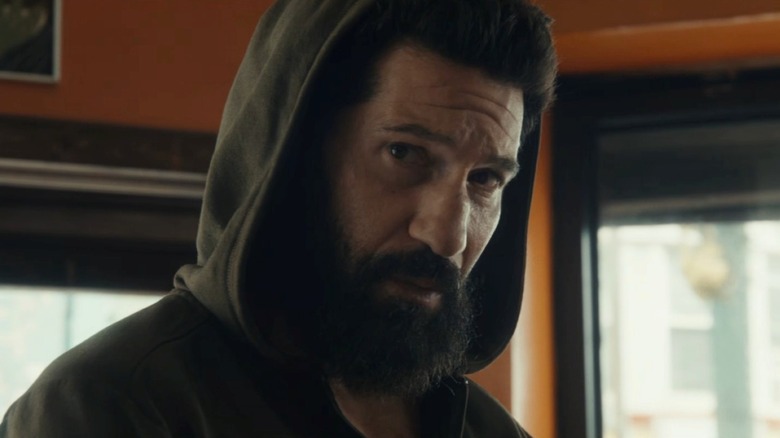
Reinaldo Marcus Green’s approach marks a departure from this trend. By keeping the narrative scope limited to New York City’s underbelly and ignoring the geopolitical chaos swirling around the Mayor’s office in Born Again, the special respects the audience’s time. The creative team’s intent appears to be twofold:
- Character Preservation: To keep the Punisher grounded, preventing his characterization from being diluted by the "wackier" elements of the MCU.
- Accessibility: To create a "plug-and-play" experience. As the industry moves away from the aggressive cross-media requirements of the late 2010s, One Last Kill stands as a model for how the MCU might handle its more violent, niche characters in the future.
Implications: A New Strategy for the MCU
The success (and relative isolation) of The Punisher: One Last Kill has profound implications for the future of the MCU. For years, the studio’s business-minded decision to force integration across all media platforms led to market saturation. This "cross-media nightmare," as some critics have dubbed it, alienated casual viewers and created high barriers to entry for new fans.
The Shift Toward "Standalone" Storytelling
The MCU is currently in a transitionary period. With the upcoming Spider-Man: Brand New Day on the horizon, the studio is under pressure to streamline its narrative. One Last Kill proves that it is possible to maintain a character’s continuity without forcing them into every major crossover event. This is a critical development for the franchise’s sustainability.
The Audience Factor
For the "completist" audience, the special provides the necessary context to appreciate Frank Castle’s return in future films. For the casual viewer, the special is entirely skippable. This is the "golden mean" of franchise management: providing depth for those who want it, while ensuring the broader audience is not hindered by a lack of prior knowledge.
The Future of Street-Level Heroes
As we look toward Spider-Man: Brand New Day, the presence of a fully-equipped Punisher changes the dynamic of the film. We are no longer waiting for Frank Castle to "become" the Punisher; he is already there. This allows future directors to focus on the chemistry between heroes and the thematic clashes of their ideologies, rather than wasting screen time on origin-story housekeeping.
Conclusion
The Punisher: One Last Kill is a reminder that the most compelling stories are often the ones that know when to stop. By resisting the urge to tie the special into the larger Multiverse saga or the complex political maneuvering of the Daredevil series, the creative team has delivered a taut, focused, and ultimately satisfying character study.
It is a testament to the versatility of Jon Bernthal, who remains the definitive face of Frank Castle, that he can carry the weight of this special with so little dialogue and so much visual storytelling. While fans may still be reeling from the radical changes occurring in the wider MCU—from the introduction of Doctor Doom to the evolving state of Peter Parker—they can rest easy knowing that the Punisher is exactly where he needs to be. He is back in the shadows, back in the vest, and ready for whatever "brand new day" awaits him in the streets of Manhattan. For those who care to look, the answers are all there; for those who don’t, the story remains intact, proving that sometimes, the best way to move forward is to let a character stand alone.











No comments yet. Be the first to join the conversation!