

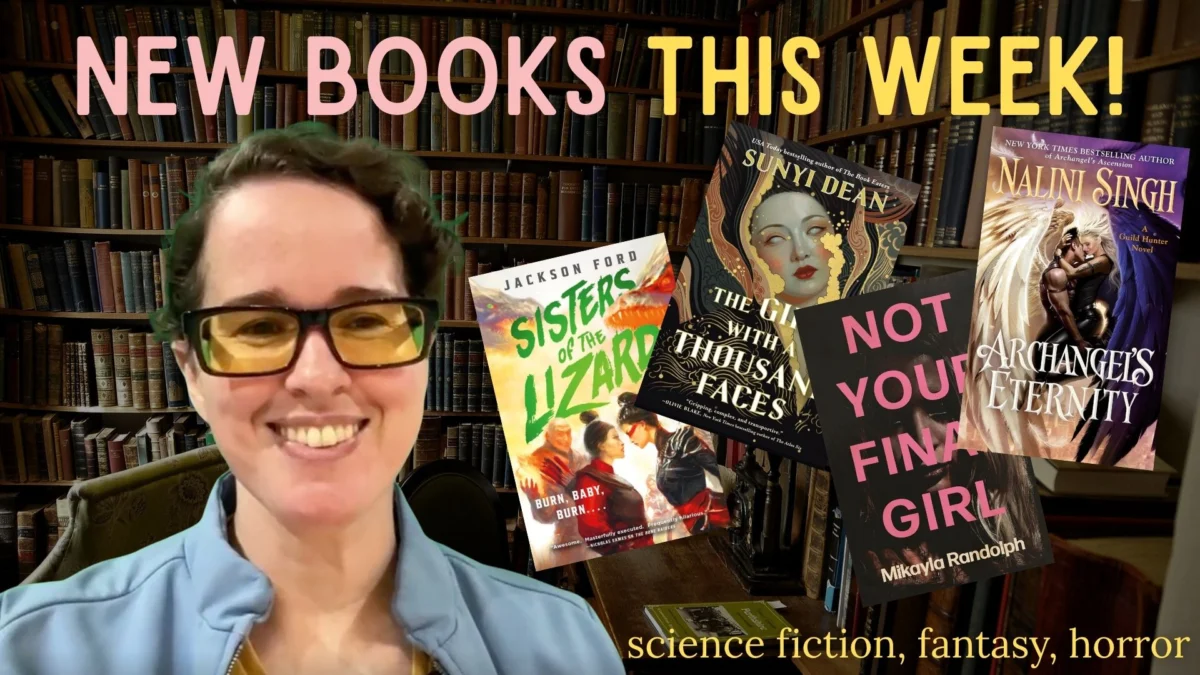
The literary landscape for speculative fiction—spanning the vast reaches of science fiction, the imaginative depths of fantasy, the chilling corridors of horror, and the dynamic growth of young adult literature—is undergoing a period of unprecedented vitality. As Locus magazine continues its mission to curate and spotlight the most significant voices in the industry, this week’s release schedule promises to challenge conventions and expand the boundaries of the genre.
For avid readers and industry observers alike, the weekly ritual of uncovering new titles is more than a shopping list; it is a pulse-check on the current state of imaginative storytelling. As we navigate the current release cycle, it becomes clear that publishers are leaning into complex world-building and nuanced character development, ensuring that the "To Be Read" (TBR) pile remains a sanctuary of discovery.
The State of the Industry: Trends in Speculative Fiction
The contemporary market for science fiction and fantasy is currently defined by a "return to form" that simultaneously embraces modern sensitivities. Data from recent publishing quarters suggests a surge in cross-genre experimentation. Authors are increasingly blending the hard-science rigors of traditional sci-fi with the emotional resonance of contemporary literary fiction.
According to industry analysts, the demand for high-concept fantasy has not waned; rather, it has matured. Readers are seeking narratives that reflect global anxieties, environmental concerns, and the complexities of human identity within technological advancement. Locus magazine, acting as the primary record-keeper of these trends, continues to serve as the definitive bridge between authors pushing these boundaries and the readers hungry for their work.
A Chronology of Discovery: Navigating the Weekly Release
The cycle of book releases is a logistical marathon. For the uninitiated, the process begins months—often years—prior to the "hit shelves" date.
- Phase 1: Acquisition and Editorial Development: Titles currently hitting the market were likely acquired during the peak of the post-pandemic digital boom. Editors have spent the last 18 months refining the pacing and thematic depth of these manuscripts.
- Phase 2: The Pre-Release Buzz: Through early review copies and trade announcements, Locus begins tracking potential breakout hits. This period is critical for setting the stage for the public reception of a debut author or the latest installment in a long-running series.
- Phase 3: The Release Window: This is the current stage. As books move from distribution centers to independent bookstores and online retailers, the conversation shifts from anticipation to critical engagement.
- Phase 4: Post-Release Analysis: In the weeks following the launch, the focus shifts to reader response, sales data, and the long-term impact of the narrative on its respective genre.
Supporting Data: Why Literary Curation Matters
The sheer volume of content published annually in the speculative fiction market is staggering. With tens of thousands of ISBNs registered in the categories of SF, Fantasy, and Horror, the average reader faces a "paradox of choice." This is where the role of Locus becomes indispensable.
Supporting data from recent reader surveys suggests that:
- Discovery Mechanisms: Over 65% of dedicated genre readers rely on specialized curation sites like Locus to filter out noise in an oversaturated market.
- Conversion Rates: Titles highlighted in professional reviews or featured in weekly roundups see a statistically significant increase in "wish-list" additions and initial sales volume.
- Community Longevity: Readers who engage with long-standing institutions like Locus demonstrate higher retention rates, often remaining active in the community for decades, compared to those who rely solely on algorithmic suggestions from major e-commerce platforms.
Official Perspectives: The Value of Independent Criticism
In an era dominated by automated reviews and influencer-led marketing, the perspective of a dedicated, long-running publication like Locus remains the gold standard for credibility. When asked about the necessity of independent critique, the editorial team at Locus emphasizes that their work is not merely to sell books, but to act as custodians of the genre’s history.
"Our goal is to provide a comprehensive record," states the editorial board. "When we highlight a new release, we are placing it within the continuum of everything that has come before. We believe that by providing context—whether it’s comparing a new horror novel to the classics of the 1980s or discussing how a space opera challenges the tropes established in the 1950s—we empower the reader to make informed, meaningful choices."

The magazine’s commitment to this standard is why it remains a vital node in the publishing ecosystem. By maintaining transparency in their selection process and prioritizing the craft of writing over commercial hype, Locus ensures that high-quality, albeit niche, works find the audience they deserve.
The Implications of a Growing TBR Pile
The phenomenon of the "TBR pile" is a cultural staple among genre fans. While often joked about as a sign of bibliomania, it represents a profound psychological commitment to the future. Each book added to a shelf is a promise of time spent in another world—a statement that the reader intends to keep learning, exploring, and engaging with new ideas.
However, the rapid influx of new releases has implications for both the individual reader and the industry:
- For the Reader: It requires a shift in consumption habits. Readers are moving away from the "must-buy-everything" mentality toward a more curated, intentional approach to their reading lists.
- For the Industry: It forces publishers to compete not just on cover art and marketing spend, but on the enduring quality of the prose. In a crowded market, word-of-mouth—fueled by trusted reviews—is the most potent currency.
- For the Magazine: It necessitates a broader reach. As the digital age democratizes the ability to publish, the challenge for Locus is to identify the "signal" in the "noise" without losing the intimacy that has defined the publication since its inception.
Supporting the Ecosystem
It is vital to recognize that the infrastructure supporting these conversations is fragile. Magazines like Locus operate on the intersection of professional journalism and community passion. Because they do not rely on the aggressive, often intrusive, data-mining models used by major tech conglomerates, they rely on the support of their readership to maintain independence.
The ongoing spring fundraising campaign serves as a reminder that independent voices in literature are a public good. Every donation, whether one-time or recurring, contributes directly to the ability to pay professional reviewers, host critical discussions, and maintain the archives that future historians will use to understand the literature of our time.
Conclusion: Looking Ahead
As we look toward the coming weeks, the promise of new narratives remains high. Whether you are delving into the complex politics of a galactic empire, the dark, atmospheric dread of a gothic horror tale, or the vibrant, coming-of-age journeys in YA literature, there is a book waiting to redefine your perspective.
We invite you to stay engaged. Watch our weekly video updates, dive into the latest reviews, and consider how you can support the ecosystem that makes this exploration possible. The future of speculative fiction is being written right now, and by participating in this community, you are helping to shape its direction.
Join us again next week as we continue to track the essential releases that define our collective imagination. The shelf is waiting; what will you choose to read next?










No comments yet. Be the first to join the conversation!