

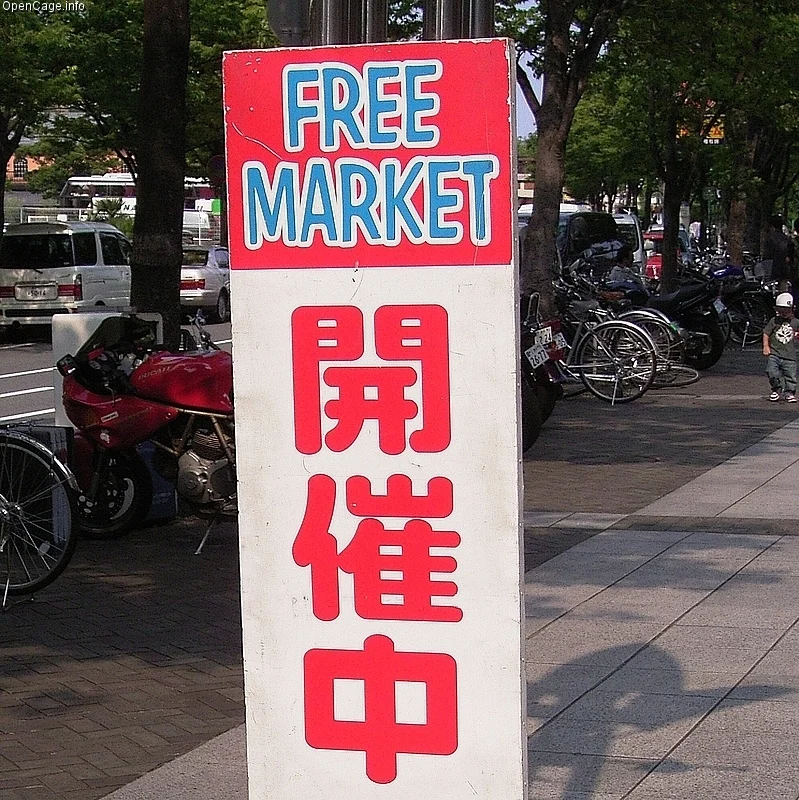
For travelers who have grown accustomed to the polished, predictable circuits of Tokyo’s Ginza or Kyoto’s Gion, Nagoya offers a jarring, vibrant departure from the norm. Tucked into the heart of Japan’s fourth-largest city lies a relic of a bygone era: the Osu Kannon Antique Market. Held on the 18th and 28th of every month, this recurring event transforms the sacred grounds of one of Japan’s most historically significant temples into a bustling, dusty, and mesmerizing open-air bazaar.
Unlike the curated "tourist-trap" markets found in major metropolitan centers, the Osu Kannon market remains a raw, authentic trade hub where local collectors, hoarders, and dealers congregate. It is a place where Edo-period woodblock prints sit side-by-side with Showa-era vinyl records, and where the occasional suit of samurai armor waits—unlabeled and unpriced—for a discerning eye.
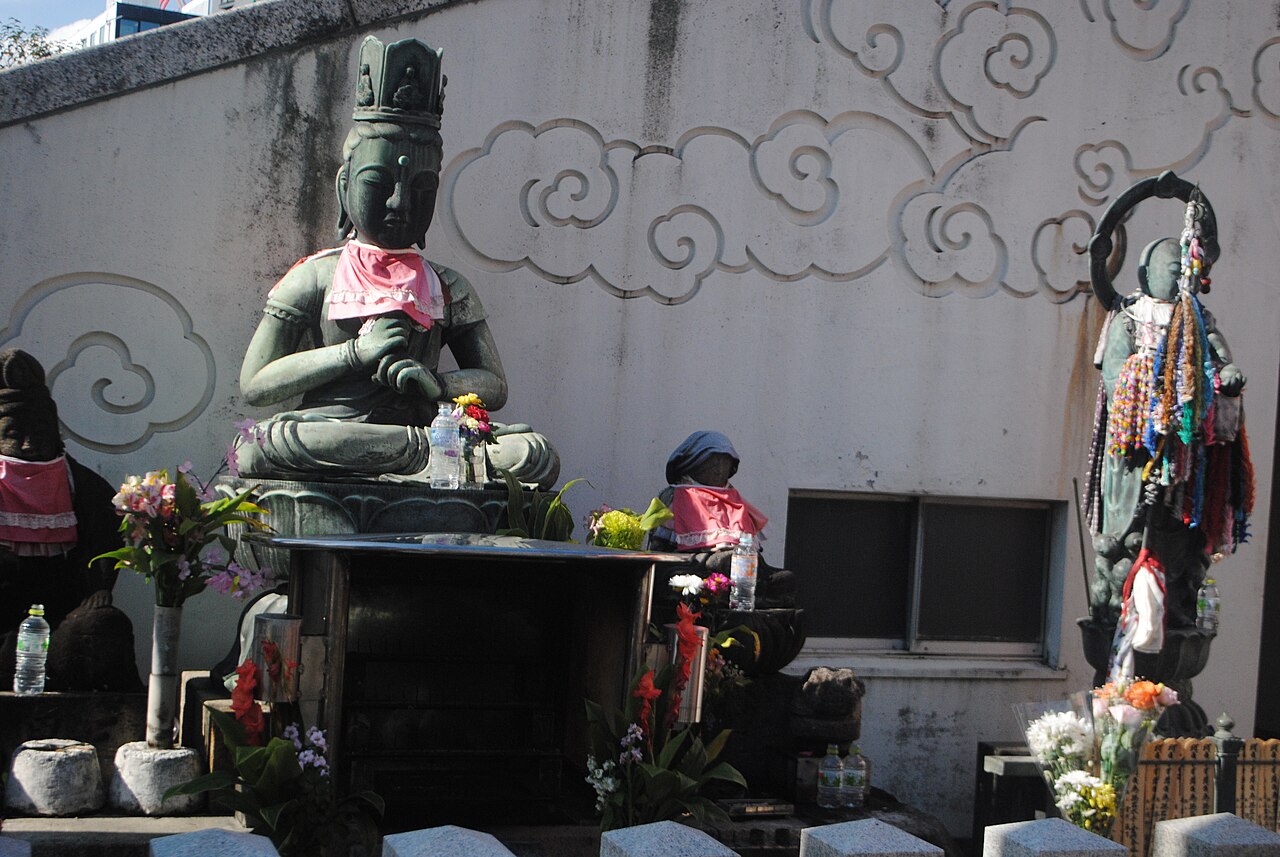
Main Facts: The Pulse of the Market
The Osu Kannon Antique Market is the anchor of Nagoya’s antique scene. On a typical day, the temple precinct hosts approximately 80 vendors, a number that swells significantly when the market dates fall on a weekend. The inventory is as diverse as the history of the region itself, ranging from ¥500 trinkets—ideal for the casual souvenir seeker—to high-end collector items priced upwards of ¥500,000.
Essential Logistics
- Schedule: The 18th and 28th of every month, regardless of national holidays.
- Operating Hours: Sunrise to approximately 16:00.
- Location: Osu Kannon Temple, Naka-ku, Nagoya.
- Access: A short walk from Osu Kannon Station (Tsurumai Line).
- Entry Fee: Free.
A Chronology of Continuity: From 1333 to the Modern Era
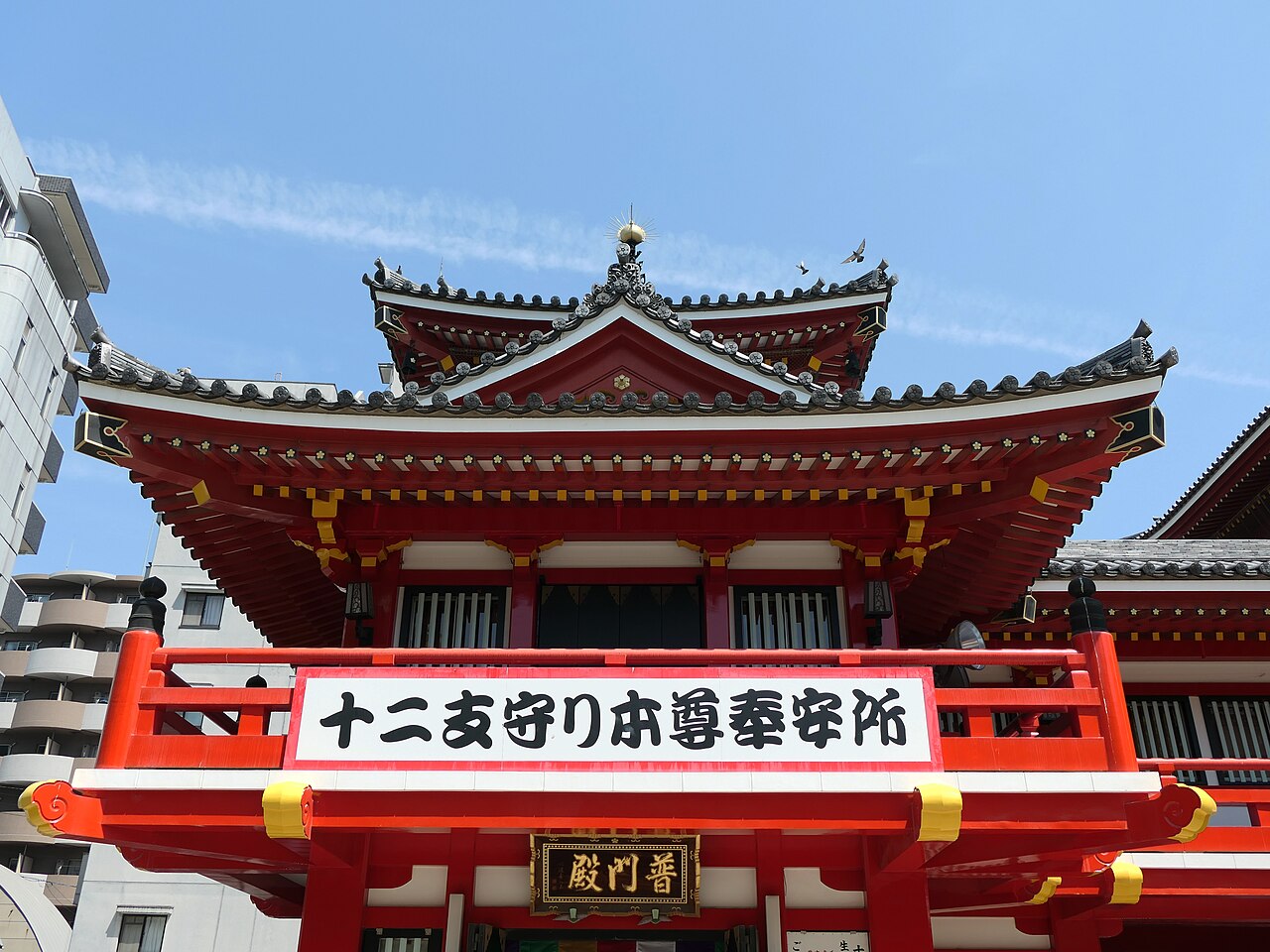
To understand the market, one must first understand the ground upon which it sits. Osu Kannon, or Kitano-san Shinpuku-ji Hōshō-in, is a Shingon-sect Buddhist temple with a lineage dating back to 1333. Originally founded in the former Mino Province, the temple was relocated to its current site in 1612 under the explicit directive of the Shogun Tokugawa Ieyasu. This relocation was a masterstroke of urban planning, intended to anchor the southern commercial district of the newly established Nagoya castle-town.
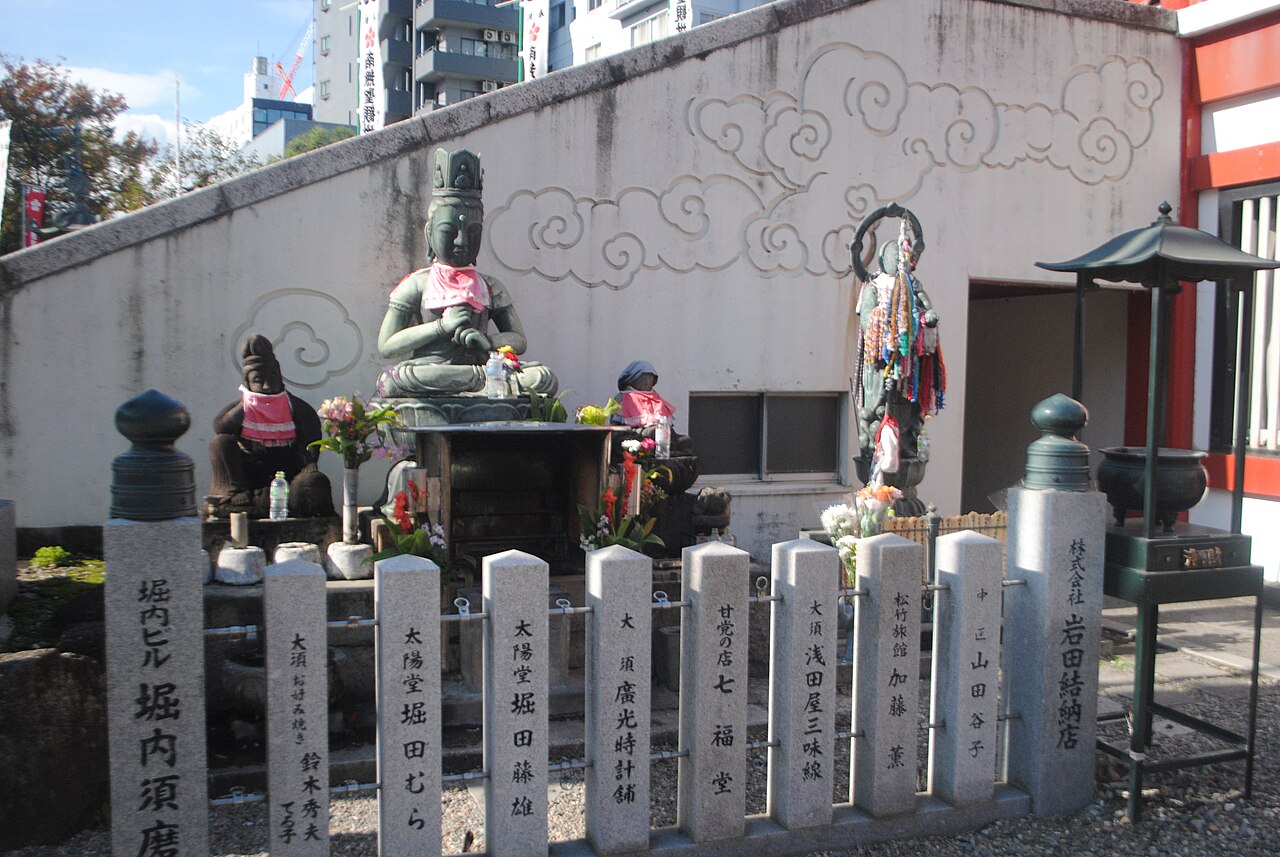
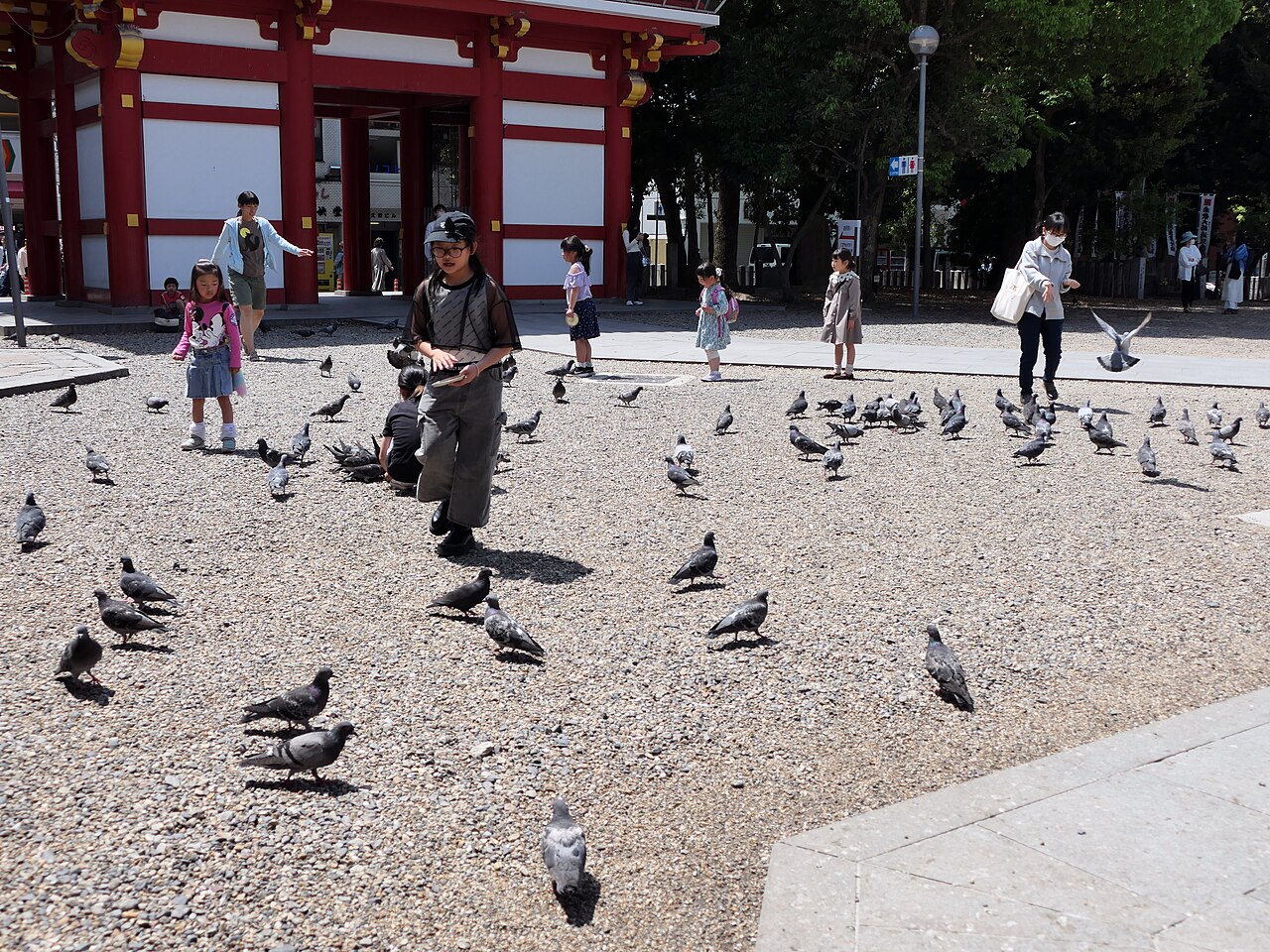
The temple’s historical prestige is immense. It houses the Shinpukuji Bunko, a collection of ancient manuscripts that includes some of the oldest surviving copies of the Kojiki (Japan’s oldest book, dating to 712 AD). While the original manuscripts are strictly preserved in the library wing, their presence infuses the precinct with a gravity that contrasts sharply with the frantic energy of the flea market unfolding just meters away.
The current main hall is a 1970s reconstruction—a necessity following the widespread destruction of Nagoya during World War II—but the site’s "institutional memory" remains unbroken. The transition from a place of quiet, scholarly contemplation to a chaotic marketplace of physical goods is a ritual that has repeated itself for decades, mirroring the resilience of Nagoya’s commercial spirit.
The Taxonomy of Treasure: What to Expect
The market is not curated. It is a working venue, and therein lies its charm. The variety of items is a testament to the layers of Japanese history that have passed through Nagoya households.
- Textiles: Meiji-era and Taisho-era silk kimono and obi belts are staples. For collectors, the variety of patterns and weaving techniques available here often rivals the more expensive boutiques in Kyoto.
- Ceramics: Given Nagoya’s proximity to the Seto and Tokoname kiln districts—two of Japan’s "Six Ancient Kilns"—the market is a goldmine for stoneware. From humble kitchen tea bowls to ornate display vases, the selection is vast.
- Ephemera and Media: Collectors of Showa-era culture will find stacks of vinyl records, vintage film cameras, and pre-war photographs that offer a window into the rapid modernization of 20th-century Japan.
- Military and Samurai Memorabilia: Authentic swords, tsuba (sword guards), and armor fragments appear sporadically. These items are often the "white whales" of the market, buried in boxes beneath piles of mundane household items.
Official Guidelines and Dealer Perspectives
For the foreign visitor, navigating the market requires a blend of etiquette and pragmatism. While the market is largely an informal space, the underlying commerce follows the traditional Japanese rules of engagement.
The Art of the Deal
Haggling is permitted, but it is not the aggressive, high-pressure environment found in Southeast Asian markets. A polite inquiry regarding a price—“Kore wa ikura desu ka?”—is the standard opener. If you decide to negotiate, a 10% to 15% discount is considered a respectful counter-offer. Asking for a 50% reduction is generally seen as offensive and may end the transaction prematurely.
Authentication and Risk
The market does not provide a formal authentication service. When purchasing high-value items, the burden of verification rests entirely on the buyer. "Serious" collectors generally look for hakogaki (inscriptions on the wooden storage box of an item) or dealer certificates. If an item looks too good to be true at a bargain price, it likely is.
Financial Realities
This is a cash-only ecosystem. While a handful of high-end dealers have begun to accept digital payments for transactions exceeding ¥50,000, visitors should operate under the assumption that credit cards are not accepted. The nearest 7-Eleven, located 200 meters from the east gate, serves as the unofficial "bank" for the market.
Broader Implications: The Nagoya Flea Market Network
The Osu Kannon market is the "headline" act, but it is merely one part of a larger, sophisticated circuit of antique trade in Nagoya. Serious hunters can structure their entire trip around the city’s monthly calendar:
- Wakamiya Hachimangu (1st Saturday): Focused heavily on traditional Japanese classical antiques.
- Toyota Daihatsu Shrine (8th of each month): A smaller, community-centric event, excellent for vintage toys and retro household items.
- Shinshoji Temple (2nd Sunday): A hotspot for pottery enthusiasts, owing to its proximity to the Higashiyama district and its specialized ceramic dealers.
- Heiwa Park (Every Sunday): While not exclusively an antique market, this provides a "catch-all" experience for general second-hand goods and local handmade crafts.
This network suggests that Nagoya is not merely an industrial hub, but a city that deeply values the preservation and circulation of its material past. By rotating these markets, the city ensures that its history remains in motion rather than being trapped behind the glass of a museum display.
Strategic Tips for the International Visitor
- Shipping: Most vendors are not equipped for international shipping. For larger purchases, visitors should familiarize themselves with the local Yamato Transport office. They are accustomed to handling fragile antiques and can arrange for surface-mail shipping, which typically ranges from ¥8,000 to ¥15,000 depending on weight and volume.
- Language: While English support is minimal, technology bridges the gap. Google Translate’s real-time camera function is indispensable for reading maker’s marks and price tags.
- The "Goldilocks" Timing: Arriving between 09:00 and 09:30 ensures the best selection. However, for those looking for the lowest prices, the "pack-down" period between 14:00 and 15:30 is optimal; dealers are often more willing to settle for a lower price to avoid the labor of transporting unsold inventory back to their shops.
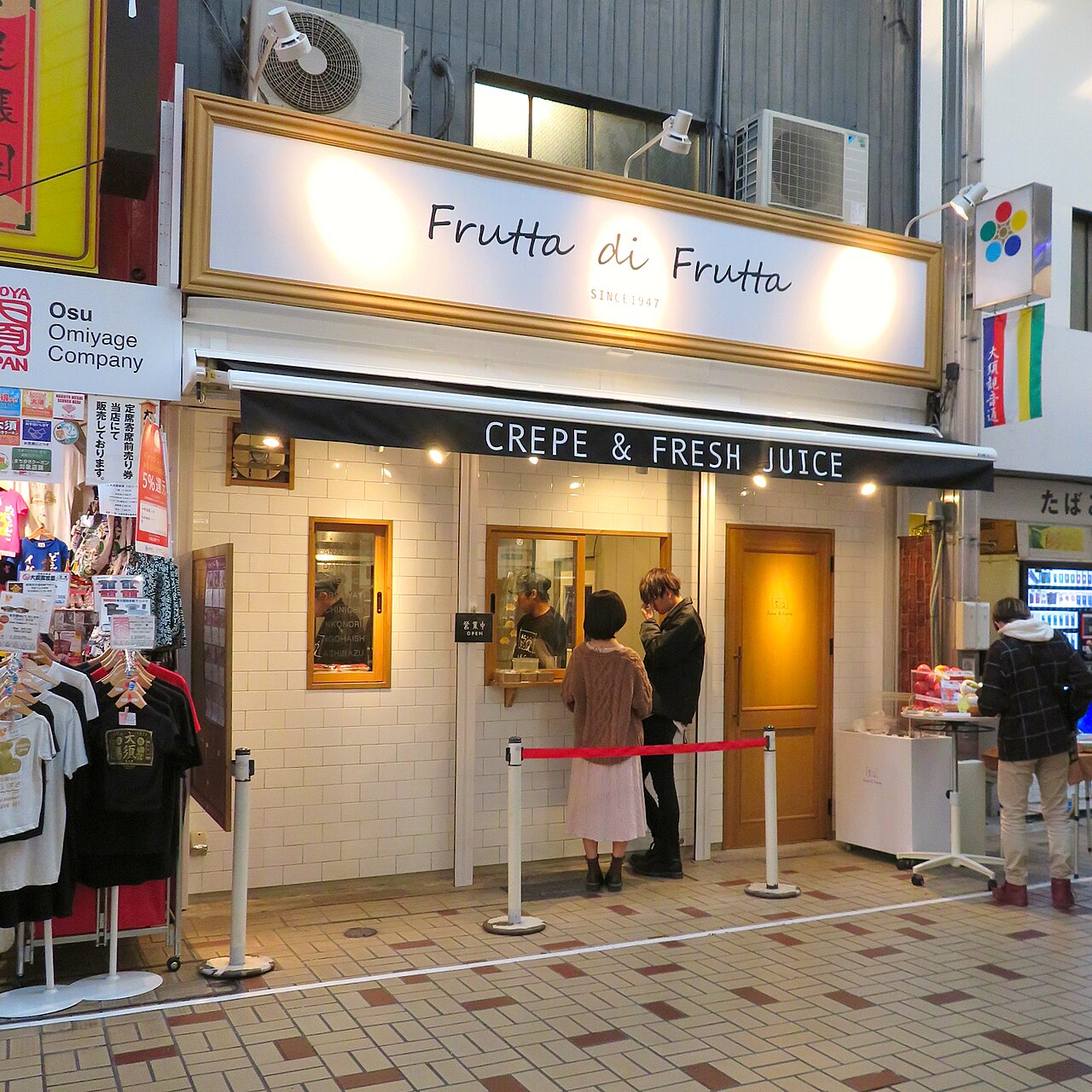
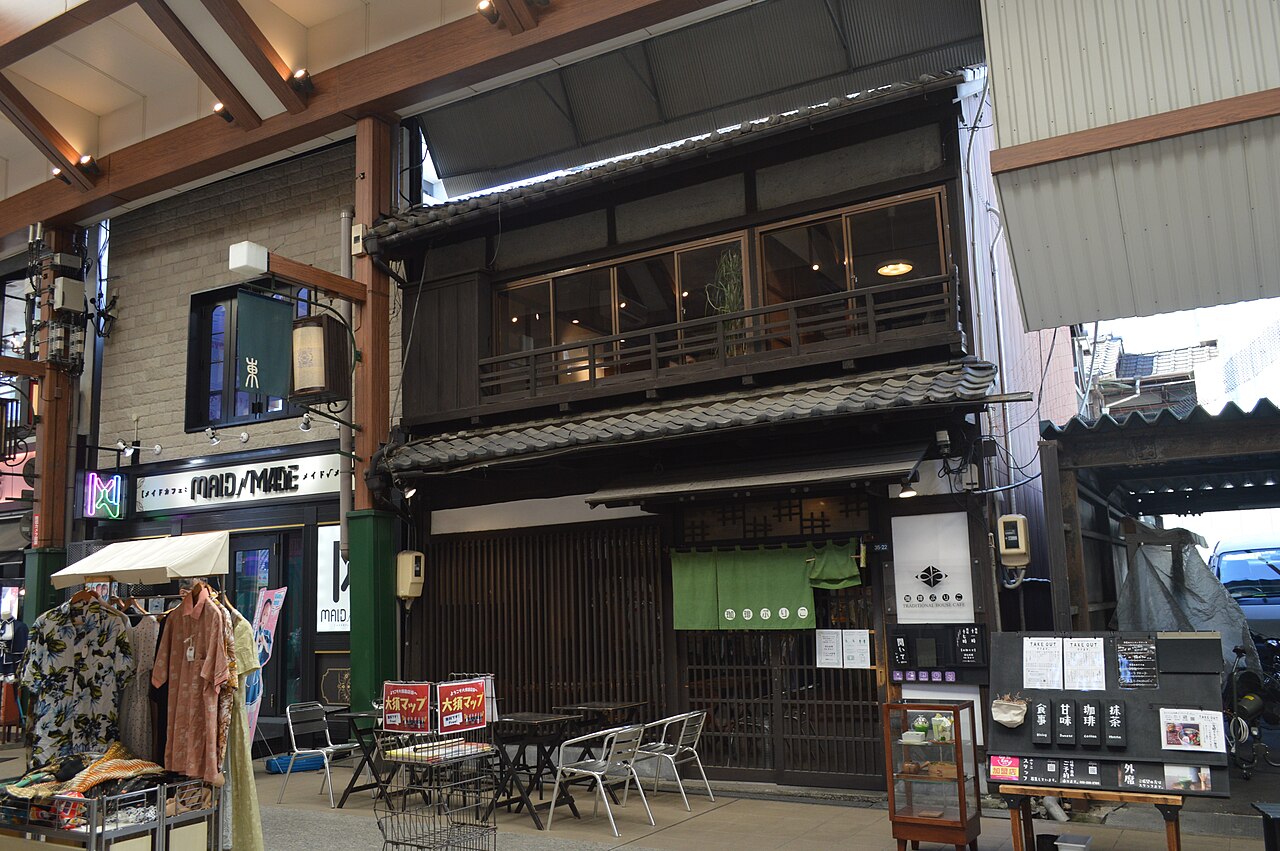
- The "Osu" Context: Remember that the market is inseparable from the Osu Shopping District. After browsing the temple grounds, the surrounding covered arcades offer a perfect afternoon of "retro" shopping, where you can transition from an Edo-period tea bowl to a 1980s Japanese game console in the span of a few blocks.
Conclusion: Is It Worth the Detour?
For the dedicated antique collector, the Osu Kannon Market is an essential pilgrimage. It offers a level of discovery and pricing accessibility that the more saturated markets of Tokyo simply cannot provide. For the general cultural traveler, it offers a slice of authentic Japanese urban life that is rarely seen on the typical "Golden Route" itinerary.
Ultimately, the Osu Kannon Antique Market serves as a reminder that the true heart of a city is often found not in its gleaming skyscrapers or its high-end department stores, but in the quiet, crowded aisles of a temple courtyard, where the past is constantly being re-evaluated, bartered, and brought home to find a new life. Whether you leave with a priceless artifact or a simple, humble souvenir, the experience of the hunt itself is the true reward.












No comments yet. Be the first to join the conversation!