

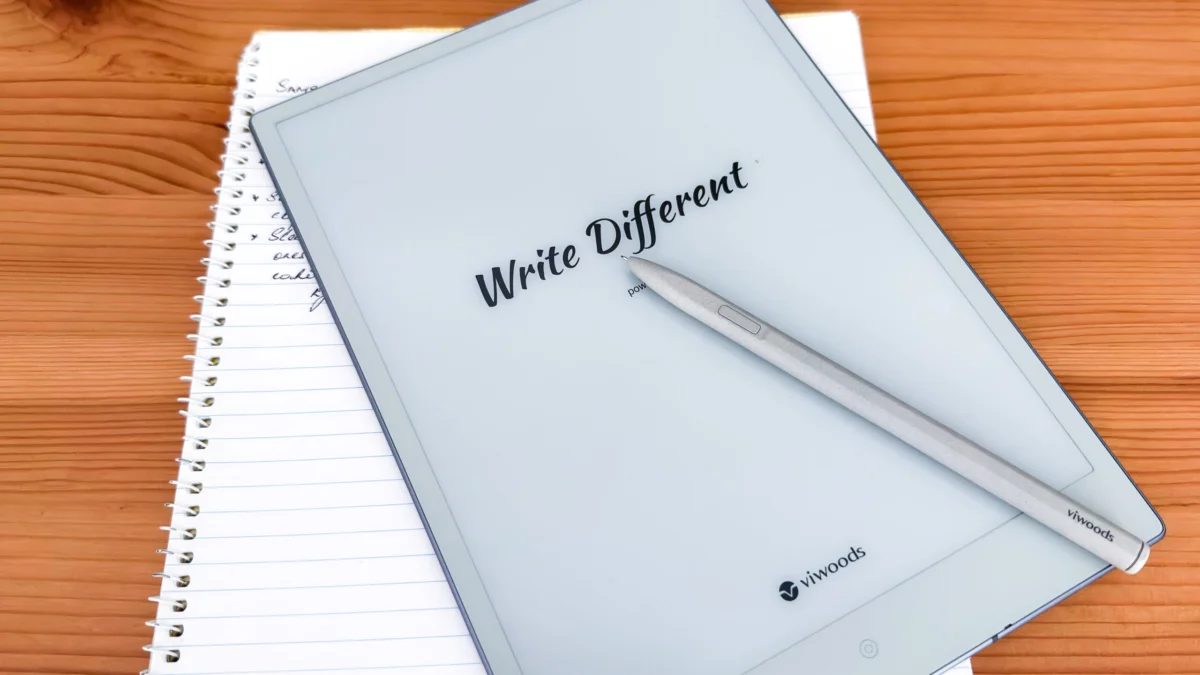
For digital note-takers and enthusiasts of E Ink technology, the pursuit of the "perfect" writing experience is an ongoing odyssey. As someone who has spent years rigorously testing over a dozen e-paper tablets—ranging from the high-end Amazon Kindle Scribe to the functional Kobo Elipsa 2E—I have come to a singular realization: the tablet itself is only half the equation. The true magic lies in the tactile connection between the stylus and the display.
While the industry has long relied on standard plastic nibs that mimic the friction of paper, a new contender has emerged that challenges the status quo. The ViWoods C1, a ceramic-tipped stylus, represents a significant leap forward in precision, longevity, and ergonomic comfort, even if its ecosystem remains a complex puzzle for the average user.
The Evolution of the Digital Pen: From Plastic to Ceramic
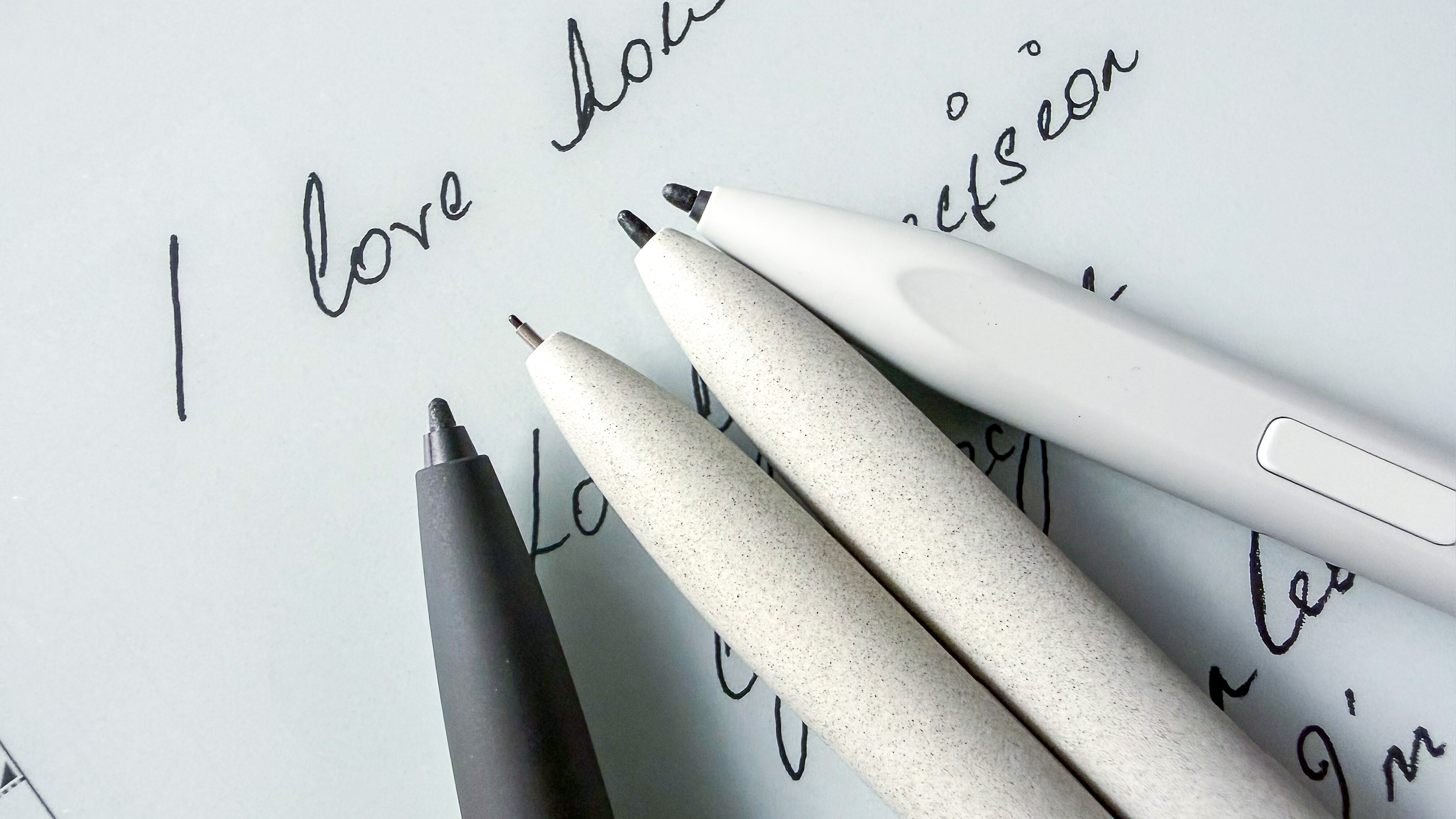
Historically, digital pens—or styli—have been designed as utilitarian accessories. Whether bundled with a Remarkable, a Kindle, or a Boox device, most use replaceable plastic nibs. These are engineered to wear down over time to protect the screen, creating a familiar "scratchy" feeling that mimics a pencil on paper.
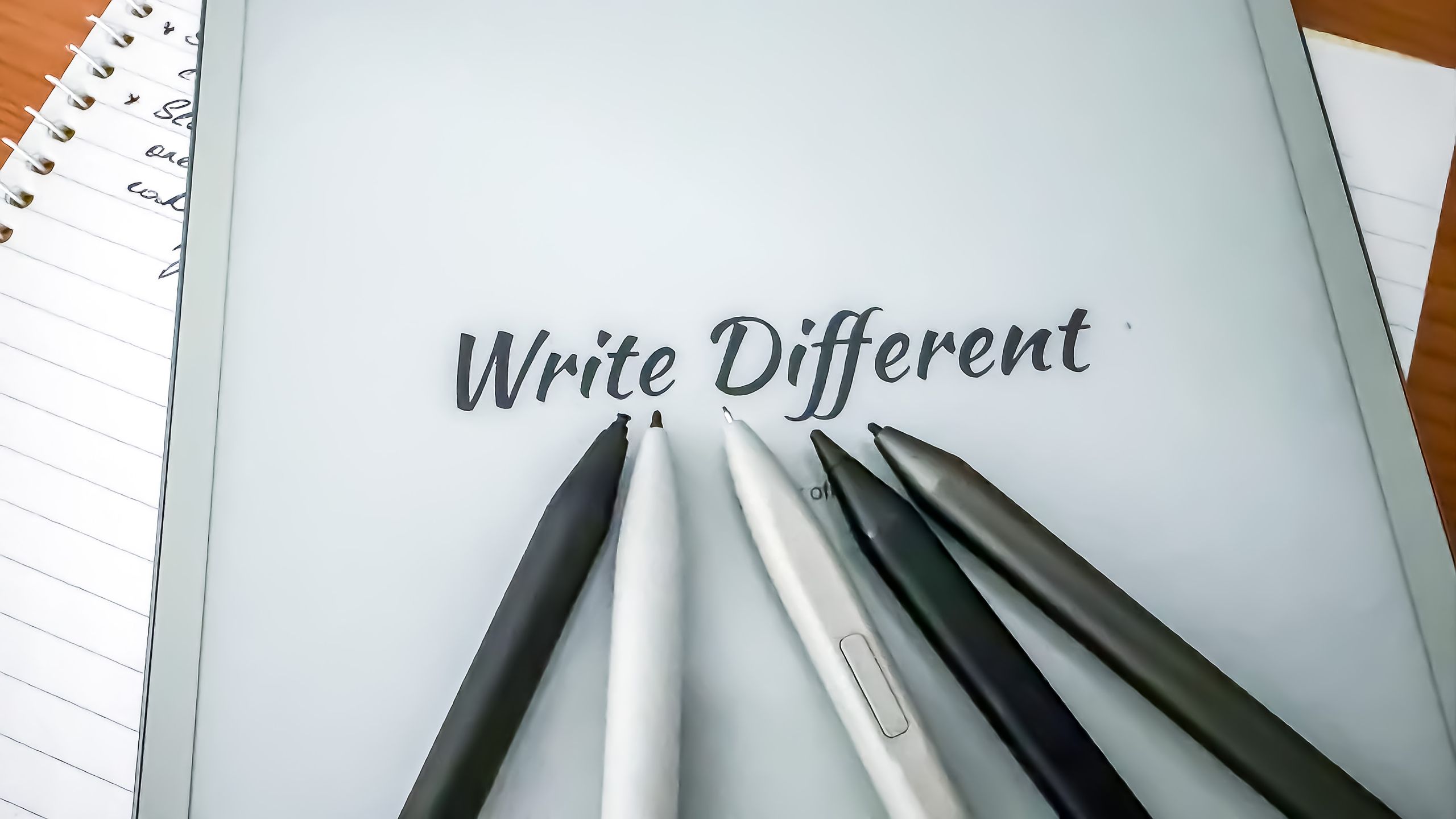
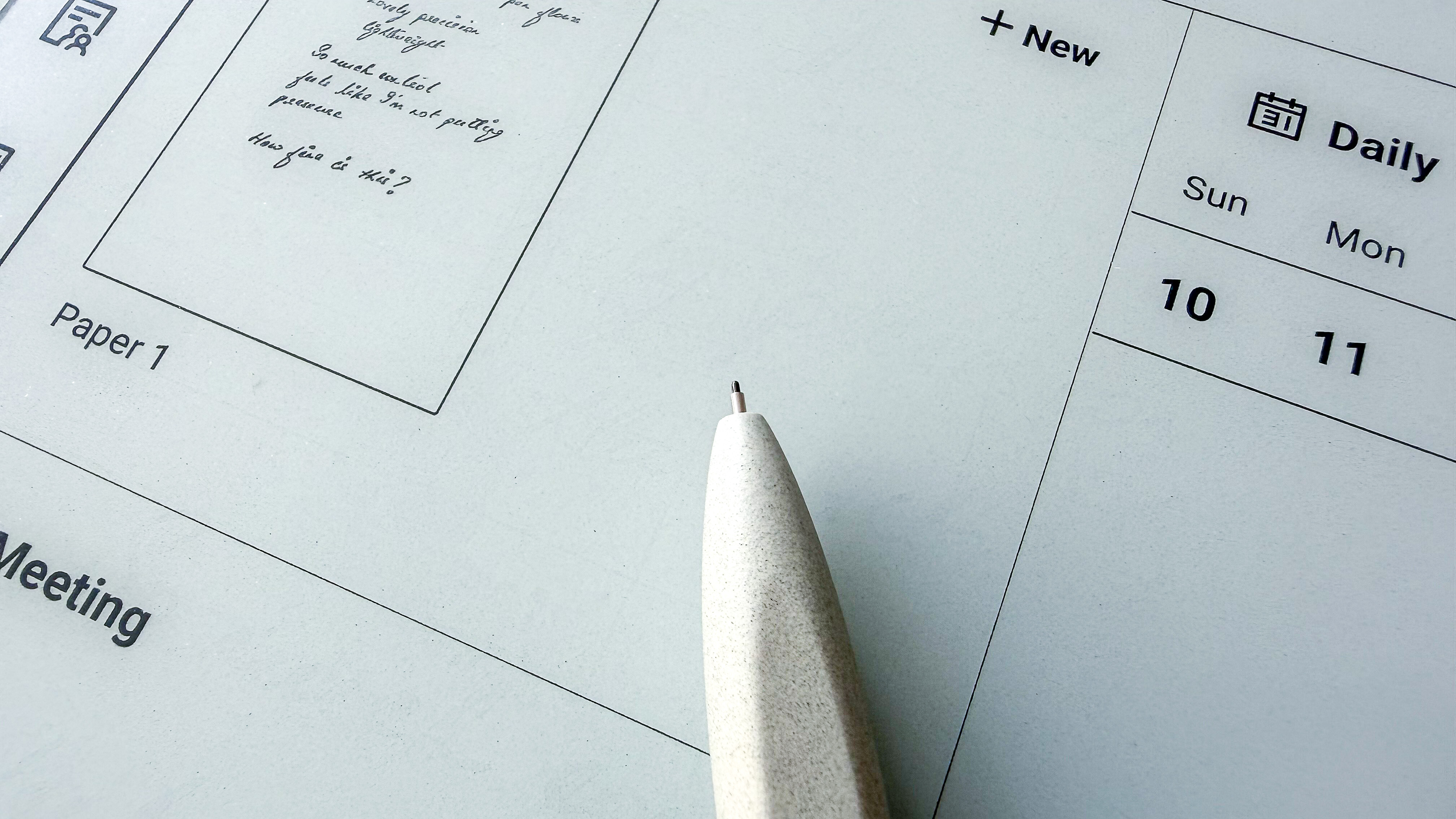
However, the ViWoods C1 takes a radical departure from this design philosophy. By utilizing a needle-like ceramic tip, the C1 offers a different kind of resistance—one that is smooth, consistent, and remarkably durable. Ceramic, known for its hardness and stability, does not degrade in the way felt or plastic tips do. This shift in material science fundamentally changes the writing experience, offering a level of tactile feedback that is both immediate and fatigue-free.
Chronology of the Testing Process
My assessment of the ViWoods C1 was not a fleeting encounter. It involved a rigorous six-month trial period across multiple devices and environments.
- Initial Integration: Upon acquiring the C1, I first tested it against the ViWoods AiPaper, the tablet for which it was primarily designed. The pairing process was seamless, utilizing EMR (electromagnetic resonance) technology, which eliminates the need for batteries or charging.
- The Compatibility Phase: Over the following months, I put the stylus through its paces on seven different tablets, including various models from Boox, Kobo, and the Amazon Kindle Scribe (2024).
- Stress Testing: I subjected the stylus to daily use cases: long-form note-taking, sketching, and complex diagramming.
- Long-term Wear Analysis: After half a year of heavy use, I conducted a forensic examination of the tablet screens involved. Despite the hardness of the ceramic, there were no micro-scratches or signs of screen degradation, debunking early fears that a ceramic nib might act like a glass cutter.
The Technical Edge: Why 960Hz Matters
To understand why the C1 feels "faster" than the standard stylus, one must look at the technical specifications—specifically the polling rate.
The ViWoods C1 operates at a staggering 960Hz (960 reports per second). For context, the industry standard for most mid-range digital styli hovers between 200 and 300Hz. This means that for every single millisecond of movement, the C1 is transmitting the pen’s exact coordinates and pressure sensitivity data to the tablet’s processor.
This near-instantaneous feedback loop eliminates the "input lag" that many users grow accustomed to. When you write with the C1, the ink appears precisely where the tip touches, with zero delay. This speed reduces the need for the brain to compensate for the "lag" between the hand’s movement and the screen’s reaction, which significantly mitigates hand fatigue—a godsend for users, like myself, who struggle with repetitive strain injury (RSI).
Ergonomics and Design Philosophy
Beyond the internal technology, the C1 is designed with a professional aesthetic in mind. It possesses a weighted, premium heft that feels more like a high-end fountain pen than a piece of disposable plastic. The grip is ergonomically contoured to prevent slipping during long writing sessions.
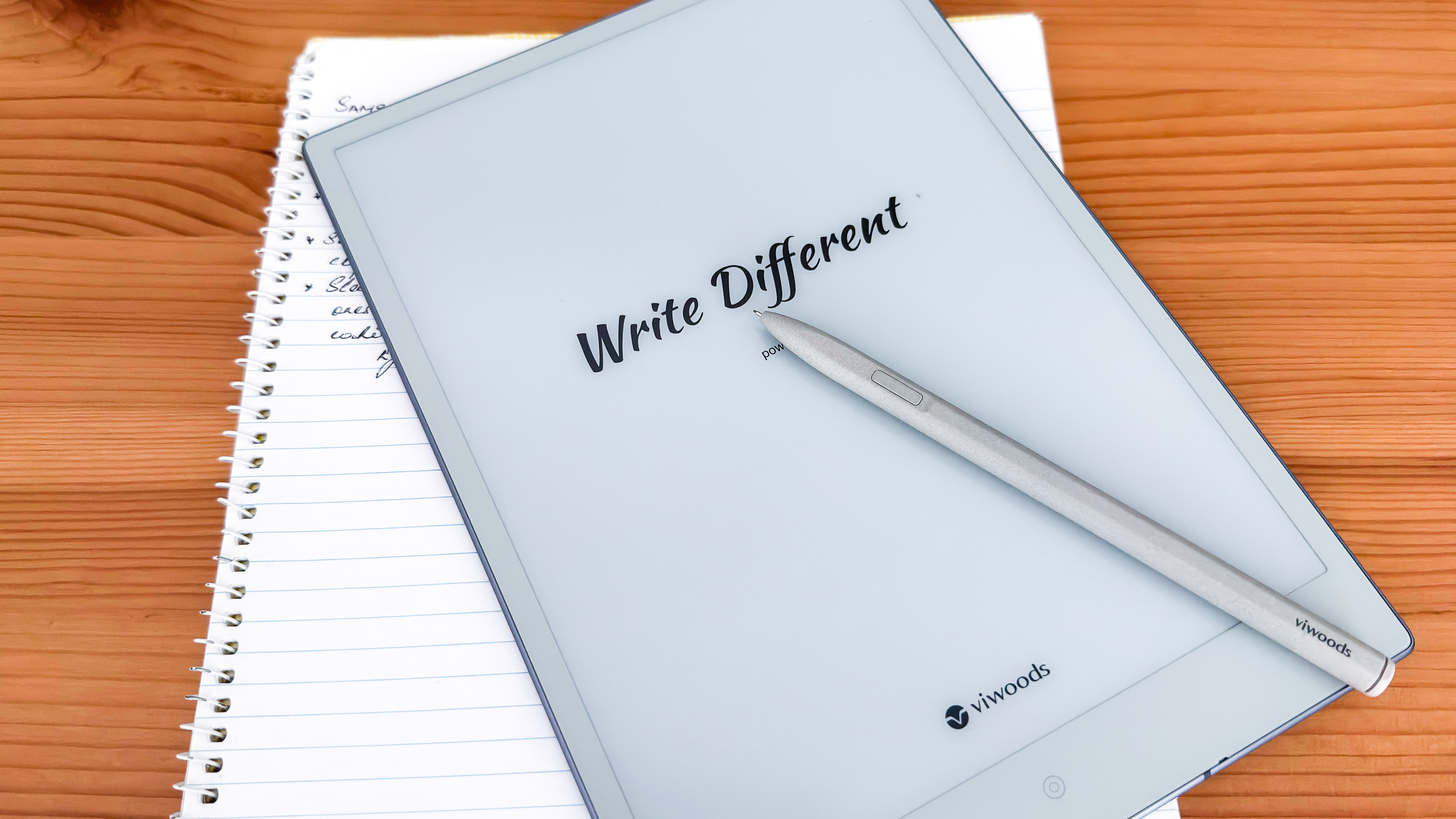
One of the standout features of the C1 is the inclusion of a customizable shortcut button. While this is common in the industry, the execution here is refined. The button can be mapped to common tasks like switching to a highlighter, triggering an eraser, or activating a lasso tool. While the eraser mechanism on the top of the pen does have a slight "rattle," it is a minor grievance in an otherwise impeccable build.
The "Lifetime" Value Proposition
A primary frustration for users of devices like the reMarkable 2 or the Kindle Scribe is the recurring cost of replacement nibs. I have personally replaced my Kindle Premium Pen tips annually, and my reMarkable Marker Plus tips wore down significantly within six months of moderate usage.
The ViWoods C1 changes this economic model. Because the ceramic tip is virtually indestructible under normal use, there is no need for replacement nibs. While the initial investment is $99 / £89.99 / AU$140, the lack of ongoing maintenance costs makes it a compelling value proposition for heavy users. If a stylus lasts for the entire life of the tablet, the $99 price tag effectively pays for itself over a few years of avoided accessory purchases.
The Compatibility Caveat
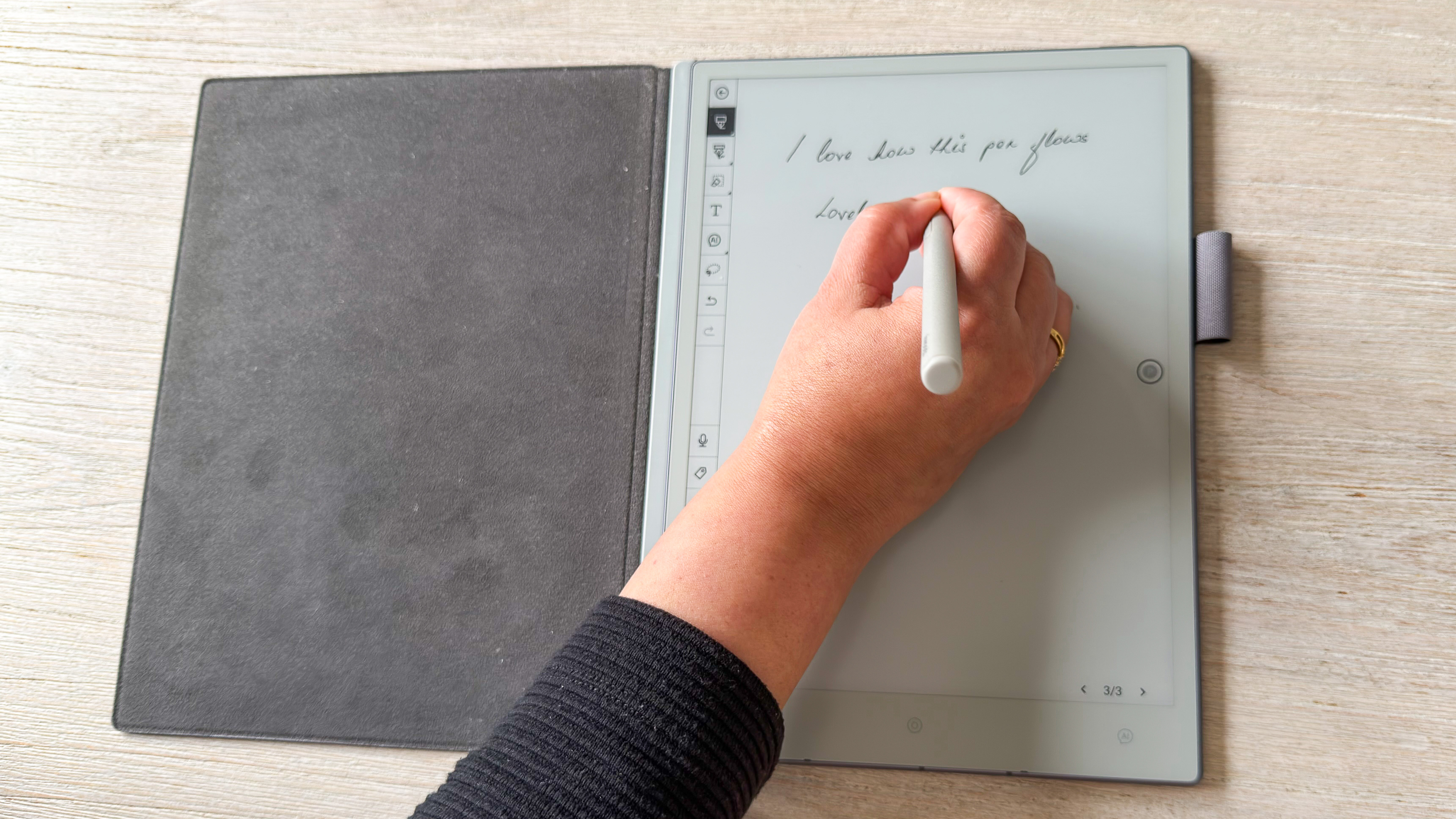
Despite its brilliance, the C1 is not a universal panacea. The primary hurdle for potential buyers is software and hardware interoperability. In my testing, the C1 functioned flawlessly on the reMarkable 2, but it failed to work on several other popular e-paper tablets in my collection.
Even when connectivity is established, "full functionality" is not guaranteed. For instance, while the C1 could write on the reMarkable 2, the advanced features—such as the intelligent lasso tool or specific eraser sensitivity—were only fully optimized when paired with the ViWoods AiPaper. This creates a fragmentation issue: consumers must weigh whether they want the superior tactile experience of the C1 enough to deal with limited feature sets on non-native devices.
Industry Implications and Future Outlook
The existence of the ViWoods C1 sends a clear signal to the industry: consumers are no longer satisfied with "good enough" input devices. As tablets become more powerful and screens sharper, the bottleneck for productivity is increasingly the interface between the human hand and the digital canvas.
The "ceramic revolution" led by companies like ViWoods suggests that we may soon see a move away from the disposable plastic nib culture. If competitors choose to adopt similar durable materials, we could see a shift toward high-performance, long-lasting peripherals that mirror the longevity of mechanical keyboards or high-end mice.
Conclusion: Is the Upgrade Worth It?
If you are a casual user who only takes the occasional note, the bundled stylus that came with your tablet is likely perfectly adequate. Most modern e-paper tablets offer decent performance and a low-latency experience that will satisfy 90% of the population.
However, for the power user, the artist, or the professional who spends hours every day tethered to a digital notebook, the ViWoods C1 is a revelation. It offers a level of precision, speed, and ergonomic relief that standard styli simply cannot match. While the compatibility issues are a valid concern, for those who own a compatible device, the C1 is perhaps the most significant upgrade you can make to your digital workflow. It is not just a pen; it is a refinement of the very act of writing in the digital age.
As technology continues to bridge the gap between the analog and the digital, tools like the C1 prove that sometimes, the smallest piece of the puzzle—the tip of the pen—can make the biggest difference of all.












No comments yet. Be the first to join the conversation!