Nana Muazin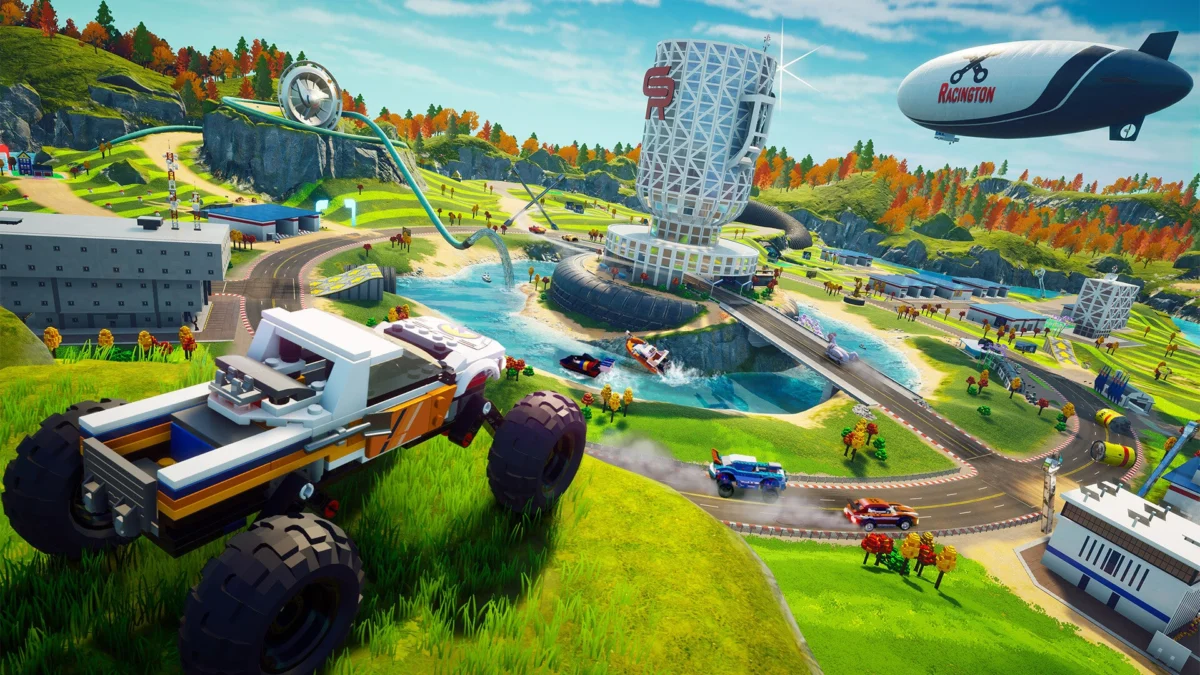
In a move that has sent ripples through the gaming community, publisher 2K Games has announced that LEGO 2K Drive, the open-world kart racing title developed by Visual Concepts, will be removed from digital storefronts in the coming days. The decision marks a swift conclusion to the game’s lifecycle, arriving just three years after its initial launch in 2023. As the digital shutters come down, players are left to grapple with the reality of "disappearing" media and the eventual obsolescence of online-dependent titles.
Main Facts: The Clock is Ticking
According to official notices updated on digital platforms, including the game’s Steam store page, LEGO 2K Drive will officially be removed from purchase on May 19, 2026. This is not merely a cessation of sales; it is the beginning of a phased sunset for the title.
The most significant impact for the existing player base is the scheduled termination of all multiplayer functionality. 2K Games has confirmed that all servers dedicated to LEGO 2K Drive will be permanently shut down on May 31, 2027. Once this deadline passes, any game features that rely on a connection to 2K’s online infrastructure—including online matchmaking, social hubs, and potentially certain account-linked progressions—will cease to function entirely.
For fans of the series, this provides a narrow window of opportunity. Those interested in experiencing the brick-based racing game in its current, full-featured state have until mid-May to purchase the title. After that, the game will effectively vanish from digital retail, leaving only physical copies (where applicable) and the remaining offline components available for play.
A Chronology of the LEGO 2K Drive Era
The trajectory of LEGO 2K Drive has been a turbulent one, characterized by high production values contrasted against the modern industry’s contentious reliance on live-service mechanics.
- May 2023: LEGO 2K Drive launches globally to significant fanfare. It is positioned as a premier, AAA kart-racing experience, blending the whimsical, destructive creativity of LEGO with an open-world structure reminiscent of the Forza Horizon series.
- Post-Launch 2023–2024: The game receives regular updates, including new "Drive Pass" seasons and additional cosmetic content. However, the game begins to face criticism regarding its aggressive monetization strategies, specifically the use of "BrickBux" (premium currency) and a seasonal battle pass structure that many players felt was incongruous with a full-priced console game.
- May 2026: The official delisting date. The game will no longer be available for new players to purchase digitally.
- May 2027: The end-of-life date for the game’s online infrastructure. Multiplayer servers will be deactivated, rendering the game a purely local experience.
The Licensing Elephant in the Room
While 2K Games has provided no specific justification for the delisting, industry analysts point to a common culprit: the expiration of licensing agreements.
The partnership between 2K Games and The LEGO Group is a complex commercial arrangement. Licensing deals for intellectual properties often operate on fixed-term contracts. When a game is built around a licensed property, the publisher is granted the right to sell and distribute the game only for the duration of that contract. If the license is not renewed—or if the terms of the renewal are deemed unfavorable—the publisher is legally obligated to remove the software from all digital storefronts.
This phenomenon has become increasingly common in the gaming industry, affecting titles ranging from racing games with licensed soundtracks or car manufacturers (such as the Forza series) to branded tie-ins like Deadpool or various LEGO titles of yesteryear. The "brick-heavy" nature of the game makes it inherently tied to The LEGO Group’s brand identity, and should that partnership reach an impasse, the digital storefronts must be cleared.
Examining the Live Service Roadblocks
Upon its release, LEGO 2K Drive was praised for its visual charm and the pure, kinetic joy of its kart racing. However, critics were quick to note that the game’s structural integrity was hampered by its transition into a live-service model.
In his initial review, RPS contributor Ed Thorn highlighted a fundamental disconnect: the game possessed a vibrant, open world, yet it was gated behind systems designed to maximize player retention rather than player enjoyment. The implementation of a battle pass and persistent online connectivity created "roadblocks" that alienated players who simply wanted a straightforward arcade experience.
The Problem with Progression
The criticism centered on the "hollow" nature of the progression. Players were awarded EXP and reached new levels, yet these metrics rarely resulted in tangible gameplay advantages. Instead, they acted as artificial barriers. The rate at which players earned in-game currency was described as "stingy," creating an environment where the game felt less like a celebration of LEGO and more like a funnel toward the in-game shop.
This leads to a critical implication for the future: when a game relies on live-service infrastructure—like a battle pass or an online store—to sustain its economy, what happens when that infrastructure is removed? In the case of LEGO 2K Drive, the removal of servers likely means the end of these secondary, revenue-driving systems. It begs the question of whether the game will be patched to allow for a smoother, offline-only experience, or if the "live service" elements will remain as empty, non-functional relics of a bygone era.
Implications for Digital Ownership
The impending delisting of LEGO 2K Drive serves as a sobering reminder of the fragile nature of digital ownership. Unlike physical media, which remains in the consumer’s possession regardless of a publisher’s corporate decisions, digital storefronts act as a "rental" ecosystem. When a developer pulls the plug on the servers or removes a title from a store, the consumer loses not only the ability to purchase the game but, in many cases, the ability to access content they have already paid for.
The Preservation Crisis
The decision to shut down multiplayer servers in 2027 is particularly stinging for the gaming preservation community. As online-only features become standard in modern development, the risk of "lost media" increases. Once the servers for LEGO 2K Drive go dark, the multiplayer component of the game will be permanently erased from history, barring the unlikely event of community-led server emulation.
This event reinforces a growing trend where games have an "expiration date." While physical toys—LEGO bricks—are designed to last for decades, the software bearing the brand is significantly more ephemeral. The transition from a product that is "bought and owned" to a service that is "licensed and accessed" continues to create friction between publishers and the gaming public.
Conclusion: A Final Lap
For those who enjoy the racing mechanics, the open-world exploration, and the undeniable charm of LEGO 2K Drive, the next few days are critical. If you have been on the fence about picking up the title, doing so before May 19, 2026, is the only way to ensure access to the full experience.
While the game’s legacy may be complicated by its live-service ambitions and the brevity of its availability, there is still fun to be had within its brick-built borders. As we look toward the 2027 server shutdown, we are reminded of the importance of enjoying these digital worlds while they exist—and perhaps, of advocating for better preservation practices in an industry that seems increasingly willing to let its history turn to dust.

 Asro
Asro
 Muslim