

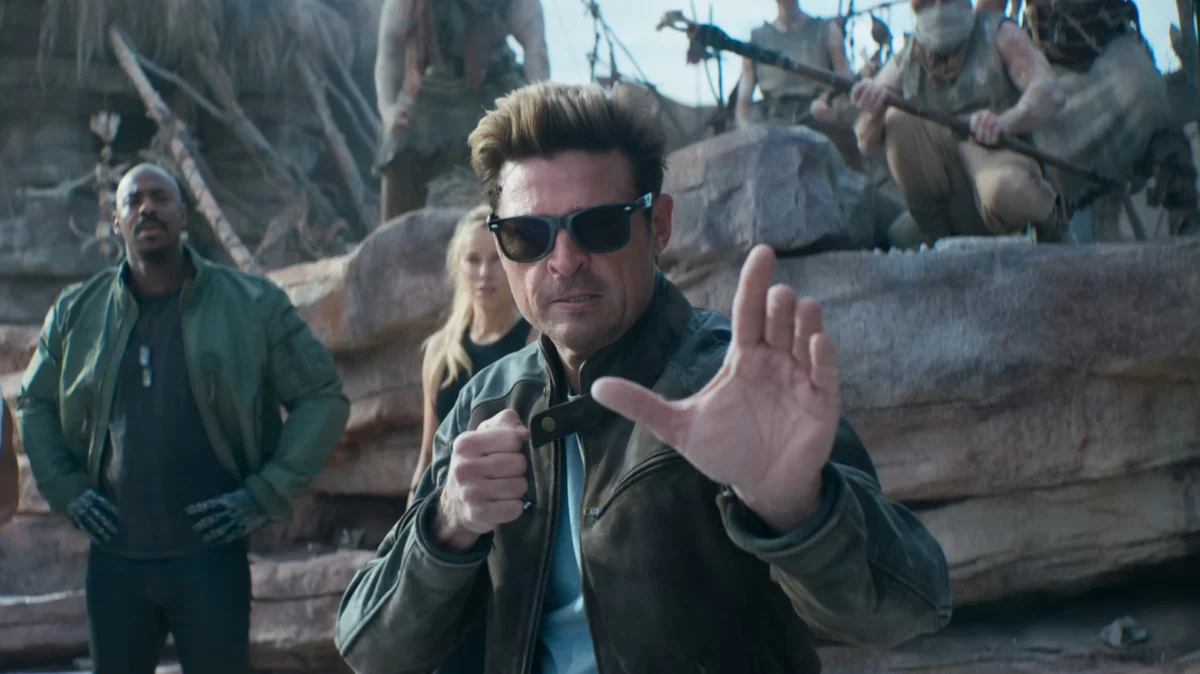
Following a highly anticipated five-year hiatus, the release of Mortal Kombat II has officially reignited the cinematic potential of the legendary video game franchise. Under the direction of Simon McQuoid, the sequel successfully course-corrected the franchise by finally delivering the long-awaited tournament arc that fans felt was conspicuously absent from the 2021 reboot. However, as the dust settles on the arena, a new, complex challenge emerges: the looming specter of the third installment.
While Mortal Kombat II effectively secures the franchise’s future by setting up a compelling narrative trajectory, it also invites a structural dilemma that has plagued some of Hollywood’s most successful intellectual properties—most notably the Marvel Cinematic Universe (MCU). As the narrative shifts toward the Netherrealm, the production team faces an uphill battle to avoid the "bloat" that occurs when an ensemble cast grows too large to manage within a standard two-hour runtime.
The Narrative Foundation: Establishing the Third Act
The conclusion of Mortal Kombat II leaves little ambiguity regarding the franchise’s future. Rather than merely hinting at a continuation, the film explicitly lays the groundwork for a third chapter. With the stakes firmly established, the narrative focus shifts to a rescue mission in the Netherrealm, where Johnny Cage—played by Karl Urban—and his allies must attempt to retrieve their fallen comrades.
This "Mortal Kombat in Hell" premise is, in theory, a natural evolution for the series. The franchise has always thrived on high-concept, supernatural lore, and the prospect of exploring the underworld is a fan-favorite trope. Yet, this narrative convenience masks a logistical nightmare. If the creative team follows through on the promise of reviving key characters who perished in the second film, the roster for Mortal Kombat 3 will become dangerously crowded. When you factor in the inevitable introduction of new fan-favorite fighters, the script risks losing its focus, diluting the impact of individual character arcs in favor of sheer spectacle.
Chronology of a Franchise: From Reboot to Blockbuster
To understand the current crossroads, one must look at the trajectory of the modern Mortal Kombat films. The 2021 reboot served as a world-building exercise, introducing audiences to Cole Young and re-establishing the conflict between Earthrealm and Outworld. It was an exercise in restraint, focusing on a core group of characters to ground the audience in the film’s version of the lore.
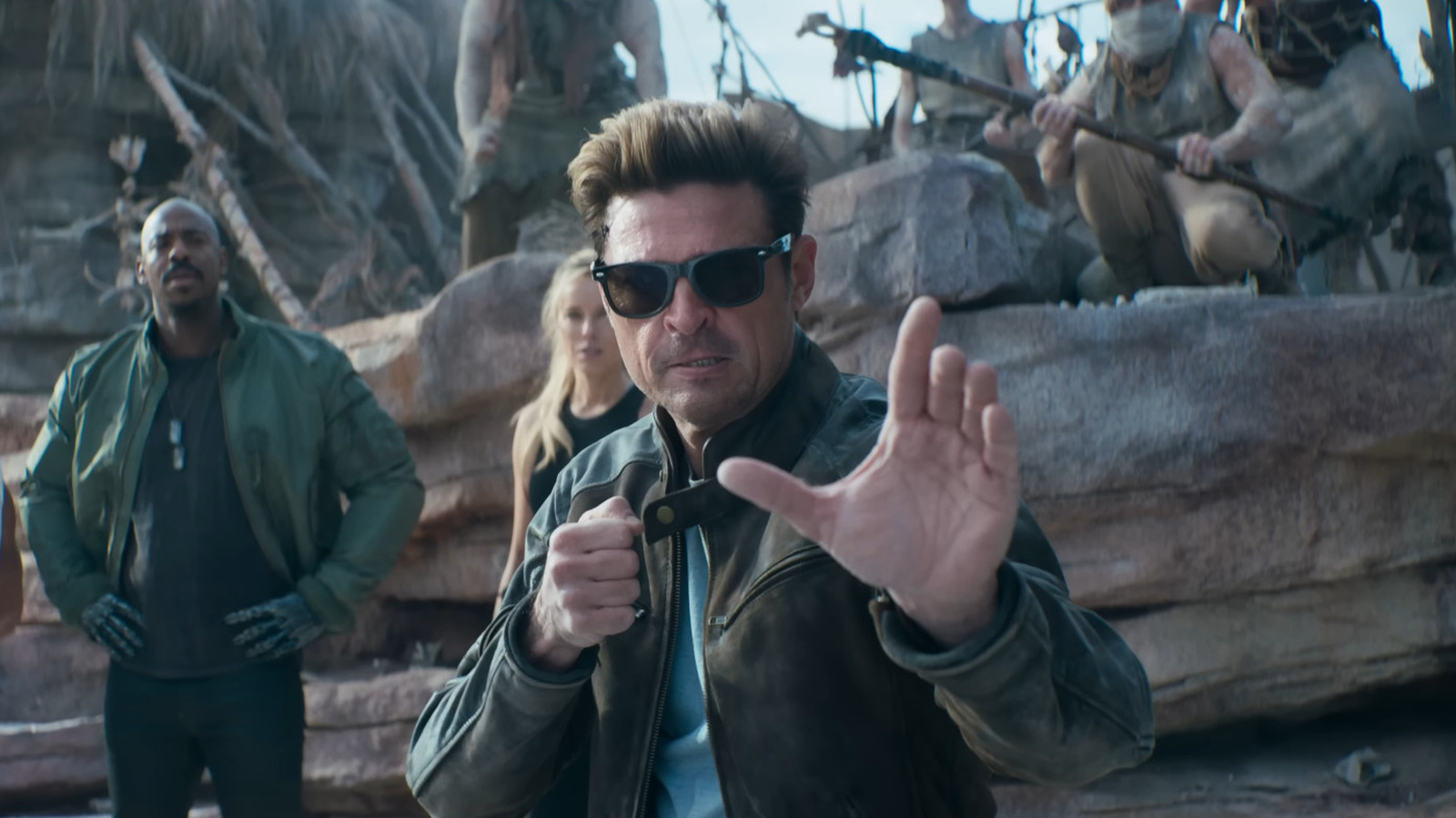
Mortal Kombat II accelerated this process, introducing heavy hitters like Johnny Cage and finally delivering the tournament. This chronological progression mirror’s the classic "sequel trap." The first film establishes the world; the second film expands the cast; the third film, inevitably, attempts to culminate the arc. The problem, as evidenced by history, is that the third film often feels the need to go "bigger" to justify its existence.
Looking back at the MCU, specifically the transition from Captain America: Civil War to Avengers: Infinity War, we see the gold standard of ensemble management. Civil War acted as a pivot point—an "Avengers 2.5" that proved multiple protagonists could share the screen without the story collapsing. However, the Russo brothers achieved this only because years of solo films had already cemented the audience’s emotional connection to those characters. Mortal Kombat does not have the benefit of a decade-long runway of solo character films. Introducing a massive ensemble without that pre-existing foundation risks leaving the audience indifferent to the fate of half the cast.
Supporting Data: The Cost of Complexity
The challenges of large-scale ensemble films go beyond mere narrative structure; they are deeply tied to the economics of modern filmmaking. As a cast list expands, so too does the budget. The financial realities of paying an A-list cast—many of whom are now established as key players—create a "sunk cost" scenario.
We need look no further than Fast X. With a budget ballooning to $340 million, the film demonstrated the financial fragility of franchise bloat. When a studio is forced to allocate an ever-increasing percentage of the budget to star salaries and massive location shoots, the risk-to-reward ratio shifts dramatically. For Warner Bros., the goal of Mortal Kombat 3 is to maintain the visceral, grounded combat that made the games famous. However, the more characters you add, the more screen time is required to showcase their unique fighting styles. If the budget is consumed by the sheer volume of actors, the production value of the actual "Kombat" sequences—the heart of the franchise—may suffer.
The Problem of Stakes and the "Death" Dilution
One of the most persistent criticisms leveled against the Marvel Cinematic Universe in its later phases was the devaluation of death. In a comic book world, resurrection is a narrative staple, but in film, it carries a heavy cost. When characters die and are routinely brought back for the sake of a sequel, the "stakes" that the writers constantly preach become purely theoretical.
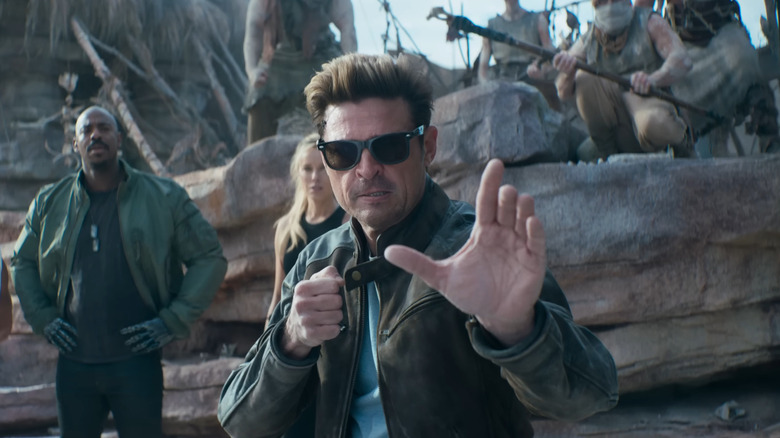
If Mortal Kombat 3 successfully revives Liu Kang, Jax, and the others, it risks entering this "death is meaningless" territory. The emotional weight of a character’s sacrifice in Mortal Kombat II is inherently tied to the permanence of that loss. If that permanence is stripped away in the opening act of the next film, the audience’s investment in future conflicts will likely diminish. The franchise risks becoming a revolving door of fighters, where death is merely a temporary setback rather than a genuine narrative consequence.
Strategic Implications: Lessons from Hollywood History
The success of Mortal Kombat 3 depends on its ability to balance "fan service" with narrative discipline. The franchise is overflowing with iconic characters who have yet to make an appearance: Reptile, Cyrax, and the elder god Shinnok are all sitting in the wings, waiting for their moment. The temptation to include them is immense, but it must be tempered.
1. The Discipline of the "Lean" Narrative
The most successful films with large ensembles are those that define a clear, singular goal for the protagonists. By keeping the mission focused on the rescue of specific, essential characters, the screenwriters can avoid the temptation to give every fighter an equal amount of "screen time" that results in shallow characterizations.
2. Character Synergy over Quantity
Rather than attempting to feature every fan-favorite character, the studio should focus on creating dynamic pairings. The chemistry between characters often carries more weight than the sheer number of faces on the poster.
3. Maintaining the "Mortal" in Mortal Kombat
The filmmakers must ensure that even with high-stakes supernatural elements, the consequences of the fight remain tangible. Whether it is physical injury, loss of power, or permanent exile, the film needs to ensure that "winning" still comes at a price.
Conclusion: The Path Forward
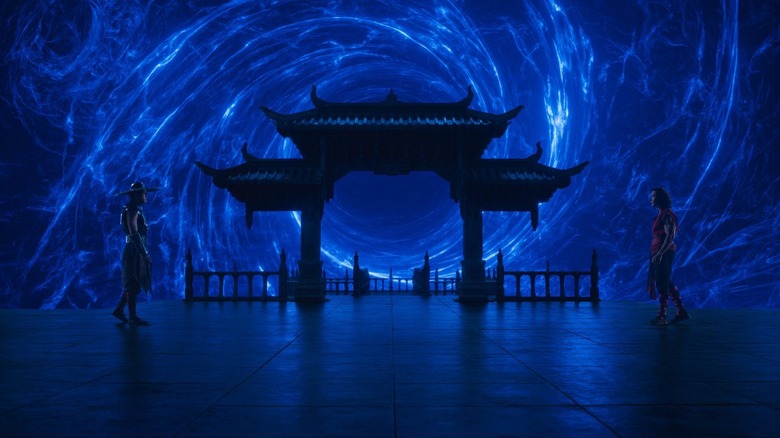
The Mortal Kombat franchise is currently in a position of immense strength. It has successfully navigated the difficult transition from a standalone reboot to a burgeoning cinematic universe. However, as the production gears up for its third installment, it must look at the history of its predecessors—not just the successes of the MCU, but the failures of other bloated franchises that lost their way.
Warner Bros. stands at a crossroads. They can either lean into the "maximalist" approach, stuffing every available corner of the Netherrealm with as many characters and cameos as possible, or they can exercise the necessary restraint to tell a cohesive, impactful story. The fans are certainly eager for more, but in the world of high-stakes filmmaking, sometimes less is truly more. If Mortal Kombat 3 can focus on character depth rather than mere character breadth, it will avoid the traps that have doomed other titans of the genre.
For now, Mortal Kombat II remains the benchmark. It is a film that understands the balance between action and story. Whether that balance can be maintained when the scale inevitably tips toward the epic in the next chapter remains one of the most intriguing questions in current blockbuster filmmaking.











No comments yet. Be the first to join the conversation!