Basiran
Nintendo has officially closed the books on its 2026 fiscal year, marking a transformative period defined by the record-breaking launch of the Switch 2 and the gradual sunsetting of its predecessor. With the platform holder reporting substantial growth in net sales and profits, the company is now recalibrating its strategy to address global economic pressures and the unique lifecycle trajectory of its new hardware.
The transition, while largely successful, comes with the reality of market volatility. Nintendo has announced strategic price increases for the Switch 2 across key markets—including Japan, the United States, Canada, and Europe—citing persistent memory component shortages and shifting macroeconomic conditions as primary drivers. As the company looks toward fiscal year 2027, these fiscal adjustments and the momentum of the Switch 2’s debut form the bedrock of its new outlook.
The Financial Landscape: A Year of Historic Growth
For the full year ending March 31, 2026, Nintendo experienced a robust financial surge. The company reported a staggering 106.7% increase in dedicated platform sales, totaling ¥2.2 trillion ($14 billion USD). This growth was propelled by a seamless, high-velocity launch of the Switch 2, which has defied standard console adoption curves.
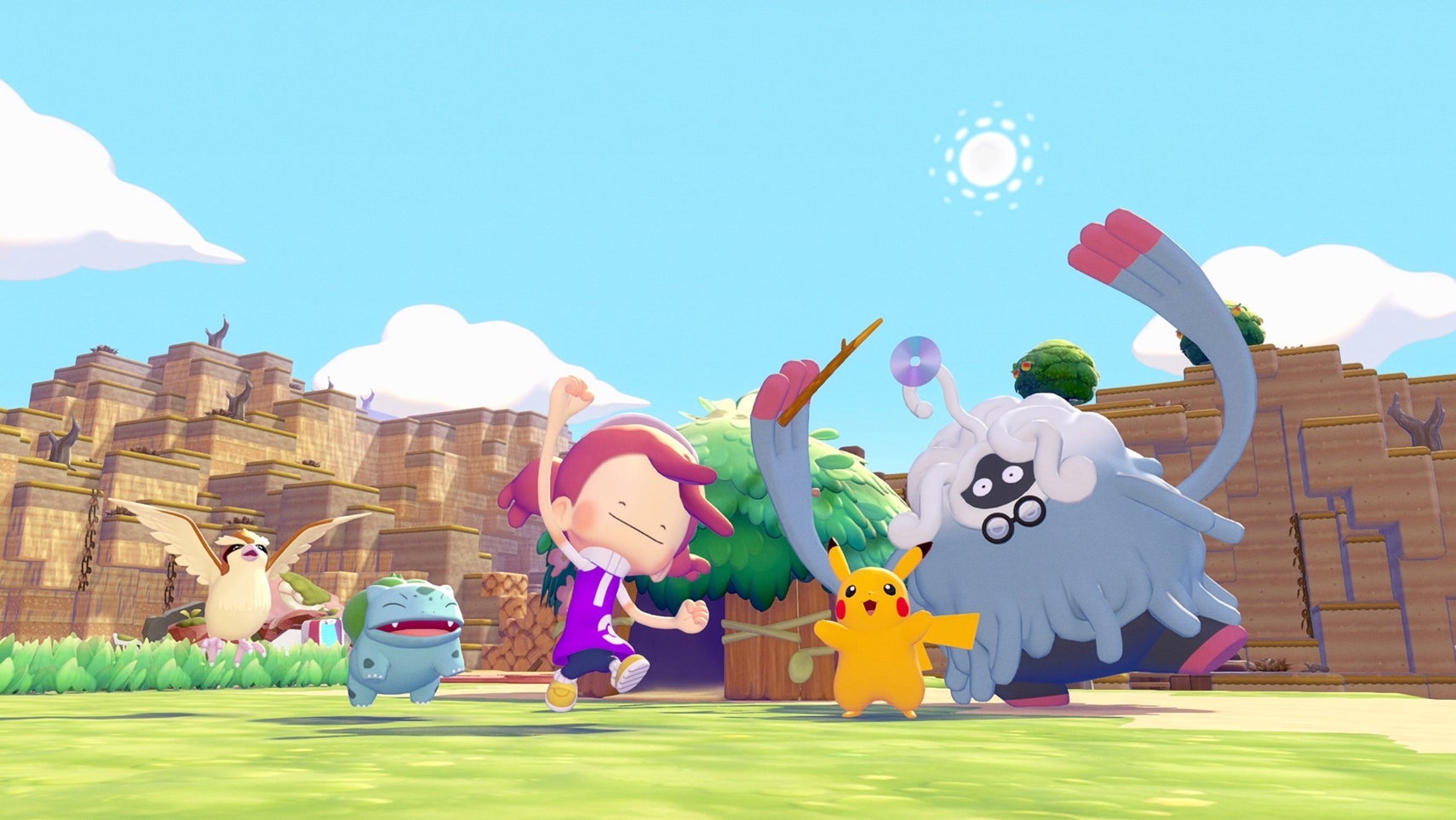
According to the official report, the Switch 2 achieved the highest global sales of any Nintendo platform within its first four months on the market. Notably, these sales figures surpassed the sell-through performance of the original Nintendo Switch during its own debut fiscal year. By the end of March 2026, the Switch 2 had reached a total of 19.86 million units sold worldwide, bolstered significantly by the late-fiscal-year release of Pokémon Pokopia.
Software sales for the new platform have mirrored this hardware adoption, reaching 48.71 million units. First-party heavy hitters were central to this performance:
- Mario Kart World: Serving as the flagship launch title, it moved 14.7 million units, including bundled copies.
- Donkey Kong Bananza: A mid-year release in July that secured 4.52 million sales.
- Pokémon Legends: Z-A (Switch 2 Edition): An October release that added 3.94 million units to the ledger.
Chronology of a Successful Launch Year
The trajectory of fiscal year 2026 can be viewed as a tale of two systems. While the Switch 2 dominated headlines, the original Switch—now entering its 10th year—demonstrated remarkable resilience despite an inevitable decline.
Q1 & Q2: The Momentum Builds
The fiscal year began with the highly anticipated June 2025 launch of the Switch 2. Initial supply chains were tested, but the demand remained insatiable. During this period, the release of Mario Kart World ensured that the new hardware had an "evergreen" hook for new adopters. By the time Donkey Kong Bananza arrived in July, the installed base was already growing at a rate exceeding Nintendo’s internal projections.
Q3 & Q4: Expanding the Library
The second half of the year focused on deepening the software catalog. The October launch of Pokémon Legends: Z-A served as a critical bridge for long-time Nintendo fans moving from the legacy hardware to the new system. The year concluded in March 2026 with Pokémon Pokopia, which acted as a final sales catalyst, pushing the hardware totals toward the 20-million-unit milestone.
The Legacy Hardware’s Sunset
Conversely, the original Switch hardware saw a 64.8% decline, totaling 3.80 million units. The OLED model moved 1.72 million units, while the Switch Lite accounted for 940,000. Despite these declines, Nintendo noted that the legacy Switch software ecosystem remained surprisingly active. Titles like Nintendo Switch Sports and Mario Kart 8 Deluxe maintained steady sales, partly because consumers can play legacy software on the Switch 2, creating a hybrid ecosystem that extends the relevance of older titles.
Supporting Data: Digital Sales and IP Diversification
Beyond physical hardware and software, Nintendo’s digital strategy reached new heights. Digital sales revenue increased by 25% year-over-year. This was driven heavily by the adoption of downloadable versions of packaged software and the success of back-catalog titles.
Notably, the re-release of Pokémon FireRed and LeafGreen proved to be a masterclass in leveraging nostalgia, selling over four million units in their first six weeks. This highlights a growing trend: Nintendo’s back-catalog, when optimized for modern hardware, remains a massive revenue driver.
The IP Business: Beyond the Console
Nintendo’s non-gaming business—encompassing movies, merchandise, and royalties—generated ¥73.5 billion. While this was a 9.7% decrease from the previous year, the dip was largely attributed to the natural plateauing of revenue from the original Super Mario Bros. Movie.
However, the debut of the Super Mario Galaxy Movie in April 2026 offset this, grossing over $800 million in its first four weeks. With the total Mario animated franchise crossing the $2 billion global threshold, Nintendo has solidified its position as a transmedia powerhouse. As the company noted, these films act as a "point of contact," pulling in audiences who may not identify as "gamers" but are now deeply invested in the Nintendo brand.
Official Responses and Strategy Adjustments
The decision to raise prices in Japan, the US, Canada, and Europe was not taken lightly. Nintendo cited "changes in market conditions"—specifically the escalating costs of memory components—as the primary reason for the adjustment.
In their statement, management emphasized that these price revisions were essential to maintaining profitability while navigating a complex global supply chain. "In light of the strong sales performance in the first year following launch and price adjustments," the company stated, "we expect unit sales for the fiscal year ending March 2027 to decline year-over-year."
Despite this forecasted decline, Nintendo’s leadership maintains a glass-half-full perspective. They view the projected 16.9% decrease in Switch 2 hardware sales (to 16.5 million units) as a "healthy level" for a second-year console. The company is actively shifting its focus from raw hardware volume to software attachment rates, projecting a 23.2% increase in software sales to 60 million units for the coming year.
Implications: What to Expect in FY27
The roadmap for the upcoming fiscal year suggests that Nintendo is entering a phase of consolidation and optimization.
- Software-Driven Growth: With the initial hardware "hype" phase over, Nintendo is banking on its deep library to keep the installed base engaged. The shift toward a 60-million-unit software target indicates that the company believes the Switch 2 user base is now large enough to sustain high-volume sales without relying on new console hardware to drive growth.
- The "Bridge" Strategy: By allowing consumers to play both Switch 2 and original Switch software on the new console, Nintendo has successfully mitigated the risk of a "dead" legacy ecosystem. This strategy will likely continue as the company phases out the original Switch, which is expected to see a 47.4% decline in hardware sales in the next year.
- Inflationary Pressures: The price hikes serve as a bellwether for the gaming industry at large. As hardware becomes more complex and component costs rise, Nintendo’s move suggests that the era of stagnant hardware pricing may be coming to an end. Investors will be watching closely to see if the higher price point impacts demand during the 2026 holiday season.
- IP Expansion: With the Super Mario Galaxy movie performing at record levels, expect Nintendo to double down on its film and theme park presence. The company’s explicit goal is to "move beyond the framework of video games," suggesting that we will see further integration of Nintendo’s IP into lifestyle and entertainment sectors globally.
In conclusion, Nintendo has emerged from its most pivotal fiscal year in recent history with a clear mandate. The Switch 2 has proven its market viability, and while the company is bracing for a slight cooling in hardware sales, the transition to a software-heavy, IP-diversified business model appears to be well underway. For shareholders and fans alike, the message is clear: the focus has shifted from merely selling the box to ensuring the box remains the centerpiece of a much broader, multi-billion dollar cultural empire.


 Layla Zulfa
 Laily UPN