

For the millions of commuters, tourists, and business travelers passing through the heart of Osaka, the Kintetsu Osaka Namba Station is more than just a transit junction; it is a gateway to the region’s culinary and cultural identity. Tucked within the station’s bustling infrastructure lies "Times Place Namba," a sophisticated shopping and dining complex that has redefined the "station-mall" concept. Whether you are searching for a last-minute souvenir, a refined late-night snack, or a moment of respite before a long-distance express journey, Times Place Namba offers a curated experience that turns idle transit time into a highlight of your trip.
Main Facts: What is Times Place Namba?
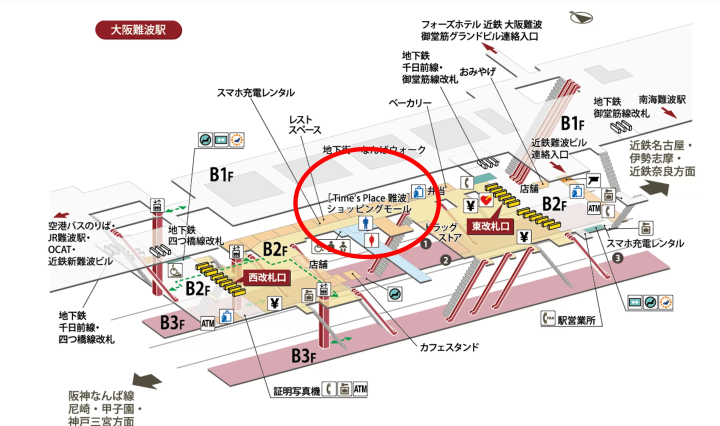
Times Place Namba is an integrated retail and culinary environment located entirely within the secure area of Kintetsu Osaka Namba Station. Unlike traditional airport or train station kiosks that prioritize basic necessities, this complex focuses on "Gochibura Namba"—a concept emphasizing the joy of stopping by for high-quality food and convenience.
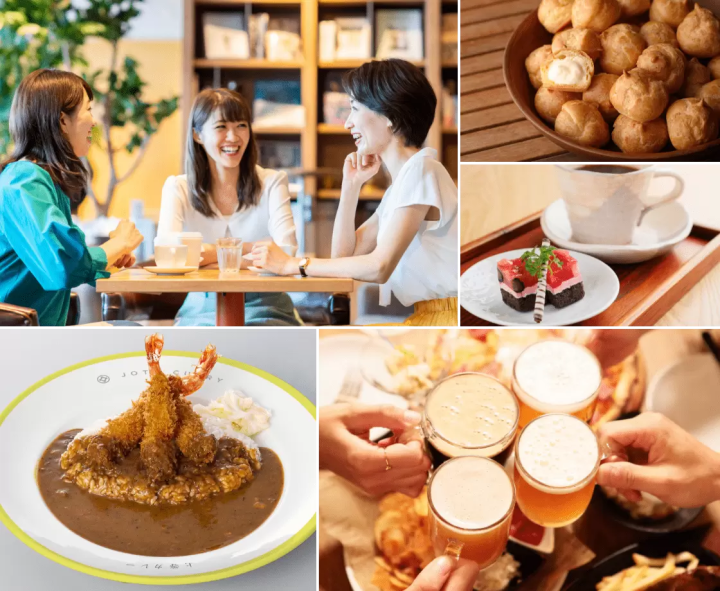
The facility functions as a micro-cosm of Osaka’s legendary food scene. From the meticulous craftsmanship of local sweets to the robust flavors of authentic craft beer, the tenant lineup is curated to serve three primary demographics: the hurried commuter, the weary business traveler, and the curious tourist looking for an authentic taste of the Kansai region.
Chronology: The Evolution of the Station-Mall Concept
The development of Times Place Namba represents a shift in urban planning in Japan. Historically, station facilities were utilitarian, designed for rapid throughput. Over the last decade, rail operators, particularly Kintetsu, have recognized the economic potential of the "dwell time" experienced by passengers.
- Initial Concept: Recognizing that the Namba district is a major entertainment hub, Kintetsu sought to bridge the gap between street-level dining and the fast-paced station environment.
- Operational Integration: The facility was designed to be accessible to both ticket-holding passengers and local visitors, a strategic decision that differentiates it from traditional station retail zones.
- Expansion of Services: Over recent years, the tenant mix has been refined to include specialized food artisans, such as Enfant and Gozasoro, elevating the status of the station from a transit point to a destination in its own right.
The "Non-Ticket" Access Model: A Case Study in Convenience
A frequent question posed by visitors is whether the facility is restricted to those currently traveling. The answer is a resounding no. Kintetsu has implemented a seamless, user-friendly system that allows non-traveling patrons to enjoy the shops inside the gate.
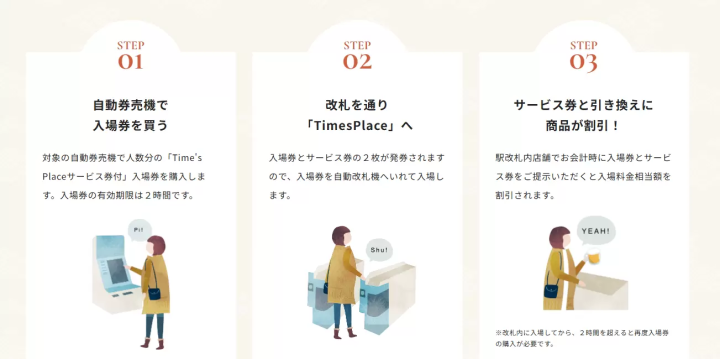
The Four-Step Access Protocol:
- Purchase: At the designated automatic ticket vending machine, visitors can purchase an "Admission Ticket" that includes a "Times Place Service Coupon."
- Entry: By inserting the admission ticket into the automatic gate, visitors gain access to the secure area.
- Redemption: Upon making a purchase at any store within Times Place, the service coupon is presented, providing a discount equivalent to the admission fee. This effectively makes the entry "free" for shoppers.
- Exit: The same admission ticket is used to exit the gate. (Note: A time limit of two hours is enforced to maintain efficient passenger flow).
This innovative model effectively turns the station concourse into a public-facing retail space without compromising the security or operational efficiency of the rail network.
Culinary Highlights: A Taste of Osaka
The commercial success of Times Place Namba is anchored by its specific selection of vendors, each offering a unique slice of local culture.
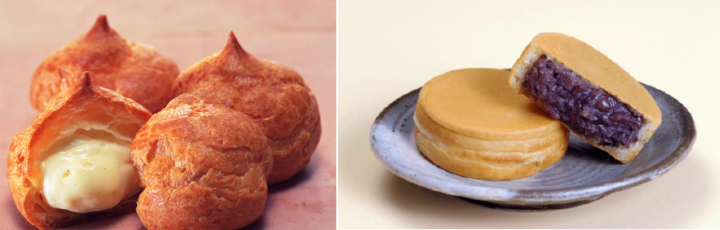
1. Enfant: The Art of the Cream Puff
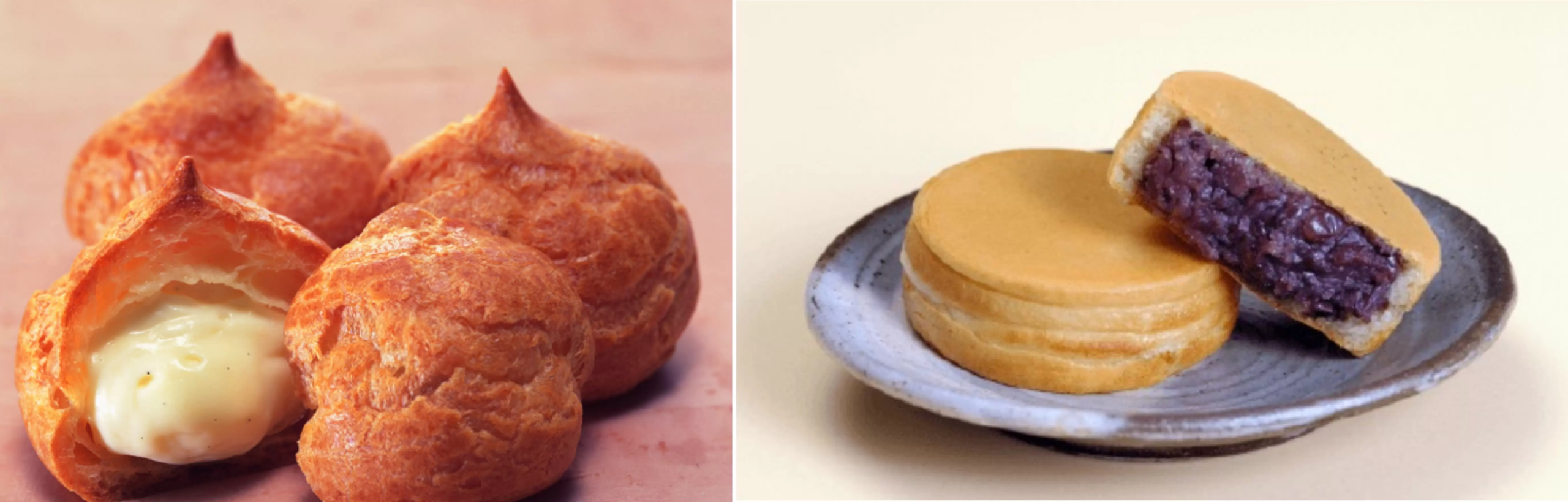
Enfant has garnered a reputation for its bite-sized mini cream puffs. Their process is a testament to the Japanese commitment to quality control. By using fresh milk sourced from the Tamba Tajima region and cooking their custard in traditional copper pots, they achieve a texture and richness that is difficult to replicate. For travelers, these serve as the perfect travel companion—neat, delicious, and easy to consume on the go.
2. Gozasoro: Tradition in Every Bite
Gozasoro is an institution in Japan, beloved for its imagawayaki (a griddle-baked cake filled with bean paste). The store offers two distinct profiles: the "Aka" (red bean) paste, which celebrates the natural, rustic flavor of traditional red beans, and the "White" (tebou bean) paste, a higher-fiber alternative that appeals to the health-conscious gourmet. Their longevity in the market is a testament to the consistency of their craft.
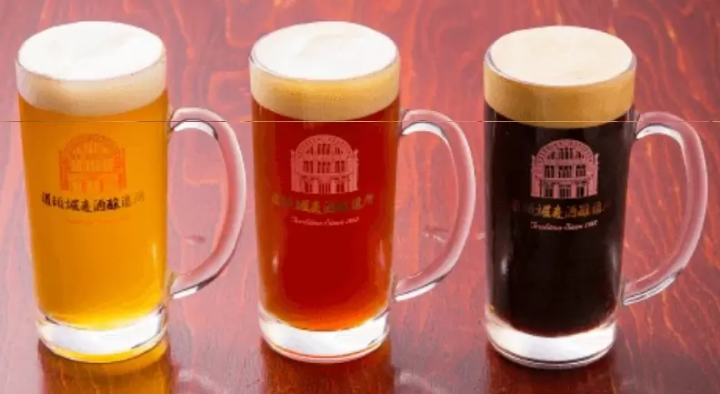
3. Dotonbori Beer Stand: The Modern Traveler’s Refreshment
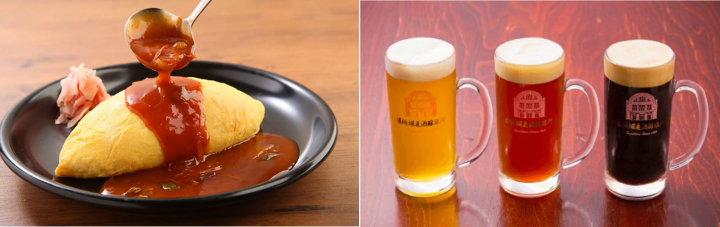
For those concluding a business trip or starting a weekend excursion, the Dotonbori Beer Stand offers a sophisticated pause. Eschewing mass-market lagers, the stand focuses on 100% malt craft beers. The standing-bar format is intentional; it encourages a casual, unpretentious atmosphere where one can enjoy a high-quality pint and light snacks before transitioning to the next leg of their journey.
Supporting Data and Strategic Implications
The strategic placement of these shops is no accident. Kintetsu utilizes data regarding passenger traffic flow and "dwell time" to optimize the tenant mix.
- Business Efficiency: By providing options for late-night ramen and craft beer, the station captures the "after-hours" market in the Namba district, which is one of the most active nightlife areas in Japan.
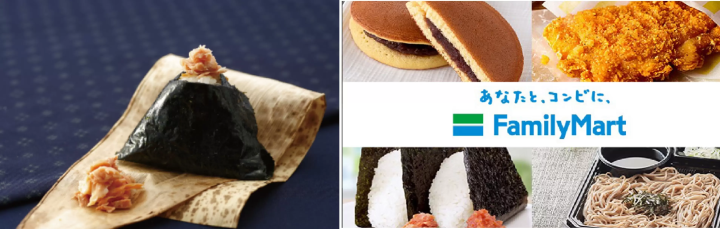
- Tourism Value: For international tourists, the inclusion of classic Osaka souvenirs within the gate provides a final opportunity to purchase gifts without needing to navigate the city’s complex street-level markets.
- Operational Sustainability: The admission-fee-and-coupon model serves a dual purpose: it regulates the number of people inside the station at any given time for safety while simultaneously driving foot traffic to the vendors, ensuring a mutually beneficial relationship between the station operator and the retailers.
Official Response and Future Outlook
Kintetsu representatives have consistently framed Times Place Namba as an effort to harmonize the needs of the modern, time-pressed urbanite with the traditional Japanese hospitality—omotenashi. By transforming the station into a place of interest, Kintetsu has successfully increased the "utility value" of their infrastructure.
The implications for the future of rail travel are clear: the station is no longer just a place to wait for a train. It is a multi-purpose facility that supports the local economy. As urban density increases, facilities like Times Place Namba act as vital pressure valves, allowing for commerce to thrive within the very arteries of the city’s transport network.
Conclusion: Why You Should Stop By
Whether you are a student rushing home, a business professional decompressing after a long day, or a traveler navigating the rich landscape of the Kansai region, Times Place Namba is designed to simplify your life while elevating your palate.
The next time you find yourself at Kintetsu Osaka Namba Station, do not simply head for the platform. Take a moment to explore the curated selection of shops behind the gate. Whether you opt for a box of freshly baked cream puffs from Enfant or a crisp, craft beer at the Dotonbori Beer Stand, you are participating in a uniquely Osaka experience—one where the journey is just as rewarding as the destination. By utilizing the convenient admission ticket system, you gain entry to a world of convenience that proves the best parts of a trip can often be found right in the middle of a train station.












No comments yet. Be the first to join the conversation!