

In the landscape of simulation and strategy gaming, few titles have managed to balance the complexity of industrial automation with the charm of town management as effectively as the original Factory Town. Since its debut in 2019, the title has become a staple for fans of logistics-heavy gameplay. Now, five years after the initial release, developer Erik Asmussen is set to return with a sequel that promises to elevate the genre to tropical heights. Factory Town 2: Paradise is officially slated for an Early Access release on July 14, 2026, bringing a fresh aesthetic and refined mechanics to a beloved formula.
The Premise: Volcanoes, Bananas, and Planetary Defense
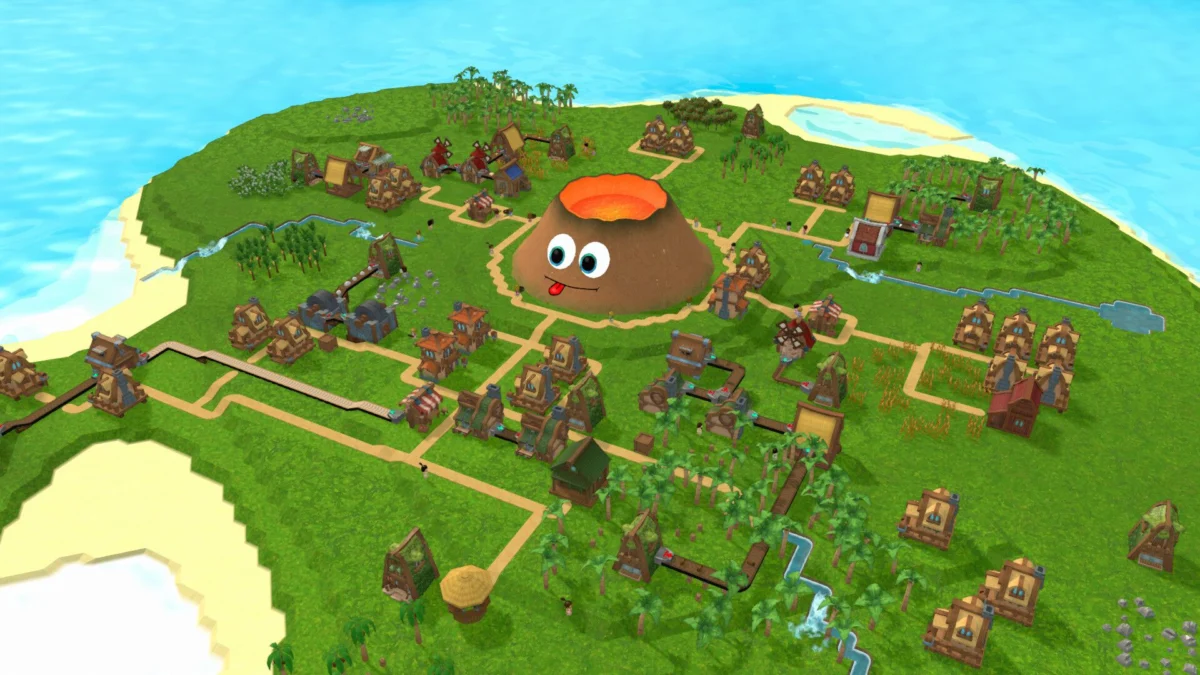
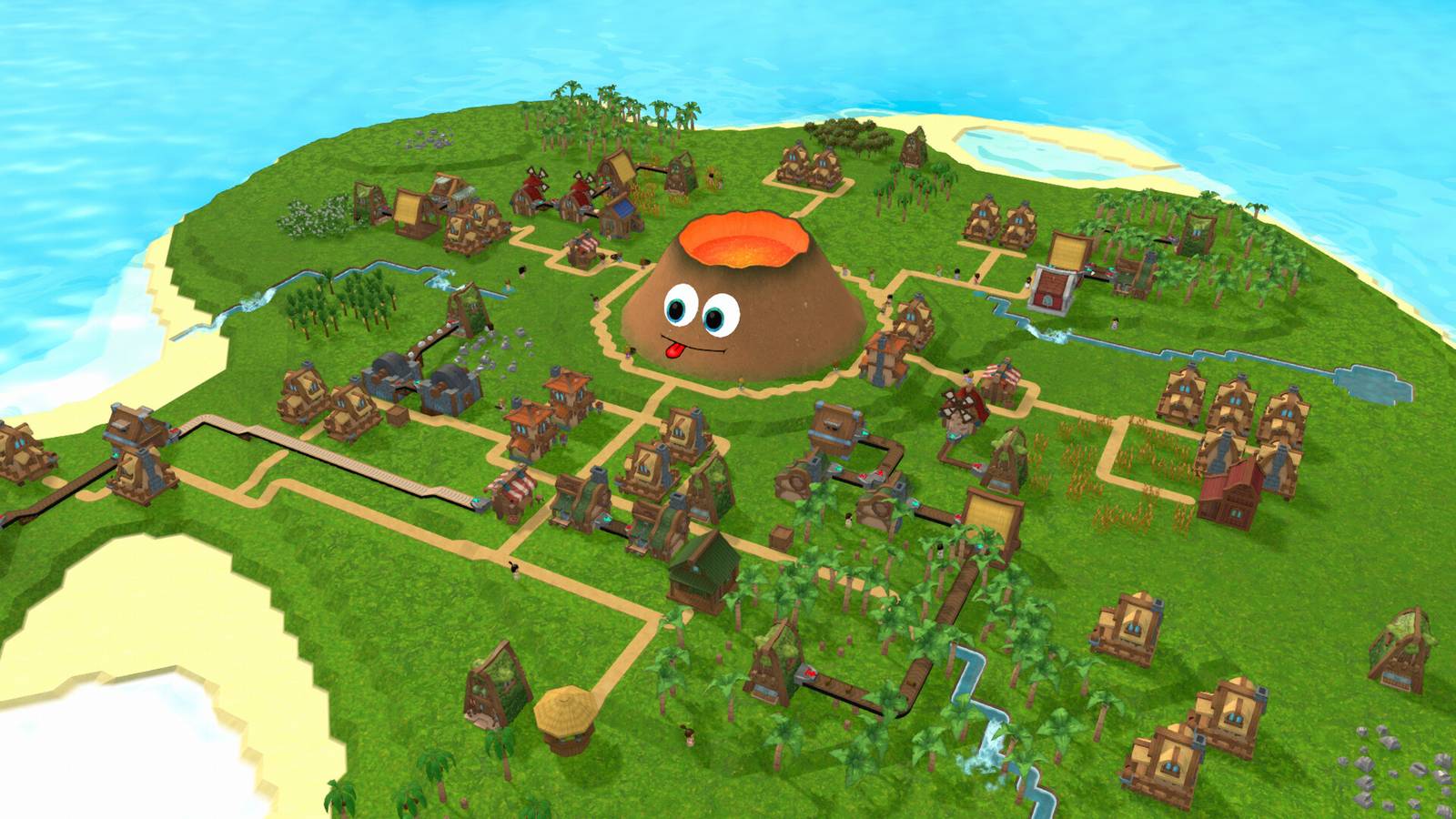
The narrative backdrop of Factory Town 2 is as whimsical as it is high-stakes. Players find themselves stranded on a small, sun-drenched sandbar island. At the center of this paradise sits a dormant volcano—a sentient, upbeat geological feature that has spent decades in a state of bored slumber. The arrival of a traveler, who introduces a few bananas into the volcano’s caldera, serves as the catalyst for the game’s progression.
Upon waking, the volcano undergoes a series of tremors, expanding the available landmass and populating it with natural resources: dense forests, flowing streams, and fertile plains for wheat production. However, this is not merely a vacation in the sun. The game introduces an existential threat in the form of a rogue comet hurtling toward the planet. The player’s objective is to transform this idyllic island into a bustling industrial powerhouse capable of constructing the infrastructure required to avert this global catastrophe. It is a unique juxtaposition: the relaxing, "chill" atmosphere of island living set against the backdrop of an impending cosmic collision.
A Chronology of Growth: From 2019 to the Future
The journey of the Factory Town franchise is a testament to the longevity of well-supported simulation games.
- 2019: Factory Town launches into Steam Early Access. It quickly gains a reputation for its deep, logistics-oriented gameplay, challenging players to balance worker happiness with complex production chains.
- 2021: The game graduates from Early Access to a full 1.0 release. Despite some criticism regarding its user interface, it maintains a dedicated player base due to its rewarding automation systems.
- March 2026: Factory Town 2: Paradise is officially announced, sparking excitement among fans of the original.
- May 2026: The developer confirms the release date for July 14, 2026.
- June 15, 2026 (Upcoming): A playable demo is scheduled to launch during Steam Next Fest, offering a wider audience the chance to experience the game’s core loops.
The Mechanics of Automation: How Factory Town 2 Evolves
For those familiar with the original, Factory Town 2 will feel like a homecoming, albeit one with significant renovations. The game retains its core identity as a town-builder where logistics are paramount. Players must gather raw materials—wood, wheat, ore, and fruit—and process them through a variety of stations, such as lumber mills and bakeries.
Managing the Workforce
Unlike standard factory games that rely purely on mechanical belts and arms, Factory Town 2 emphasizes the human element. Buildings require workers to operate. Villagers are not just faceless units; they are the lifeblood of the island. As players fulfill the needs of their citizens, they attract more residents, increasing the workforce available to staff new, more complex manufacturing facilities. The integration of a "tech tree" allows players to unlock upgrades, such as high-capacity housing and advanced production recipes, enabling the town to scale from a small hamlet into a sprawling, multi-island industrial empire.
Logistics and Infrastructure
One of the most anticipated aspects of the sequel is its expanded approach to transit. Players will have access to:
- Shipping Routes: Connecting disparate islands in the archipelago.
- Train Networks: Moving goods across vast distances efficiently.
- Elevated Conveyors: Utilizing vertical space to keep the ground level clear for villager foot traffic.
- Water Pipes: Introducing new fluid-based mechanics to the automation pipeline.
The game is designed with a "no-pressure" philosophy. Despite the looming comet, there are no hard timers or punishing fail-states that prevent players from experimenting with their layouts. This allows for a meditative, iterative design process where efficiency can be perfected over time.
Data and Early Impressions: The Playtest Experience
Recent playtests have highlighted the accessibility of the new title. While seasoned veterans of the first game will find themselves comfortably at home, newcomers are unlikely to feel overwhelmed. The learning curve is gradual, and the game’s internal logic—once grasped—becomes intuitive.
Initial observations suggest that the UI, a point of contention in the first game, has seen significant improvements. The feedback loop—donating items to the volcano to earn points for the tech tree—provides a constant, satisfying sense of progress. Whether you are building a simple bakery or a complex inter-island logistics network, the game rewards curiosity and planning.

The volume of content appears to be substantial. From luxury food items to complex manufactured goods, the sheer number of possible production chains ensures that players will have ample opportunities to optimize their towns long after the basic infrastructure is established.
Implications for the Simulation Genre
The success of Factory Town 2 could mark a significant shift in how developers approach the "cozy-automation" hybrid subgenre. By blending the aesthetic appeal of a "paradise" sim with the brain-teasing requirements of an industrial logistics game, Asmussen is tapping into a market that desires depth without the stress of traditional strategy games.
Furthermore, the decision to release a demo during Steam Next Fest demonstrates a commitment to community feedback—a cornerstone of the success of the first Factory Town. This transparent development cycle is becoming the gold standard for independent developers who rely on player engagement to refine complex simulation systems.
Conclusion: A Bright Future on the Horizon
Factory Town 2: Paradise represents a thoughtful iteration on a classic. It takes the lessons learned from five years of community feedback and applies them to a brand-new setting that feels both fresh and familiar. Whether you are a fan of meticulous, high-efficiency factory building or simply enjoy the prospect of turning a lonely island into a thriving, bustling metropolis, the upcoming release is one to watch.
With the Steam Next Fest demo arriving in mid-June and the full Early Access launch on July 14, 2026, the stage is set for players to dive into what promises to be one of the year’s most relaxing yet intellectually stimulating titles. As we prepare to save the world from a cosmic disaster—one shipment of wheat at a time—it is clear that Factory Town 2 is not just building factories; it is building a community of players ready to embrace the art of the perfect, efficient, and island-bound production line.












No comments yet. Be the first to join the conversation!