

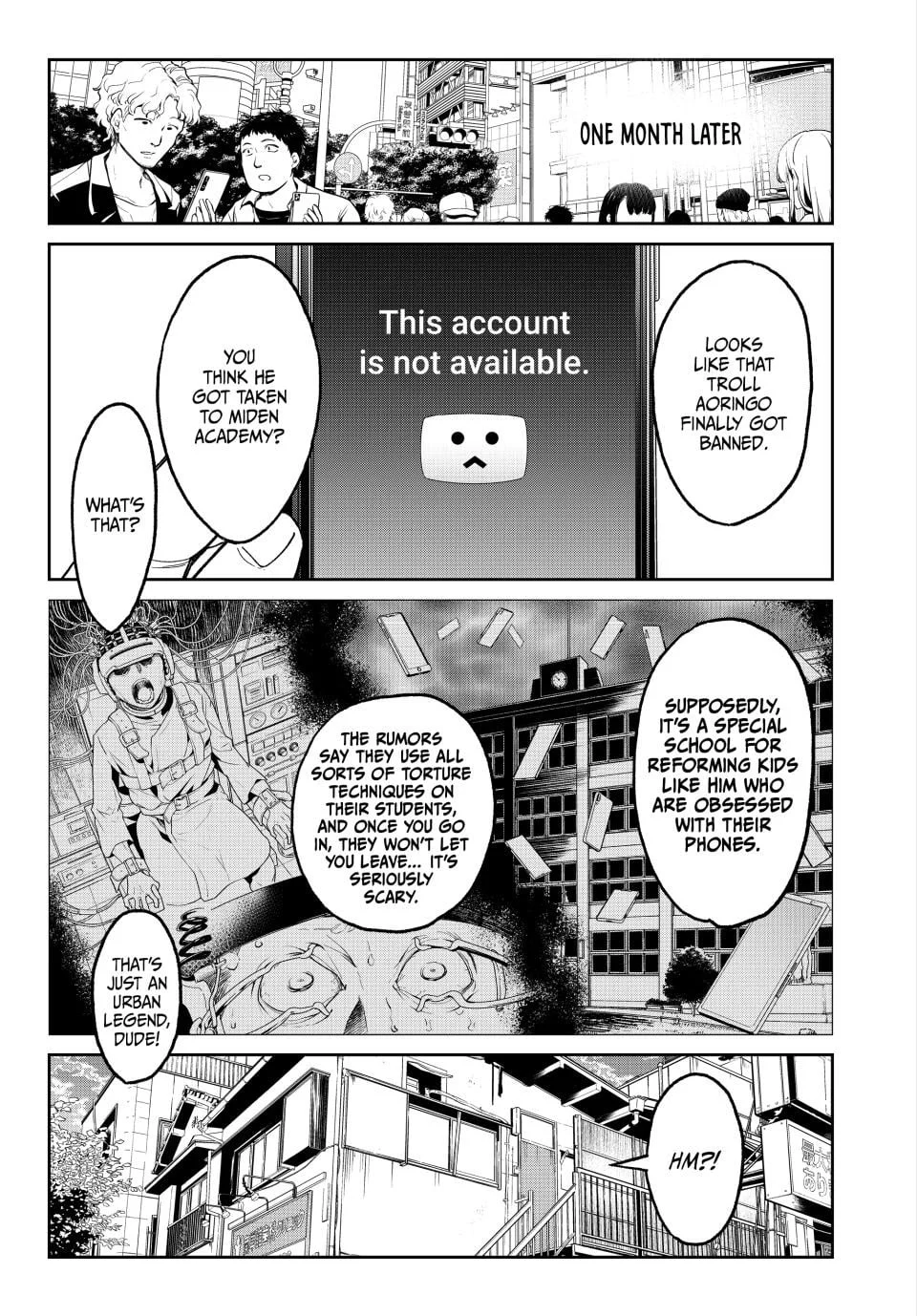
The global anime streaming industry is currently navigating a period of significant transition, marked by rising subscription costs and a consolidating market. However, as platforms like Crunchyroll expand their reach, they face increasing scrutiny regarding the quality and fidelity of their in-house localizations. The latest flashpoint in this ongoing debate is the English-language dub of Dead Account, an anime adaptation of Shizumu Watanabe’s popular manga. Fans and critics have pointed to a series of "botched" localizations, where original Japanese dialogue has been replaced with modern "Zoomer" internet slang, raising questions about the balance between cultural adaptation and the preservation of a creator’s original intent.
Main Facts: The Intersection of Horror and Hyper-Modernity
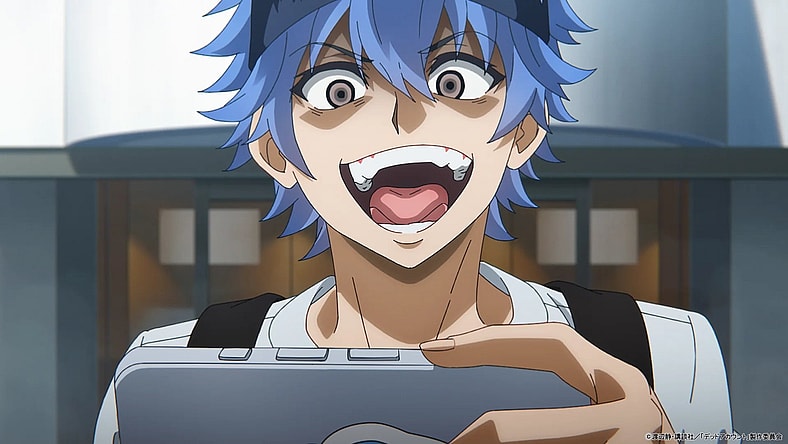
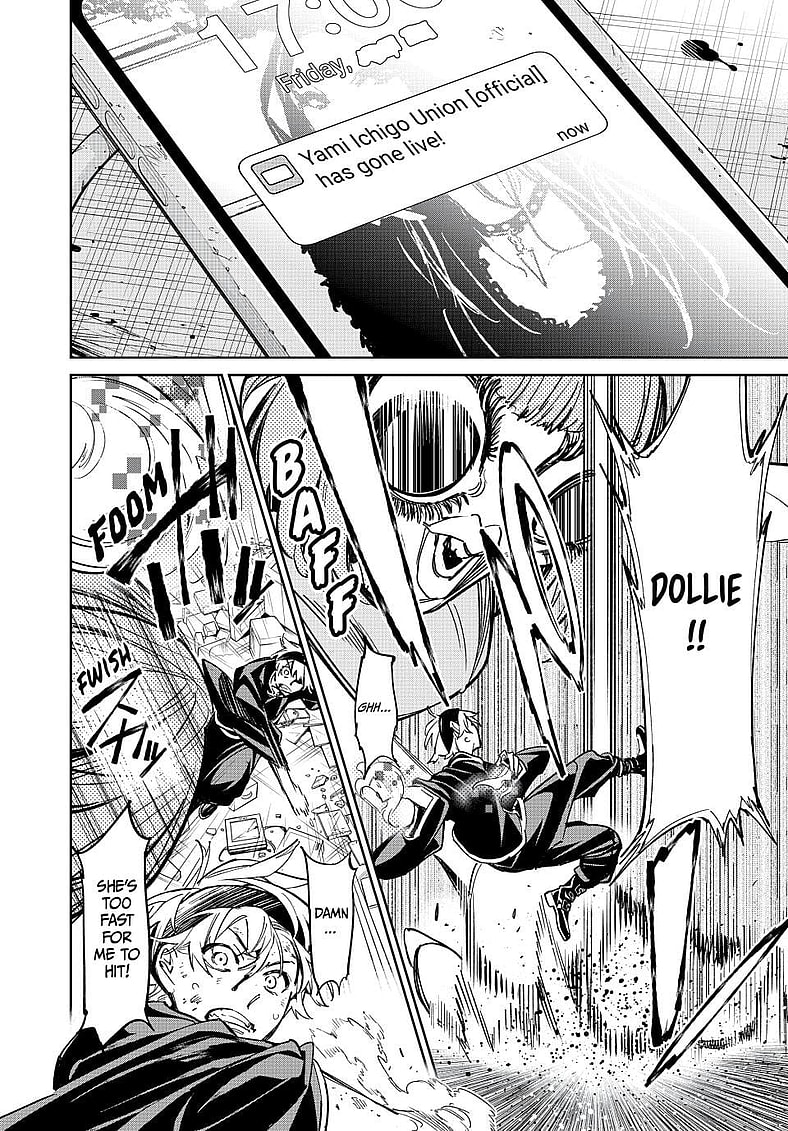
Dead Account, produced by SynergySP and based on the manga by Shizumu Watanabe, is a contemporary take on the exorcist genre. The narrative follows students at Miden Academy who hunt "ghost accounts"—supernatural aberrations that occur when the social media profiles of the deceased become possessed by malevolent spirits. These entities are fought using "cyberkinesis," a smartphone-based spiritual power.
Given its premise, the series naturally integrates themes of social media, digital fame, and online toxicity. However, the controversy does not stem from the themes themselves, but rather from the specific linguistic choices made by Crunchyroll’s in-house English localization team. In several instances across the first five episodes, the English dub significantly deviates from both the original Japanese script and the official English manga translation provided by Kodansha.

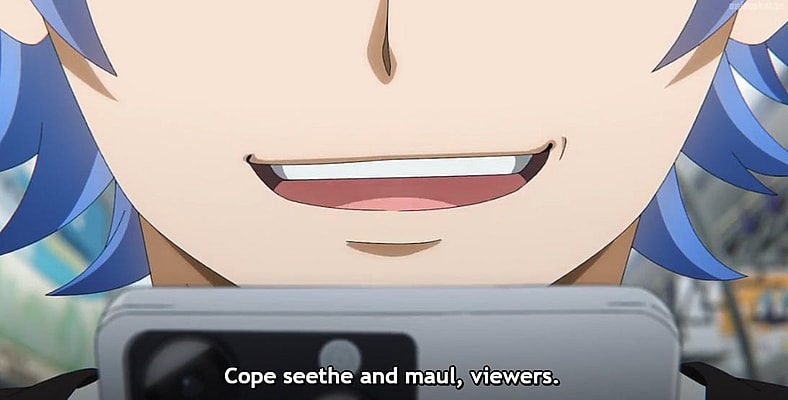
Critics argue that by inserting highly specific, ephemeral internet memes—such as "cope, seethe, and mald," "slay," and "yassified"—the localizers have altered the characterizations and tone of the series, potentially dating the content and alienating viewers who prefer a more faithful translation.
Chronology of the Localization Deviations
The issues identified by the community began with the series premiere and escalated as the "Worst Trio" arc commenced in the fourth episode.
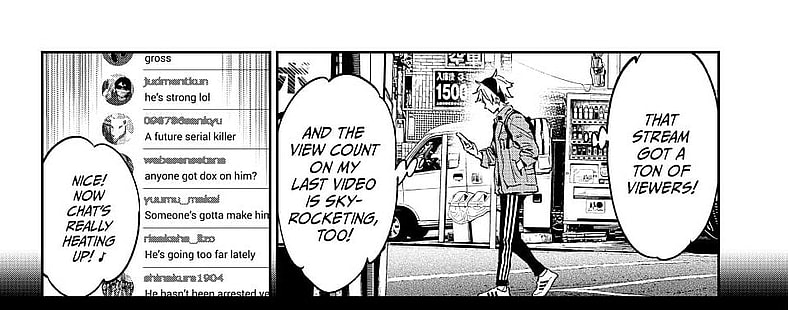
Episode 1: "The Ultimate Flamebaiter"
The series introduces Soji Enishiro, a "Mytuber" who gains spiritual power through "flamebaiting" (intentionally provoking online outrage). In the original manga and the Japanese audio, Soji celebrates the success of his stream by noting that the "chat is heating up" or that there is a "rage burning" among his viewers.
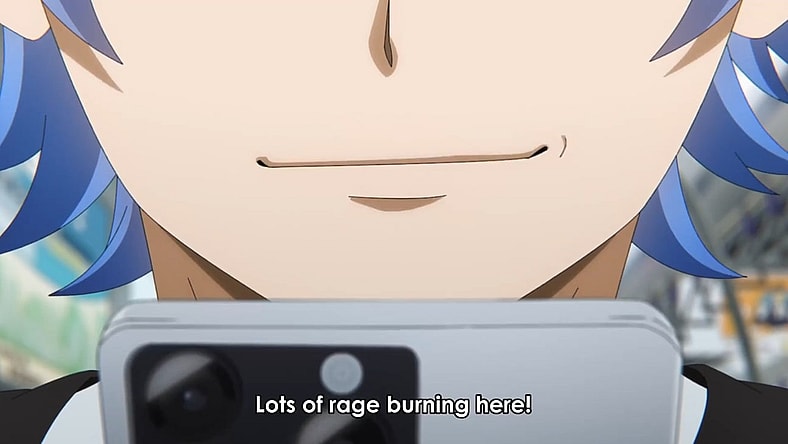
However, the English dub replaces these fire-themed metaphors—which are central to his character’s "flame" motif—with the phrase: "Cope, seethe, and mald, viewers!" While these terms are common in specific corners of the English-speaking internet, they lack the direct connection to the "flame" terminology used in the original text.
Episode 4: "The Worst Trio Possible"
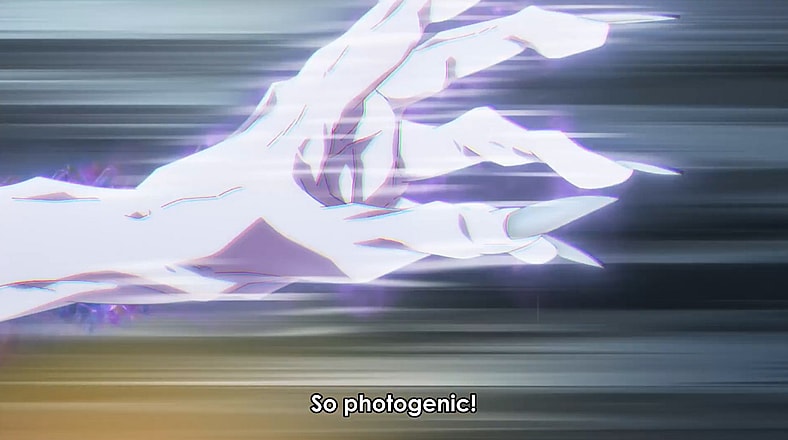
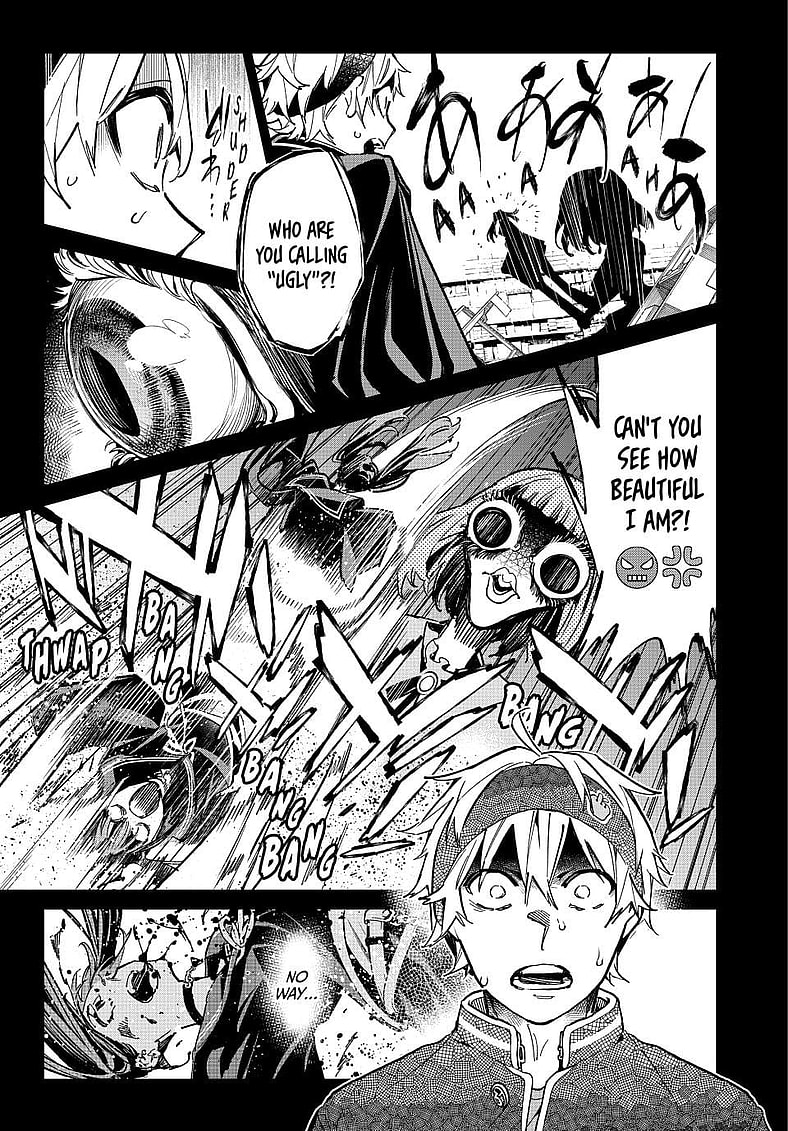
The deviations became more pronounced during an encounter with a "ghost account" named Kirika-chan. In the original script, Kirika-chan is obsessed with being "photogenic" and "beautiful," a tragic reflection of her vanity in life.
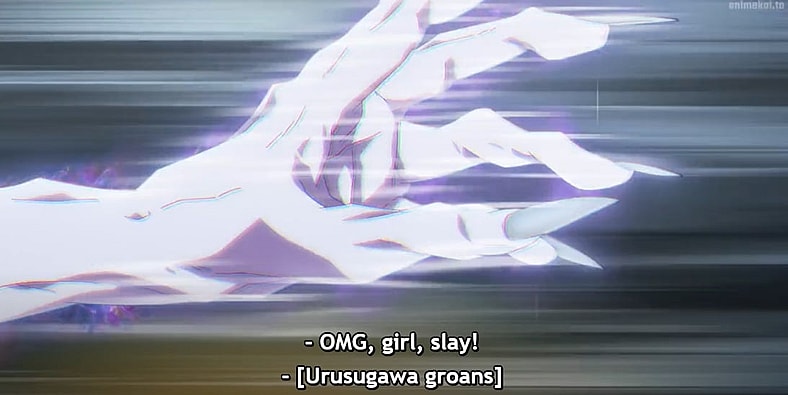
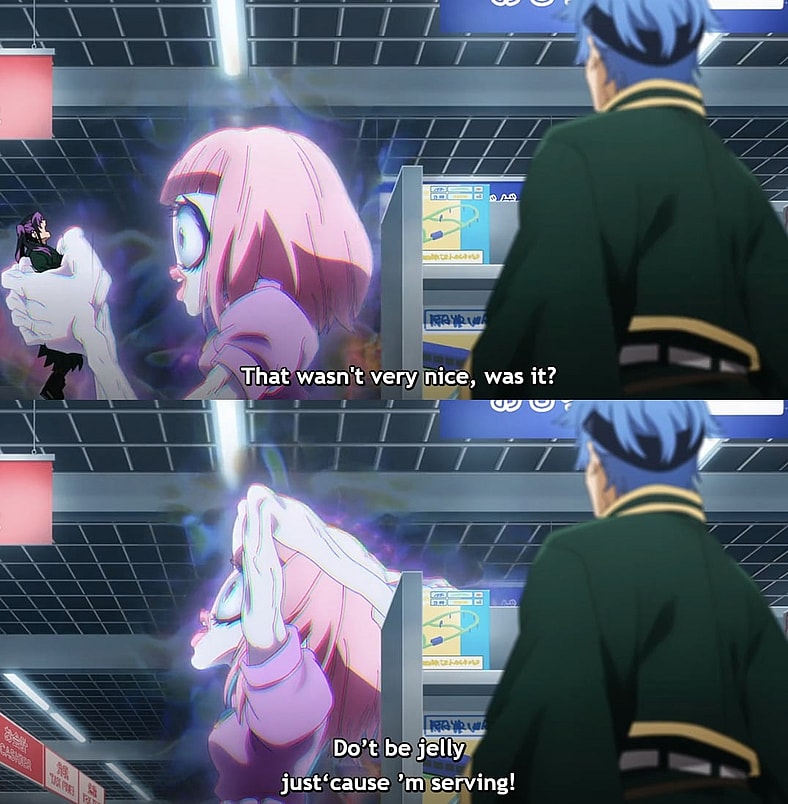
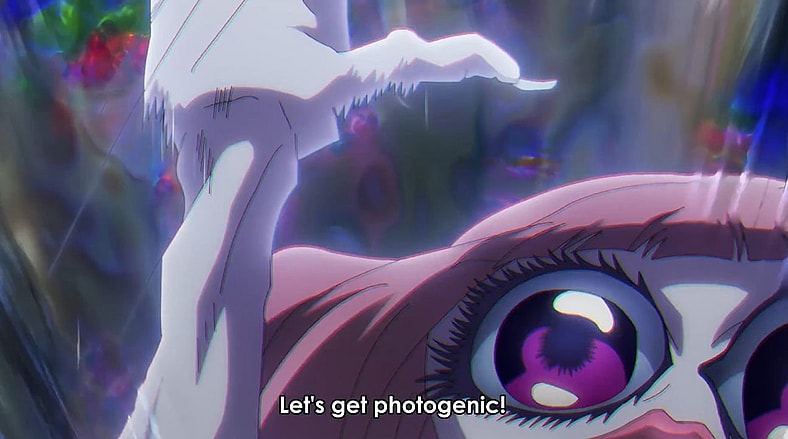
When attacking the protagonist Urusugawa, the Japanese script has the ghost screeching about being "photogenic." The English subtitles remain relatively faithful, but the English dub replaces the dialogue with: "OMG girl, slay!" Later, when Kirika-chan retaliates against being called ugly, the dub changes her defense of her beauty to: "Don’t be jelly just ’cause I’m serving!"
Episode 5: "The Anachronistic Exorcist"
In the fifth episode, the localization team targeted the reputation of the teacher, Yoimaru Azaki. In the manga, he is described with reverence as a "Living Legend" for his past exploits. While the anime maintains this title, the English localization (both sub and dub) adds a modern editorialization, having the character Urusugawa describe the title as "super cringe." This addition of a subjective value judgment ("cringe") was not present in the original Kodansha manga translation, where the focus was strictly on his status as a "genius spirit medium."
Supporting Data: A Comparison of Texts
To understand the scale of the changes, one must compare the three primary versions of the text: the original Manga (Kodansha), the Anime Subtitles (Crunchyroll), and the Anime Dub (Crunchyroll).
| Context | Original Manga / Subtext | English Dub Version | Slang Category |
|---|---|---|---|
| Streamer Taunt | "Chat’s heating up / Rage burning" | "Cope, seethe, and mald" | Gaming/Twitch Slang |
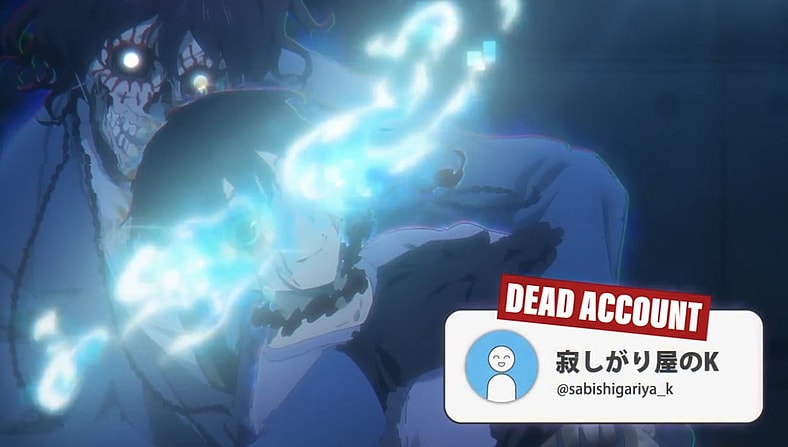
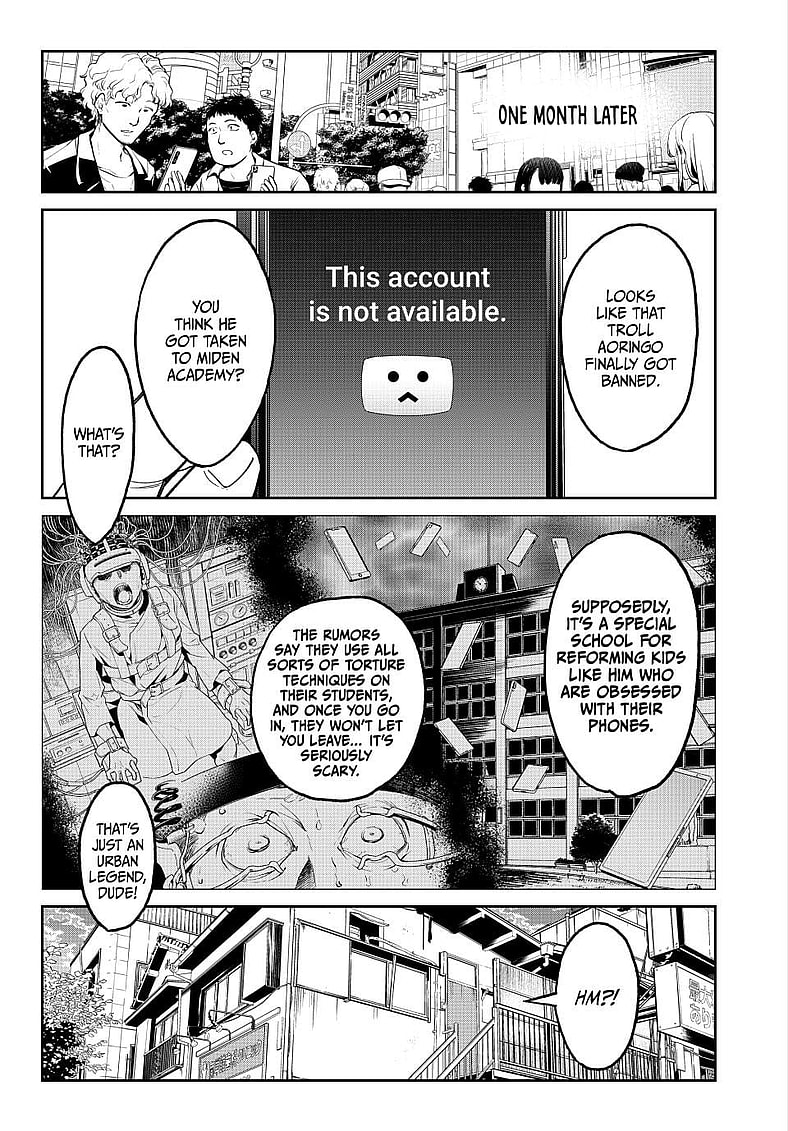
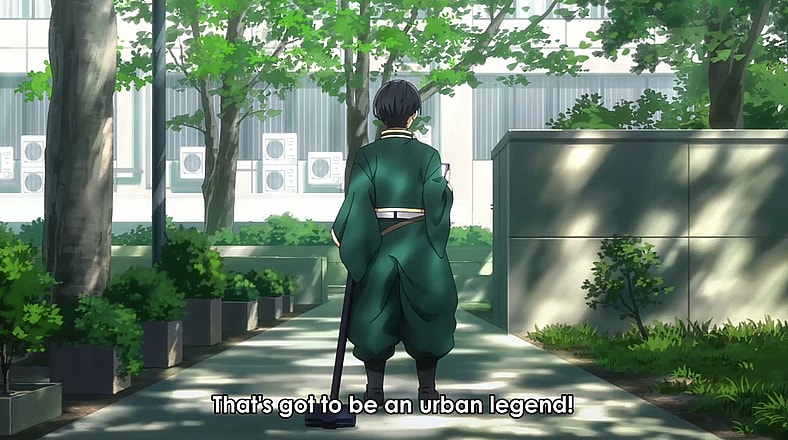
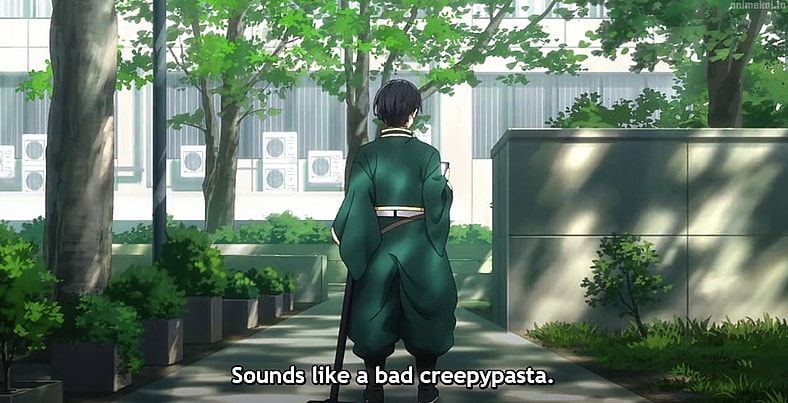
| Urban Legend | "That’s just an urban legend!" | "Sounds like a bad creepypasta!" | Internet Horror Slang |
| Ghost Attack | "So photogenic!" | "OMG girl, slay!" | AAVE/Stan Culture |
| Ghost Retaliation | "Who are you calling ugly?" | "Don’t be jelly ’cause I’m serving" | 2010s/2020s Slang |
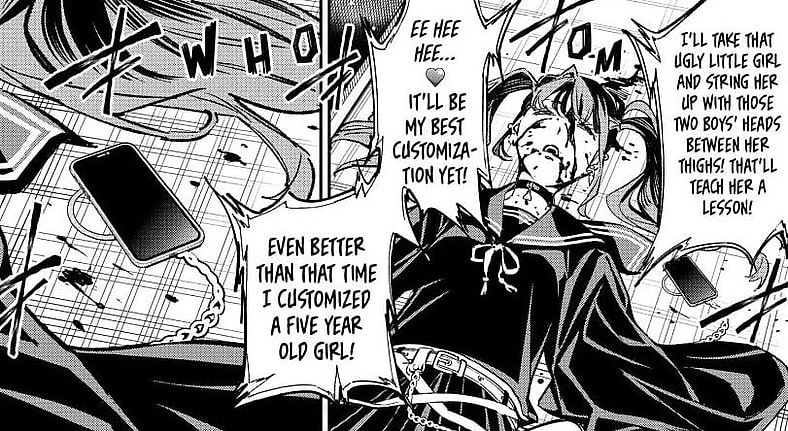
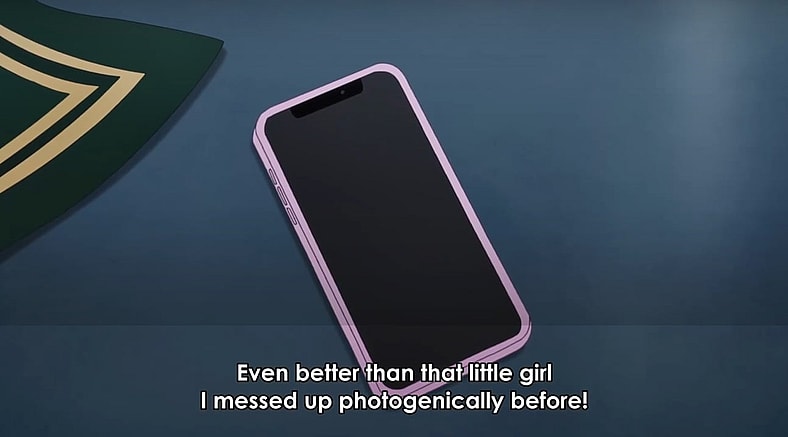
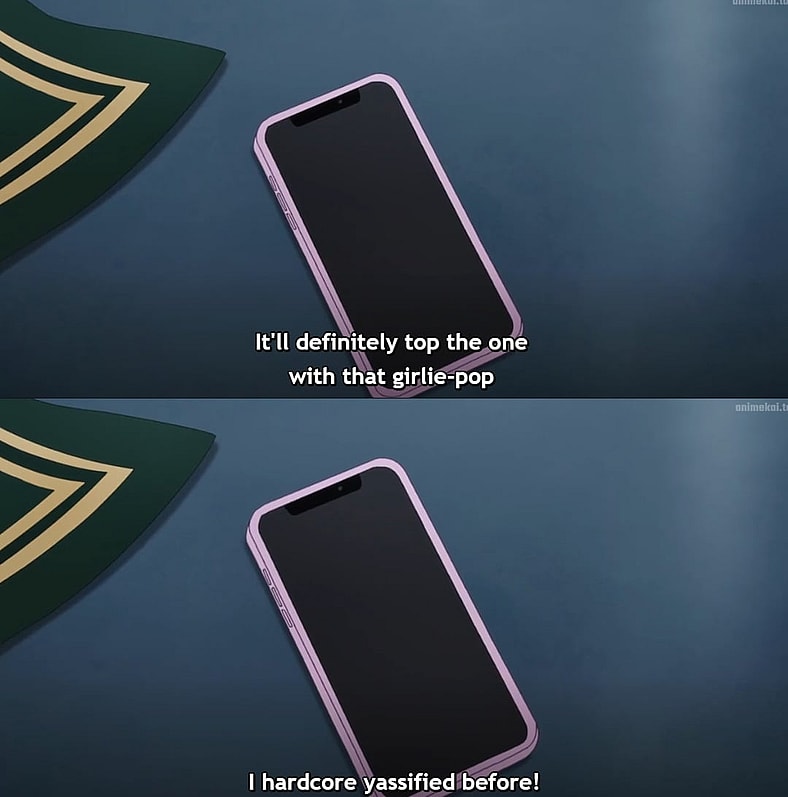
| Victim Description | "I messed up that girl before" | "Girlie-pop that I yassified" | TikTok/Gen-Z Slang |
| Legend Status | "The Living Legend" | "The super cringe Living Legend" | Modern Pejorative |
The use of "yassified" is particularly notable. In the context of the scene, Kirika-chan is describing the horrific physical mutilation of a child. By using a term associated with glamorous digital makeovers ("yassification"), the dub creates a tonal dissonance that some viewers find inappropriate for the horror-centric subject matter.
Official Responses and Industry Context
As of this report, Crunchyroll has not issued a formal statement regarding the specific localization choices in Dead Account. Historically, streaming platforms have defended "liberal" localizations as a necessary tool to make foreign content feel "relatable" or "current" to a domestic audience.
However, this incident does not exist in a vacuum. It follows a string of similar controversies across the industry:
- Sentai Filmworks (Oshi No Ko): Localizers were criticized for inserting references to "cancel culture" into dialogue where the original Japanese text discussed general social pressure.
- Netflix (Blue Box): A character was described as a "feminist" in the English script, whereas the original Japanese text used a term meaning "feminine" or "kind to women," changing the political subtext of the conversation.
- Viz Media (Syd Craft: Love is a Mystery): The English translation was flagged for heavy use of modern slang that many felt distracted from the noir-inspired mystery setting.
The frustration among the fan base is compounded by recent economic shifts. Crunchyroll recently increased its membership fees in several territories. For many subscribers, the expectation is that higher prices should correlate with higher quality control, including translations that respect the nuances of the source material rather than relying on transient internet memes.
Implications: The "Shelf Life" of Localization
The primary concern regarding the "memeification" of anime dubs is the issue of longevity. Professional journalism and media criticism often highlight that slang has a notoriously short half-life. A dub that relies on terms like "girlie-pop" or "mald" may feel "current" in 2024 or 2025, but it risks becoming incomprehensible or embarrassing to viewers just five years later.
Furthermore, there is the philosophical question of "Translation vs. Localization."
- Translation seeks to convey the literal meaning and cultural context of the original language as accurately as possible.
- Localization attempts to adapt that meaning so it resonates with the target culture’s current sensibilities.
In the case of Dead Account, critics argue the localization has crossed into "rewriting." By changing a character’s obsession with being "photogenic" (a universal concept) to "serving" and "slaying" (specific subcultural slang), the localizers have essentially rewritten the character’s voice.
This trend also reflects a growing divide between "purist" fans—who often cross-reference anime with manga—and localization teams who may see themselves as "creative partners" in the production process. When the English dub of a series begins to feel like a parody of the original work, it risks damaging the brand of both the series and the streaming platform.
As the anime industry continues to grow into a multi-billion dollar global powerhouse, the demand for "invisible" localization—where the hand of the translator is not felt—remains high. The controversy surrounding Dead Account serves as a reminder that while slang may garner a few laughs on social media in the short term, the long-term value of a series often lies in its fidelity to the creator’s original vision. For Crunchyroll, the challenge moving forward will be to reconcile their internal creative directions with a global audience that is increasingly literate in Japanese tropes and demands a higher standard of linguistic accuracy.









No comments yet. Be the first to join the conversation!