

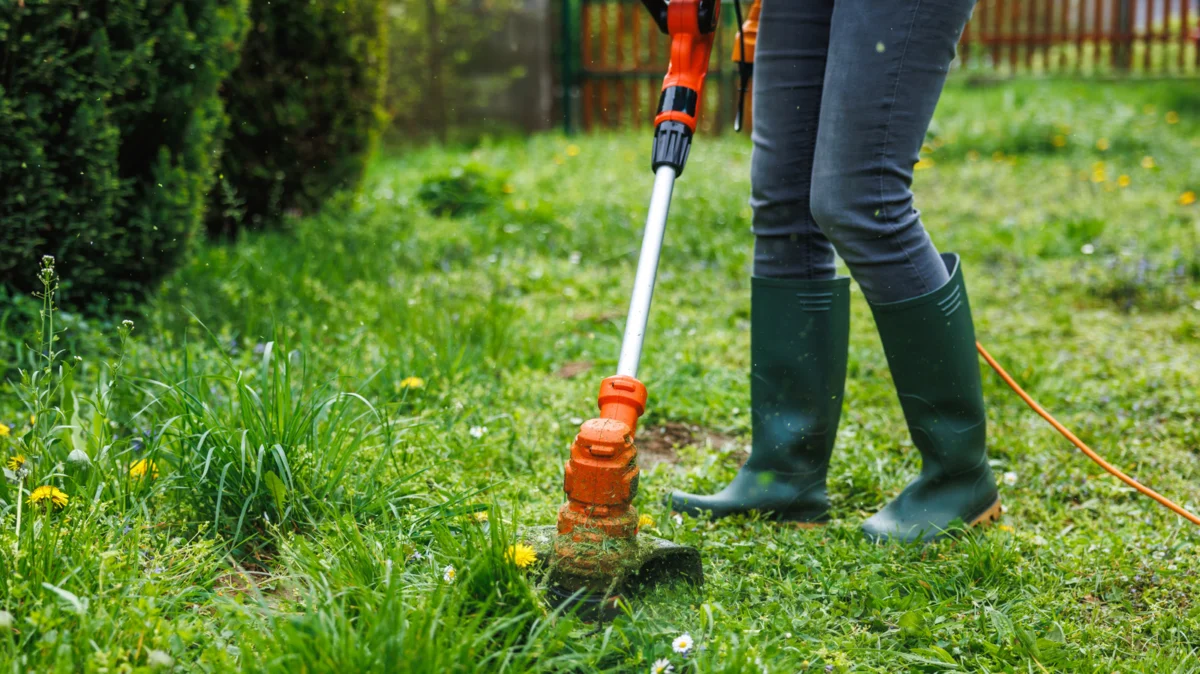
For homeowners and landscaping professionals alike, a pristine lawn is the hallmark of a well-maintained property. While the mower handles the bulk of the turf, the true "finish" of a landscape—the crisp edges along driveways, the delicate trimming around flower beds, and the clearing of fence lines—falls to the unsung hero of the tool shed: the string trimmer, commonly known as the "weed eater."
As an essential component of any outdoor maintenance arsenal, the string trimmer is subject to rigorous physical demands. But exactly how long should you expect your investment to last? Understanding the lifecycle of these machines is not merely a matter of equipment management; it is a vital aspect of economic and environmental stewardship.
The Core Facts: Defining the Lifespan of a String Trimmer
When evaluating the longevity of a gas-powered string trimmer, industry benchmarks suggest an operational lifespan of five to ten years. However, this range is not a guarantee; it is a statistical average influenced heavily by the quality of the internal combustion engine and the rigor of the owner’s maintenance schedule.
Under ideal conditions—where a high-end commercial or prosumer-grade unit is used sparingly and serviced meticulously—it is entirely possible to push these machines past the decade mark. Conversely, a budget-friendly consumer model subjected to heavy-duty, daily use without proper fuel management can succumb to engine failure in as little as two to three seasons.
The engine, typically a two-stroke or four-stroke small displacement motor, is the heart of the device. Unlike the engine in your vehicle, which is lubricated by a pressurized oil system, the two-stroke engines commonly found in trimmers rely on a pre-mixed fuel-oil ratio. This design makes them lightweight and powerful, but also significantly more sensitive to fuel degradation, carbon buildup, and overheating.
A Chronological Breakdown: The Life of a Trimmer
To understand why some trimmers last five years while others reach fifteen, it helps to look at the lifecycle of the machine in stages.
The Honeymoon Phase (Years 0–2)
In the first two years, the machine is in its prime. Parts are tight, the carburetor is clean, and the seals are supple. Most failures during this period are not "engine wear" but rather "user error," such as using old fuel, failing to grease the gear head, or improperly storing the unit during winter months.
The Maintenance Threshold (Years 3–5)
By the third to fifth year, the "wear items" begin to show their age. Fuel lines often become brittle due to the ethanol content in modern gasoline, air filters lose their structural integrity, and the spark plug likely requires its second or third replacement. This is the stage where the owner’s commitment to maintenance truly determines if the tool continues to operate or is relegated to the scrap heap.
The "Legacy" Stage (Year 6 and Beyond)
Units that reach this stage are usually those owned by meticulous hobbyists or professionals who understand the nuance of small engine care. At this point, you are dealing with potential compression loss and the accumulation of carbon deposits in the exhaust port. A unit that reaches this milestone is a testament to consistent lubrication and the use of premium fuel stabilization.
Supporting Data: Factors That Influence Longevity
Why does one engine last twice as long as another? The answer lies in a combination of environmental variables and technical practices.
The Ethanol Dilemma
Modern gasoline contains ethanol, which is hygroscopic—meaning it attracts water from the atmosphere. When a trimmer sits in a garage for weeks or months, the water-ethanol mixture separates and sinks to the bottom of the fuel tank, causing corrosion in the carburetor. Using high-quality fuel stabilizers or ethanol-free "canned" fuel is perhaps the single most impactful factor in extending the lifespan of a small engine.
Carbon Build-up and Operating Temperatures
Gas-powered trimmers operate at extremely high RPMs. If the engine is run at full throttle for extended periods without adequate cooling, the internal components expand and wear prematurely. Furthermore, if the air-fuel mixture is running "rich" (too much fuel) or if the air filter is clogged, carbon deposits build up on the piston crown and exhaust port, eventually choking the engine’s ability to breathe.
Gearbox Lubrication
While the engine gets the most attention, the gearbox at the end of the shaft is the mechanical link to the cutting head. Without regular greasing, the gears inside will strip, leading to a mechanical failure that is often more expensive to repair than the cost of a new trimmer.
Official Perspectives: Recommendations from Industry Leaders
Engine manufacturers and lawn equipment experts emphasize that "prevention is cheaper than replacement." Most major manufacturers, including brands like Stihl, Echo, and Husqvarna, advocate for a strict seasonal maintenance schedule.
- Seasonal De-winterization: Every spring, the fuel system should be purged. Never start a season with the fuel that was left in the tank from the previous autumn.
- The "Air Filter Rule": Experts suggest that the air filter should be inspected every 10 to 20 hours of operation. In dusty or dry conditions, this interval should be shortened. A clean air filter is the easiest way to prevent engine overheating.
- Professional Tune-ups: While DIY maintenance covers the basics, a professional tune-up every three years can address issues like carburetor diaphragm wear and compression testing, which are beyond the scope of the average homeowner’s tool kit.
Implications: The Environmental and Economic Cost of Disposal
The decision to maintain a weed eater rather than replace it has significant implications.
Economic Impact
A quality gas trimmer is a significant investment. By extending its life from five years to ten, a homeowner effectively halves their annual cost of ownership. Beyond the sticker price, frequent replacement creates a recurring demand for parts and manufacturing energy that could be better spent on higher-quality tools.
Environmental Stewardship
Small engines are notorious for their emissions. An older, poorly maintained engine runs less efficiently, leading to incomplete combustion and higher pollution output. By keeping an engine tuned—ensuring the spark plug is firing correctly and the air-fuel ratio is optimal—you are not only saving money but also reducing the environmental footprint of your lawn maintenance.
Furthermore, "disposable" consumer tools often end up in landfills, where the plastic housing and heavy metals from the engine components persist. Investing in a durable, repairable unit and committing to its maintenance is a choice that aligns with modern sustainability goals.
Conclusion: A Philosophy of Care
Your weed eater is more than a convenience; it is a complex piece of mechanical engineering designed to perform under harsh conditions. While the average lifespan may hover between five and ten years, that number is not a ceiling—it is a baseline.
By treating your equipment with the same care you afford your vehicle, you can ensure that your landscape remains pristine while your tool remains reliable. Inspect your air filters, stabilize your fuel, lubricate your moving parts, and store your equipment with intention. In doing so, you move from being a mere user of tools to a steward of your property, ensuring that the work of today does not become the waste of tomorrow.











No comments yet. Be the first to join the conversation!