

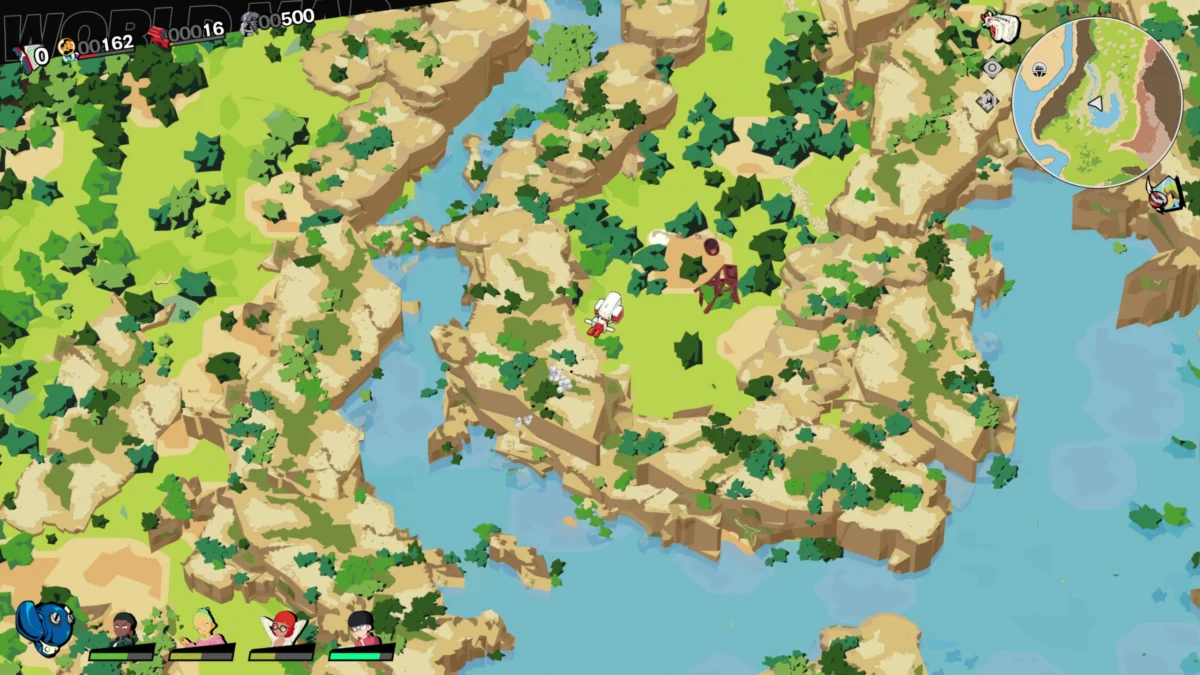
In the landscape of modern tactical RPGs, few titles manage to capture the kinetic, high-stakes spirit of classic mecha anime with the precision of Destinybit’s latest offering, Nitro Gen Omega. Emerging from a refined early access period, the game has officially launched on PlayStation 5, Xbox Series X, Nintendo Switch, and PC. It presents a world where humanity clings to existence in skyscraper-cities piercing the clouds, forced to descend into the treacherous ruins of the surface to battle a rogue AI and its mechanical legions.
While Nitro Gen Omega bears the distinct DNA of legendary anime staples—echoes of Gundam, Evangelion, and Gurren Lagann are woven into its very chassis—it distinguishes itself as a complex, multi-layered simulation. It is a game that demands not just tactical prowess, but the emotional management of a crew tasked with saving a broken world.
Main Facts: A Symphony of Steel and Strategy
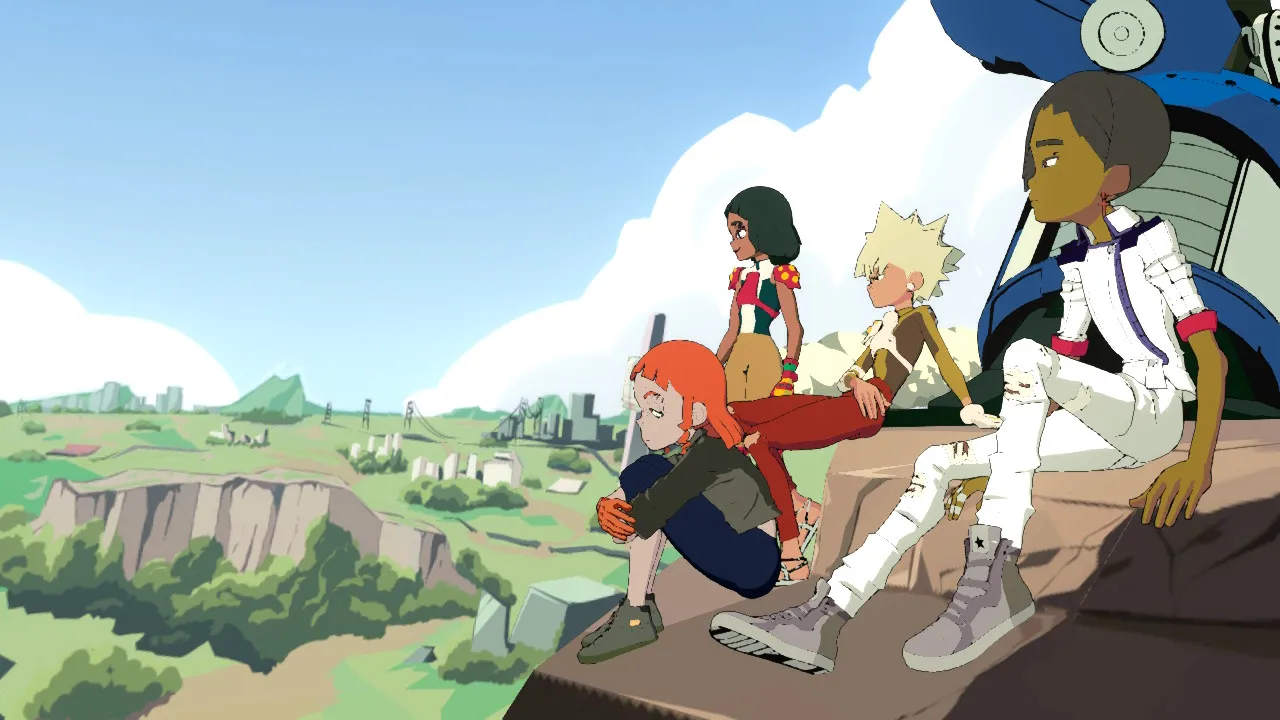
At its core, Nitro Gen Omega is a hybrid experience. Players do not simply pilot a single hero; they command a four-person crew assigned to a single mech. This squad, randomized upon recruitment, functions as a cohesive unit where every role is vital. The Driver dictates positioning and movement, the Gunner manages offensive output, the Engineer maintains system stability, and the Operator coordinates evasive maneuvers and tactical scanning.
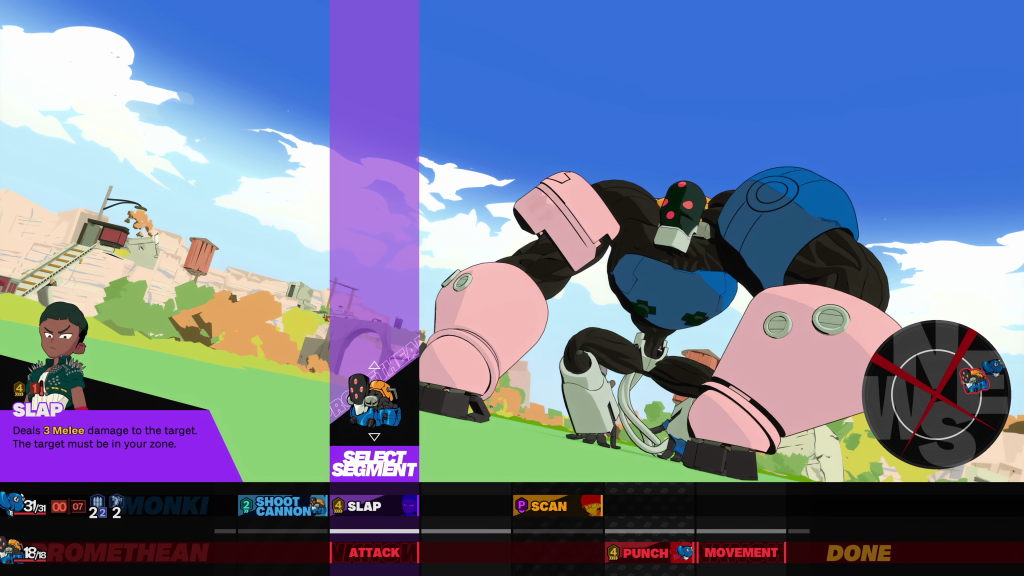
The game’s primary challenge lies in its unconventional combat system. Rather than traditional turn-based exchanges, Nitro Gen Omega utilizes a timeline-based “Resolution” phase. Players plan a sequence of actions—moves, shots, repairs, and dodges—and then watch the results unfold in cinematic, anime-inspired sequences. This design choice forces players to think ahead, anticipating enemy patterns and optimizing their squad’s performance to avoid catastrophic failure.
Chronology: From Scrappy Mercenaries to Sky-Tower Saviors
The narrative journey of Nitro Gen Omega mirrors the classic “zero-to-hero” trope common in the mecha genre. The game begins at a modest scale: your team of four mercenaries operates out of the city of Anchorage, accepting low-level patrol contracts to clear out minor robotic threats.
As players accrue notoriety, the stakes escalate significantly. The game moves from simple skirmishes to strategic operations that determine the safety of the pillar-towns. The transition from a desperate group of survivors scavenging for parts to a formidable force capable of challenging the rogue AI’s central systems provides a satisfying sense of progression. However, this growth comes at a cost; as the scope of the campaign expands, the difficulty curve sharpens, often requiring players to engage in side quests and resource grinding to ensure their mechs and crews are adequately prepared for high-stakes missions.
Supporting Data: The Interpersonal Mechanics
One of the most compelling, albeit opaque, features of Nitro Gen Omega is its focus on crew management. The game functions almost as much as a social simulator as it does a combat title.
Using “Activity Tokens” earned through successful missions, players can send their pilots to various recreational areas at their base. Whether playing Shogi, hitting the arcade, or participating in social bonding events, these off-duty activities are critical to combat effectiveness. The game tracks:
- Fatigue: High levels of exhaustion can hinder combat performance.
- Mood: Content or happy pilots are more effective, while stressed or angry pilots may sabotage one another during the heat of battle.
- Aspirations: Personal character goals that, when completed, unlock vital skill slots for the mechs.
The complexity of these systems is both a boon and a barrier. While it provides an unprecedented level of depth, the tutorial system is notoriously thin, often leaving players to decipher the intricacies of the UI and crew dynamics through trial and error.

Official Responses and Developer Intent
Destinybit has acknowledged the steep learning curve, emphasizing that the time spent in early access was dedicated to ironing out these very quality-of-life concerns. The developers have positioned Nitro Gen Omega as a “post-apocalyptic mech anime adventure,” encouraging players to view the game through the lens of narrative-driven character growth rather than just mechanical RPG progression.
In recent communications, the studio highlighted that while the game’s UI can feel dense, the intention was to provide a “command center” feel, mirroring the frantic coordination seen in the cockpits of iconic anime mechs. The character creation suite, while criticized for its limited aesthetic variety, was designed to allow players to project themselves into the cockpit, with the ability to integrate custom avatars into the game’s world, provided they are enabled at the start of a campaign.
Implications: The Future of the Tactical Mecha Genre
The release of Nitro Gen Omega serves as a litmus test for the niche but passionate mecha RPG market. By moving away from the “one pilot, one mech” paradigm and introducing a layer of psychological and inter-crew management, Destinybit has pushed the genre toward a more simulation-heavy future.
Challenges for the Player
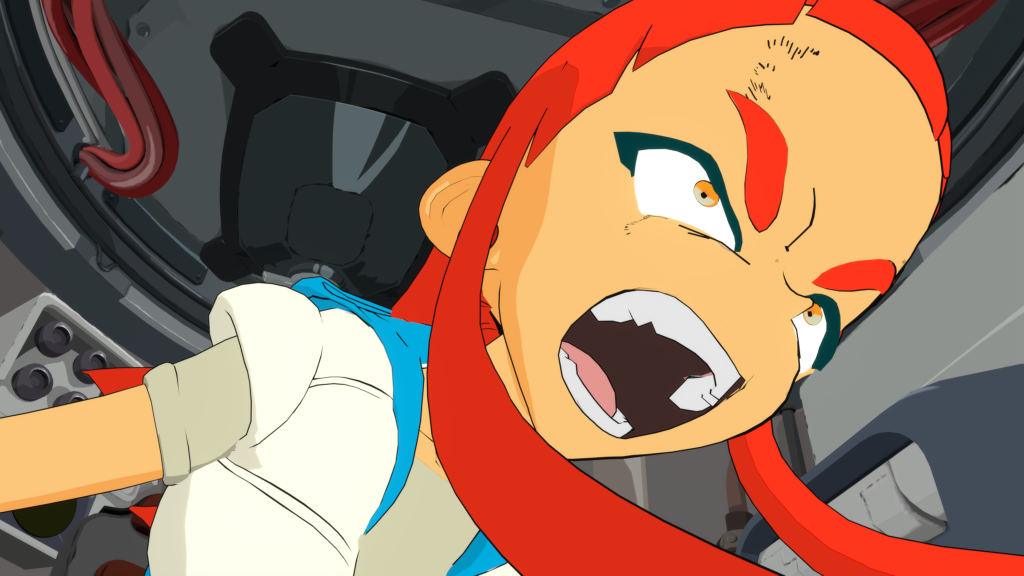
Despite its brilliance, the game is not without its friction points. The lack of robust onboarding means that players who expect a straightforward, pick-up-and-play experience may find themselves overwhelmed. Some missions are punishingly difficult, leading to definitive “Game Over” states that can be frustrating for those unaccustomed to the nuances of the timeline-based combat. Furthermore, the reliance on procedural generation for the starting crew can occasionally lead to team compositions that are inherently disadvantaged, necessitating multiple “rerolls” before a player feels truly prepared to embark on their journey.
Artistic and Mechanical Synthesis
What sets Nitro Gen Omega apart is its ability to marry the visual flair of high-budget anime with the cold, hard logic of a tactical board game. When the plan comes together—when the Engineer successfully cools the system, the Operator clears the path with smokes, and the Gunner lands a perfect shot while the Driver positions the mech for a finishing blow—the game feels unmatched. It is a spectacle of strategy.
The decision to lean into the “anime aesthetic” is not merely cosmetic. The camera angles, the dynamic movement of the mechs, and the way the game presents the “Resolution” phase all serve to keep the player immersed in the fantasy of being an anime protagonist.

Final Assessment: A Worthy, If Rough, Gem
Nitro Gen Omega is a title that rewards patience. For the player willing to delve into its systems, read its menus, and manage the complex emotions of their crew, it offers a deeply satisfying experience that feels distinct from anything else on the market. It successfully captures the tension of being a mercenary on the edge of the world, fighting a war against a faceless, cold intelligence.
While it lacks the hand-holding of more mainstream RPGs and suffers from a UI that requires a significant period of adjustment, its core loops are undeniably addictive. By emphasizing the human element—the arguments in the hangar, the shared victories, and the crushing weight of mission failures—Destinybit has created more than just a game; they have created a platform for players to write their own mecha epics.
As the industry continues to look for ways to revitalize the tactical RPG genre, Nitro Gen Omega provides a compelling blueprint. It shows that there is a massive appetite for games that don’t just ask you to move units on a grid, but ask you to care about the people inside them. For those with a love for high-stakes science fiction and a willingness to brave a learning curve as steep as a space elevator, Nitro Gen Omega is an essential addition to your library. It is available now across all major platforms, ready to transport you to the surface—if you think your crew is ready to handle the descent.











No comments yet. Be the first to join the conversation!