

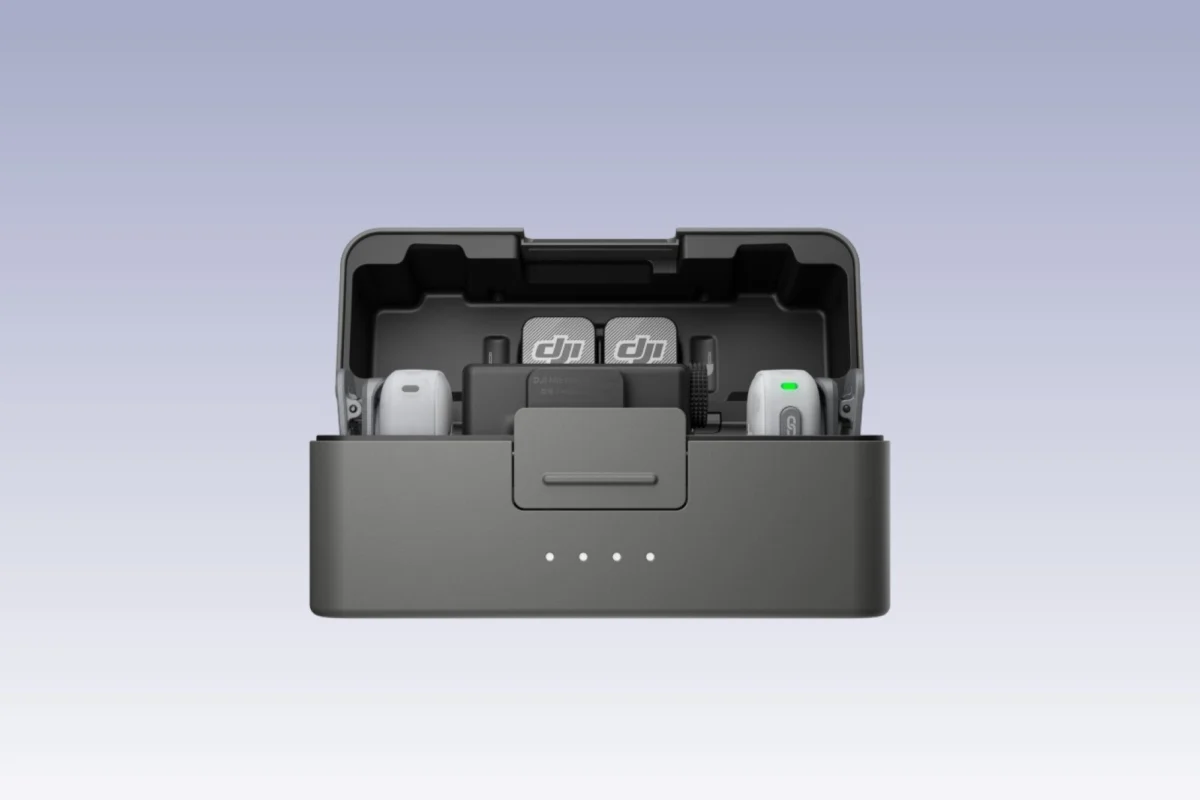
The landscape of content creation is defined by the tools that allow creators to capture high-fidelity audio without the bulk of traditional studio equipment. Last year, the original DJI Mic Mini established itself as a gold standard for budget-conscious, high-performance portable audio. Now, the successor—the DJI Mic Mini 2—has broken cover, offering refined aesthetics and enhanced utility. However, for a significant portion of the global market, this release is currently little more than a "look but don’t touch" scenario. As the product rolls out to international markets, U.S.-based creators find themselves sidelined by an ongoing regulatory and geopolitical impasse that continues to shadow DJI’s operations in the United States.
Main Facts: What’s New in the Mic Mini 2?
The DJI Mic Mini 2 arrives as a strategic refinement rather than a total hardware overhaul. For those already familiar with the portability of the first generation, the sequel maintains the core footprint that made the original a favorite among vloggers, journalists, and social media influencers.
Aesthetic and Functional Customization
The most immediate change in the Mic Mini 2 is the introduction of a magnetic, swappable cover system. These covers are not merely decorative; they serve a dual purpose of aesthetic integration and situational adaptability. Creators can now choose from a variety of colors to help the microphone blend into clothing or, conversely, stand out as a branding element. This level of customization addresses a common pain point for creators who struggle to hide bulky black plastic microphones on light-colored or patterned fabrics.
Enhanced Software Processing
Beyond the physical tweaks, DJI has integrated new voice presets into the Mic Mini 2’s software ecosystem. By leveraging the existing mobile app connectivity, these presets allow users to toggle between different audio profiles tailored for specific environments—such as crowded streets, indoor interviews, or voiceovers. This optimization aims to bridge the gap between "good enough" portable audio and professional-grade studio sound, reducing the time creators spend in post-production.
Pricing and Availability
The product has debuted in international markets with a aggressive pricing strategy. A starter bundle, which includes the wireless receiver, a single mic transmitter, and a dedicated charging case, is retailing for approximately €59. For those requiring more robust capabilities, a €99 bundle is available, featuring an upgraded receiver, two transmitters, and a higher-capacity charging case. Currently, these units are appearing in retail channels across Europe, Asia, and other territories, but the conspicuous absence of a U.S. dollar price point serves as a stark reminder of the current trade climate.
Chronology: The Evolution of DJI’s Audio Line
To understand the current significance of the Mic Mini 2, one must look back at the trajectory of DJI’s entry into the audio market.

- 2021–2022: DJI, historically known for dominating the consumer drone market, began diversifying its portfolio. The launch of the original DJI Mic marked a pivot toward the "prosumer" audio space, directly challenging incumbents like Rode and Sennheiser.
- 2023: The release of the original DJI Mic Mini solidified the company’s position. It was praised for its balance of audio quality, ease of use via mobile app integration, and a price-to-performance ratio that was difficult for competitors to match.
- Late 2024–Early 2025: Tensions regarding Chinese-manufactured technology in the U.S. intensified. DJI faced increasing scrutiny regarding data security and supply chain transparency.
- March 2025: The DJI Mic Mini 2 was officially announced for global release. Initial sightings by tech outlets confirmed the product’s existence, but concurrently, reports began to circulate regarding its exclusion from the U.S. market, mirroring the delays seen with other recent DJI hardware launches.
Supporting Data: Why the U.S. Market is a "Black Hole"
The exclusion of the Mic Mini 2 from the United States is not a random logistical error; it is a symptom of a broader, systemic issue. The U.S. government has been tightening restrictions on Chinese technology companies, citing national security concerns and data privacy risks.
For DJI, these challenges have become a recurring hurdle. Recent launches, including the Osmo Pocket 4 and various drone iterations, have faced significant delays or restricted availability in the U.S. market. The regulatory environment is currently defined by a "wait and see" approach, where companies like DJI must navigate export controls, potential bans on government procurement, and a shifting legal framework that makes planning a U.S. launch nearly impossible.
According to industry analysts, the U.S. market remains one of the largest and most lucrative for content creation tools. However, the cost of compliance and the risk of being caught in the crossfire of trade wars has forced DJI to prioritize markets with fewer regulatory headwinds. Consequently, American consumers are currently forced to rely on the secondary market or importing units at a premium, neither of which is officially supported by the manufacturer.
Official Responses and Corporate Strategy
DJI has remained relatively tight-lipped regarding the specific roadmap for U.S. availability of its latest products. In previous communications regarding supply chain delays, the company has generally cited "logistical challenges" and "regulatory alignment" as the primary drivers.
Industry experts suggest that DJI is currently operating under a dual strategy. Globally, it continues to iterate at a breakneck pace, releasing hardware updates like the Mic Mini 2 to keep up with the demands of the creator economy. Within the U.S., however, the strategy appears to be one of "maintenance and legal navigation." By not officially launching these products, DJI avoids triggering new waves of regulatory scrutiny that could further damage their standing in the American market.
This creates a peculiar corporate paradox: the brand continues to hold significant brand equity among American users, yet those same users are effectively locked out of the latest hardware innovations.

Implications for the Creator Economy
The implications of this situation are twofold: one for the creators and one for the industry at large.
The Impact on Creators
For the individual creator, the inability to purchase the latest DJI hardware is a productivity tax. In the world of content creation, being an early adopter of technology can provide a competitive edge in audio quality and workflow efficiency. When a tool as effective as the Mic Mini 2 is restricted, creators are forced to choose between inferior products, older legacy models, or the risks of gray-market purchasing. The latter carries the danger of lack of warranty support, software update restrictions, and potential security concerns—a risk many professional creators are unwilling to take.
The Industry Shift
From a macro perspective, the DJI situation is forcing a change in the audio equipment industry. Competitors are sensing an opportunity. As DJI struggles to navigate the U.S. regulatory landscape, domestic manufacturers and competitors from more "regulatory-friendly" jurisdictions are moving in to fill the void. We are seeing a rise in high-quality, compact wireless microphones from Western-based brands that are positioning themselves as the "safe and reliable" alternative to Chinese-manufactured gear.
Furthermore, this situation highlights the fragility of the globalized tech supply chain. When a product as simple as a wireless microphone becomes a pawn in a geopolitical game, it serves as a wake-up call for content creators to consider the origin and long-term viability of their toolsets.
Conclusion: A Future of Uncertainty
The DJI Mic Mini 2 is, by all accounts, a fantastic piece of engineering. Its magnetic, swappable covers and refined audio presets represent a thoughtful evolution of a proven design. Yet, its story is currently being written by headlines concerning trade policy, security, and international friction.
For American users, the wait continues. There is no indication that the regulatory walls will come down in the near term. For now, the Mic Mini 2 remains a testament to both the rapid pace of technological innovation and the harsh reality of global politics. Whether this product eventually finds its way to U.S. shelves or remains an international-only curiosity, it serves as a powerful reminder that in the modern era, even the smallest microphone can carry a very loud geopolitical message. For the foreseeable future, U.S. creators who demand the latest gear will have to balance their desire for the newest tech against the reality of a global market that is increasingly fragmented by borders and policy.












No comments yet. Be the first to join the conversation!