

The Wizarding World of Harry Potter has long been a cornerstone of the LEGO Group’s licensed portfolio, evolving from simple castle playsets to complex, adult-oriented display pieces. Today, LEGO continues that legacy with the announcement of the Hogwarts Herbology Plants (Set 76474). This 817-piece botanical collection serves as a vibrant, interactive tribute to one of the most beloved subjects taught at Hogwarts School of Witchcraft and Wizardry. Moving away from the traditional architectural scale, this set brings the flora of Professor Pomona Sprout’s greenhouse directly to the collector’s shelf.
Main Facts: A Botanical Masterpiece in the Wizarding World
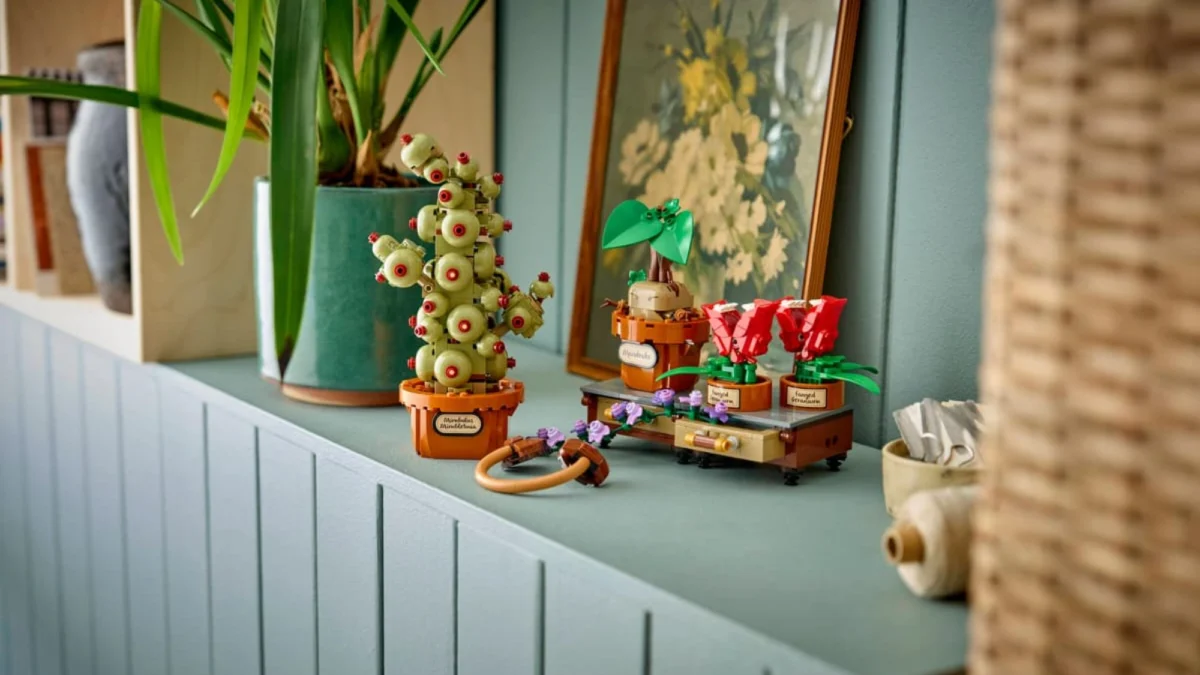
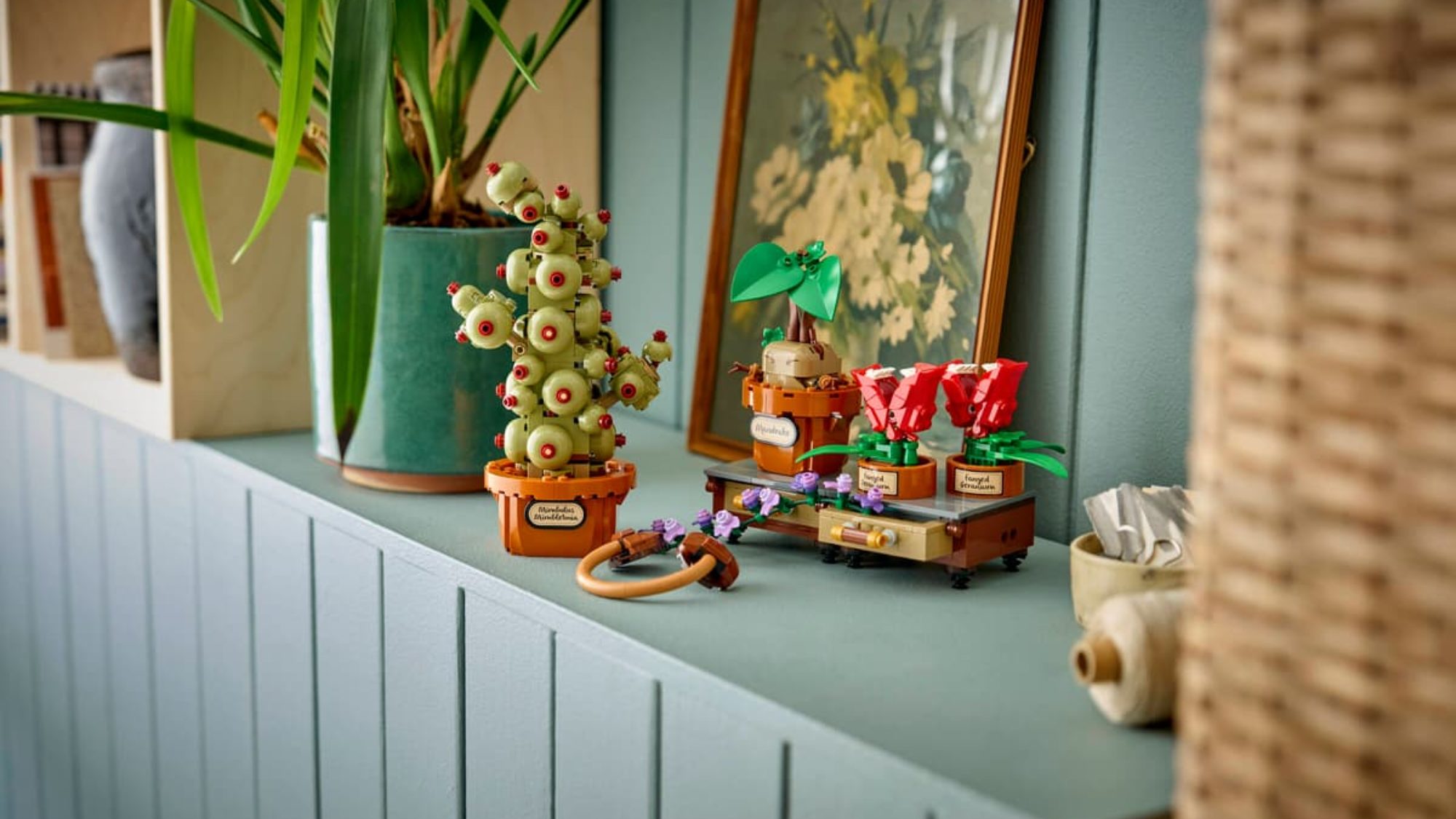
The Hogwarts Herbology Plants set is a masterclass in dynamic design. Priced at $99.99 and slated for a June 1, 2027, release, the set focuses on three iconic specimens that have appeared throughout the Harry Potter lore: the Mandrake, the Fanged Geranium, and the Mimbulus Mimbletonia.
What sets this collection apart from previous LEGO botanical models is its emphasis on mechanical interactivity. Rather than static display bricks, each plant incorporates features that mimic their magical behaviors as described in J.K. Rowling’s novels and seen in the film adaptations.
- The Mandrake: Arguably the most famous magical plant in the curriculum, the Mandrake is housed in its own buildable pot. The set features a pull-up mechanism; when the user lifts the Mandrake from the soil, its roots wiggle and its mouth hinges open, simulating the infamous, fatal scream.
- The Fanged Geranium: Representing the more dangerous side of Herbology, these carnivorous, snapping flowers are operated by a series of dials that allow the user to make the "teeth" snap shut.
- The Mimbulus Mimbletonia: This rare, cactus-like plant, famously given to Neville Longbottom by his great-uncle Algie, includes a pulsation feature that allows the plant to expand and contract, mimicking its unique biological nature.
The set also includes a pair of buildable earmuffs, a critical safety accessory for any budding herbologist, and a variety of decorative vines to customize the display.
Chronology: The Evolution of LEGO Harry Potter Collectibles
To understand the significance of this new set, one must look at the trajectory of the LEGO Harry Potter line since its relaunch in 2018.
The Early Years (2001–2011)
When the license first launched in 2001, LEGO focused primarily on minifigure-scale playsets. The goal was to provide children with the ability to recreate scenes from the films. Herbology was rarely represented outside of small, ancillary builds in larger castle sets. The focus remained on structural architecture—towers, Great Halls, and classrooms.
The Relaunch and the Shift to "Display-First" (2018–2023)
With the 2018 revival, LEGO began segmenting its audience. While the play-centric sets continued, a new category emerged: the Adult Fans of LEGO (AFOL) line. This saw the release of high-end sets like the Diagon Alley (75978) and Hogwarts Icons – Collectors’ Edition (76391). These sets shifted the priority toward displayability and aesthetic detail, mirroring the success of the LEGO Botanical Collection (such as the Bonsai Tree or the Flower Bouquet).
The Modern Era (2024–Present)
The announcement of the Herbology Plants set marks a bridge between these two worlds. It is neither a massive architectural undertaking nor a small play-set; it is a specialized, subject-matter-focused display piece. This evolution suggests that LEGO is doubling down on "niche" segments of the Wizarding World, catering to fans who want to display their love for the franchise through sophisticated, thematic decor rather than traditional playsets.
Supporting Data: Specifications and Market Positioning
The technical specifications of the set highlight a strategic choice in piece count and pricing. At 817 pieces for $99.99, the price-per-piece ratio sits at approximately 12.2 cents. While this is slightly higher than the average for a standard licensed set, the value proposition is found in the specialized, interactive elements and the unique aesthetic appeal.
| Feature | Details |
|---|---|
| Set Number | 76474 |
| Piece Count | 817 |
| Target Age | 12+ |
| Retail Price | $99.99 USD |
| Release Date | June 1, 2027 |
| Inclusions | Mandrake, Fanged Geranium, Mimbulus Mimbletonia, Earmuffs, Decorative Vines |
The market for this set is clearly defined: adult collectors who have already purchased the Harry Potter display sets and are looking for smaller, "shelf-filling" pieces that maintain a high level of detail. By focusing on the "botanical" aspect of the Wizarding World, LEGO is also appealing to a broader demographic—gardeners and plant enthusiasts who may not consider themselves "Hardcore" LEGO fans but appreciate the aesthetic of the LEGO Botanical collection.
Official Responses and Creative Vision
In the official product descriptions provided by the LEGO Group, the emphasis is heavily placed on the educational and playful nature of the build. "Let young wizards, witches, and Muggles discover the magic of Hogwarts Herbology," the copy reads.
The design team appears to have leaned into the "interactive display" philosophy. By including the earmuffs, they acknowledge the canonical lore surrounding the Mandrake, satisfying long-term fans who appreciate these small, "easter egg" details. The choice to include moving parts—dials for the Geranium and pulsators for the Mimbulus—highlights a shift in design philosophy: the set is meant to be "played with" even when it is sitting on a bookshelf. It invites the user to touch, manipulate, and reset the scene, making it a tactile experience rather than a static statue.
Implications: Where Does the Wizarding World Go From Here?
The release of the Herbology Plants set has several implications for the future of the Harry Potter LEGO theme:
1. Diversification of Themes
For years, the Harry Potter line was tethered to the geography of the castle. By branching out into specific "subject-based" sets, LEGO proves that the brand can survive without just iterating on the Great Hall or the Astronomy Tower. This opens the door for other sub-themes, such as Magical Creatures (Care of Magical Creatures sets), Potions class ingredients, or even Quidditch-specific display pieces.
2. Convergence with the Botanical Collection
The success of the LEGO Botanical Collection has shown that adult collectors crave items that look like "home decor" rather than "toys." The Herbology set is the first true intersection of the Harry Potter license and the Botanical aesthetic. If this set performs well, we can expect a "Magical Flora" sub-theme to emerge, potentially featuring plants like the Devil’s Snare or the Whomping Willow in similar, display-focused formats.
3. The Future of Interactive Displays
The mechanical functions included in the Herbology set suggest that LEGO is moving away from the "static display" trend that dominated 2022–2025. While fans love display sets, they often complain that they become "dust collectors." By adding movement—the wiggling roots of the Mandrake, the biting Geranium—LEGO provides a reason for the owner to interact with the set long after the final brick is placed.
4. Setting the Standard for 2027 and Beyond
As we look toward the 2027 release date, this set serves as a bellwether for the quality of the Harry Potter line. It balances complexity, nostalgia, and functionality. It does not require a large floor space, making it accessible to fans living in apartments or those with limited display room. This "compact, high-detail" approach is likely to become the standard for the mid-range LEGO portfolio.
Conclusion
The LEGO Harry Potter Hogwarts Herbology Plants set is a refreshing addition to the Wizarding World collection. It successfully bridges the gap between the whimsical, dangerous nature of the source material and the refined, sophisticated design language of modern LEGO.
By focusing on the biological curiosities of the Hogwarts greenhouses, LEGO has provided a set that is as fun to build as it is to display. For the fan who has already built the massive Hogwarts Castle, this set offers a charming, detailed, and highly interactive companion piece that celebrates the "living" side of magic. As the release date approaches, anticipation is high—not just for the set itself, but for the potential it holds for the future of magical botany in the world of plastic bricks. Whether you are a fan of the books, the films, or simply an enthusiast of unique LEGO design, the Herbology Plants are destined to be a standout addition to any collection come June 2027.












No comments yet. Be the first to join the conversation!