Reynand Wu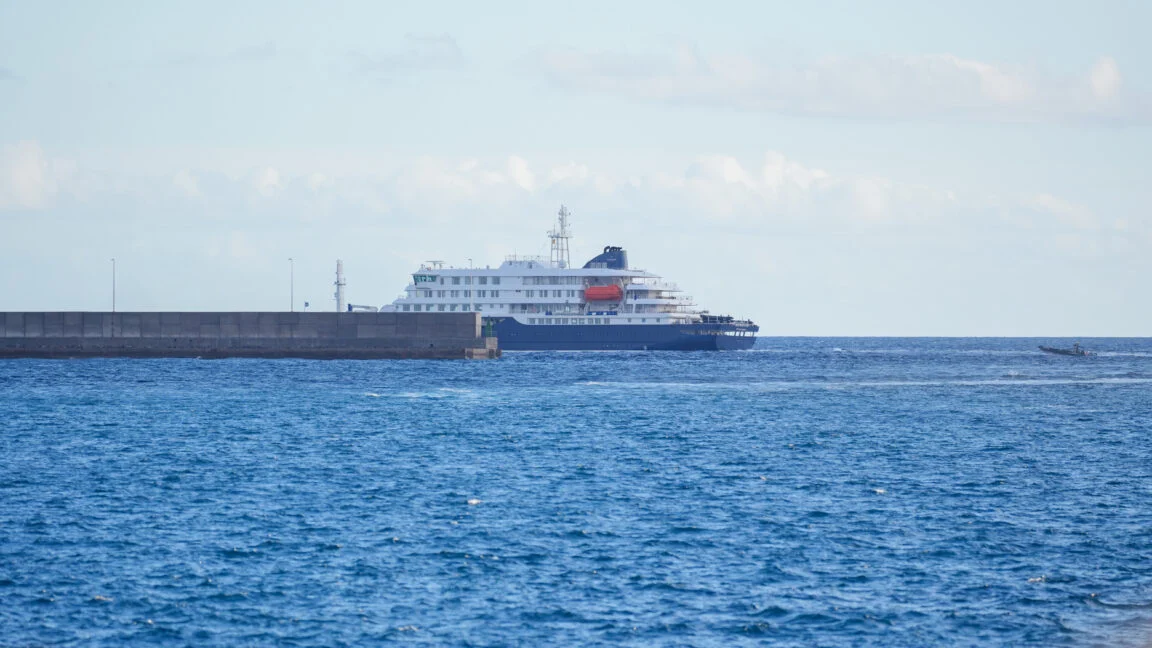
The maritime world and international health organizations remain on high alert as the containment phase of a rare and concerning hantavirus outbreak aboard the expedition vessel Hondius nears its conclusion. With the evacuation of all passengers now complete, global health authorities have shifted their focus toward long-term monitoring and the prevention of further transmission. While the immediate crisis of the shipboard environment has been neutralized, experts warn that the true scope of the exposure may not be fully understood for several weeks.
The Human Toll: Survivors and the Shadow of Loss
For those caught in the center of the outbreak, the psychological and physical toll has been profound. Among the individuals under surveillance is Kornfeld, one of the 18 passengers evacuated from the Hondius who has since tested negative for the virus.
“I physically feel great—I have felt great for many, many days,” Kornfeld told ABC News in a recent interview. “Emotionally, I feel wonderful. It’s nice to be negative for hantavirus.”
Kornfeld’s relief is shared by many, yet the shadow of the tragedy remains. To date, the outbreak has claimed three lives: a Dutch couple and a German woman. These fatalities underscore the severity of the pathogen, which can lead to Hantavirus Pulmonary Syndrome (HPS), a rare but often fatal respiratory disease.
Chronology of the Outbreak
The timeline of the Hondius crisis serves as a case study in the challenges of managing infectious diseases in confined, mobile environments.
- Late April: Initial signs of illness began appearing among passengers. On April 24, a passenger disembarked the vessel and traveled to Switzerland, where they subsequently fell ill, marking the first known case outside the immediate confines of the ship.
- Early May: The scale of the outbreak became clear. As of May 2, the death toll reached three. Global health authorities, led by the World Health Organization (WHO), initiated a complex repatriation and evacuation operation in the Canary Islands.
- Mid-May: The evacuation of the vessel’s 120-plus passengers was finalized. This process required meticulous coordination between the cruise operator, national governments, and medical teams to ensure that potentially exposed individuals were transported safely into quarantine facilities.
- Ongoing Surveillance: As of today, passengers are being monitored in their home countries, with testing protocols implemented in specialized facilities or through home-based isolation.
Supporting Data and Statistical Breakdown
The epidemiological data surrounding the Hondius incident reveals a concentrated but globally dispersed cluster. There have been 10 confirmed cases linked to the vessel:
- Seven cases who were diagnosed while still aboard the ship.
- One case who disembarked on April 24 and was diagnosed in Switzerland.
- Two cases identified during the final evacuation and repatriation process—one originating from France and the other from Spain.
The United States has taken a proactive stance, monitoring 41 individuals who may have had contact with the virus. This group is categorized into three segments: the 18 passengers evacuated directly from the Hondius (including Kornfeld), those who disembarked early on April 24, and travelers who shared a flight with a Dutch woman who tragically passed away in South Africa while en route home.
Official Responses and Strategic Containment
In a recent press conference, WHO Director-General Tedros Adhanom Ghebreyesus confirmed the successful completion of the Canary Islands operation. He emphasized that the transfer of over 120 passengers was a feat of international cooperation, involving complex logistics to ensure that individuals were either returned to their home nations or placed into appropriate quarantine environments.
However, the Director-General offered a sobering caveat regarding the coming days. “Because of the long incubation period of up to six weeks, more cases may be reported in coming days as passengers return to their countries, where they are being quarantined and tested in specialized facilities or at home,” Tedros warned.
He was quick to frame these potential future cases as a testament to the efficacy of the containment strategy rather than a sign of an uncontrolled outbreak. “This does not mean the outbreak is expanding; it shows that the control measures are working, that laboratory testing is ongoing, and that people are being cared for with support from their governments.”
Implications for Global Health Security
The Hondius outbreak serves as a stark reminder of the vulnerabilities inherent in modern global travel. Hantaviruses are typically transmitted to humans through contact with the urine, droppings, or saliva of infected rodents. The presence of such a pathogen in a maritime environment suggests a breach in sanitation or environmental control, raising questions about how expedition vessels manage wildlife exposure in remote regions.
The Challenge of Incubation
The primary challenge faced by health officials is the virus’s long incubation period. Unlike viruses that present symptoms within days, hantavirus can remain latent for up to six weeks. This necessitates a "wait-and-see" approach that is both resource-intensive and emotionally taxing for those under observation. Governments must maintain the resolve to keep testing and surveillance protocols in place long after the initial news cycle has passed.
International Cooperation
The incident has highlighted the necessity of seamless communication between international health bodies and national health departments. The ability to track a passenger from a ship in the Canary Islands to a residence in the United States or a facility in Switzerland requires a level of data-sharing that was once considered difficult to achieve. The success of the Hondius response will likely serve as a benchmark for future outbreaks involving international travelers.
Maritime Safety Regulations
Beyond the immediate medical response, the maritime industry will likely face pressure to review its rodent control protocols. Expedition ships often visit remote, ecologically diverse areas where the risk of rodent-to-human disease transmission is elevated. This outbreak will likely lead to stricter health screenings and more robust sanitation audits for vessels operating in these regions.
Looking Forward: A Measured Optimism
As the world watches for updates on the 41 individuals under US surveillance and the various quarantined passengers across Europe, the mood remains one of cautious optimism. The rapid identification of the outbreak, the swift evacuation of the vessel, and the coordinated global response have undoubtedly prevented a larger cluster of infections.
The recovery of passengers like Kornfeld provides a glimmer of hope, proving that with early detection and supportive care, the worst outcomes of Hantavirus Pulmonary Syndrome can be avoided. However, the path to a “zero case” status remains a long one.
For the families of the Dutch couple and the German woman, the tragedy is permanent. For the global community, the Hondius incident is a vital lesson in the necessity of vigilance. As health agencies continue to monitor the incubation period, the focus must remain on the human element: the care of the survivors and the rigorous, quiet work of public health officials who are ensuring that the end of this voyage does not lead to the beginning of a broader public health crisis.
The story of the Hondius is far from over, but through the lens of international cooperation and standardized containment, the international medical community is demonstrating that even in the face of rare and unpredictable pathogens, global health security is a shield that, when properly maintained, can hold the line.


 Nana Wu