


Deep beneath the surface of FIFA’s headquarters in Zurich, six floors underground, the future of the world’s most popular sport is being meticulously engineered. Far removed from the traditional imagery of muddy boots and grass-stained jerseys, the corridors of power at the House of Football are now humming with the quiet, high-frequency activity of server racks and AI development. As the countdown to the 2026 FIFA World Cup intensifies, a massive technological infrastructure—powered by Lenovo—is being woven into the very fabric of the tournament, promising to redefine how the game is played, officiated, and analyzed.
A New Era of Officiating: The End of the ‘Grey Stick Figure’
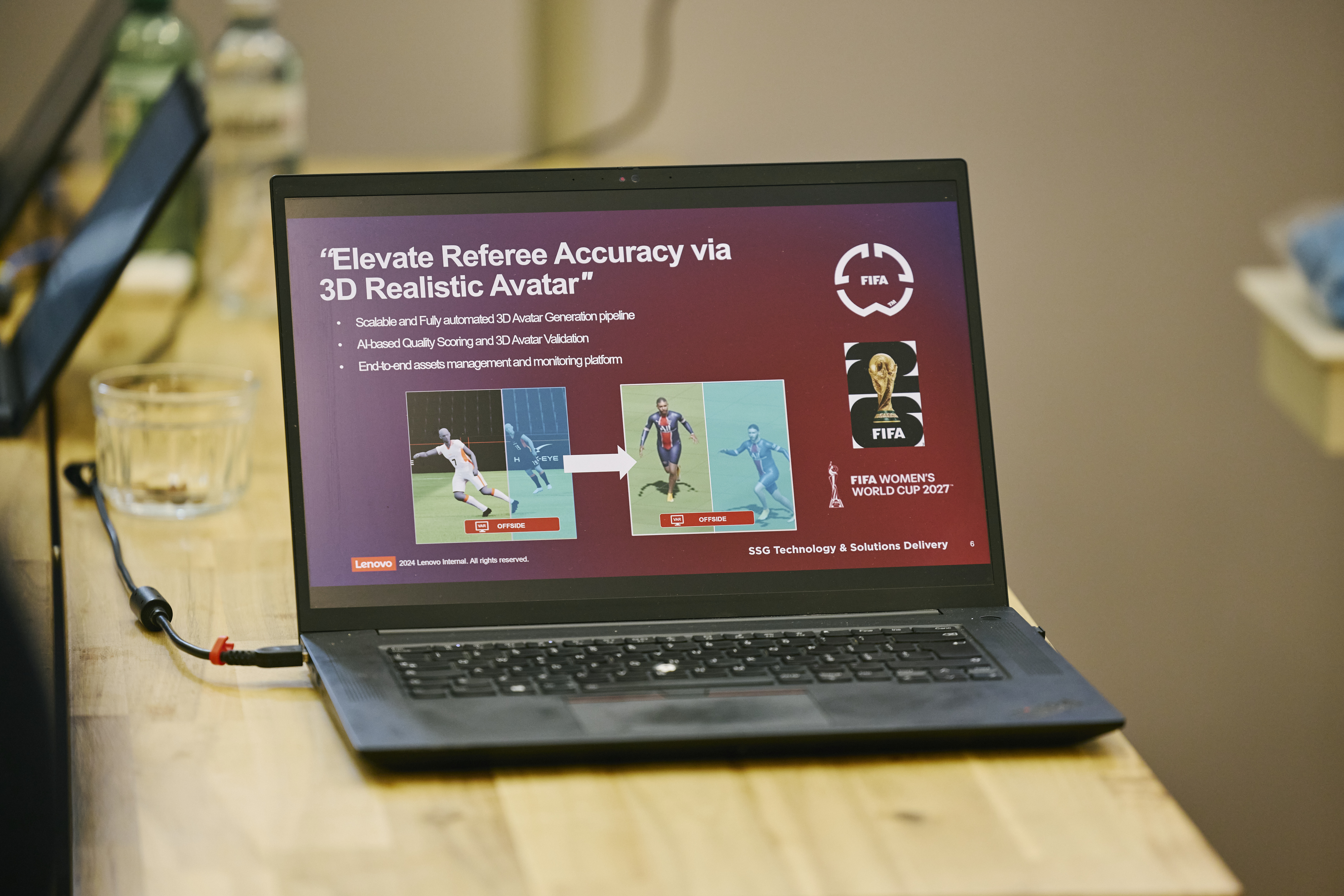
For years, the Video Assistant Referee (VAR) system has been a flashpoint for debate, often characterized by the sterile, simplified "grey stick figures" that determine offside calls. While functional, these representations often lacked the anatomical nuance required to truly capture the reality of a fast-paced athletic contest.

That is changing. In a move that represents a monumental leap in sports technology, FIFA is mandating the 3D scanning of all 1,200 players participating in the 2026 tournament. Before a single ball is kicked, every athlete will be subjected to a photorealistic digital twin creation process. The result is a model accurate to the millimeter, capable of distinguishing the physical differences between a 6ft 5in titan like Erling Haaland and a 5ft 7in playmaker like Lionel Messi.
Dr. Valerio Rizzo, the lead neuroscientist at Lenovo behind this system, explains the psychological necessity of this shift. "Our mind leads us to think: if it doesn’t look real, it’s probably not that adherent to the context," Rizzo says. "For the referee, they are human beings. Their brain perceives the scene, and if the digital representation doesn’t match the reality they see on the pitch, it can introduce unconscious bias." By providing a lifelike digital twin, the system aims to ground the referee’s decision-making process in visual reality rather than abstract geometry.

The Science of 3D Gaussian Splatting
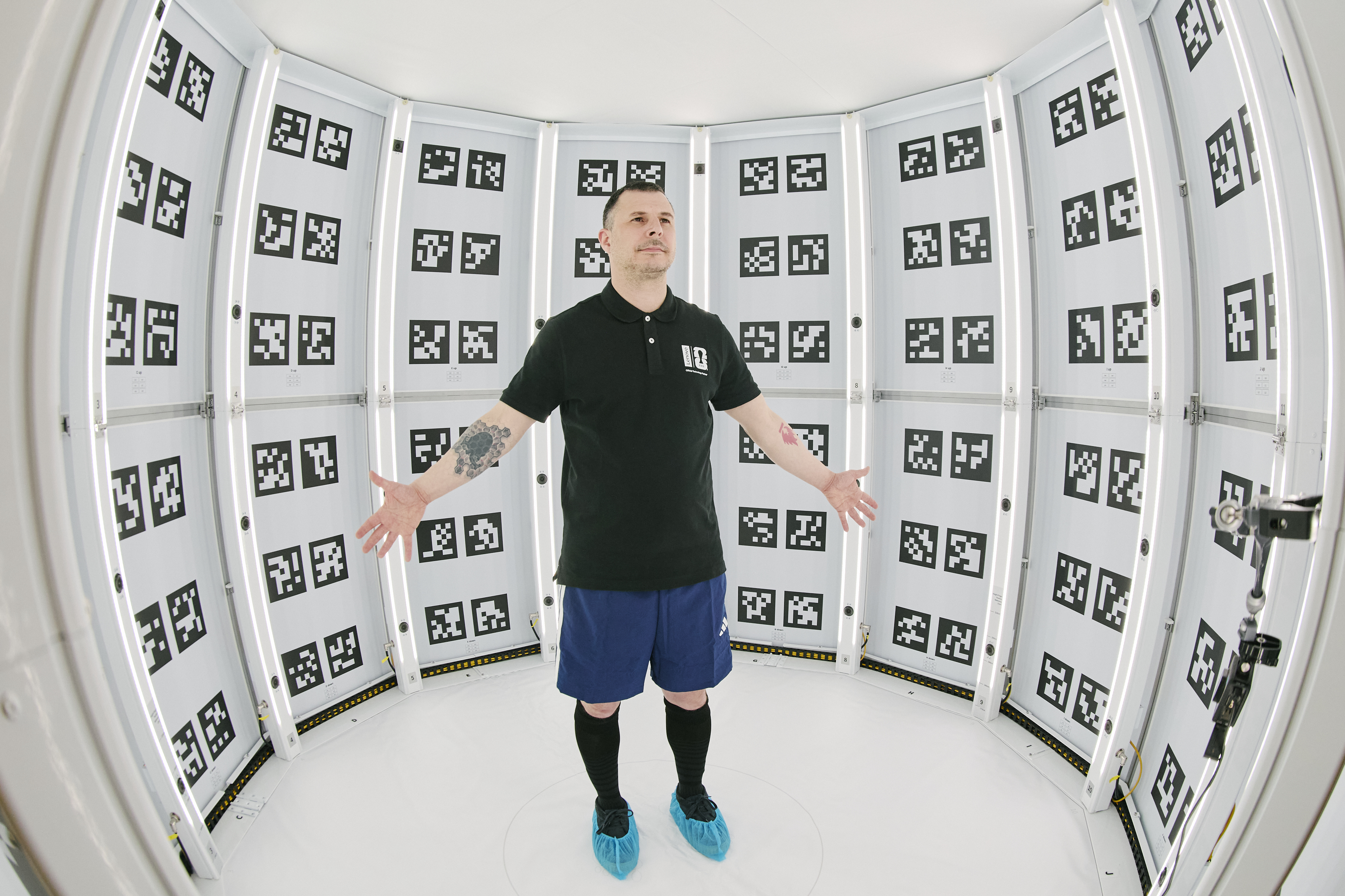
The creation of these avatars relies on 3D Gaussian Splatting, a cutting-edge technique where photographs are transformed into clouds of trainable particles. These particles are optimized for position, color, and rotation until they perfectly mirror the physical reality of the player. Unlike previous "default puppet" models, these twins are bespoke. The chest size, limb length, and even the micro-movements of fingers are captured with sub-centimeter precision.
The capture process itself is an immersive experience. Players enter a specialized cylindrical booth—reminiscent of high-end cinematic motion-capture studios—where 36 4K cameras fire simultaneously. Within 20 minutes, the player is rendered as a fully textured mesh, complete with tattoos, specific kit details, and individual hair strands. With 28 portable rigs traveling between the 48 team base camps from June 4 to June 13, FIFA ensures that every squad is ready for the digital stage.
The Tactician’s Oracle: Football AI Pro
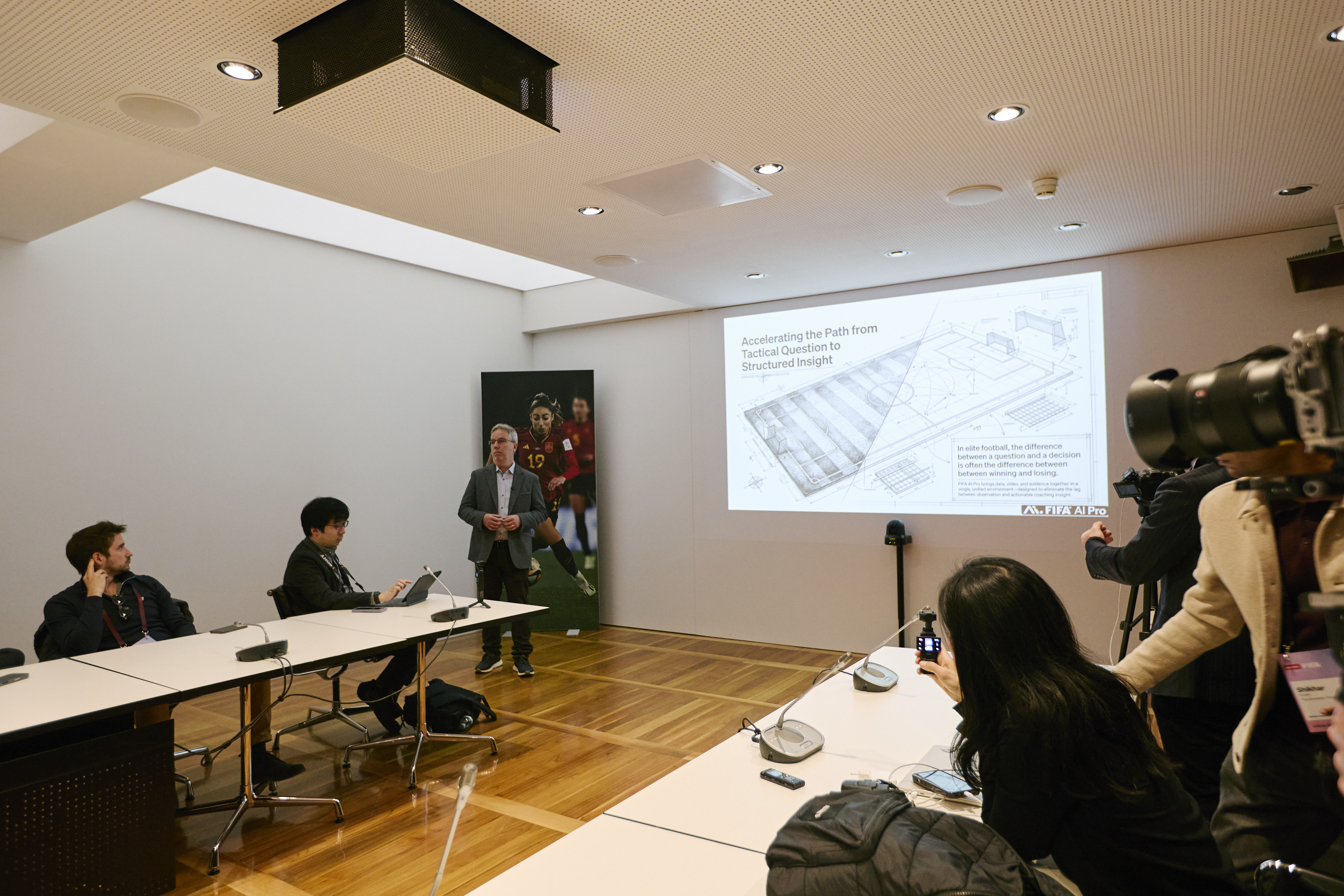
Beyond officiating, the tournament is introducing a tool that could fundamentally alter the tactical landscape: "Football AI Pro." This generative AI platform is designed to provide every competing nation—regardless of its resource level—with top-tier analytical power.
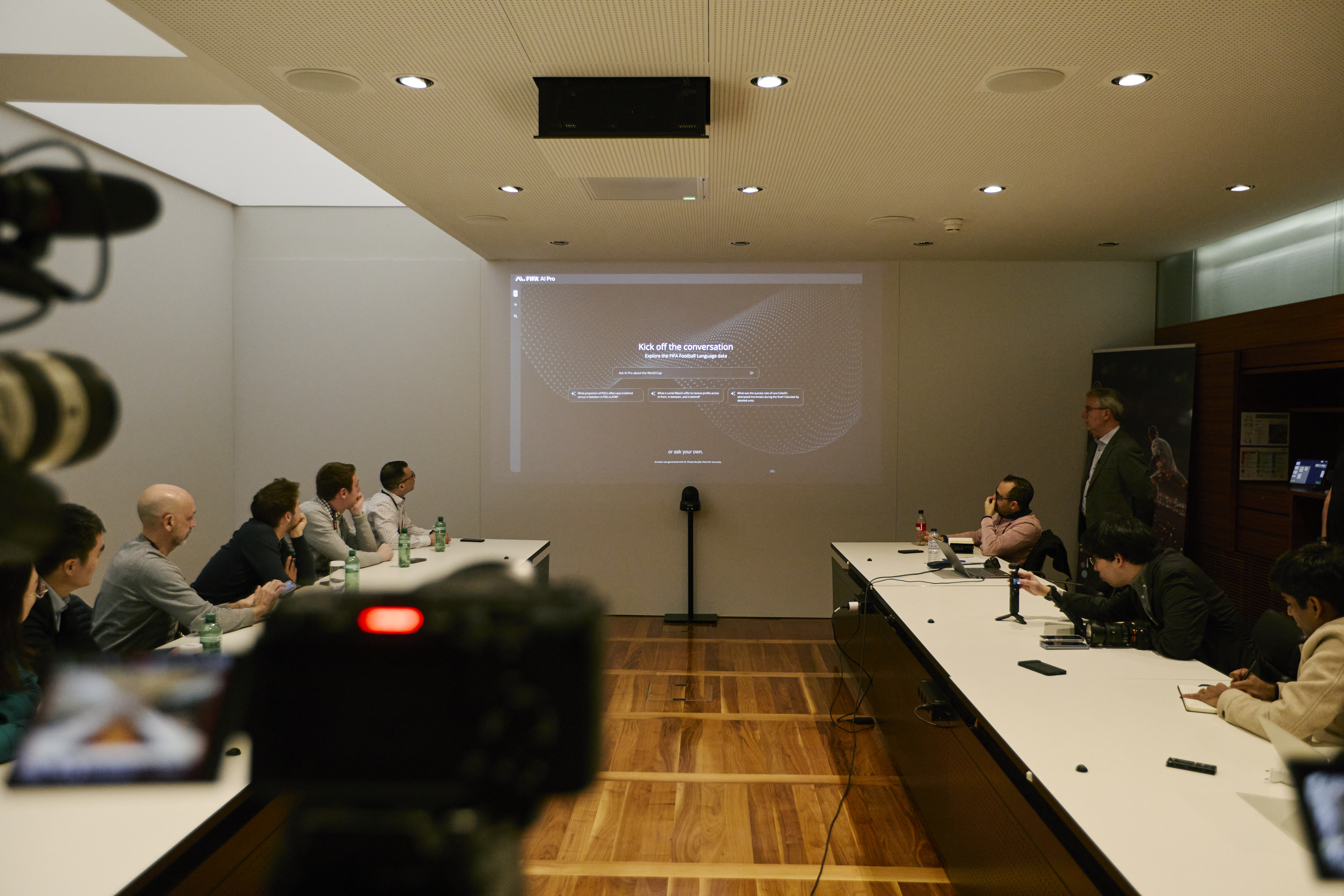
Whether it is a footballing giant like Germany or a smaller nation like Curaçao, the access is universal. The system functions as a highly sophisticated interface, responding to natural language queries in English, Spanish, Arabic, and Chinese. A coach can ask a simple question about defensive vulnerabilities or transition speeds, and the AI responds with heatmaps, pass maps, and 3D reconstructions from specific player perspectives.

"In elite football, the difference between a question and a decision is often the difference between winning or losing," says Alvaro Perez, Lenovo’s senior product manager for the project. By leveraging "FIFA’s Football Language"—a proprietary knowledge graph that standardizes every event on the pitch—the tool democratizes high-level analysis. It allows smaller federations to punch above their weight, providing the kind of deep-dive scouting and tactical foresight previously reserved for nations with "armies of analysts."
Crucially, the system is designed with integrity in mind. Unlike general-purpose large language models that might "hallucinate" an answer when data is sparse, Football AI Pro is programmed to be honest. "If there is no solid answer," Perez notes, "the system replies: ‘Sorry, we cannot find the right data to provide this information.’ It will not guess."
The Logistics of a Global Spectacle
Supporting these advancements is perhaps the most complex technological deployment in the history of professional sports. Lenovo is managing over 17,000 devices and 30,000 individual assets, pre-configured in hubs across North Carolina, Toronto, and Mexico City.
The deployment strategy is military-grade. "Think of them as an empty shell," says Myles Spittle, Lenovo’s services delivery lead. "You might get a 10-minute window at a loading bay to deploy hardware. There are security dogs, logistics, and high-stakes protocols to consider." This infrastructure is monitored by a central Technical Command Centre in Miami, which features a 60-foot LED wall, allowing engineers to track every piece of hardware across 16 stadiums in real-time.
The pressure to perform is immense. For the engineering team, the tournament is a "zero-fail" environment. "The World Cup doesn’t get delayed by two weeks," Spittle remarks. "You either deliver, or you don’t. And ‘don’t’ is not an option." After the final whistle, the team faces a grueling five-day turnaround to decommission the massive network, followed by a mandatory recovery period—a testament to the psychological toll of such a high-stakes operation.
Implications for the Future of Football
The 2026 World Cup will also debut "Referee View," an immersive broadcasting innovation. Utilizing the same gyroscopic stabilization technology found in Formula 1 helmet cameras, this system provides a stabilized, first-person perspective from the referee’s vantage point, processed and broadcast to the world in under two seconds. This level of transparency is intended to bring fans closer to the action than ever before, though it also places an unprecedented spotlight on the decision-making of the officials.
Implications:
- Bias Reduction: By aligning digital evidence with human perception, the VAR process becomes a more reliable tool for referees, minimizing the friction between technology and instinct.
- Competitive Equity: The introduction of Football AI Pro levels the playing field, ensuring that tactical innovation is no longer the exclusive domain of the wealthiest federations.
- Data-Driven Storytelling: The combination of player scans and real-time tactical AI will allow broadcasters to offer fans a deeper, more granular understanding of the game, transforming how we consume football.
- Technological Resilience: The success of this massive deployment will likely set a new gold standard for how global events manage IT infrastructure, moving away from temporary setups toward highly integrated, scalable ecosystems.
Conclusion: The "Class is Permanent" Philosophy
In the world of football, it is often said that "form is temporary, but class is permanent." FIFA and its partners are clearly aiming to bring that same permanence to the technology behind the tournament. By replacing legacy systems with integrated, AI-driven solutions, they are ensuring that the 2026 World Cup is not just a display of athletic prowess, but a showcase of modern human achievement.
As the tournament approaches on June 11, the focus will undoubtedly be on the players on the grass. However, the true story of the 2026 World Cup may well be written by the engineers and data scientists in the background. They have built a digital twin of the beautiful game—a mirror held up to the sport that is, in its own way, as breathtaking as the goals and saves we expect to see on the field. The stage is set, the sensors are calibrated, and the world is waiting to see if this marriage of silicon and sweat will lead to a more fair, more precise, and more exciting era for football.












No comments yet. Be the first to join the conversation!