Lina Irawan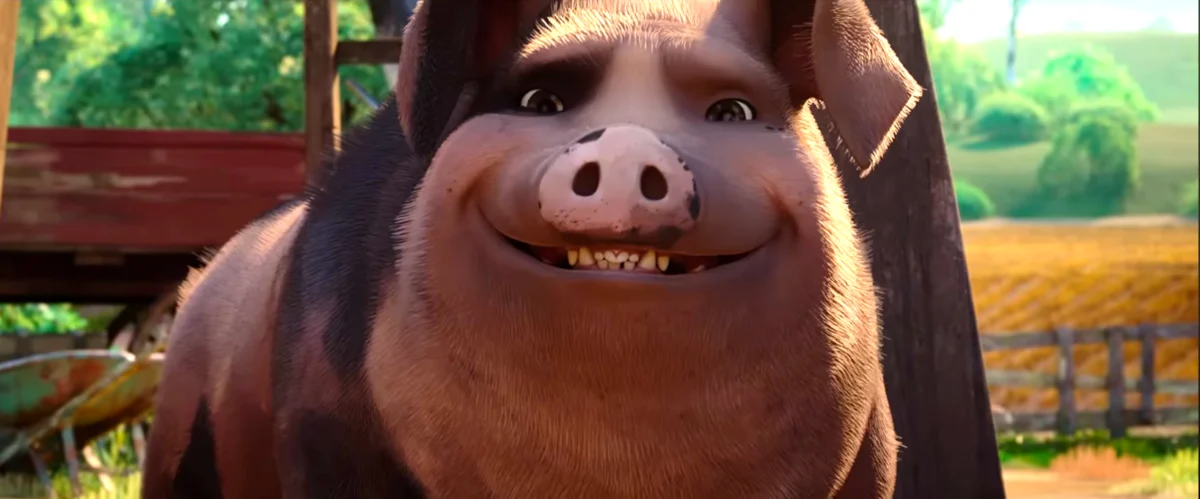
In the landscape of modern cinema, few literary properties carry the weight and cultural significance of George Orwell’s Animal Farm. A searing political allegory about the corruption of power, the novella has served as a touchstone for social critique for over 75 years. However, when Angel Studios announced they had secured the rights to Andy Serkis’s long-gestating, reimagined adaptation, expectations were high for a definitive modern take. Instead, the project has morphed into a cautionary tale of creative miscalculation and a significant box office catastrophe.
The film, which hit theaters in early May, has not only failed to capture the biting satire of the source material but has also struggled to find a commercial footing, resulting in a performance that industry analysts are labeling a certified box office bomb.
The Chronology of a Creative Misstep
The trajectory of this project began long before its disastrous opening weekend. Andy Serkis, renowned for his pioneering work in motion-capture performance and his tenure in the Lord of the Rings and Planet of the Apes franchises, spent nearly 15 years developing his vision for Animal Farm. Throughout the production cycle, Serkis framed the film as a passion project, promising a "free and loose" adaptation that would bring the story to a new generation.
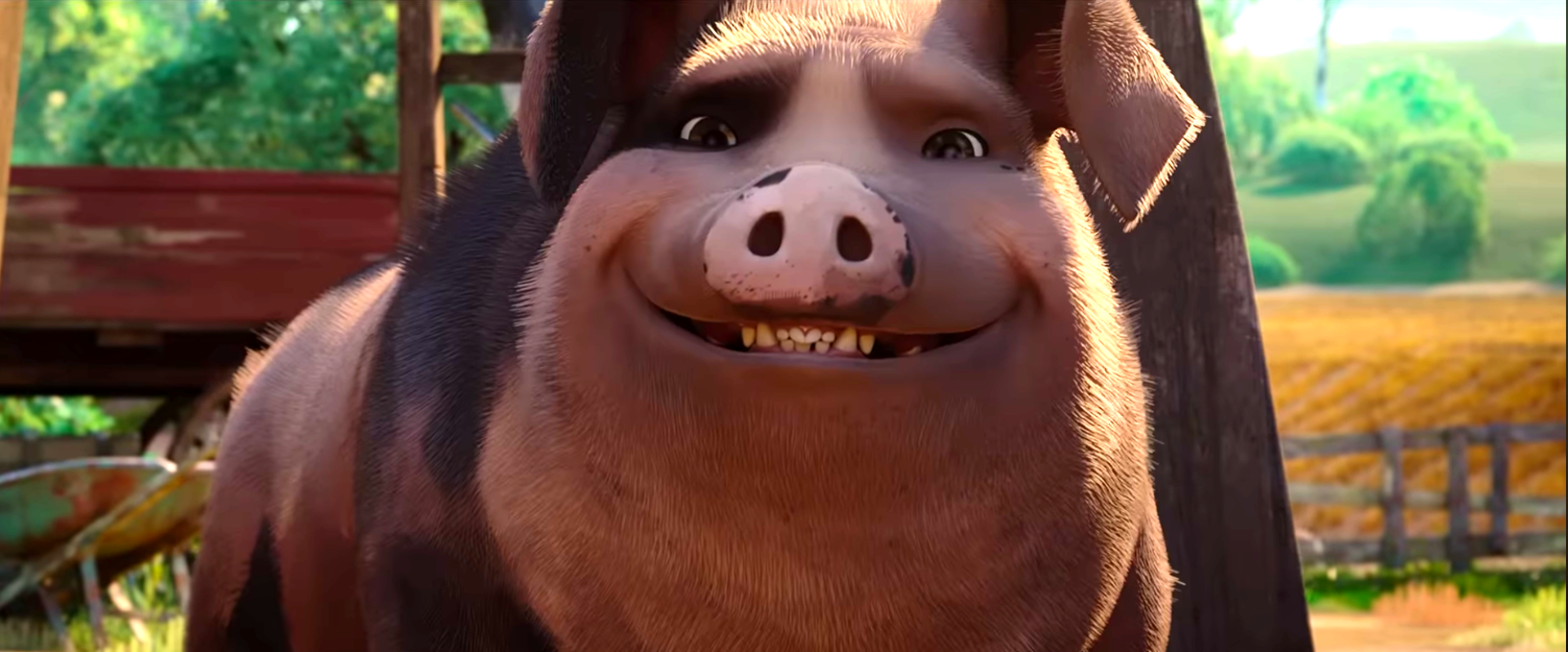
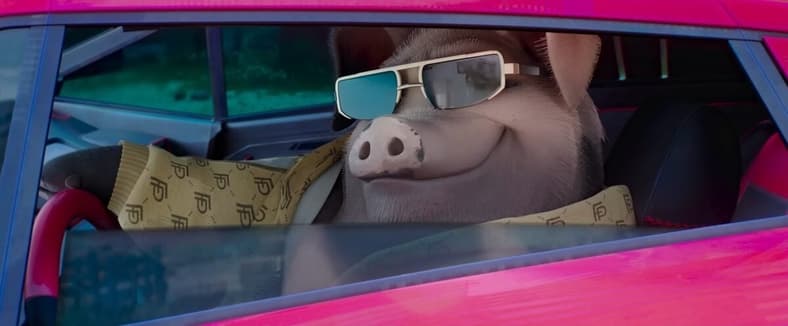
However, as production images and early trailers were unveiled, a palpable sense of unease settled over fans of the original text. The artistic direction appeared to prioritize a "kid-friendly" aesthetic, complete with a comedic tone that many critics felt stripped the narrative of its existential dread and political urgency.
By the time the film premiered in early May, the marketing campaign had struggled to define its target demographic. It opened to a meager $5 million—a staggering underperformance for a film carrying a production budget of $35 million, excluding the substantial costs associated with a nationwide marketing push.
The decline was rapid. By its second weekend, facing stiff competition from the adrenaline-fueled Mortal Kombat II and the counter-programming power of The Devil Wears Prada, the film’s earnings plummeted below the $1 million threshold. As of the most recent reporting, the film generated a pathetic $700,000, representing an 80% drop-off from an already anemic starting point.
Supporting Data: By the Numbers
The financial data regarding Animal Farm is, by any objective measure, dismal. A $35 million production budget is a significant investment for an independent-leaning studio like Angel, and industry standards dictate that a film must earn roughly two to two-and-a-half times its budget to reach a break-even point. With a total domestic haul that has failed to crack double-digit millions, the film is projected to face a total loss that could haunt the studio’s balance sheet for fiscal cycles to come.
To provide context, compare Animal Farm to its weekend competitor, Mortal Kombat II. In the same window where Animal Farm was struggling to maintain its presence in theaters, Mortal Kombat II was pulling in triple the revenue, demonstrating a clear disconnect between audience demand and the product Angel Studios delivered.
Critical reception has provided little refuge for the production. On review aggregator Rotten Tomatoes, the film holds a "putrid" 25% critic score. While the audience score sits higher at 61%, it remains a lukewarm reception for a film that was marketed as a family-friendly event. Critics have consistently pointed to a tonal dissonance: the film tries to balance lighthearted, immature humor with a plot that is inherently dark and cynical, resulting in a viewing experience that resonates with neither adults seeking a faithful adaptation nor children looking for genuine entertainment.
The Director’s Dilemma: Andy Serkis’s Track Record
The failure of Animal Farm brings into sharp focus the directorial career of Andy Serkis. While universally lauded as one of the greatest character actors of his generation—a master of the "digital mask"—his transition to the director’s chair has been marked by uneven results.
His portfolio includes Mowgli: Legend of the Jungle and Venom: Let There Be Carnage. While these films generated significant revenue, they were rarely met with critical acclaim, often criticized for messy pacing and a lack of thematic cohesion. Animal Farm, however, marks a new low for the director. After a decade and a half of development, the lack of a clear, compelling vision for such a well-known story suggests a fundamental misunderstanding of the material’s core appeal.
When a director spends 15 years on a single project, there is an expectation of refinement. In this instance, the length of development appears to have worked against the film. It feels dated, misaligned with contemporary audience tastes, and curiously devoid of the "soul" that made Orwell’s work immortal. By smoothing out the edges of the narrative to appeal to a broader audience, Serkis arguably hollowed out the very engine of the story.
Official Responses and Industry Reaction
To date, Angel Studios has remained relatively quiet regarding the specific financial impact of the film’s failure. However, the industry reaction has been swift and unforgiving. Box office analysts have used the film as a primary example of "misdirected ambition."
Critics and industry insiders have noted that Angel Studios, which has seen success with lower-budget, high-concept faith-based or niche-market films, may have overextended itself by attempting to pivot into high-stakes literary adaptations. The "bet on the farm" approach backfired, and the studio is now facing the reality that not every intellectual property is suitable for a mainstream, sanitized adaptation.
The lack of an official, coherent defense from the production team or the director has only fueled the narrative of the film as a "lost cause." When a film fails this spectacularly, it usually prompts a internal review of development practices, casting choices, and marketing strategies. The silence from the studio suggests they are currently in damage control mode, attempting to pivot toward future projects while distancing themselves from the stigma of this performance.
Implications for Angel Studios and the Industry
The implications of Animal Farm’s failure are twofold. First, for Angel Studios, this represents a significant check on their aggressive expansion. The studio has gained a reputation for being a disruptor in the distribution space, but this failure highlights the risks inherent in backing high-budget projects that lack a clear, singular creative vision. They will likely return to their roots, focusing on projects with more defined, dedicated audiences rather than attempting to capture the general multiplex crowd with risky, unproven adaptations of classic literature.
Second, the film serves as a wider warning to the industry regarding the "re-imagining" trend. In an era where studios are desperate for recognizable IP, there is a temptation to take beloved, complex stories and force them into a mold that fits modern blockbuster tropes. Animal Farm proves that the audience is not as easily fooled as studios might hope. When a film strips away the essence of the source material in favor of a "happy spin" or "immature humor," the audience recognizes the dilution of the brand.
Ultimately, the failure of Animal Farm is not just a story of lost dollars; it is a story of lost opportunity. A brilliant, biting satire of human nature was reduced to a generic, forgettable product. As the film exits theaters and fades into the annals of box office trivia, it stands as a stark reminder: if you are going to adapt a masterpiece, you must have the courage to treat it as one—or risk becoming the joke of the industry.

 Sagoh
Sagoh
 Ammar Sabilarrohman