

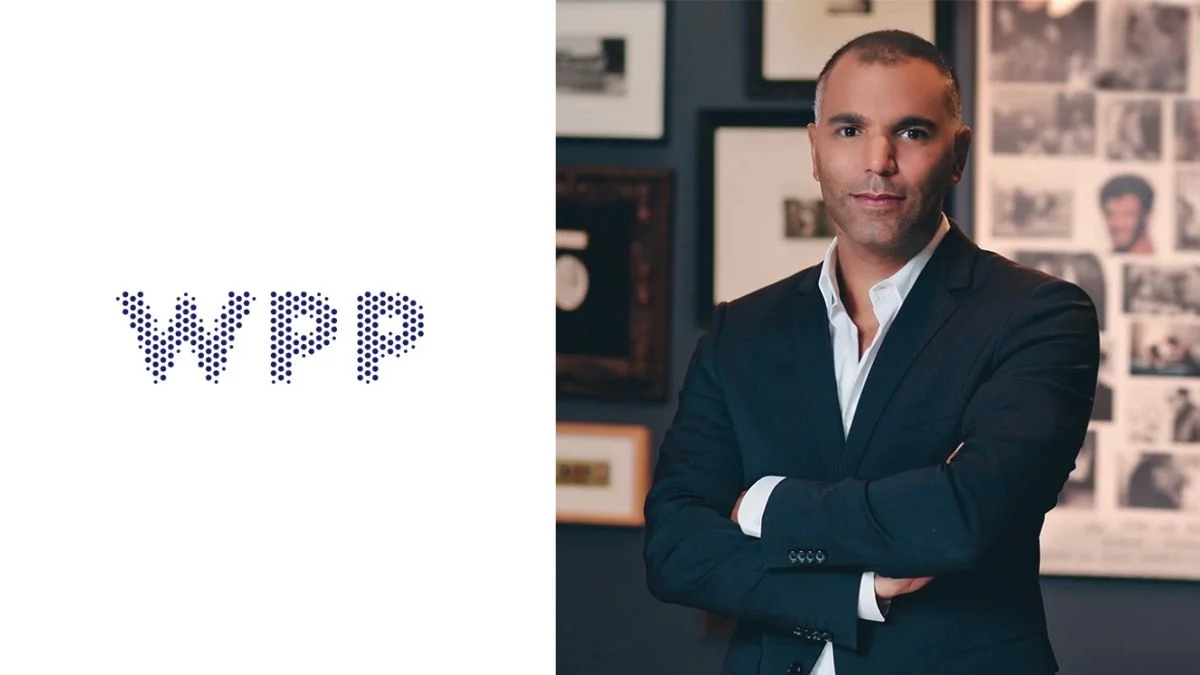
In a significant leadership realignment at one of the world’s largest advertising holding companies, Michael Houston, the president of WPP U.S., is stepping down from his executive post. The move, disclosed in an internal memorandum obtained by Adweek, marks the conclusion of a 24-year tenure that saw Houston evolve from a creative agency executive into one of the most influential figures in the global marketing landscape.
The transition, which is being framed by WPP leadership as a “natural and planned evolution,” signals a broader shift in how the advertising giant intends to manage its U.S. operations in an era of rapid digital transformation, AI integration, and the consolidation of agency service models.
The Core Facts: A Departure and a New Chapter
Michael Houston, a stalwart of the WPP ecosystem, will be vacating his role as U.S. president to transition into the position of senior advisor. This shift is not a sudden exit but rather a strategic handover. WPP CEO Cindy Rose, who recently made headlines for the shareholder approval of a significant compensation package, communicated the change to the organization’s leadership and global staff, framing the decision as an alignment with WPP’s ongoing operational evolution.
For an organization as sprawling as WPP—which oversees a massive portfolio of agencies including GroupM, Ogilvy, VML, and Burson—the U.S. presidency acts as a vital bridge between regional agency heads and the global holding company’s centralized strategy. Houston’s departure marks the end of a specific chapter defined by the integration of creative agencies and the attempt to provide clients with more seamless, cross-disciplinary solutions.
A Chronological Journey: Two Decades at WPP
To understand the weight of Houston’s exit, one must look at the trajectory of his career, which mirrors the modernization of the agency world itself.
The 1990s: Foundations in Creative
Houston’s journey began in the mid-1990s, an era defined by the dominance of the “Big Idea” and the traditional agency-of-record model. His early career at Young & Rubicam and Landor provided him with a deep understanding of brand equity and design. These formative years were spent learning the mechanics of how global brands communicate, setting the stage for his rise through the WPP ranks.
2007–2022: The Grey Era
Perhaps the most definitive period of Houston’s career was his 15-year tenure at Grey. Joining the agency in 2007, he helped shepherd the shop through a period of immense creative resurgence. As he climbed the ladder to become Worldwide CEO, Houston was credited with transforming Grey from a legacy network into a modern creative powerhouse, securing high-profile accounts and consistently winning at major awards festivals like Cannes Lions. His leadership during this period was characterized by a focus on “famously effective” work—a mantra that became synonymous with his management style.
2022–2024: The WPP U.S. Presidency
In his role as U.S. President, Houston was tasked with the complex job of unifying WPP’s presence in its largest market. This was a time of immense internal restructuring for the holding company, as it sought to strip away the silos that had historically defined its disparate agencies. Houston’s mandate was to foster collaboration across the U.S. landscape, ensuring that WPP could offer a holistic “WPP experience” to clients navigating the complexities of the modern media environment.
Supporting Data: The Changing Landscape of Agency Holding Companies
The advertising industry is currently undergoing a period of unprecedented volatility. Data from recent market reports indicates that holding companies like WPP are moving away from traditional, bloated agency structures toward leaner, tech-enabled models.
- The Rise of Technology: According to recent industry surveys, over 70% of CMOs are now prioritizing AI-driven content production and data-driven marketing over traditional brand-building exercises. WPP’s push toward integrated AI platforms—such as the WPP Open platform—has placed pressure on executive leadership to streamline operations.
- Shareholder Expectations: WPP’s recent approval of CEO Cindy Rose’s $148 million pay package (a decision that faced some shareholder scrutiny) highlights the immense pressure on top-level executives to deliver growth in a stagnant economic climate. The market expects WPP to prove that its "simpler, faster, better" strategy is actually driving organic growth.
- The Talent Crunch: With the departure of long-term veterans like Houston, WPP faces the challenge of maintaining institutional knowledge while simultaneously injecting the fresh, tech-forward talent required to compete with consultancies like Accenture Song and Deloitte Digital.
Official Responses: A Calculated Transition
The language used in the internal memo from WPP CEO Cindy Rose suggests a careful orchestration of this transition. By labeling the move a "natural and planned evolution," WPP is attempting to reassure investors and clients that there is no internal strife, but rather a deliberate recalibration of the company’s management structure.
"Michael’s contribution to WPP over the past quarter-century has been nothing short of transformative," Rose noted in the memo. "As we continue to evolve our operating model to better serve our clients in an increasingly complex world, this transition represents a logical next step in our strategy."
Houston himself has maintained a diplomatic tone, emphasizing his commitment to the company during this transitional period. By moving into the senior advisor role, Houston ensures that his 24 years of experience—particularly his intimate knowledge of agency culture and client relationships—are not lost to the firm, but rather redirected toward strategic projects that benefit the wider network.
Implications: What Does This Mean for the Future?
The departure of a figure as prominent as Michael Houston from the U.S. presidency carries several implications for WPP and the wider advertising ecosystem.
1. The Consolidation of Power
The shift suggests that WPP is moving toward a more centralized command structure. As the company continues to break down the walls between its agencies, the role of a regional "President" may be evolving into something more operational and less focused on agency-specific autonomy. We may see a future where the U.S. is managed by a smaller group of global executives rather than a singular regional leader, further streamlining the chain of command.
2. A Shift in Leadership Archetypes
Houston represents the "old guard" of advertising—a leader who rose through the ranks of traditional creative agencies. As the industry shifts toward performance marketing, data science, and AI, WPP’s next wave of leadership will likely favor executives with backgrounds in engineering, data analytics, and platform management. The transition of Houston into an advisory role suggests that while the company values legacy, it is pivoting toward a future-proofed leadership profile.
3. Client Stability
For WPP’s major clients, the key concern will be stability. Managing the transition of such a central figure is a high-stakes endeavor. If the transition is handled poorly, it could lead to the loss of key accounts or the disruption of long-standing agency relationships. However, by keeping Houston on as a senior advisor, WPP is signaling to its clients that the transition will be orderly and that they will retain access to the institutional knowledge that Houston represents.
4. The Broader Industry Trend
WPP is not alone in this evolution. Omnicom, Publicis, and Interpublic Group are all grappling with similar structural changes. The era of the "Agency President" as a figurehead for a specific brand identity is fading. In its place, the industry is witnessing the rise of the "Holding Company Executive," a leader whose primary loyalty is to the global network’s profitability and cross-agency synergy rather than the survival of any single agency brand.
Conclusion
Michael Houston’s departure from his role as WPP U.S. President is more than just a personnel change; it is a mirror reflecting the broader transformation of the global advertising industry. From his beginnings in the creative-centric 90s to his leadership during the digital integration of the 2020s, Houston’s career has been inextricably linked to the evolution of WPP itself.
As he steps into his new role as senior advisor, the industry will be watching closely to see how WPP fills the void he leaves behind. Will they replace him with a similar archetype, or will they use this as an opportunity to fundamentally change how they manage their most important market? The answer to that question will likely define WPP’s trajectory for the next decade.
For now, the focus remains on a transition that seeks to balance respect for the past with a cold, calculated look at the demands of the future. The "natural and planned evolution" described by Cindy Rose is well underway, and for the employees and clients of WPP, the message is clear: the industry is changing, and those who hope to lead it must be willing to let go of the roles of yesterday to make room for the strategies of tomorrow.









No comments yet. Be the first to join the conversation!