Lina Irawan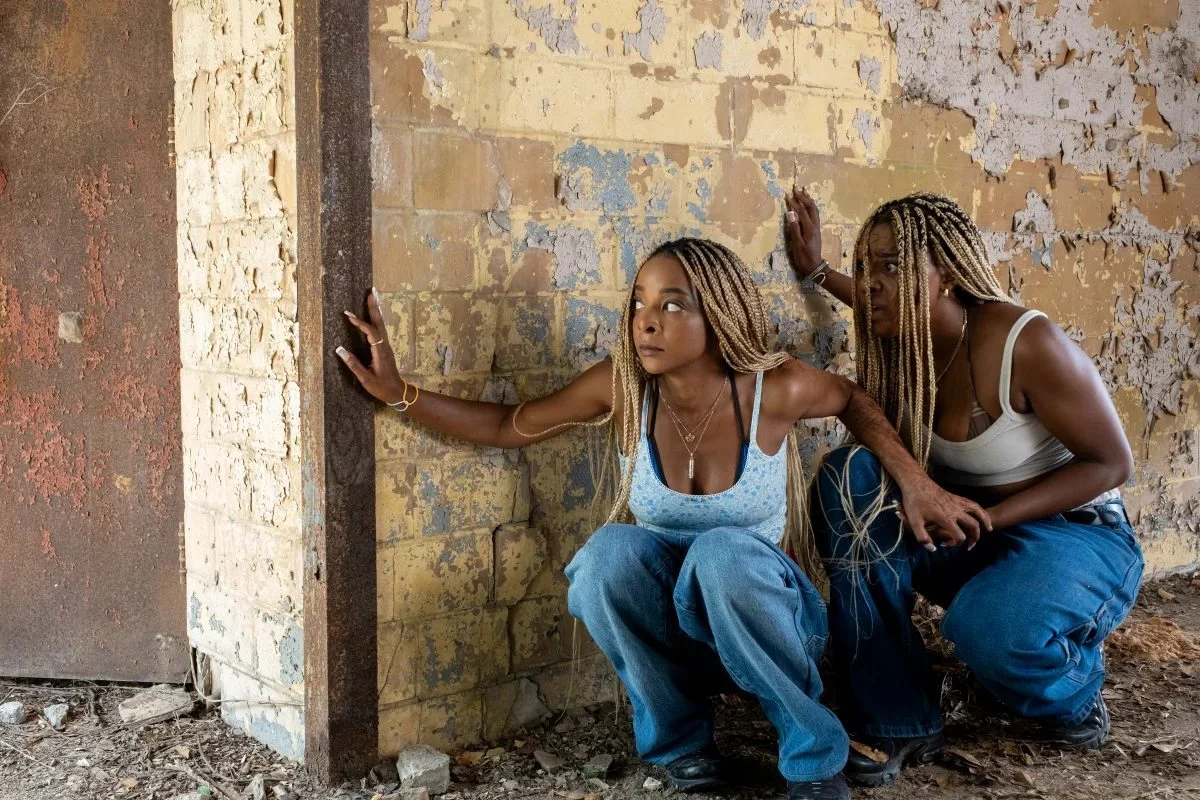
In the landscape of modern cinema, few films manage to balance the visceral weight of intergenerational trauma with the high-octane adrenaline of a classic spaghetti western. Is God Is, the directorial debut of acclaimed playwright Aleshea Harris, does exactly that. By transmuting her celebrated stage play into a cinematic experience, Harris has delivered a genre-bending, feverish, and deeply cathartic exploration of rage, survival, and the intricate, often violent, bond between sisters.
As the film prepares for its theatrical release on May 15, it stands as a testament to the power of reclaiming narrative space. Is God Is follows twins Racine and Anaia, young women scarred—both physically and mentally—by their father’s past acts of extreme violence. When their long-lost mother emerges with a mandate to hunt down the man they call "The Monster," the siblings are thrust into a road trip that is as much a journey of liberation as it is a descent into the dark, redemptive power of revenge.
A Convergence of Tragedy and Genre
The genesis of Is God Is lies in Harris’s desire to bridge the gap between classical Greek tragedy and the contemporary Black experience. "The idea was, ‘What would happen if I were to create a story that took its cues from ancient Greek tragedy, but was populated by people who look and speak like myself?’" Harris explains.
This foundational concept was expanded by her affinity for the tropes of the spaghetti western—a genre that, in her view, shares an undeniable DNA with Greek drama through its obsession with morality, retribution, and the frontier. By weaving these disparate threads together, Harris created a "playground" for exploring complex themes of misogynoir, gender politics, and the societal policing of Black female emotion. The result is a film that operates at a fever pitch, refusing to let the audience settle into the comfort of conventional narrative structures.

Chronology of a Collision Course: From Stage to Screen
The transition from the intimacy of the theater to the expansive canvas of the big screen presented a unique set of challenges for Harris. As a writer rooted in stagecraft, she had to navigate the "rules" of a different medium.
"The journey was a good one, but it was a kick in the pants," she admits. Through her work in various writers’ rooms, she engaged in a crash course on the rhythm of film. She credits filmmaker and producer Janicza Bravo as an instrumental force in this evolution, encouraging Harris to remain steadfast in her unique voice and creative sensibilities.
The production process required a careful translation of the play’s internal logic into visual language. While some elements—such as the backstory of the antagonists—had to be truncated to fit the pacing of a film, the emotional core remained untouched. Harris notes that while she would have loved to explore the secondary characters more deeply, the film’s necessity for forward momentum became the guiding principle. By leaning into the strengths of the cinematic medium, she successfully built out a world that feels both claustrophobic and epic.
The Chemistry of the Twins: Research and Performance
Central to the film’s success is the portrayal of the twins, Racine and Anaia. Harris did not rely on extensive clinical research into the psychology of twins; instead, she looked to cultural touchstones, such as the infamous story of the "silent twins," and relied on her own intuitive grasp of the bond between siblings.
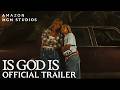
"I like to think of the twins as almost like they’re one being, but in two separate bodies," Harris says. To achieve this, she prioritized casting actors who could embody that connection without relying on heavy-handed exposition. She auditioned actresses separately and then brought them together to test their synergy. When she paired Kara and Mallori, the result was instantaneous.
To refine their physicality, Harris brought in choreographer Raja Feather Kelly. They worked on "twinning" in the body, ensuring the sisters were in lockstep even when their individual personalities diverged. This nuance is visible in the final cut: Racine, with her straight-backed defiance, and Anaia, whose posture often curves inward, guarding her internal life. It is this non-verbal storytelling that gives the film its haunting, grounded reality.
Supporting Data: An All-Star Ensemble
The film boasts an impressive roster of talent, including Vivica A. Fox, Janelle Monáe, and Sterling K. Brown. For a first-time director, the experience of leading such a veteran cast was "surreal."
"They are people I’d grown up watching, people who seemed so inaccessible in my everyday life," Harris notes. "For them to trust me as a first-time director was incredible, invaluable, and is a fuel that I will definitely take with me."

Sterling K. Brown’s performance as "The Monster" is particularly noteworthy. Known for playing characters defined by charm and warmth, Brown’s turn as a menacing, complex villain serves as a subversive highlight of the film. Harris emphasizes that she did not dictate his performance, allowing him to craft the chilling vocal nuances that define his suburban antagonist. The interplay between Brown and the twins creates some of the film’s most tense moments, as he exploits their deep-seated longing for a father figure, forcing the audience to grapple with the complexities of family trauma.
Official Perspectives: The Ethics of Revenge
The film’s ending—which sees Anaia left alone after the death of her sister—is a point of significant emotional contention for audiences. Harris views this as a necessary, if heartbreaking, narrative conclusion.
"It felt cosmically correct," she explains. "Racine, who was on a rampage and had a taste for blood… she had her father’s eyes and spirit. I also strongly believe that Anaia could not have gone off and lived the life she needed to live and protected her child with this sister beside her."
This raises the central question of the film: What is the cost of revenge? Harris is careful not to provide a moralistic answer. Instead, she presents the viewer with the fallout of the girls’ choices. The lawyer’s warning in the film—that you never know where the blood will land—serves as the thematic anchor of the finale.

Implications for the Future of Black Cinema
A common critique of Black cinema today is the prevalence of "trauma-porn." When asked how she responds to viewers who might hesitate to engage with another story centered on Black pain, Harris is clear: Is God Is is not about being downtrodden.
"This story is race-conscious, it’s trauma-conscious, but it is not saying that that is the center of our being and the only obstacle that Black people have to overcome," she asserts. She compares the film’s spirit to Kill Bill, noting that while the film is heavy, it is also designed to be a "good time."
Her goal is for Black women to feel seen, affirmed, and allowed the space to be angry without being pathologized. By reclaiming the narrative of rage and framing it within a high-stakes, stylish thriller, Harris is expanding the boundaries of what stories Black creators are permitted to tell.
Beyond the Screen: The Creative Mind
When the cameras stop rolling, Harris’s creative spirit remains restless. A self-proclaimed fan of The Sims, she sees a parallel between the game’s world-building and her own work as a writer. "As a storyteller, to get to tell the story and have a bird’s eye view and create families, it brings me so much joy," she laughs. It is this love for the architecture of character—whether in a virtual home or a cinematic revenge epic—that defines her trajectory as one of the most exciting new voices in film.

As Is God Is hits theaters on May 15, it invites audiences to step into a world that is as dangerous as it is beautiful. It is an invitation to sit with the uncomfortable, to acknowledge the weight of history, and, perhaps most importantly, to witness the fire that burns when that history is finally, and violently, confronted.


 Siti Muinah
 Azzam Bilal Chamdy