
 Asro
Asro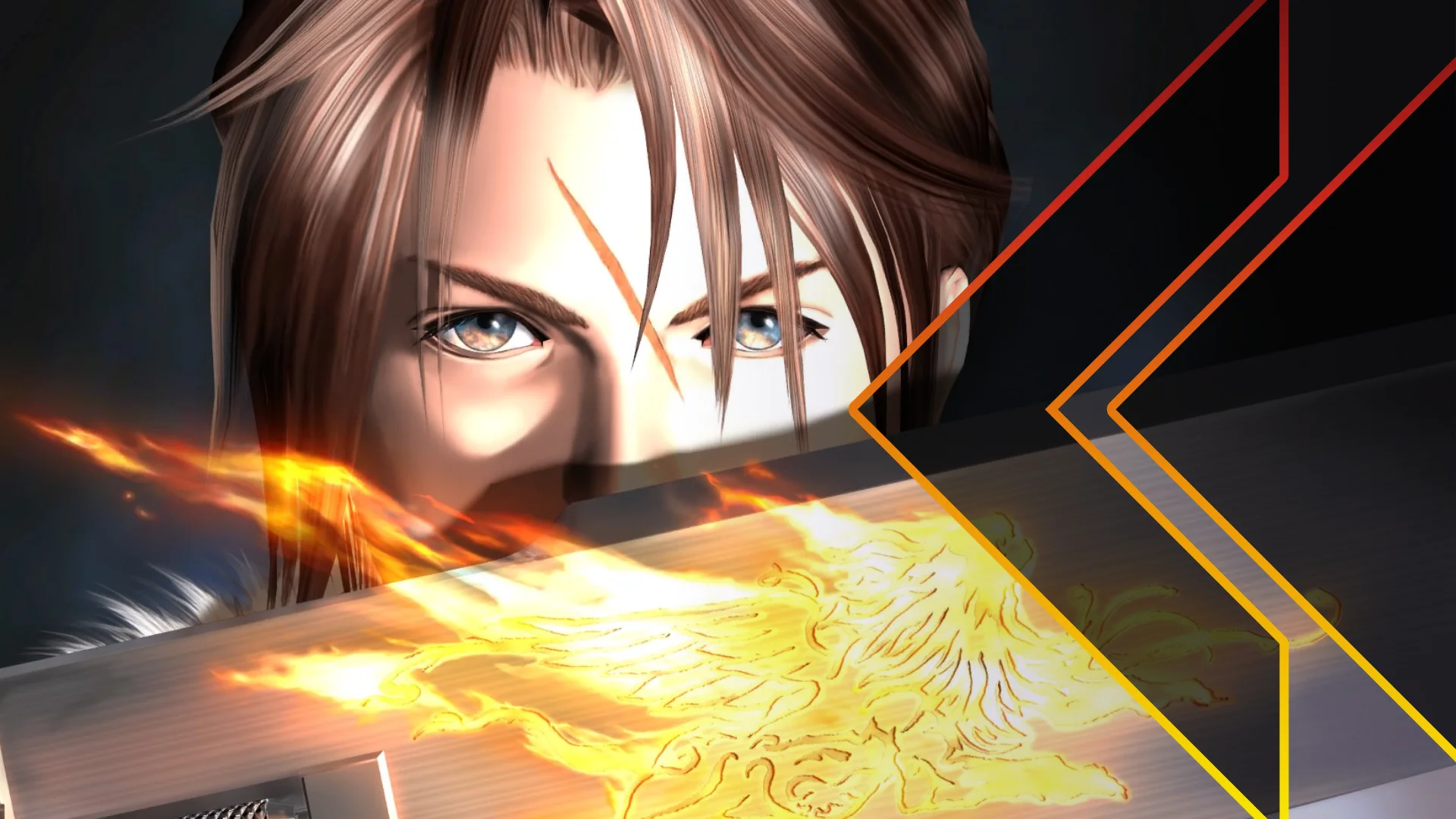
Introduction: A Dream of Garden and Gunblades
"I dreamt I was a podcast host." With that evocative opening—a nod to the iconic, surreal internal monologue that defines the opening of Square’s 1999 masterpiece—the latest installment of the Retro Encounter podcast invites listeners into the complex, often contradictory world of Final Fantasy VIII.
In this week’s episode (No. 485), a seasoned panel of RPG enthusiasts, including Aleks Franiczek, Ben Love, Paul Skevington, Steph Sybydlo, and Rob White, convene to dissect one of the most divisive entries in the storied Final Fantasy franchise. Operating in the temporary absence of regular host Zach Wilkerson, the panel embarks on a deep-dive analysis of Squall Leonhart’s journey, exploring whether the game remains a misunderstood gem of narrative ambition or a structural mess of unconventional design choices.
The Chronology of a Controversial Classic
Released in the wake of the earth-shattering success of Final Fantasy VII, Final Fantasy VIII faced the unenviable task of following a cultural phenomenon. When it arrived on the original PlayStation in 1999, it brought with it a shift in aesthetic, moving from the blocky, steampunk-inspired low-poly models of its predecessor to a more grounded, realistic, and fashionable visual identity.
The game follows a group of teenage mercenaries—SeeD members—enrolled in the Balamb Garden military academy. The narrative centers on Squall, a stoic and emotionally distant protagonist who finds himself entangled in a sprawling political conflict involving a sorceress, time compression, and the complex web of his own forgotten childhood.
Throughout the podcast, the Retro Encounter team tracks the game’s trajectory from its high-octane opening mission in Dollet to the mind-bending conclusion. By re-examining these plot beats, the panelists debate whether the game’s transition from a military school drama to a high-fantasy cosmic epic holds up, or if it loses its way under the weight of its own ambition.
Supporting Data: The "Junctioning" Conundrum
Perhaps the most significant talking point of the episode is the "Junctioning" system. Unlike traditional RPGs, where statistics grow linearly through leveling, Final Fantasy VIII ties character power to the extraction and equipping of magic spells via Guardian Forces (GFs).
The Mechanics of Ambition
For the uninitiated, the Junction system is notoriously obtuse. The panelists spend significant time deconstructing how this mechanic fundamentally alters the gameplay loop:
- The Magic Paradox: Players are incentivized to hoard magic rather than cast it, as using spells lowers their own combat statistics.
- The Leveling Trap: Because enemies scale with the player’s level, grinding can actually make the game harder, leading to a unique "low-level" meta that baffles many newcomers.
- Narrative Integration: The panel argues whether this system is a brilliant representation of the characters’ reliance on GFs, or simply a tedious barrier to entry that detracts from the traditional "fun" of the genre.
By contrasting these mechanics with standard JRPG tropes, the podcast provides a critical look at how Square-Enix experimented with player agency, often sacrificing accessibility for thematic consistency.
Official Perspectives: The Panel’s Verdict
The composition of the panel—four veterans and one newcomer—creates a dynamic interplay between nostalgia and fresh perspective.
The Veterans’ Stance
The long-time fans on the panel grapple with the "stylish" nature of the game. Final Fantasy VIII is undeniably a product of the late 90s, heavily influenced by fashion, J-Pop culture, and a cinematic sensibility that was leagues ahead of its time. The veterans reflect on the impact of Nobuo Uematsu’s haunting, operatic score and the groundbreaking pre-rendered cinematic sequences that defined the PS1 era.
The Newcomer’s Experience
The inclusion of a newcomer provides a necessary "control group" for the discussion. Hearing how a modern player reacts to the game’s tutorials, the pacing of the Garden segments, and the infamous "Squall is dead" fan theory adds a layer of depth that prevents the episode from becoming a mere echo chamber of long-held opinions. The consensus, or lack thereof, highlights why Final Fantasy VIII continues to be a central topic of debate twenty-five years later.
Implications: The Legacy of Fashionable Mercenaries
What does it mean for a game to be "controversial" long after its release? The discussion on Retro Encounter touches upon the broader implications of Final Fantasy VIII‘s design.
Influence on Modern RPG Design
The podcast explores how the game’s rejection of conventional tropes paved the way for future experimental titles. Its focus on interpersonal relationships and the "Coming of Age" arc in a war-torn world remains a hallmark of the series. However, the discussion also highlights the dangers of over-complicating mechanics, noting that Final Fantasy VIII represents a moment in history where Square was willing to alienate its audience in pursuit of a singular, uncompromising vision.
A Mirror to the Player
The panel notes that the game’s narrative—often criticized for being nonsensical—actually functions as a reflection of its protagonist’s psyche. As Squall attempts to suppress his emotions, the game’s plot becomes increasingly fragmented and surreal. This meta-commentary, whether intentional or accidental, is a testament to the game’s enduring psychological appeal.
Conclusion: A Must-Listen for RPG Historians
Whether you are a defender of the Junction system or someone who still finds the plot of Final Fantasy VIII completely baffling, this episode of Retro Encounter serves as an essential companion piece to the experience. By stripping away the nostalgia and focusing on the mechanical and narrative friction, the hosts provide a masterclass in critical analysis.
As the industry continues to evolve, looking back at such bold, flawed, and beautiful experiments is crucial for understanding the trajectory of the role-playing genre.
Episode Details:
- Panelists: Aleks Franiczek, Ben Love, Paul Skevington, Steph Sybydlo, Rob White.
- Production: Edited by Zach Wilkerson, with music by Miles Morkri.
- Call to Action: The team encourages listeners to engage with the discourse. For those wishing to contribute their own thoughts on the "Junctioning" debate, the podcast invites feedback via email at [email protected].
Listeners can subscribe and tune in via major podcast platforms including Overcast, Pocket Casts, Castro, Podbean, Podcast Addict, and Player FM. As the show reminds us: “I dreamt I was a podcast host.” Perhaps, after listening to this breakdown, you’ll find yourself dreaming of Garden and the complex, stylish world of Squall Leonhart as well.
(Note: For further exploration of the franchise, listeners are encouraged to visit the RPGfan archives to access the full catalog of Retro Encounter episodes, covering everything from the 8-bit origins to the latest modern blockbusters.)



 Muslim





