

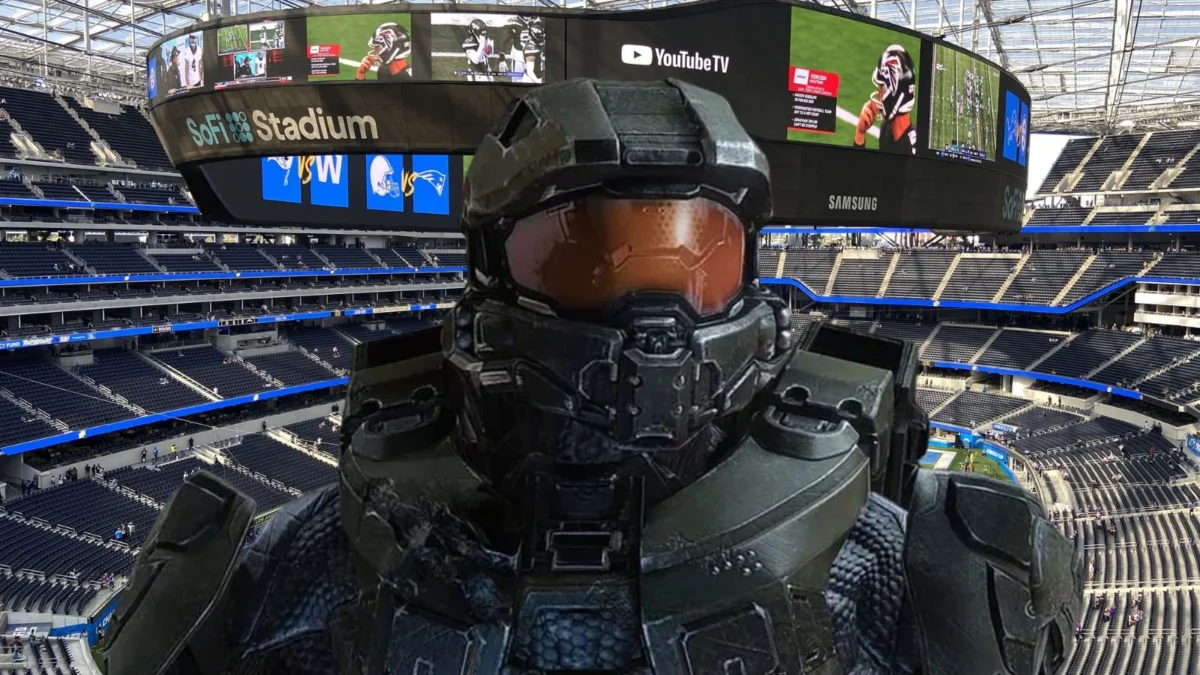
In the modern landscape of professional sports marketing, the annual release of the NFL regular-season schedule has evolved from a dry, administrative necessity into a high-stakes creative competition. No organization has embraced this shift more aggressively than the Los Angeles Chargers. By transforming the mundane task of announcing 17 games into a piece of digital performance art, the Chargers have once again set the industry benchmark. For their 2026 campaign, the team partnered with Microsoft to produce a five-minute cinematic masterpiece built entirely within the Halo Infinite Forge mode, a feat of technical ingenuity that has captivated millions.
The Digital Battlefield: A Masterclass in Fan Engagement
The 2026 schedule reveal video, which has already amassed a staggering 17 million views and over 101,000 likes across various social media platforms, is a testament to the convergence of sports culture and digital gaming. The video serves as a love letter to the Halo franchise, featuring the unmistakable, booming voice of legendary multiplayer announcer Jeff Steitzer. Steitzer’s iconic call-outs—"Double Kill," "Killing Spree," and "Game Over"—provide the rhythmic backdrop as the Chargers’ schedule unfolds across custom-built digital environments.
The project is more than just a list of dates and opponents; it is a narrative journey. Throughout the video, the Chargers take aim at their 2026 opponents, embedding "Easter eggs" and subtle jabs within the intricate architecture of the custom Halo maps. Whether it is a clever reference to a rival’s stadium architecture or a humorous nod to past games, the attention to detail has turned the reveal into a piece of interactive content that fans are encouraged to watch multiple times.
Chronology of a Creative Powerhouse
The Chargers’ path to this Halo-themed spectacle is part of a deliberate, multi-year strategy to dominate the "schedule release" conversation. The team has established a reputation for viral marketing, utilizing different aesthetic languages to engage younger, digitally native audiences.
- The Anime Era: In previous years, the Chargers leaned into the hyper-stylized aesthetic of high-production anime, turning their roster into heroic protagonists.
- The Retro Revival: The team experimented with the nostalgic, pixelated charm of The Sims 2, a move that resonated deeply with millennial nostalgia.
- The Sandbox Experiment: Last year, the team utilized Minecraft to build their schedule, demonstrating an ability to leverage block-based world-building to create complex environments.
- The 2026 Halo Infinite Milestone: The current project represents the most technically ambitious endeavor to date. By moving into the Halo engine, the team transitioned from simple world-building to complex real-time rendering and node-scripting, pushing the boundaries of what is possible within a video game’s creative toolset.
Behind the Forge: The Technical Engineering
Creating a five-minute video inside Halo Infinite’s Forge mode is a task that defies traditional video production workflows. According to a behind-the-scenes breakdown released by the Chargers, the project required a transnational effort, recruiting three world-class Halo experts from Canada and Mexico to navigate the engine’s limitations and possibilities.
The Art of Kit Bashing
Forge mode is designed as a level-editing tool rather than a 3D modeling suite. It does not allow creators to import external textures or custom 3D assets. Consequently, the designers were forced to practice "kit bashing"—a technique where existing in-game assets are repurposed, resized, and layered to create entirely new structures. For example, a standard decorative panel might be combined with a weapon rack and a lighting fixture to form a complex, futuristic hallway or a portion of a spacecraft.
The scale of the project was daunting. Designers reported that creating a single full-size ship—a centerpiece of the video—required hours of structural foundation work before the team could even begin the meticulous process of adding visual effects and micro-details. One designer noted that the basic structure of certain set pieces took roughly 15 hours to construct, followed by an additional five to six hours of rigorous visual effects (VFX) work and post-production editing.
Bridging the Gap
Once the scenes were constructed within the game engine, the team utilized After Effects to overlay the custom user interface (UI) pop-ups. These UI elements were essential for communicating the schedule clearly while maintaining the "HUD" (Heads-Up Display) aesthetic of the Halo franchise. This integration of raw gameplay footage with high-end motion graphics created a seamless, polished product that felt like an official expansion pack for the game rather than a promotional video for a football team.
Official Responses and Creative Philosophy
The collaboration between the Chargers and Microsoft reflects a growing symbiosis between the NFL and the gaming industry. When asked about the project, the design team emphasized the transformative power of gaming tools. "I love when sports try to link with the gaming world," one designer remarked. "To see it [Forge mode] used as something else—as a storytelling medium—it’s just a really cool opportunity."
The Chargers’ social media team underscored this sentiment via X (formerly Twitter), where they teased the project with a cryptic, humor-filled post that highlighted the team’s commitment to unconventional marketing. By leaning into the "Yes" meme, the organization signaled its willingness to take creative risks that many other NFL franchises would deem too experimental or labor-intensive.
Implications for Sports Marketing
The success of the 2026 schedule reveal signals a permanent shift in how sports franchises interact with their fanbases. No longer is a simple graphic on a website sufficient to capture the attention of a global audience. The "Chargers Standard" has raised the bar for every other team in the league.
The Gamification of Sports Media
This project is part of a larger trend of "gamifying" sports media. The NFL’s crossover with pop culture is no longer just about halftime shows or celebrity cameos; it is about immersing fans in the digital spaces they already inhabit. This follows the landmark 2023 broadcast where the NFL teamed up with ESPN and Disney to present a live game entirely within the Toy Story universe. By using real-time player tracking and animation, the league successfully engaged younger viewers who might otherwise have tuned out of a standard broadcast.
Future Outlook
As technology continues to advance, we can expect future schedule reveals to incorporate even more sophisticated elements. We are likely to see:
- VR/AR Integration: Future reveals might allow fans to walk through the schedule-themed worlds using virtual reality headsets.
- Procedural Content: As AI and game engines merge, teams may soon produce "procedurally generated" schedule reveals that adapt to a fan’s favorite player or position.
- Cross-Platform Partnerships: The success of the Halo collaboration suggests that future partnerships will involve deeper integrations, perhaps even allowing fans to play the maps featured in the reveal video themselves.
Conclusion
The Los Angeles Chargers have effectively turned a routine league announcement into a cultural event. By marrying the high-octane competitive spirit of the NFL with the immersive, creative sandbox of Halo Infinite, they have not only reached their traditional fanbase but have also made significant inroads into the gaming community.
In an era where attention is the most valuable commodity in sports, the Chargers have proven that they are willing to put in the "Forge" hours to earn it. Whether this strategy will be replicated by other teams remains to be seen, but one thing is certain: the bar for NFL marketing has been raised, and it is currently sitting in a Spartan-defended hangar on the edge of the Halo universe. As the 2026 season approaches, the Chargers have proven that when it comes to the intersection of sports and digital innovation, they are playing the game on a difficulty level all their own.










No comments yet. Be the first to join the conversation!