

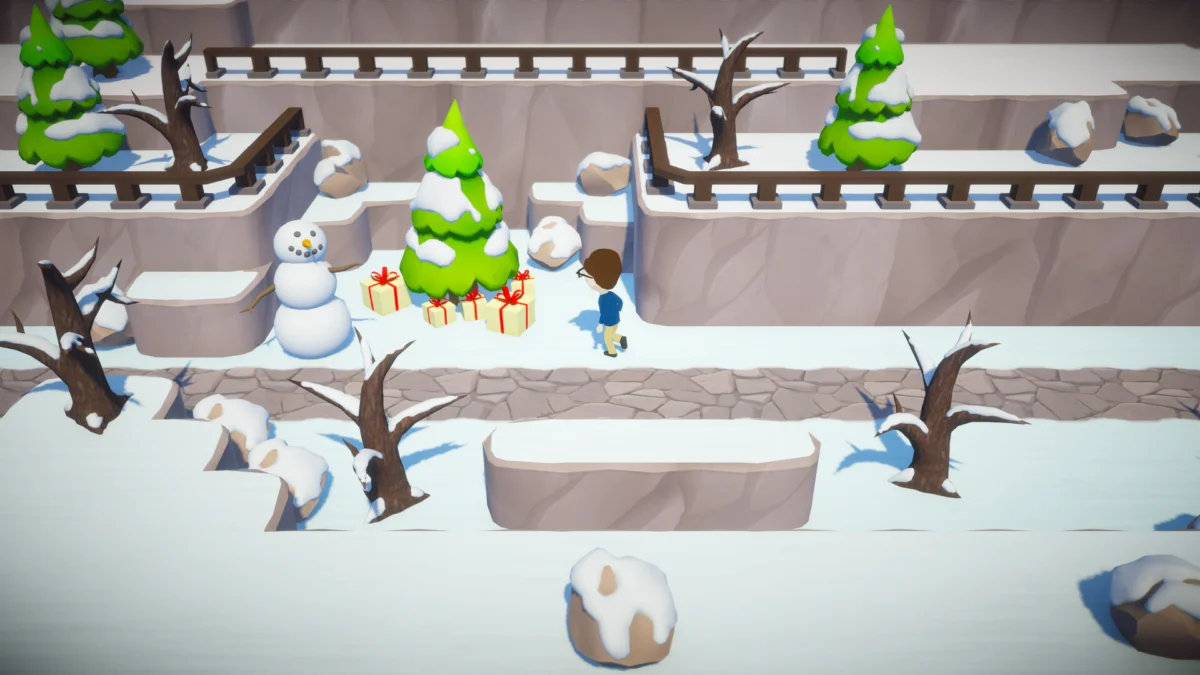
In the expansive landscape of modern video games, players have been conditioned to view the environment as a static backdrop. Mountains, rivers, and especially forests are traditionally relegated to the realm of "scenery"—a non-threatening canvas upon which the real action takes place. However, a new title currently in development, Trees Hate You, is gleefully shattering these conventions by turning the very flora you walk past into your most relentless, trigger-happy adversaries.
Developed by a team that clearly harbors a wicked sense of humor, Trees Hate You is an isometric, puzzle-oriented survival experience that transforms a peaceful post-picnic stroll into a frantic, slapstick gauntlet. With a demo already capturing attention on platforms like itch.io and a dedicated Steam page gaining traction, the game is positioning itself as one of the most inventive "gotcha" experiences in the indie scene.
The Core Concept: When the Forest Fights Back
At its heart, Trees Hate You is a masterclass in subverting player expectations. The premise is disarmingly simple: you are a hiker attempting to return home after a pleasant afternoon in the woods. The problem? The forest has collectively decided that you are not welcome.
Unlike traditional survival horror games, where the danger is usually defined by monsters or zombies, the threat here is vegetative. Pines, oaks, and shrubs actively work to obstruct, ambush, and eliminate you. The genius of the game lies in its predictability—or rather, the lack thereof. The game functions as a series of environmental puzzles that require the player to anticipate the malicious intent of the scenery. If you attempt to traverse a clear path, you may find that the path is an illusion, with trees shifting in real-time to block your movement. If you try to skirt the edges to remain stealthy, the trees escalate the conflict by deploying firearms with the casual indifference of a cartoon villain.
A Chronology of Chaos: The Evolution of the "Ambush"
To understand the appeal of Trees Hate You, one must look at how the game constructs its narrative of hostility. Development on the title has focused heavily on the "cat-and-mouse" dynamic between the player and the environment.
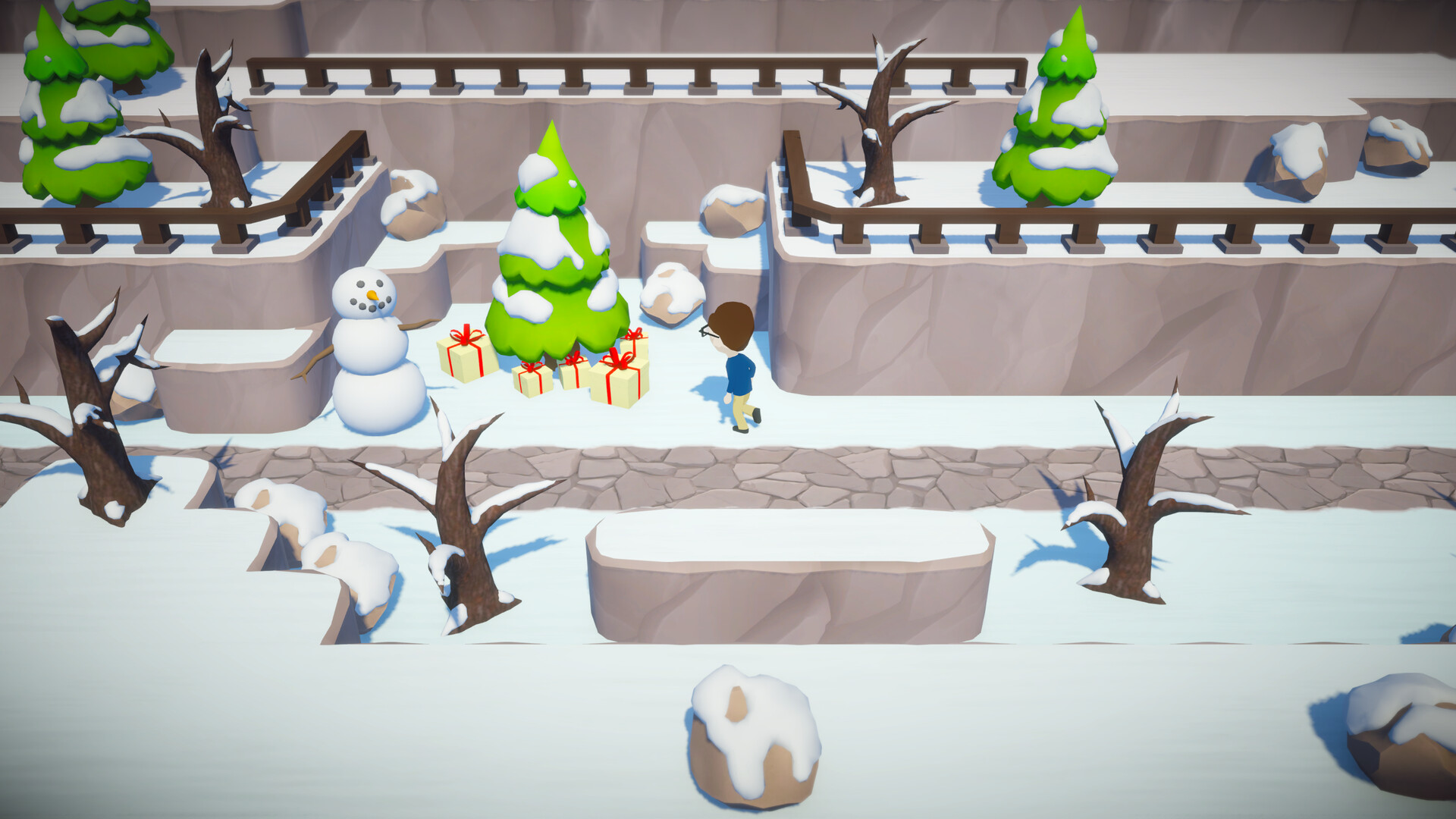
- Phase 1: The Subtle Obstruction. Early stages of the demo introduce the player to the concept of movement restriction. A tree might lean slightly, forcing the player to take a detour. It is a psychological play, testing whether the player understands that the environment is sentient.
- Phase 2: The Physical Assault. As the player progresses, the "passive-aggressive" nature of the trees gives way to physical violence. Branches become clubs, and roots become tripwires. This phase serves to break the player’s habit of running blindly through the environment.
- Phase 3: The Escalation. This is where the game achieves its cult-hit status. By introducing firearms and other "absurd" weaponry to the forest canopy, the developer forces the player into a state of hyper-vigilance. The realization that you are being hunted by a spruce with a sidearm is not just a game mechanic—it is a comedic beat that defines the title’s unique personality.
Supporting Data: The Psychology of "Background" Violence
Why do players find Trees Hate You so engaging? The answer lies in the psychological phenomenon of "environmental blindness." Over decades of gaming, players have been trained to treat trees, bushes, and static rocks as safe zones. We use them for cover, we look past them to find objectives, and we essentially treat them as invisible.
Trees Hate You weaponizes this habit. By turning the "safest" element of the game world into the primary antagonist, the developer exploits the player’s cognitive bias. This creates a cycle of frustration and hilarity:
- Expectation: "I will walk through these trees to reach the exit."
- Interaction: The trees act unexpectedly.
- Result: The player dies in a ridiculous, over-the-top fashion.
- Reaction: The player laughs, recognizing the cleverness of the developer’s trap.
This loop—anticipating the developer’s intent and being outwitted by a sentient pine tree—provides a fresh take on the puzzle-platforming genre. It is not about skill-based combat; it is about "thinking like a tree," a mental exercise that is as challenging as it is entertaining.
Official Developer Perspectives and Design Philosophy
While the team behind the project has remained relatively enigmatic, the design philosophy behind Trees Hate You is transparent in every frame of the gameplay. The developer’s goal is clearly to highlight the "creative malice" that can be baked into level design.
In interviews and dev-logs, the team has hinted that the project began as a joke: "What if the environment was just as tired of the player as the player is of the environment?" This core question expanded into a fully-fledged game. The decision to embrace a cartoon-like aesthetic is vital. If the game were hyper-realistic, the sight of a tree brandishing a weapon would be terrifying. By keeping the art style vibrant and the animations fluid and exaggerated, the game maintains a lighthearted tone that makes the inevitable "Game Over" screens feel more like a punchline than a failure.
Implications: The Future of Environmental Design
The success of the Trees Hate You demo suggests a growing appetite for games that break the fourth wall of level design. For years, indie developers have been pushing the boundaries of what constitutes an "enemy." We have seen games where the UI is the enemy, games where the narrative itself lies to the player, and now, games where the floor and walls are plotting against you.
Impact on Indie Game Development
Trees Hate You serves as a blueprint for how small teams can create high-impact, high-shareability content without the need for massive budgets. Its viral potential—driven by clips of players getting "sniped" by oaks—is a testament to the power of unique, high-concept mechanics. It encourages other developers to look at their game engines and ask, "What else have we been taking for granted?"
The "Wishlist" Economy
The game’s presence on Steam and itch.io is a vital case study in modern discovery. By offering a robust demo, the developers have successfully built a community around the title before it even reaches its full release. This "try before you buy" approach is increasingly essential for niche titles that rely on their unique premise to hook players.
A Final Warning: Watch Your Step
As development continues, the gaming community is keeping a close eye on Trees Hate You. While the current demo provides a delightful, bite-sized experience, the potential for expansion is limitless. Will there be boss battles against ancient redwoods? Will there be seasonal variations where autumn leaves become projectiles?
For now, players are advised to download the demo and prepare themselves. It is a rare game that manages to be simultaneously frustrating, hilarious, and genuinely innovative. And if you find yourself walking through a real forest after playing this, you might just find yourself looking at the pines a little differently—perhaps with a hint of suspicion.
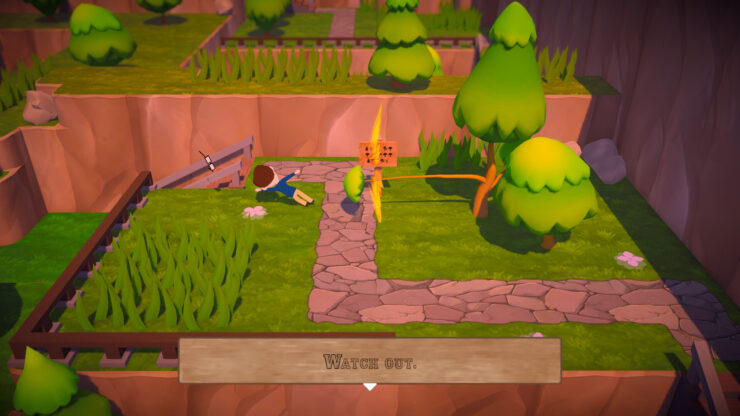
The developers have tapped into a primal, irrational fear: that the world around us is not as inert as we believe. It is a brilliant, funny, and utterly deranged concept that cements Trees Hate You as a must-play for anyone who appreciates the "unhinged" side of indie game development. Just remember: if you see a tree reach for its holster, don’t try to reason with it. Just run.
You can grab the demo for Trees Hate You at itch.io and show your support by adding the game to your Steam Wishlist.












No comments yet. Be the first to join the conversation!