

Introduction: A New Cultural Landmark in Okayama
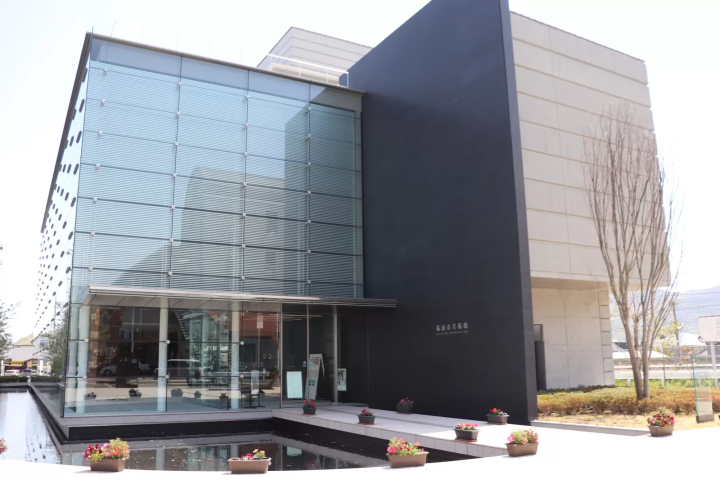
In the heart of the historic ceramic center of Imbe, Bizen City, a new chapter in the preservation of Japanese heritage has begun. On July 12, 2025, the institution formerly known as the Bizen City Bizen Pottery Museum underwent a transformative evolution, reopening its doors as the Bizen City Museum of Art. Located just a stone’s throw from JR Imbe Station, this facility stands as a premier destination for those seeking to immerse themselves in the profound history of Bizen pottery—a craft defined by its raw, unglazed beauty and the elemental interplay of earth and fire.
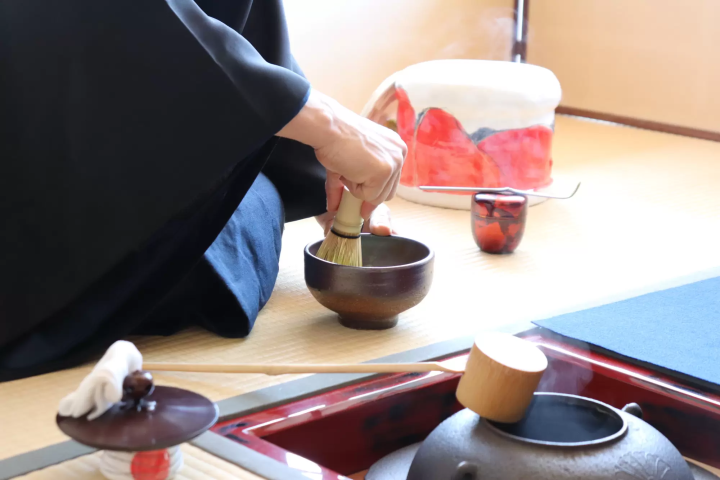
More than a repository for static exhibits, the museum has redefined itself as an interactive, participatory space. Its crown jewel is the monthly "Tsukigama Tea Gathering," an initiative that bridges the gap between historical artifact and contemporary experience, inviting visitors to partake in the living culture of the tea ceremony using the very pottery they have just admired behind glass.

The Architecture of Simplicity
Designed by the esteemed architect Kiyoshi Sakurai—renowned for his work on the Prime Minister’s Official Residence—the museum building itself is an architectural manifesto. Built around the theme of "the beauty of simplicity," the structure mirrors the philosophy of Bizen ware: an appreciation for the unadorned material.
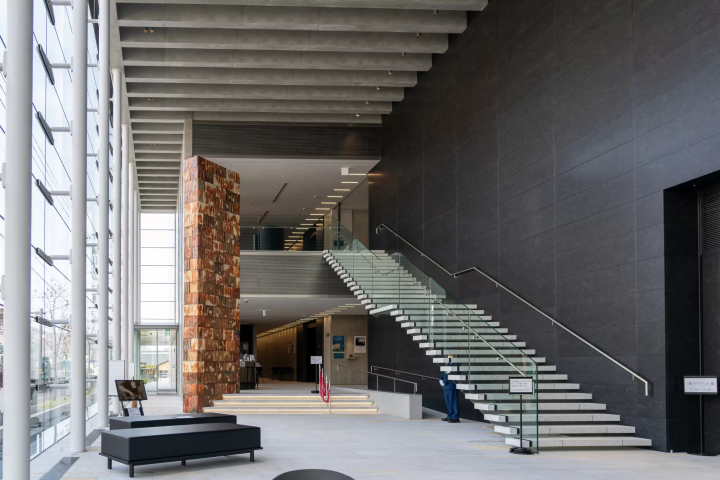
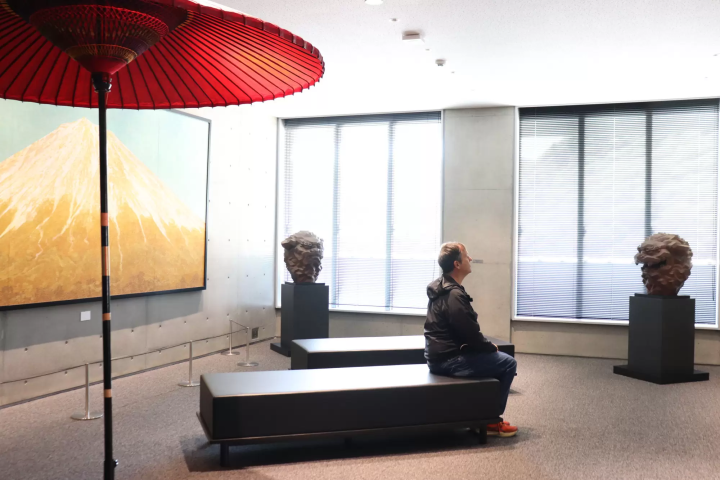
Upon entering the museum, guests are greeted by a stark, sophisticated monochrome aesthetic, punctuated by granite floors and walls that lead the eye toward the central attraction: the monumental sculpture Memory of Earth and Fire by Living National Treasure Jun Isezaki. The work commands the entrance hall, setting a tone of solemnity and grandeur that prepares visitors for the artistic journey ahead.
Chronology of Development
- Pre-2025: The facility operates primarily as the Bizen City Bizen Pottery Museum, focusing on the historical documentation of the local craft.
- July 12, 2025: Official grand opening of the Bizen City Museum of Art. The rebranding signals a broader mission to promote modern ceramics to both domestic and international audiences.
- October 2025: Introduction of the "Night Museum" series, offering exclusive evening access accompanied by live musical performances.
- Ongoing (2025–2026): Regular operation of the "Tsukigama Tea Gathering," with specific dates scheduled through September 2026 to foster recurring community and tourist engagement.
The "Tsukigama" Experience: Bridging Cultures
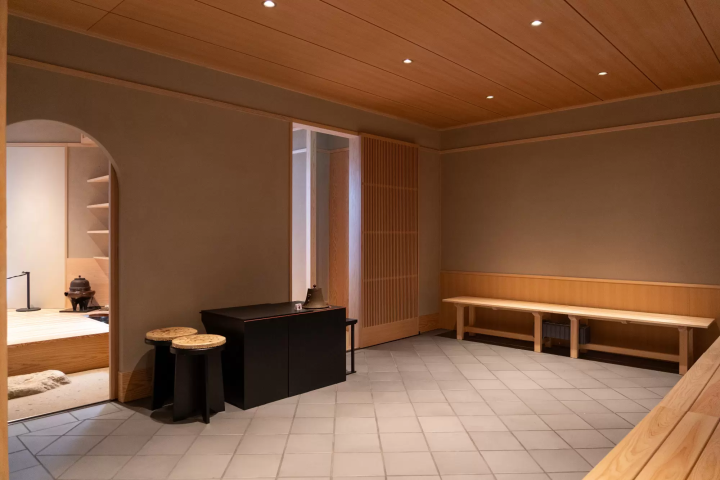
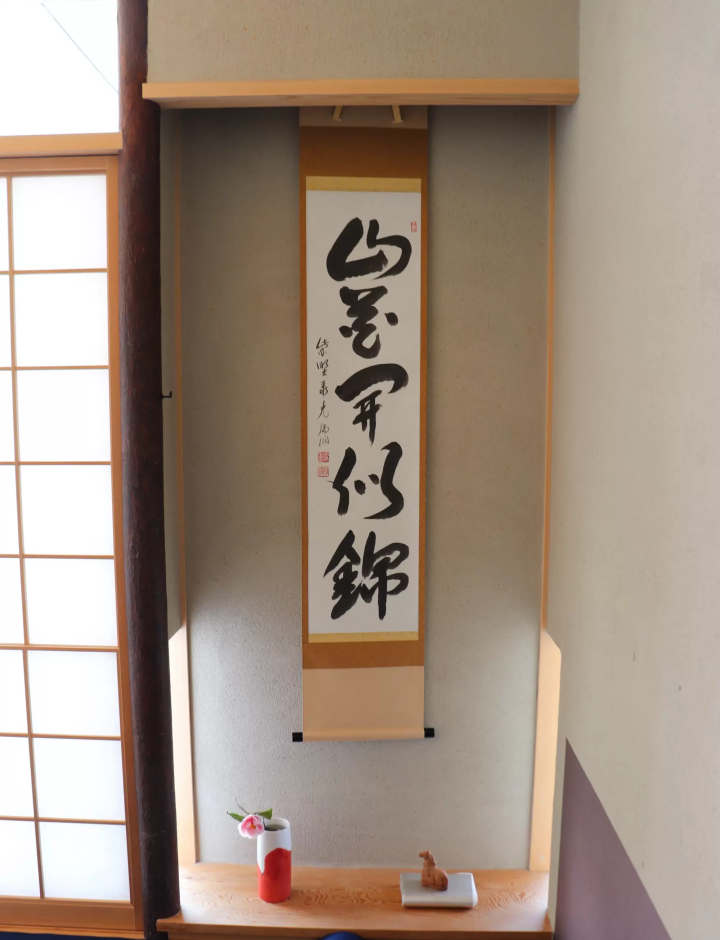
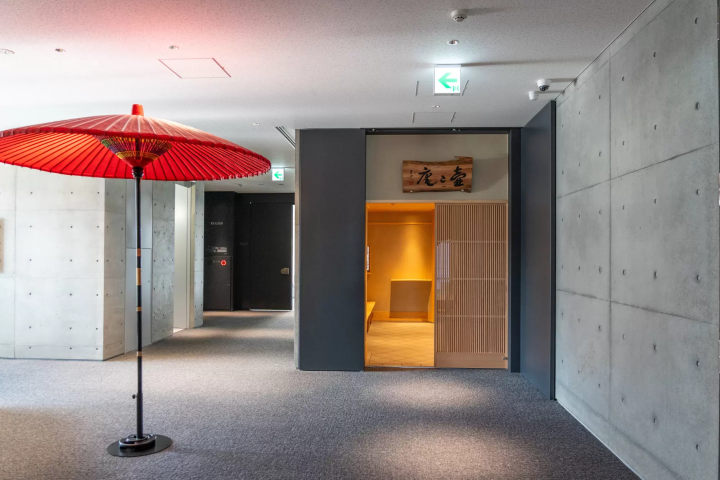
Perhaps the most significant initiative at the museum is the "Tsukigama Tea Gathering," held monthly on the third floor in the serene "Kokoko-an" tea room. This program serves as an accessible gateway for international travelers to experience the nuances of the Japanese tea ceremony without the intimidating barriers of formal etiquette.
A Fusion of Global Influences
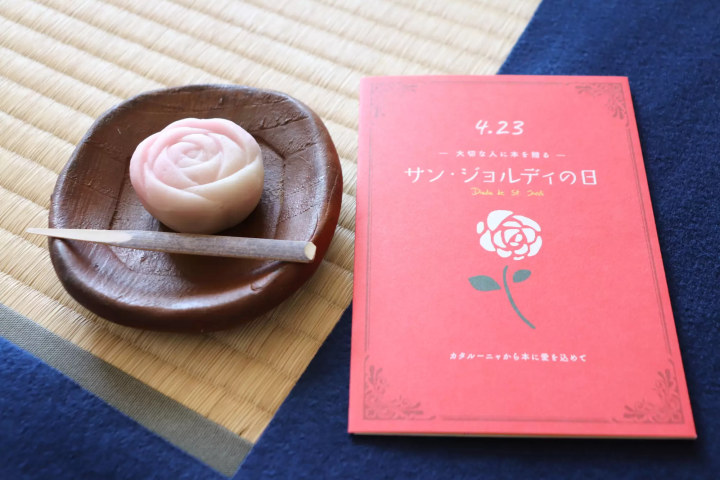
The thematic depth of these gatherings is best illustrated by the April session, which coincided with the Catalan tradition of "Sant Jordi Day." In a creative display of cultural exchange, the museum partnered with local confectionery shop Shogetsudo to serve rose-shaped wagashi (seasonal sweets), honoring the tradition of exchanging books and roses. These delicate sweets were presented on plates crafted by the late Living National Treasure Yu Fujiwara, perfectly encapsulating the museum’s mission: to serve as a bridge between world cultures and the future of artistic creation.
The Sensory Ritual
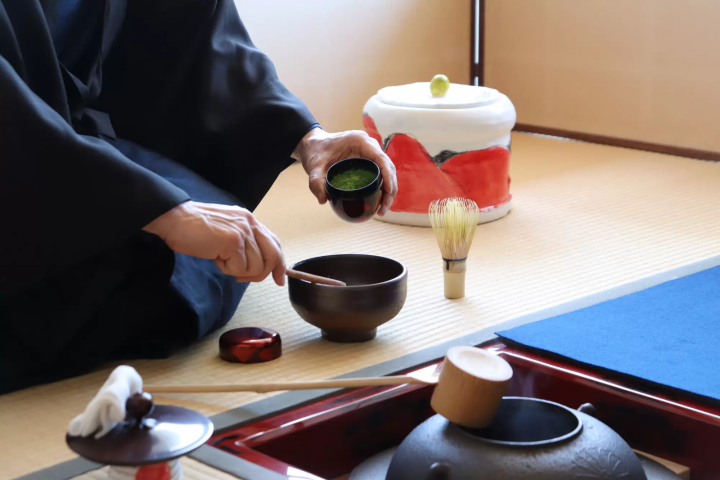
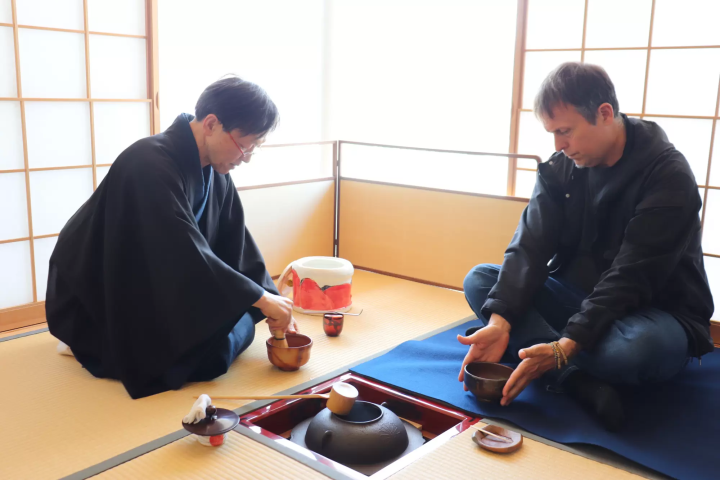
The experience within the Kokoko-an tea room is designed to engage all senses. As steam rises from the iron kettle and the rhythmic movements of the Temae (tea ceremony performance) unfold, the atmosphere shifts from the bustle of the museum to a state of profound stillness.
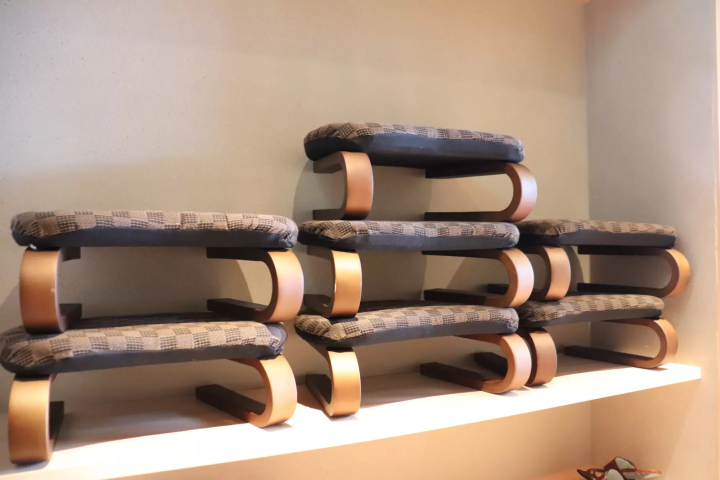
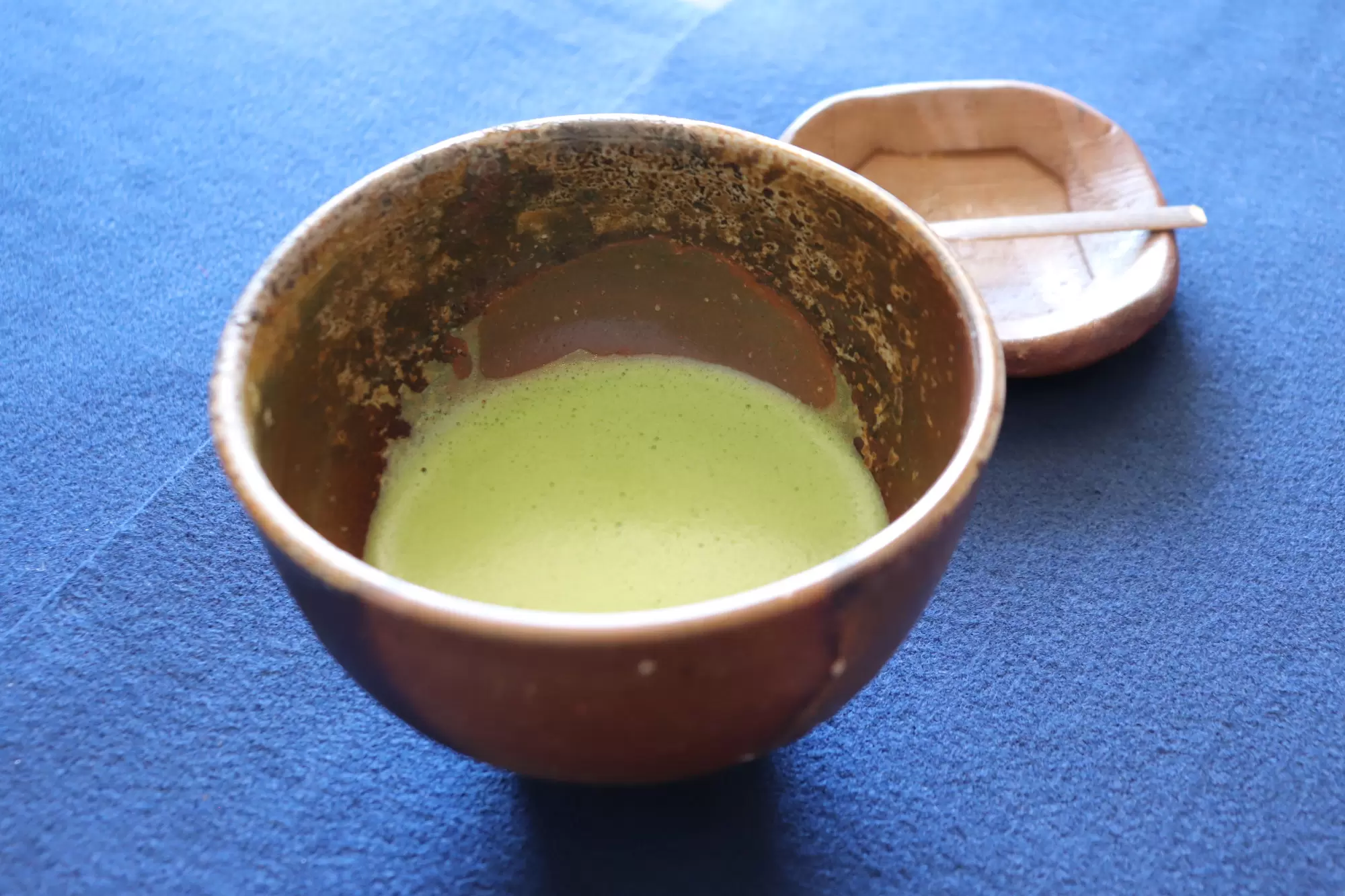
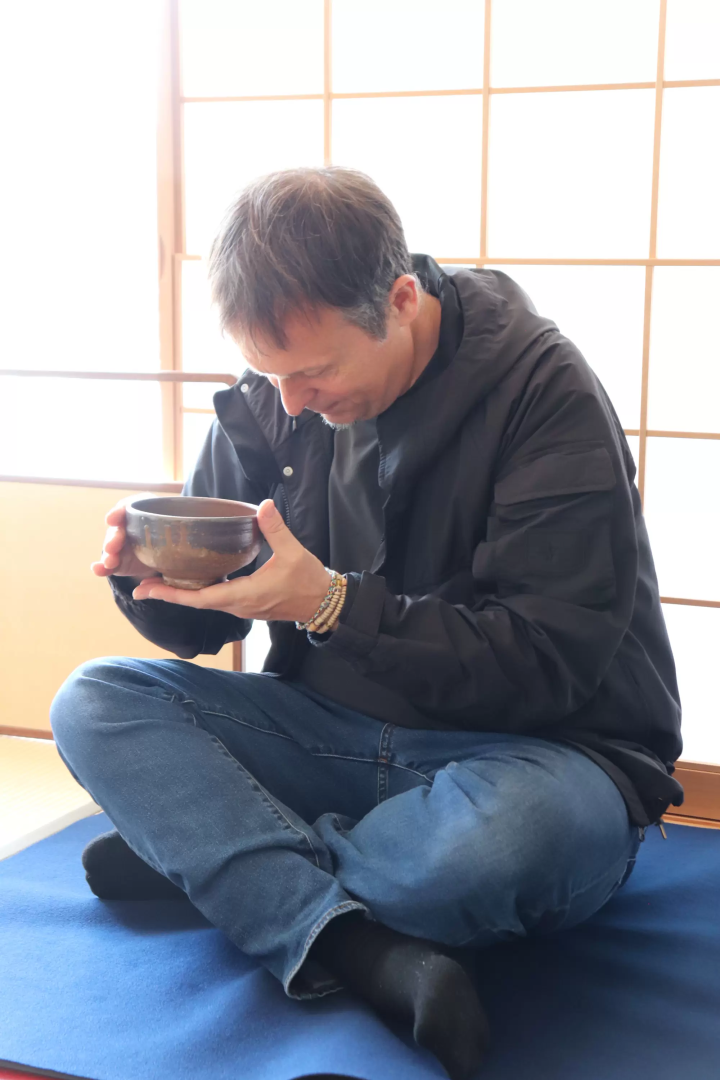
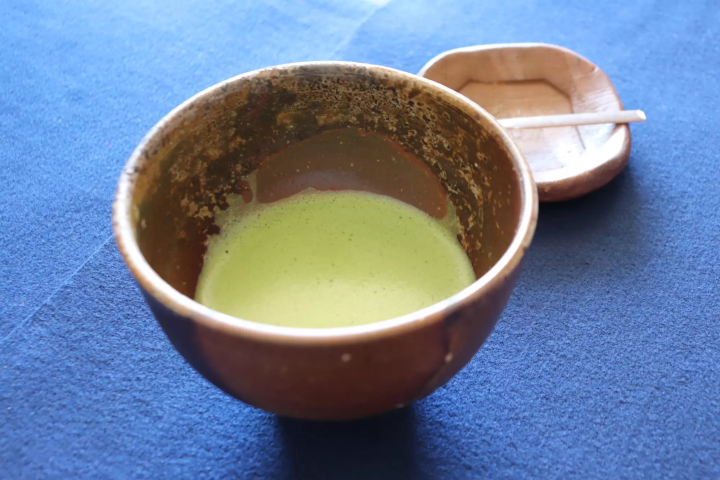
Participants are encouraged to sit in the traditional seiza position, though cushions are provided for those who find the posture challenging. The tea is served in authentic Bizen pottery, which is widely celebrated for its porous, iron-rich texture. Connoisseurs often note that Bizen ware softens the water, resulting in a cup of matcha that is perceptibly smoother and more flavorful than one served in glazed ceramics.
Supporting Data and Visitor Information
The museum has meticulously planned its facilities to ensure a premium experience for its guests.
- Location: 1659-6 Imbe, Bizen City, Okayama Prefecture.
- Accessibility: Situated one minute from JR Imbe Station.
- Operating Hours: 9:00 AM – 5:00 PM (Last entry at 4:30 PM).
- Tea Ceremony Details:
- Venue: 3rd Floor, Kokoko-an Tea Room.
- Capacity: Limited to 7 guests per session to ensure intimacy.
- Pricing: 1,000 yen for the full experience.
- Application: Reservations are accepted via phone or at the 1st-floor reception desk.
The museum’s commitment to accessibility is underscored by the availability of English-language support, acknowledging the rising interest from the international tourism sector.
Official Perspectives: The Philosophy of Communication
Ms. Kimura of the Bizen City Tea Ceremony Association, who leads the gatherings, emphasizes that the tea room is more than a place to drink tea; it is a space for "communication through interaction." By stripping away the requirement for pre-existing knowledge of rigid tea etiquette, the museum ensures that the focus remains on the connection between the host, the guest, and the art object.
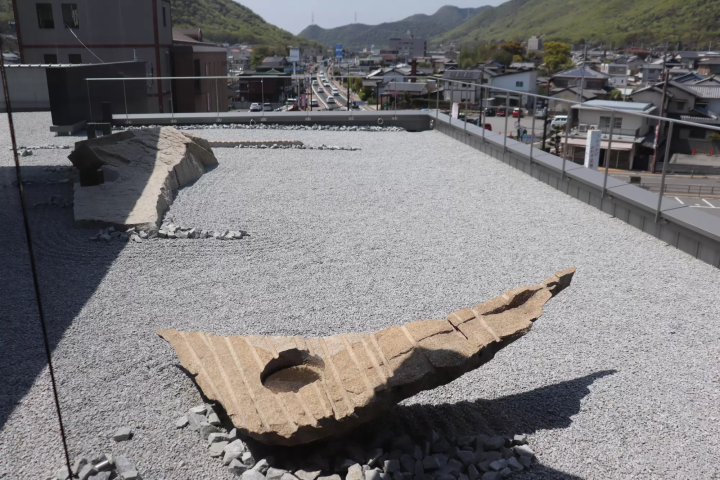
The view from the tea room further reinforces this connection. Guests can overlook the museum’s rooftop Karesansui (dry landscape garden), where carefully placed Aji stones from the Setouchi region evoke the serene spirit of the nearby Seto Inland Sea. It is a calculated design choice meant to ground the visitor in the geography of Okayama while they enjoy the tea.
Implications for the Future of Bizen
The Bizen City Museum of Art’s shift toward a "participatory" model has significant implications for the region. By moving beyond the "look-but-don’t-touch" culture of traditional museums, it invites the public to incorporate Bizen pottery into their daily lives.
When a visitor tastes the superior quality of matcha served in a Bizen bowl, they are no longer just observing history—they are internalizing it. This sensory engagement is likely to increase the appreciation and demand for local craftsmanship, fostering a sustainable future for the potters of Imbe.
Conclusion: A Must-Visit Destination
Whether you are an avid collector of ceramics, a student of Japanese culture, or simply a traveler looking for a moment of peace, the Bizen City Museum of Art offers a unique blend of historical reverence and modern hospitality. As the museum continues to host its "Tsukigama" gatherings and special events like the "Night Museum," it cements its status as a vital cultural hub in the Okayama Prefecture.
For those planning a visit, checking the official Bizen City Museum of Art website for the latest schedule of the "Tsukigama Tea Gathering" is highly recommended. In a world that often moves too quickly, the Kokoko-an tea room provides a rare opportunity to pause, breathe, and appreciate the enduring, simple beauty of earth and fire.












No comments yet. Be the first to join the conversation!