
 Siti Muinah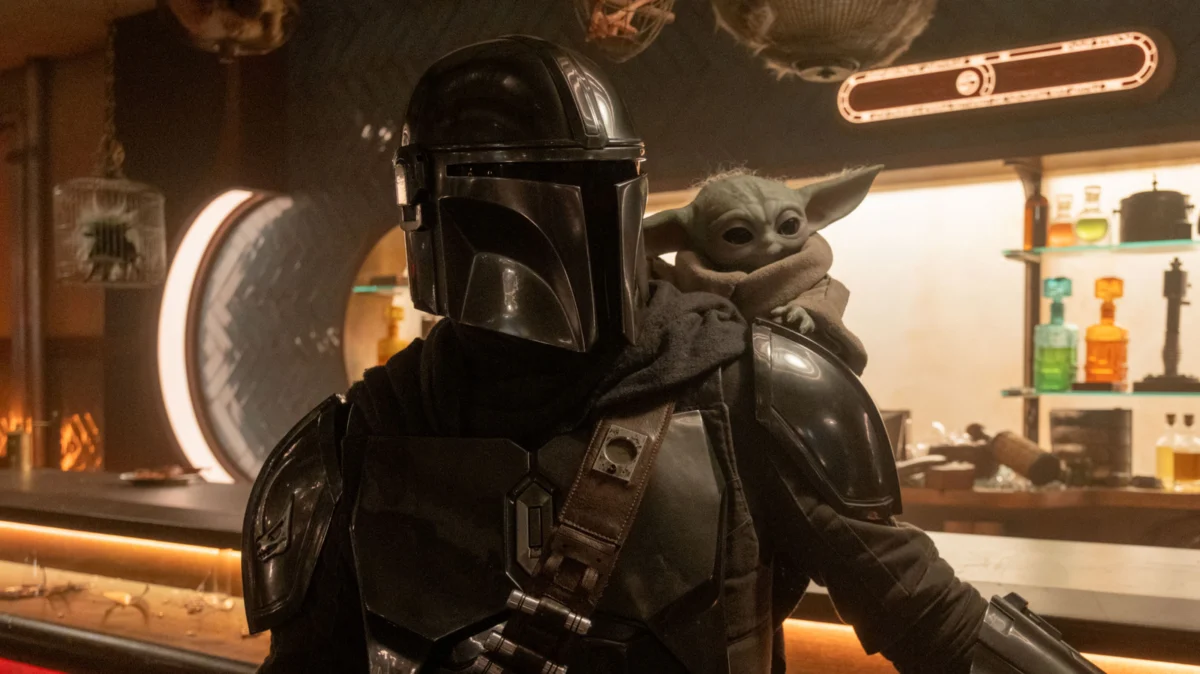
After a nearly seven-year cinematic drought, the Star Wars franchise is finally preparing to reclaim its throne on the silver screen. With the impending release of The Mandalorian and Grogu on May 22, 2026, Lucasfilm and Disney are set to break the long hiatus that followed the divisive 2019 release of The Rise of Skywalker. However, as the industry gears up for this return, the metrics for success have fundamentally shifted. In an era of ballooning production costs and fragmented streaming audiences, The Mandalorian and Grogu is not being tasked with hitting the elusive $1 billion mark. Instead, it represents a new, more sustainable blueprint for the future of the galaxy far, far away.
The Financial Landscape: A New Strategy for Sustainability
For years, the Disney-era Star Wars films were defined by their sheer scale—both in narrative ambition and financial burden. With production budgets routinely hovering around the $300 million mark, these films were essentially forced to become global blockbusters just to break even. The Rise of Skywalker achieved the billion-dollar milestone, yet its path there was paved with complex production challenges and a bloated cost structure that eroded the margin for error.
The Mandalorian and Grogu arrives with a significantly leaner production budget of $165 million. By industry standards, this is a modest sum for a tentpole science-fiction franchise. This strategic decision by director Jon Favreau and the Lucasfilm team reflects a broader industry-wide reckoning regarding the unsustainable "budget bloat" that has plagued Hollywood in recent years. By keeping costs contained, the studio has effectively lowered the bar for profitability, allowing the film to succeed without needing to rewrite the record books.
Chronology of a Return: From Streaming to Silver Screen
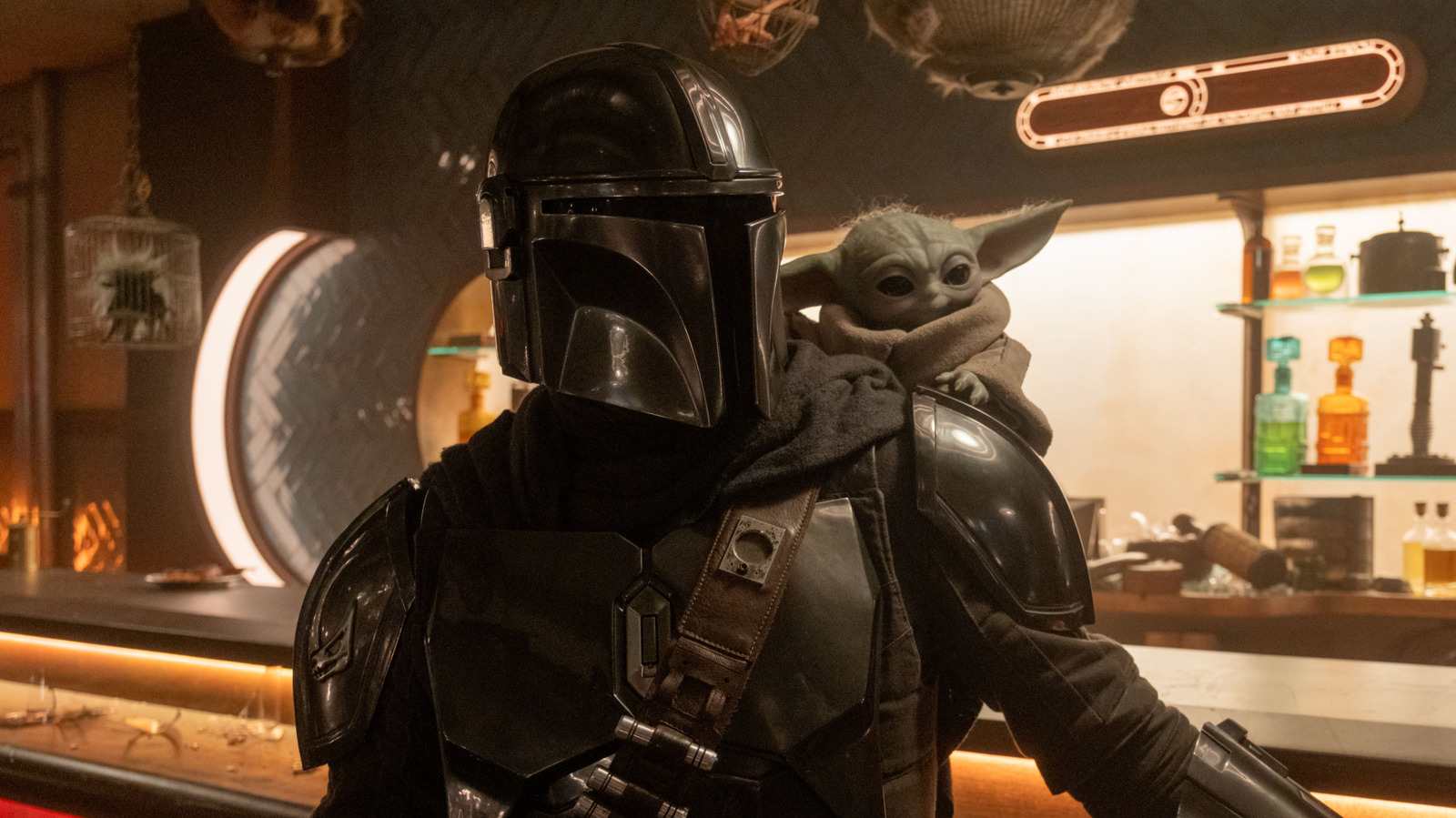
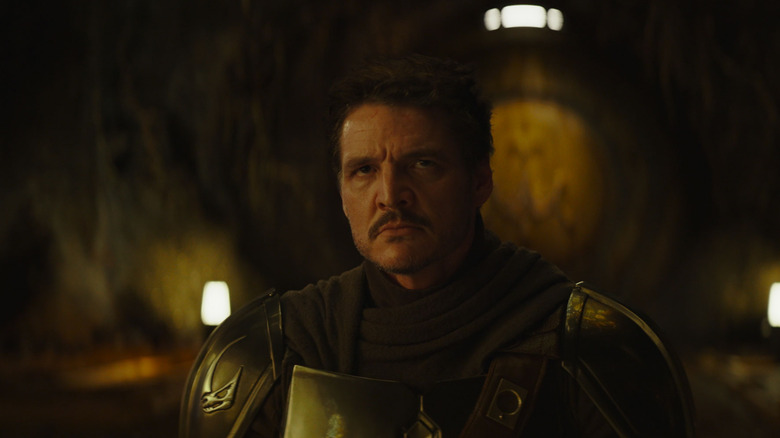
The journey of The Mandalorian from a flagship Disney+ series to a theatrical event is a testament to the character’s cultural longevity. Launched in 2019, the series—led by Pedro Pascal’s stoic bounty hunter Din Djarin and the breakout sensation Grogu—became the cornerstone of the Star Wars streaming strategy.
- 2019-2021: The first two seasons of The Mandalorian were met with universal acclaim, establishing a grounded, western-inspired aesthetic that resonated with both die-hard fans and casual viewers.
- 2023: The third season experienced a perceived dip in critical reception and viewership engagement, prompting internal discussions at Lucasfilm regarding the franchise’s trajectory.
- 2024-2025: Following the success of family-friendly hits like Lilo & Stitch and A Minecraft Movie, as well as the dominance of The Super Mario Galaxy Movie in early 2026, Disney identified an opportunity to bridge the gap between their streaming audience and the theatrical market.
- May 2026: The release of The Mandalorian and Grogu marks the culmination of this transition, positioning the duo as the bridge between the legacy of the original trilogy and the new era of Star Wars storytelling.
Box Office Projections and Market Realities
Current tracking from Box Office Theory suggests a domestic opening between $74 million and $90 million. When accounting for the Memorial Day holiday weekend, those figures could easily push past the $100 million mark. While these numbers might seem modest compared to the opening weekends of the Skywalker Saga films, they are incredibly robust by 2026 standards.
Historical context is vital here. In 2002, Attack of the Clones opened to roughly $80 million, a figure that was considered underwhelming at the time, yet the film displayed "long legs" at the box office, ultimately reaching a global total of $656 million. Lucasfilm would likely consider a similar trajectory for The Mandalorian and Grogu a significant victory. The goal isn’t to replicate the $2 billion heights of The Force Awakens, but to foster a healthy, profitable, and recurring theatrical presence.
The "Grogu Factor": Beyond Ticket Sales
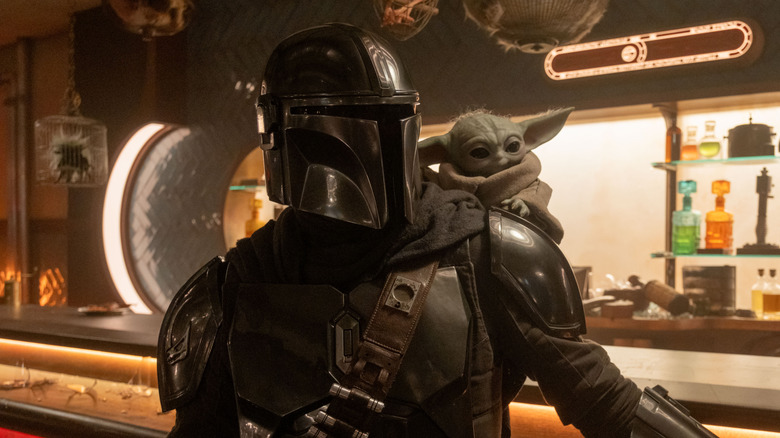
One of the most compelling arguments for why this film will be a "win" regardless of its box office tally is the immense power of its intellectual property. The Mandalorian is not just a show; it is a merchandise juggernaut.
The marketability of Grogu—affectionately known as "Baby Yoda"—is unparalleled. While Rogue One managed to turn two lines of dialogue into a billion-dollar hit, the retail potential of The Mandalorian and Grogu far exceeds that of any standalone Star Wars film. Between plush toys, interactive merchandise, and apparel, the long-term revenue generated by the characters will likely dwarf the film’s theatrical profits. This creates a safety net for Disney that most other studios simply do not possess.
Furthermore, the film serves to legitimize these characters for the global audience. While streaming platforms have massive reach, a theatrical release carries a specific prestige. By bringing Din Djarin to the big screen, Lucasfilm is cementing his status as a permanent, foundational figure in the Star Wars pantheon, ensuring his relevance for decades to come.
Implications for the Future of Star Wars
The shift toward a "reasonable" budget and a more focused scope suggests that the future of Star Wars will be defined by agility. By moving away from the pressure of "event-sized" budgets, Lucasfilm can experiment with different genres, tones, and storytelling formats without the existential dread of a potential box-office bomb.
The inclusion of powerhouse talent like Sigourney Weaver in the cast signals an intent to elevate the material, blending the gritty, grounded nature of the show with the high-production values of a legacy franchise. If The Mandalorian and Grogu performs as expected, it provides a template for future projects: lower risk, high brand loyalty, and a focus on character-driven narratives that don’t need to save the entire galaxy in every single installment.
Ultimately, The Mandalorian and Grogu is a litmus test for the modern era of blockbuster filmmaking. It asks whether a franchise can survive—and thrive—by favoring consistency and brand health over the volatile pursuit of records. If the reception remains positive, it will confirm that for Star Wars, the most successful path forward isn’t necessarily the biggest one, but the smartest one. As the credits roll on May 22, the real success story will not be found on a box office spreadsheet, but in the continued vitality of a galaxy that, after seven years, feels like it has finally come home.


 Pevita Pearce
 Asep Darmawan




