

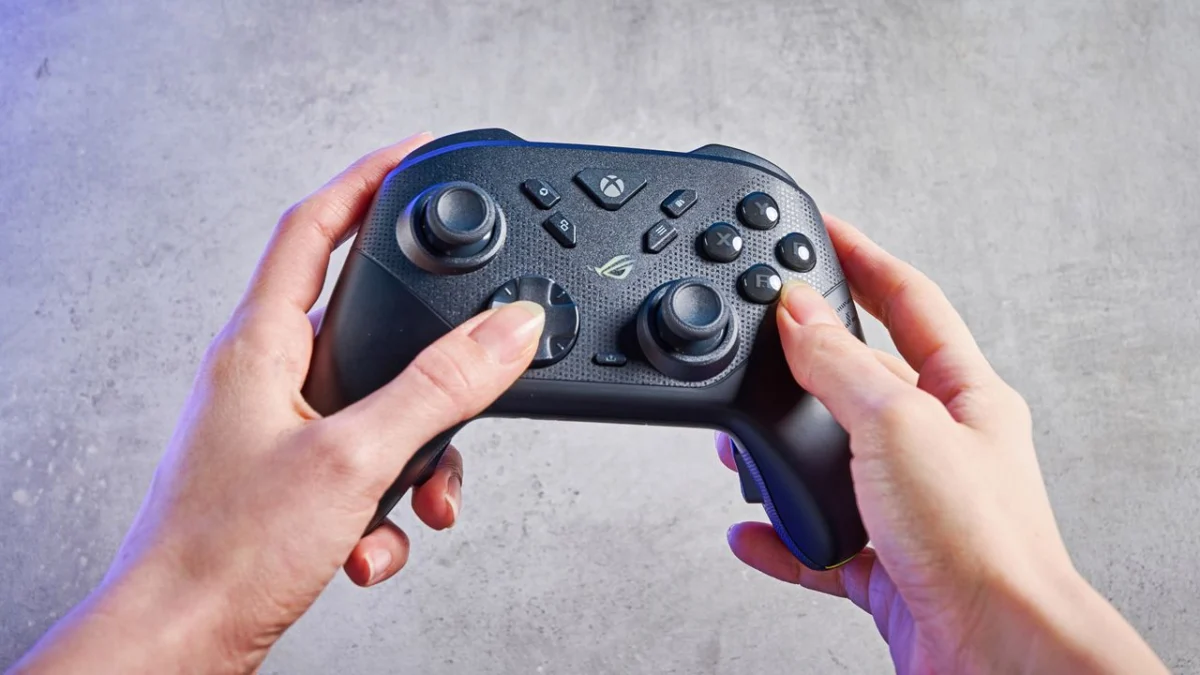
For years, the gold standard for competitive console gaming has been the first-party Xbox Elite Series 2. It has remained a staple in the peripheral market, favored for its weight, modularity, and premium feel. However, the landscape of gaming hardware is shifting rapidly. As drift-prone traditional analog sticks become a relic of the past, premium controller manufacturers are racing to integrate more durable, precise technology.
Enter the Asus ROG Raikiri II. After extensive testing across a variety of titles, it is clear that this controller is not merely a competitor to the Xbox Elite Series 2; it is a fundamental re-imagining of what a professional-grade gamepad should be. By integrating cutting-edge TMR (Tunnel Magneto Resistance) technology, Asus has effectively outclassed the current industry leader in both performance and longevity.
The Technological Leap: Why TMR Changes Everything
To understand why the ROG Raikiri II is making such significant waves in the enthusiast community, one must look at the "under the hood" innovation: Tunnel Magneto Resistance (TMR).
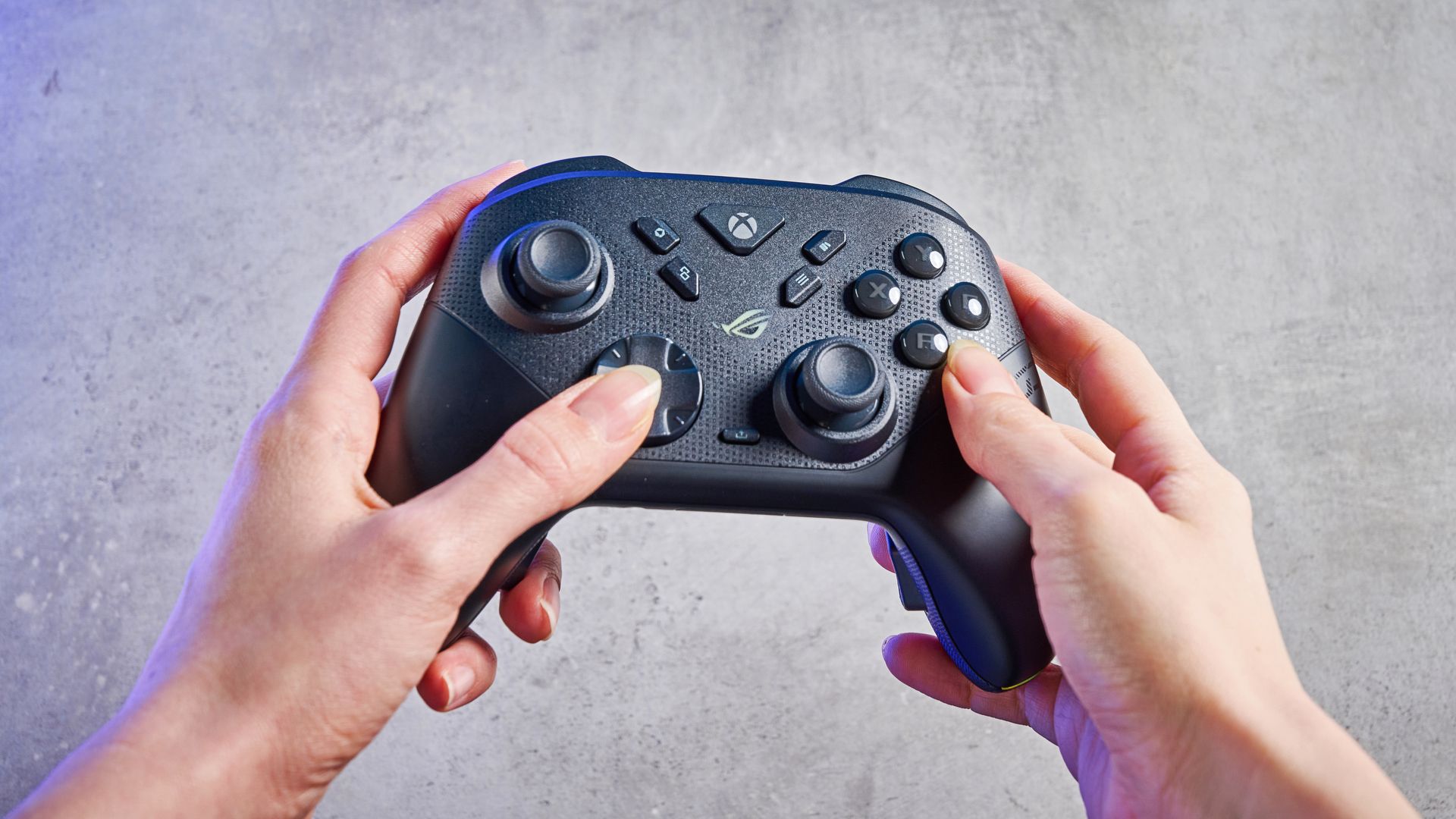
For decades, the gaming industry relied on potentiometers—analog components that measure position via physical contact. The inherent flaw in this design is wear and tear, which inevitably leads to "stick drift," where the controller registers input without the player touching the thumbsticks. While Hall Effect sensors were the first major solution to this problem, TMR represents the next evolution.
TMR sensors operate by measuring changes in resistance through magnetic tunnel junctions. Unlike standard analog sticks, these sensors use weak electromagnetic fields to register movement. This design eliminates physical friction, meaning the sticks will not degrade over time, effectively ending the threat of stick drift. Furthermore, because TMR can detect minute fluctuations in magnetic fields, the level of precision it offers is significantly higher than that of traditional analog sensors. This provides a tangible, competitive advantage, particularly in shooters or precision-based games where pixel-perfect accuracy is the difference between victory and defeat.
A Legacy of Precision: From Theory to Practice
While the technical specifications are impressive, the real-world application is where the Raikiri II truly shines. During testing with high-fidelity titles like Cyberpunk 2077 and high-speed simulation racers like F1 25, the controller’s superior hardware was immediately apparent.
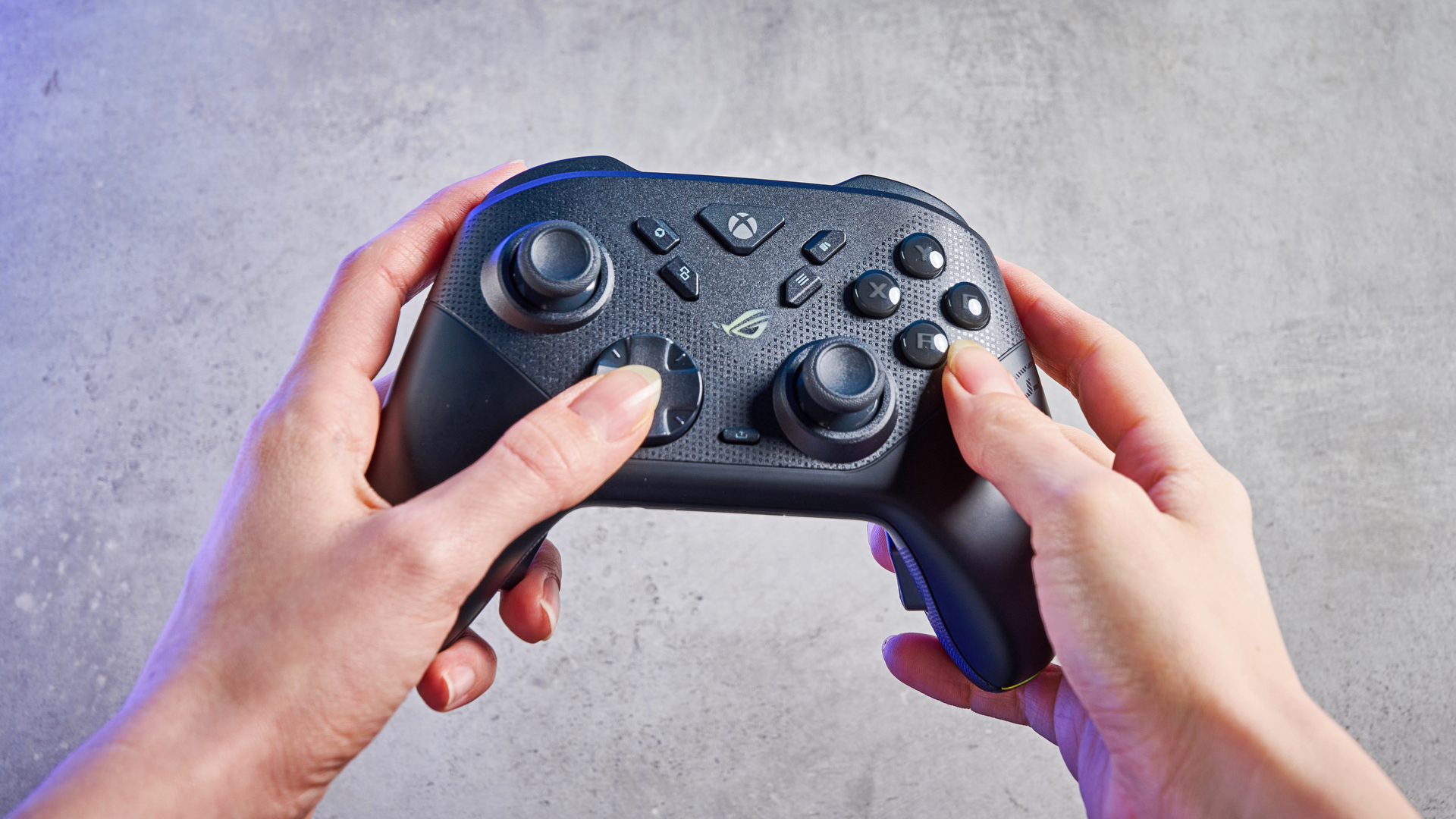
In Cyberpunk 2077, the ability to map inputs with surgical precision allowed for pinpoint accuracy when sniping. The TMR sticks registered the slightest of adjustments, allowing for a level of fluid aim tracking that felt remarkably closer to mouse-and-keyboard input than traditional controller setups. Similarly, in F1 25, the granular sensitivity provided by the TMR sensors allowed for delicate steering corrections while navigating tight corners at high speeds, a feat that often proves difficult on controllers with less refined sensors.
Beyond the Sticks: The Trigger Revolution
The Raikiri II does not stop at the thumbsticks; it carries its innovation over to the triggers. In a groundbreaking move, Asus has become the first manufacturer to implement TMR sensors into the triggers themselves.
The utility of this design is immediately obvious to any enthusiast. Through the onboard software, players can toggle between short, "clicky" trigger travel and long, analog-style pulls. For competitive FPS players, the short-travel mode allows for rapid-fire inputs that mimic the responsiveness of a mouse click. Conversely, the long-travel mode provides the necessary nuance for throttle control in racing games. This versatility, combined with the extreme durability of the TMR sensors, ensures that the controller remains consistent over thousands of hours of gameplay.
Competitive Comparison: Raikiri II vs. Xbox Elite Series 2
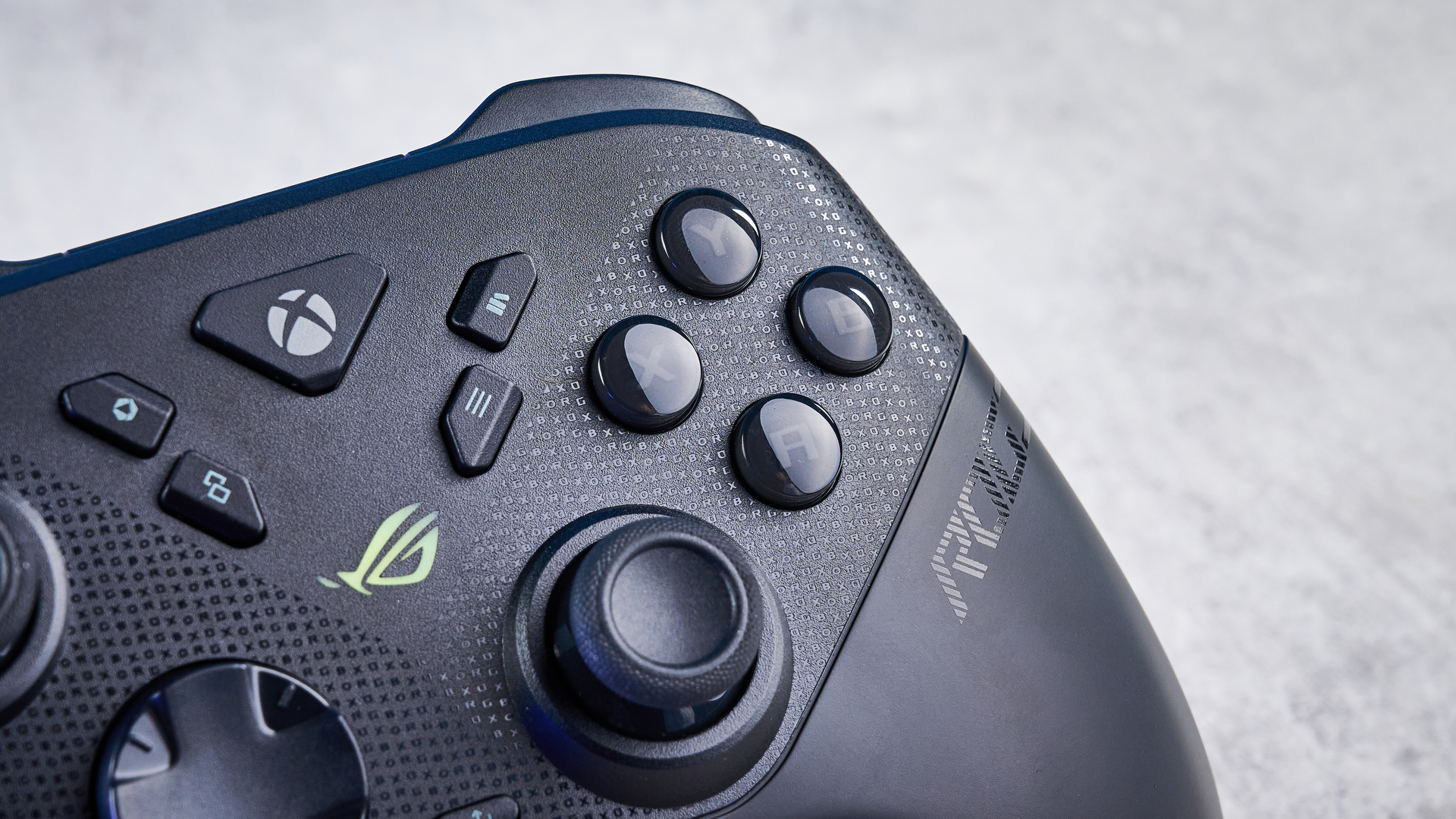
When placing the Asus ROG Raikiri II side-by-side with the Xbox Elite Series 2, the disparity becomes clear. While the Elite Series 2 is a well-built device, it remains shackled by legacy analog stick technology, which remains a glaring oversight in a controller marketed for "Elite" players.
Key Performance Metrics:
- Sensor Technology: The Raikiri II utilizes TMR for both sticks and triggers. The Elite Series 2 uses traditional analog sticks, which are susceptible to mechanical wear.
- Battery Life: The Raikiri II boasts a robust 50-hour battery life, outlasting the Elite Series 2 by a notable 10 hours.
- Customization: Through the Asus Gear Link software, the Raikiri II offers a deeper level of remapping and sensitivity adjustment compared to the standard Xbox Accessories app.
- Included Accessories: The inclusion of a high-quality charging dock in the box adds significant value, providing a dedicated space for the controller to rest and charge—a feature often sold separately for other premium pads.
The Cost of Excellence
The Asus ROG Raikiri II retails for approximately $189 (£180). While this is undoubtedly a premium price point, it is crucial to view this through the lens of value. Not only is it priced $10 lower than the MSRP of the Xbox Elite Series 2, but the inclusion of TMR sensors means the controller is likely to last significantly longer. When you factor in the cost of replacing or repairing a drift-prone controller, the initial investment in the Raikiri II is arguably more economical over the long term.
Implications for the Peripheral Market
The release of the Raikiri II sends a clear message to the industry: the era of the analog-stick controller is coming to a close. As players become more aware of the benefits of Hall Effect and TMR technology, the demand for "premium" controllers that still rely on outdated potentiometer technology will likely plummet.
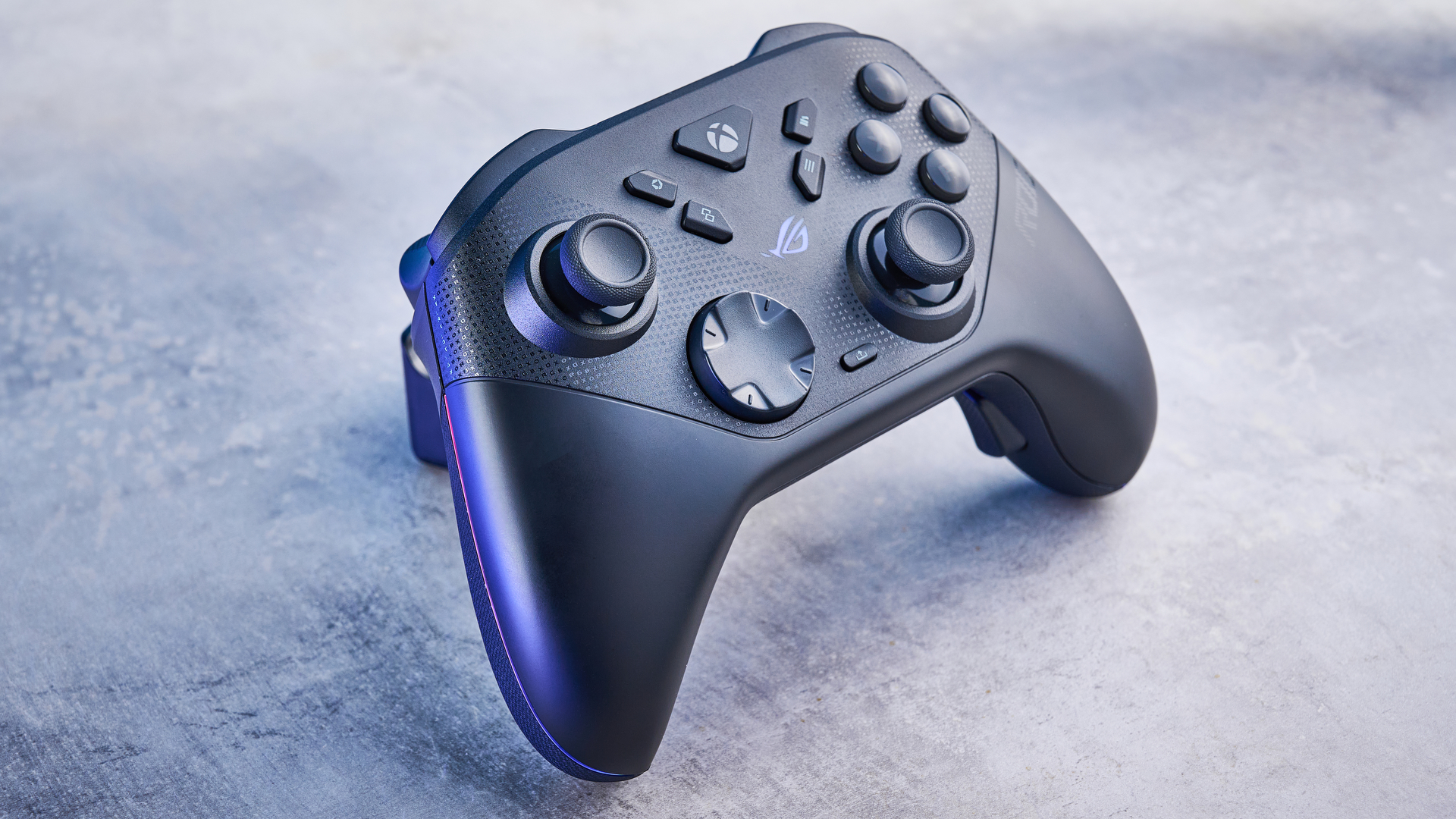
We are entering a phase where "pro" status is no longer defined by weight, metal components, or magnetic back paddles, but by the reliability and precision of the underlying sensor technology. Manufacturers like Asus, by pushing the envelope, are forcing first-party giants like Microsoft and Sony to rethink their future hardware iterations. If a third-party manufacturer can provide a controller that is more accurate, more durable, and more customizable than the official "pro" alternative, the market will inevitably follow.
Final Verdict: Is It Time for an Upgrade?
The transition to a new controller is always a significant decision for a gamer, particularly given the muscle memory built over years of using familiar layouts. However, the benefits offered by the Asus ROG Raikiri II are simply too substantial to ignore.
The combination of TMR-driven precision, industry-leading trigger versatility, and a robust battery life makes it the most compelling controller on the market today. For those who play competitively, or for those who are simply tired of the inevitable frustration of stick drift, the Raikiri II represents the current peak of gaming hardware.
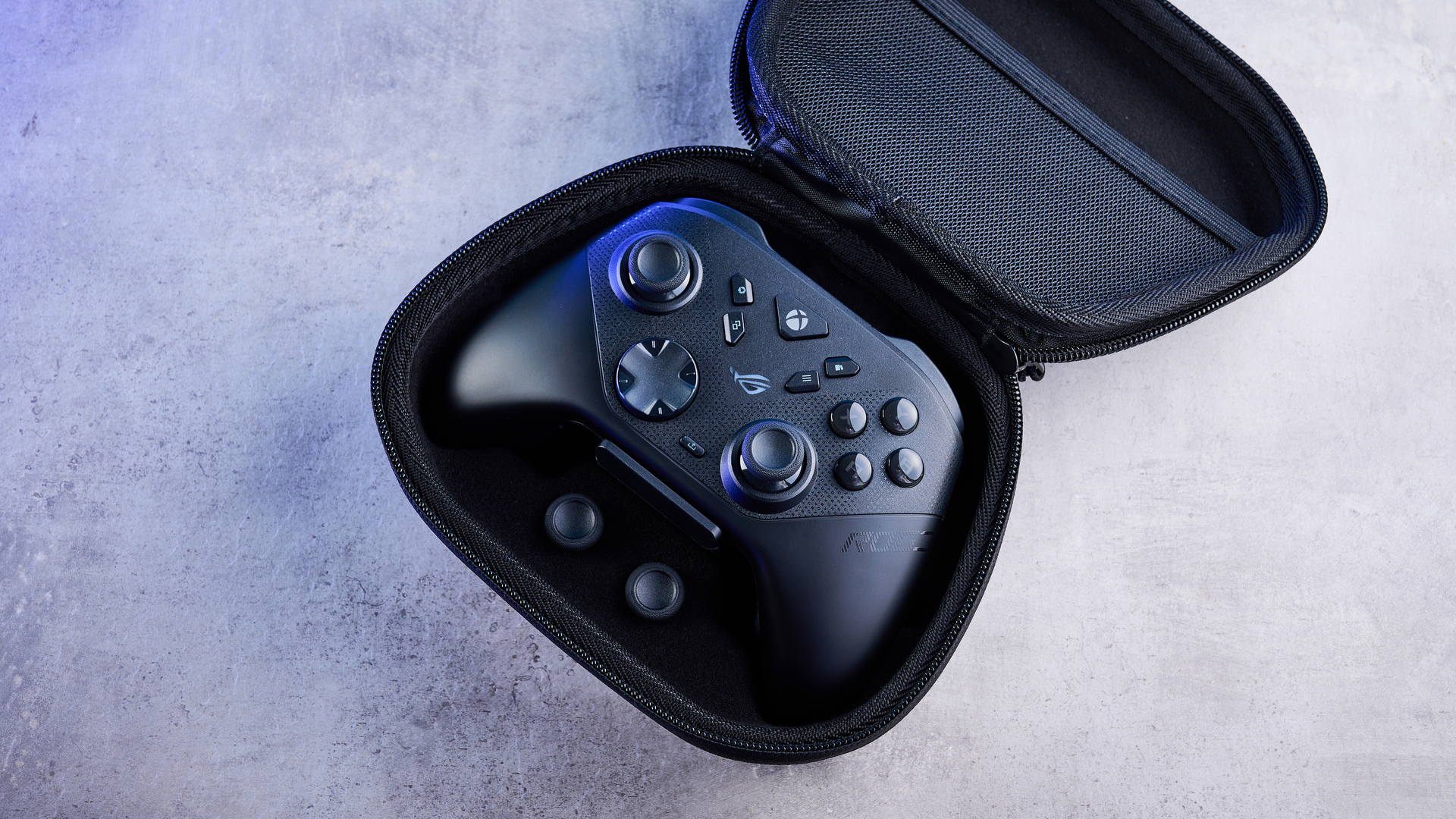
While the Xbox Elite Series 2 remains a solid piece of hardware, it now feels like a device from a previous generation. For the gamer who demands the best—and who wants to ensure their investment remains functional for years to come—the Asus ROG Raikiri II is not just a recommendation; it is the new benchmark for excellence.
As we look toward the future of interactive entertainment, the importance of reliable, high-fidelity input devices cannot be overstated. With the Raikiri II, Asus has proven that when it comes to the connection between the player and the game, the technology behind the thumbstick is the most important factor of all.












No comments yet. Be the first to join the conversation!