
 Suro Senen
The digital architecture of business-to-business (B2B) marketing is undergoing a seismic shift. As we transition into 2025, the once-rigid divide between corporate communication and human-centric storytelling has effectively dissolved. For B2B organizations, social media is no longer merely a distribution channel for white papers or company announcements; it is the primary arena for building brand equity, establishing thought leadership, and nurturing long-term customer relationships.
Drawing from insights shared on the Social Pros podcast and the latest industry benchmarks from the Netline B2B Content Consumption Report, it is clear that the brands winning in 2025 are those that prioritize authenticity over automation and value over volume.
The Evolution of the B2B Landscape: Main Facts
The primary takeaway for marketing leaders entering the new year is that B2B buyers are behaving more like B2C consumers. They are conducting independent research, seeking out peer reviews, and favoring brands that demonstrate genuine expertise and emotional intelligence.
Key pillars defining the 2025 landscape include:
- The "Humanization" of B2B: Moving away from sterile, corporate jargon in favor of relatable, narrative-driven content.
- Platform Diversification: Moving beyond LinkedIn-only strategies to embrace TikTok, Instagram, and YouTube as viable lead-generation ecosystems.
- Strategic AI Integration: Utilizing machine learning not to replace human creativity, but to scale efficiency and provide deeper analytical insights.
- Influencer Credibility: Leveraging niche industry experts to bridge the gap between complex products and prospective buyers.
A Chronological Shift: How We Arrived Here
To understand the current mandate, one must look at the recent trajectory of B2B digital interaction.
- 2022-2023 (The Content Glut): The market saw an explosion of digital content. With everyone publishing, the "noise" increased, leading to lower engagement rates and a crisis of trust.
- 2024 (The Quality Pivot): The Netline B2B Content Consumption Report highlighted a significant pivot. Data indicated that buyers were no longer satisfied with "gated" fluff; they demanded high-value, personalized educational content that addressed specific operational challenges.
- 2025 (The Authentic Connection): We are now entering an era where the delivery of the content matters as much as the content itself. Short-form video, executive branding, and community-led growth are the primary tools used to combat digital fatigue.
Supporting Data and Evidence
The necessity of these shifts is backed by hard metrics. According to recent industry analysis, 72% of B2B marketers have reported tangible success in lead generation through short-form video content—a format previously dismissed by traditionalists as "too casual" for the B2B sector.

Furthermore, case studies like Oracle’s "On the Fly" series demonstrate the efficacy of influencer partnerships. By collaborating with 30 key B2B influencers, Oracle was able to penetrate niche communities that traditional paid ads often fail to reach, proving that trust is often "rented" through established voices before it is "earned" by the brand directly.
Official Perspectives: Expert Insights
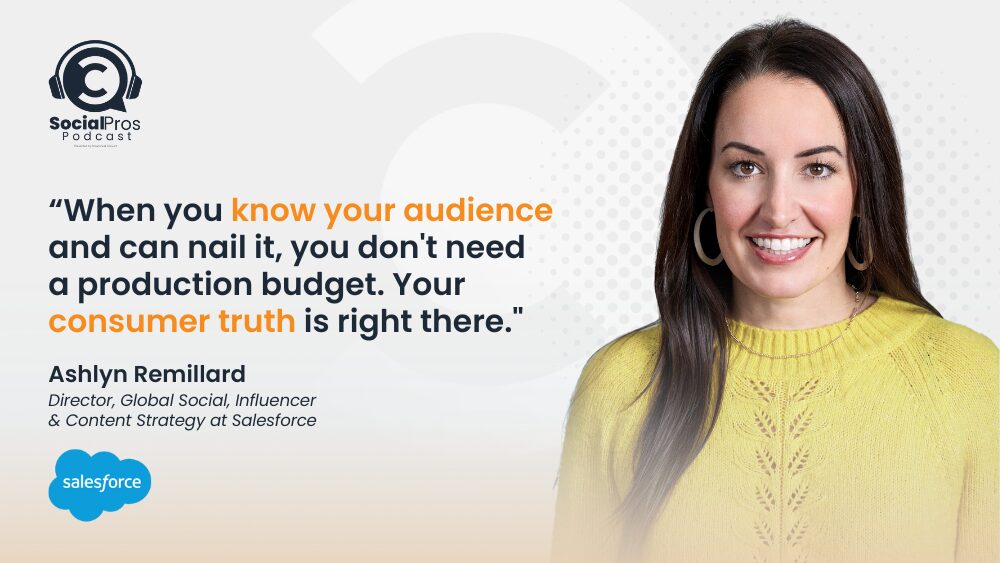
In a recent episode of the Social Pros podcast, experts from Convince & Convert emphasized that the "consumer truth" is the most valuable asset a brand possesses. Ashlyn Remillard of Salesforce noted, "When you know your audience, and can nail it, you don’t need a production budget. Your consumer truth is right there."
This sentiment is echoed across the industry: the most successful B2B campaigns of 2025 are not those with the highest production value, but those that show the most profound understanding of the customer’s daily pain points. Whether it is a raw, unedited video of an engineer solving a problem or an executive sharing a "lessons learned" post on LinkedIn, the market is rewarding transparency.
Deep Dive: The Four Pillars of 2025 Strategy
1. Authenticity as a Competitive Edge
The era of the "faceless corporation" is over. Brands must now showcase their values, internal culture, and even their failures. By being transparent about challenges, companies build a level of trust that corporate PR simply cannot manufacture. This creates an emotional hook that keeps the brand top-of-mind during long B2B sales cycles.
2. The Video Dichotomy: Short vs. Long-Form
Video is the undisputed king of engagement, but it must be applied correctly:
- Short-Form (TikTok, Reels, Shorts): Ideal for brand awareness, quick tips, and humanizing the team. It is the top-of-funnel engine that draws prospects into the ecosystem.
- Long-Form (Webinars, YouTube Deep Dives): The engine of trust. These assets are essential for product demos, case studies, and thought leadership. They provide the depth required for decision-makers to justify a purchase.
3. The New Age of Thought Leadership
Thought leadership is no longer about white papers that summarize industry news. It is about perspective. Executives and subject matter experts are now the face of the brand. When a company leader shares a unique, contrarian, or highly informed view on LinkedIn, they are essentially providing a shortcut for prospects to verify the brand’s expertise.
4. AI: The Efficiency Multiplier
AI is transforming the B2B social media landscape by:
- Predictive Analytics: Helping marketers identify which content trends are rising before they peak.
- Campaign Optimization: Automating the A/B testing of ad copy and post timing.
- Resource Management: Allowing smaller teams to produce the high volume of content required to stay competitive in an algorithm-heavy environment.
Strategic Implications for Your Brand
For marketing teams, the implications are clear: The cost of doing nothing is stagnation. If your brand is still operating on a 2020-era social media playbook, you are likely missing out on critical conversion opportunities.
How to Navigate the Year Ahead:
- Audit Your Content: Is it helpful, or is it just noise? Shift your focus toward addressing the specific, recurring pain points your customers face.
- Invest in Personal Brands: Encourage your subject matter experts to be active on social channels. Their personal authority will eventually reflect on the company.
- Embrace Experimentation: If you haven’t tested short-form video or influencer partnerships yet, 2025 is the time to start.
- Prioritize AI Readiness: Develop an internal framework for how AI will support, not replace, your creative process.
Conclusion: The Path to Meaningful Engagement
As we move further into 2025, the B2B social media environment will continue to reward those who prioritize the human element. The trends of authenticity, video-first communication, and influencer-led credibility are not passing fads; they are the new standard for business communication.
By aligning your social media strategy with these core principles, you are not just posting content—you are building a bridge between your company’s solutions and the people who need them most. The transition to this new model of marketing requires courage, creativity, and a commitment to genuine connection. For brands willing to adapt, the rewards—in the form of stronger relationships, better lead quality, and sustained growth—are well within reach.
For those seeking to refine their strategy, expert consultation remains the most effective way to navigate these shifts. Whether you are looking to overhaul your content pillars or integrate AI into your daily workflows, aligning with the right strategic partners can provide the clarity and expertise needed to thrive in an increasingly complex digital world.


 Azzam Bilal Chamdy
 Sagoh
Sagoh





