Raul Delapena Setiawan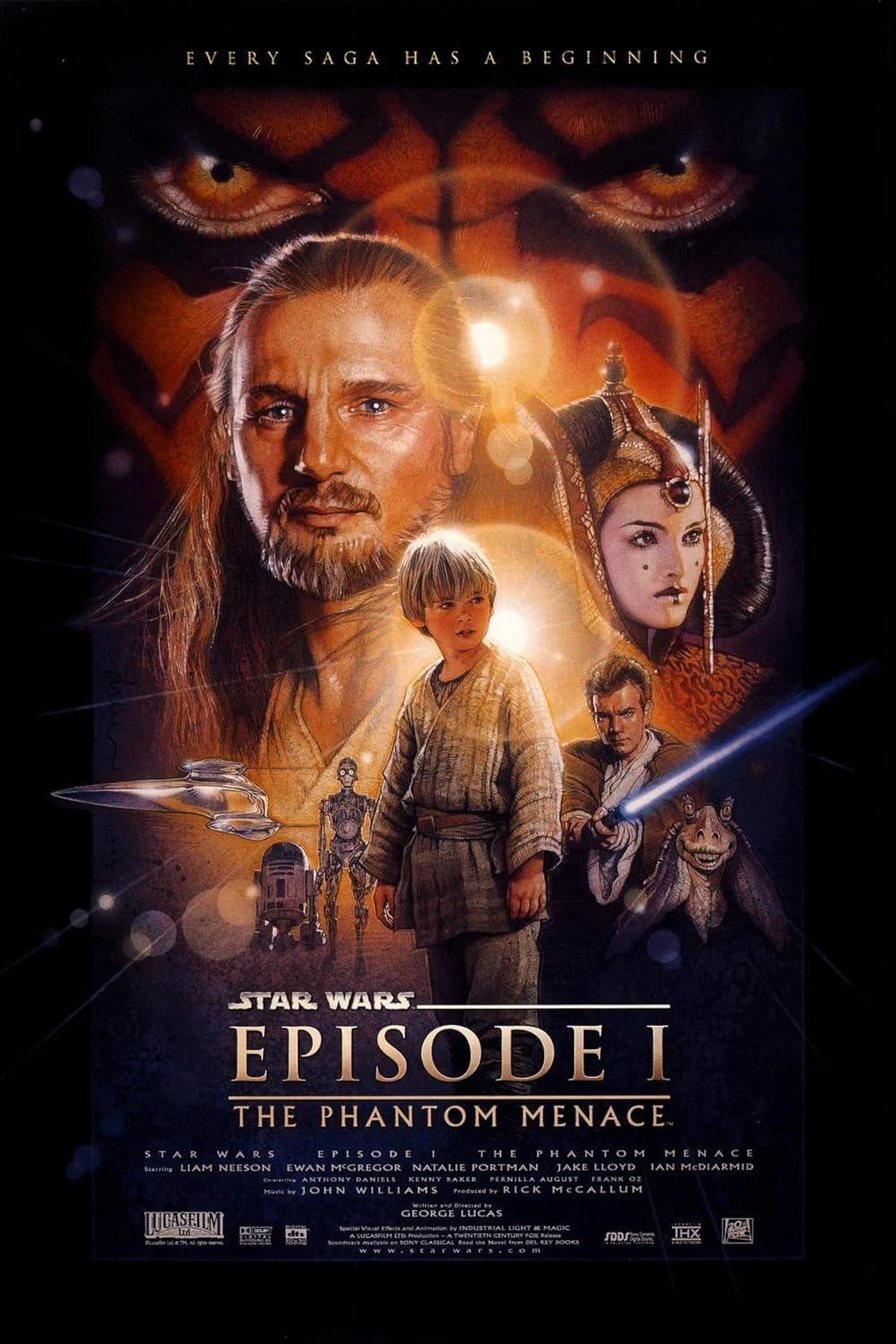
As the spring of 2026 reaches its mid-point, the cultural landscape for speculative fiction enthusiasts remains as vibrant as ever. From the reassessment of the literary canon to the nostalgic ripples of cinematic history and the rapid evolution of modern fandom, this week’s news cycle highlights a community in constant motion. Below is a comprehensive look at the developments shaping the world of science fiction and fantasy.
I. The Literary Canon: Re-evaluating the "Best"
The Guardian recently sparked significant debate with the publication of its definitive list of the "100 Best Novels of All Time." Curated not by a single editorial board, but through an extensive poll of 172 authors, critics, and academics, the list offers a fascinating snapshot of what the literary establishment currently values.
A Genre-Inclusive Canon
Science fiction and fantasy were well-represented, proving that the lines between "genre" and "literature" continue to blur. Key titles appearing on the list include:
- The Modern Classics: Nineteen Eighty-Four (16), The Handmaid’s Tale (36), and The Metamorphosis (48).
- The Speculative Giants: Frankenstein (30), The Left Hand of Darkness (89), and Dracula (76).
- Contemporary Echoes: Never Let Me Go (59), Kindred (71), and The Road (98).
While the list provides a robust starting point for readers, it also serves as a reminder of the subjectivity inherent in such rankings. Notably, the online presentation of the list—which featured a bizarre mislabeled headshot of Salman Rushdie—has drawn quiet amusement from the community, serving as a reminder that even the most prestigious publications are prone to the odd digital error.
II. Chronology of Speculative Growth: A Decade of SFT
This week marks the tenth anniversary of Speculative Fiction in Translation (SFT), a project spearheaded by Rachel S. Cordasco. Over the past decade, the site has served as a vital bridge for Anglophone readers to access global voices in speculative fiction.
A Legacy of Global Connection
The history of SFT is one of dedicated grassroots movements. It traces its lineage back to the 1970s, starting with Japan’s International Symposium on Science Fiction, and the founding of "World SF" by genre luminaries Brian Aldiss, Harry Harrison, and Frederik Pohl.

Cordasco’s work, including her 2021 text Out of This World, has been instrumental in codifying the history of these translations. The landscape has changed significantly in ten years:
- Institutional Recognition: Both Locus and the British Science Fiction Awards have introduced specific categories for translated works.
- Academic Rigor: Scholars such as Dale Knickerbocker and Ian Campbell have provided the academic scaffolding necessary to treat SFT with the seriousness it deserves.
- Output Volume: The market has exploded, with 90 long-form speculative fiction works in translation published in 2025 alone.
The SFT website continues to serve as an indispensable repository, offering bibliographical lists, interviews, and deep dives into regional traditions from Hebrew to Chinese speculative fiction.
III. Media Trends and Fandom Dynamics
Fandom engagement remains a dominant force in digital culture, often taking the form of "battle" brackets and social media campaigns.
The Pluto TV "Battle of the Fandoms"
In a testament to the enduring power of classic television, Pluto TV’s annual "Battle of the Fandoms" concluded this week. The bracket-style tournament, which engaged fans across Facebook, Instagram, and TikTok, saw Star Trek emerge as the overall victor on Facebook, successfully navigating a field that included Doctor Who, Farscape, and Twin Peaks. The final showdown against The X-Files highlighted the persistent, decades-long rivalry between two of the most influential franchises in science fiction history. Interestingly, the outcome varied significantly by platform, with The X-Files claiming victory on Instagram, proving that fan demographics are as varied as the platforms they inhabit.
The "Hail Mary" Effect
In the world of literature and film synergy, Andy Weir’s Project Hail Mary has officially been crowned the most popular science fiction book of the decade by Goodreads. With over 3 million "shelvings" and a 4.51-star average rating, the book’s dominance is bolstered by its successful 2026 film adaptation. The data suggests that cross-media accessibility is a major driver of engagement, with many fans citing the film as the catalyst for their interest in the source material.
IV. Cinematic Reflections: Past, Present, and Future
The intersection of film and fiction continues to provide both controversy and nostalgia.

The Persistence of Physical Media
Director Peter Jackson has spoken out regarding the decline of physical media, describing it as a "real shame." Jackson, who famously championed the extensive behind-the-scenes content on The Lord of the Rings DVDs, argues that the move to purely streaming platforms has resulted in the loss of deep-dive content that once inspired a generation of filmmakers. For collectors, the physical artifact—from the Gates of Argonath bookends to limited-edition replicas of the Crown of Gondor—remains a way to maintain a tangible connection to the stories they love.
The "Phantom Menace" Retrospective
Twenty-seven years after its initial release, The Phantom Menace remains a lightning rod for debate. Writing for the community, Paul Weimer reflected on the excitement of the 1999 premiere—a moment of pure cultural electricity—contrasted with the modern critical consensus. The film serves as a cautionary tale about the weight of expectation and the difficulty of capturing "magic" when franchise building takes precedence over narrative cohesion.
Grogu’s Red Carpet Moment
On the lighter side of cinema, the premiere of The Mandalorian and Grogu saw the titular animatronic "Baby Yoda" steal the spotlight from stars like Pedro Pascal and Sigourney Weaver. The incident highlights the shift toward practical effects and character-driven marketing, where the "star" of the show can be a creature that exists as much in the physical world as it does on screen.
V. Implications: The State of the Genre
As we look toward the future, several implications arise from this week’s developments:
- The Rise of Global Narratives: With the continued growth of translated speculative fiction, the "Anglophone-centric" view of the genre is rapidly diminishing. This decentralization of storytelling will likely lead to more diverse tropes and narrative structures in the coming years.
- The Death of the "Director’s Commentary": As physical media fades, the industry faces a challenge: how do we preserve the "making-of" culture that Jackson noted was so vital for aspiring artists? Digital extras are often siloed or omitted, risking the loss of technical history.
- Short-Form Accessibility: The success of initiatives like the Sci-Fi London film festival—offering short films online for a flat fee—suggests that the appetite for niche, short-form content is high, provided it is accessible and fairly priced.
A Moment of Mourning
Finally, the community continues to honor the late Ian Watson. Lisa Tuttle’s recent obituary in The Guardian reminds us of a writer who refused to stick to a formula, moving effortlessly between the complexities of linguistics and the "lurid, Gothic fun" of franchise fiction. His legacy, like that of the genre itself, is one of constant inquiry, playfulness, and a refusal to be constrained by boundaries.
This report was compiled with contributions from Kathy Sullivan, Steven French, Mike Kennedy, Evelyn C. Leeper, Ellen Datlow, Andrew Porter, John King Tarpinian, Cat Eldridge, Jonathan Cowie, Chris Barkley, and Mark Roth-Whitworth.


 Basiran
 Pevita Pearce