

In the high-stakes world of Marvel Comics, the line between visionary innovation and existential catastrophe has always been razor-thin. As we approach the release of Iron Man #5 on May 13, 2026, readers are set to witness a pivotal chapter in the ongoing saga of Tony Stark. Written by Joshua Williamson with art by Carmen Carnero, this issue promises to push the Armored Avenger to his breaking point. The narrative conflict is not merely physical; it represents the ultimate fear of the technological age: the realization that one’s own intellectual contributions have been repurposed to facilitate one’s own demise.
The Core Conflict: A Legacy Turned Weaponized
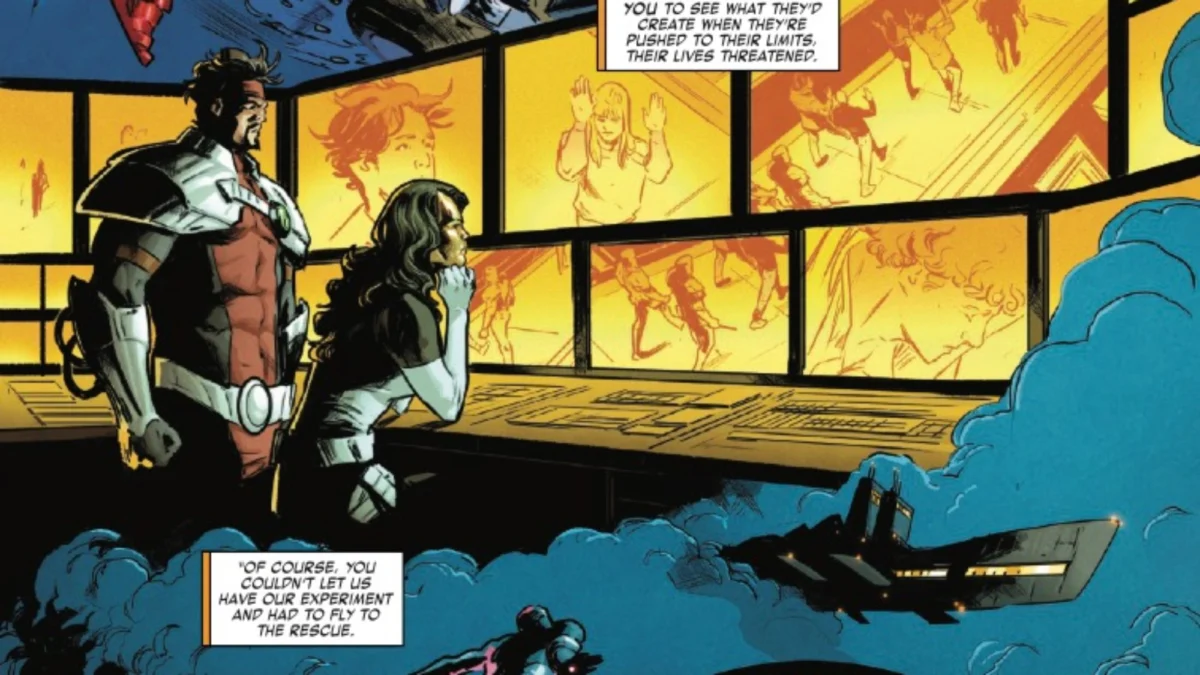
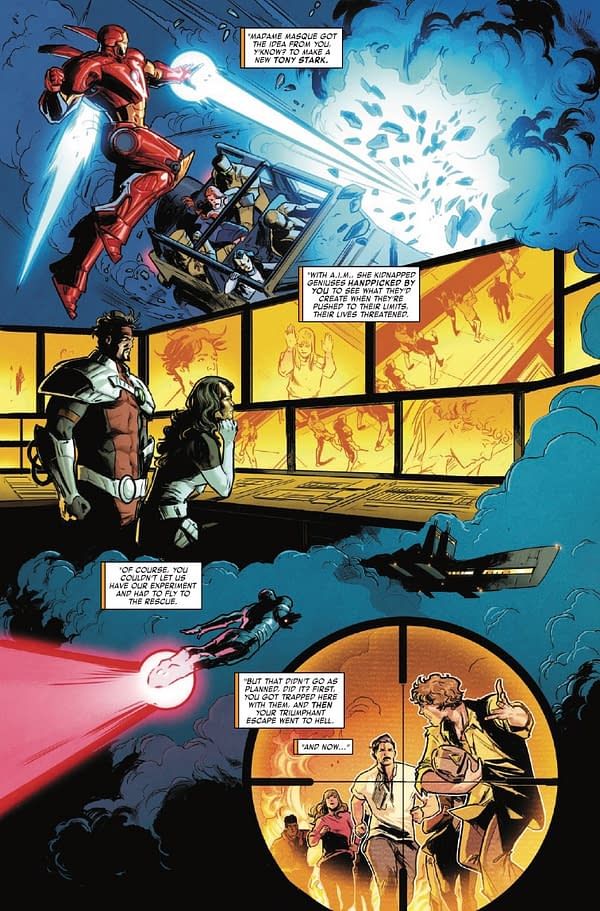
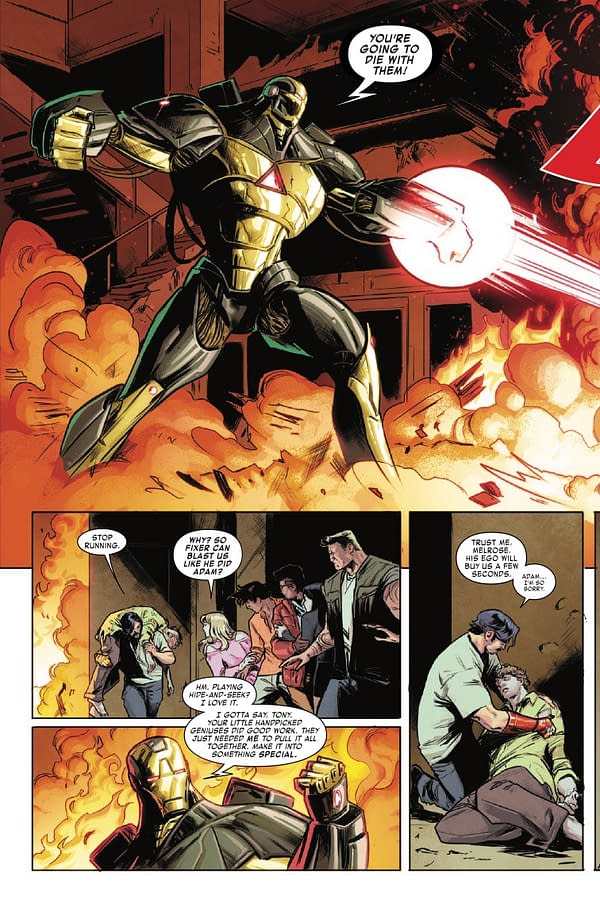
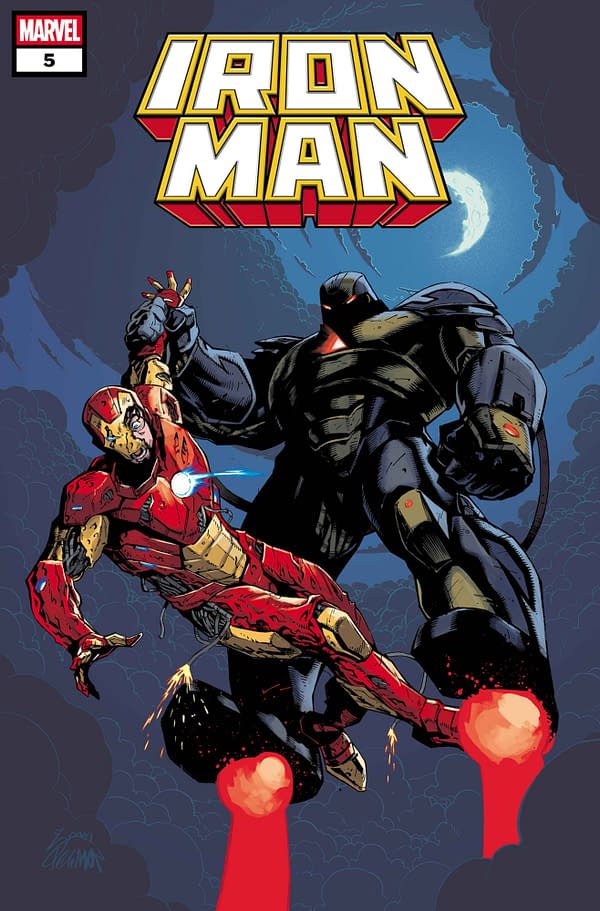
The central tension in Iron Man #5 revolves around the collaborative efforts of two of Tony Stark’s most persistent adversaries: Madame Masque and the Advanced Idea Mechanics (A.I.M.). According to official solicitations, these villains have successfully synthesized a new battle armor derived directly from the technology pioneered by the "new Tony Stark."
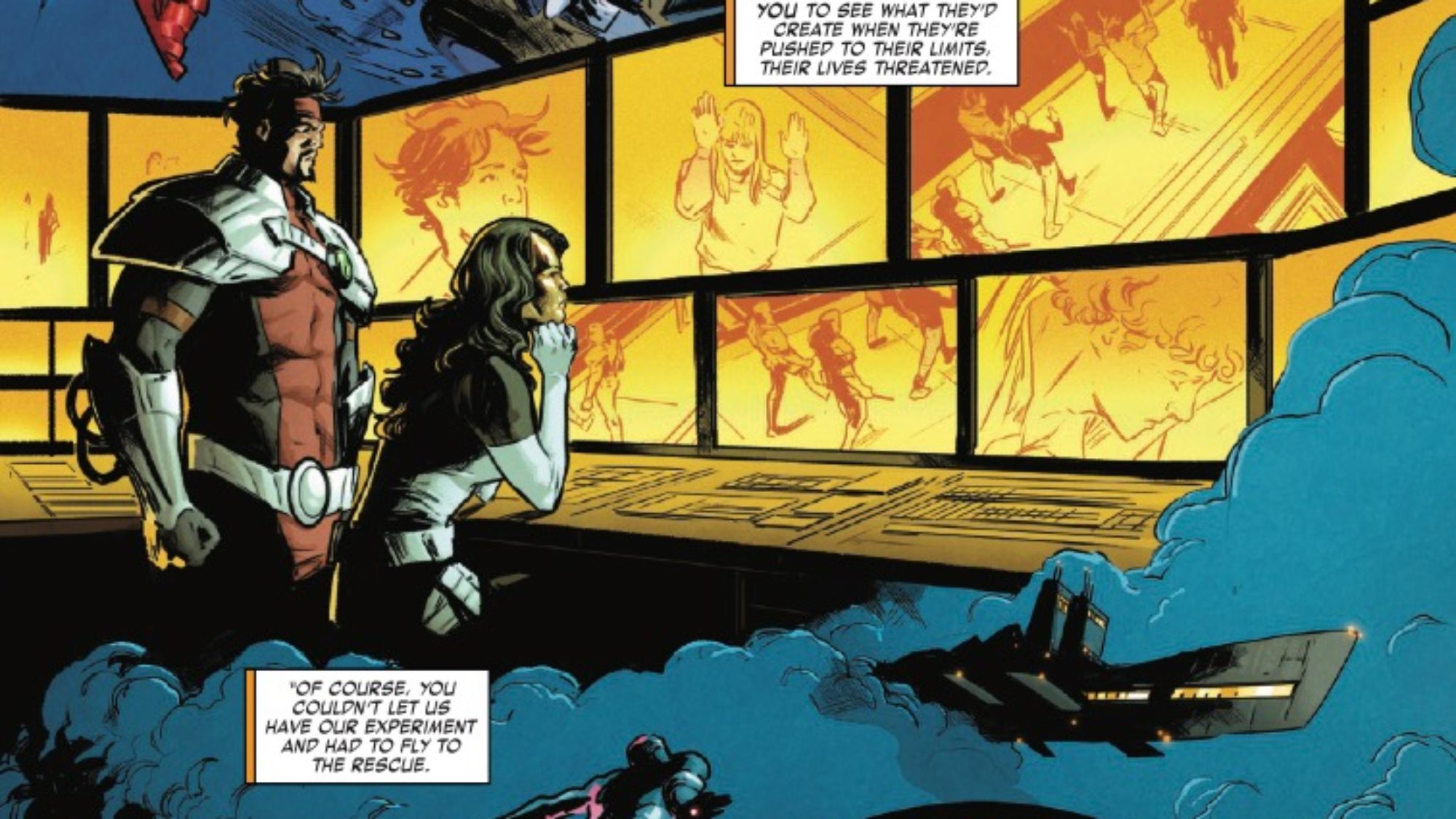
This technological theft serves as a dark mirror to Stark’s own career. Throughout his history, Stark has grappled with the morality of his inventions, famously shuttering his munitions division to pivot toward clean energy and advanced robotics. However, in this upcoming arc, that arc of redemption is challenged by a cold, calculating machine intelligence that possesses the tactical superiority of Stark’s engineering but lacks his human conscience. The armor is not just an imitation; it is an evolution, specifically designed to hunt and neutralize the man who laid its architectural foundations.
Chronology of the Current Iron Man Narrative
To understand the stakes of Iron Man #5, one must look at the recent trajectory of Tony Stark’s life. Over the preceding issues, Stark has navigated a landscape of shifting alliances and rapid-fire technological breakthroughs.
- The Inception: Stark’s recent developments in armor modularity and AI integration—meant to push the boundaries of human-machine interaction—provided the exact schematics required for his enemies to bridge the gap in their own R&D.
- The Infiltration: A.I.M., always opportunistic, successfully gained access to these private data streams. By combining their own resources with the "new" technology, they created a prototype that effectively bypasses Stark’s current security protocols.
- The Confrontation: The preceding issues established the growing physical threat of this armor. Iron Man #5 serves as the climax of this escalation, where the reality of the threat forces Stark to confront his own psychological demons. He is not just fighting a suit of armor; he is fighting a manifest version of his own "nightmares."
- The Future Threat: The solicitation notes that even if Stark survives this encounter, he is destined to witness the "creation of his newest enemy." This suggests that the battle against the armor is merely the inciting incident for a larger, more systemic conflict that will define the character’s direction for the remainder of the year.
Supporting Data and Technical Specifications
Iron Man #5 is a 32-page standard format comic, carrying a "T+" rating, indicating it is suitable for teens and older. The release is accompanied by a robust selection of variant covers, a common practice in modern comic publishing that caters to both collectors and fans of specific artistic styles.
Publication Details:
- Release Date: May 13, 2026
- Creative Team: Joshua Williamson (Writer), Carmen Carnero (Artist)
- Cover Art: Ryan Stegman
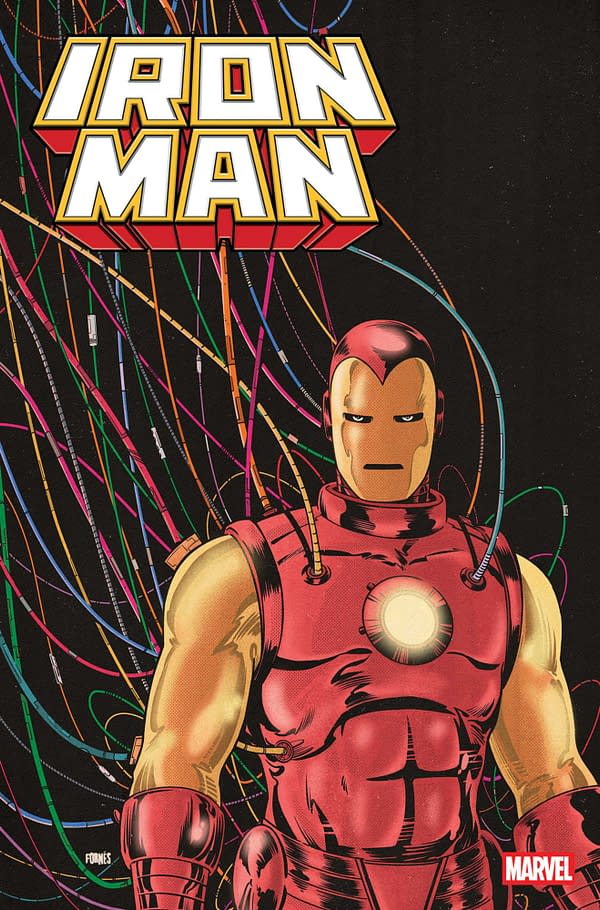
- Variant Artists: Jorge Fornes, Kevin Glint (Magic: The Gathering theme), Whilce Portacio, Mike McKone, and Geoff Shaw.
The inclusion of high-profile variants, including a "Magic: The Gathering" collaboration and a "What If…?" themed cover, highlights the importance Marvel places on this specific narrative arc. The investment in multiple aesthetic iterations suggests that the events of this issue are considered a "must-read" milestone for the Marvel Universe at large.
Implications: The Ethics of Artificial Intelligence
The plot of Iron Man #5 serves as a contemporary reflection of real-world anxieties regarding the rapid acceleration of Artificial Intelligence. When a creator is hunted by their own creation, it evokes the classic tropes of Mary Shelley’s Frankenstein or the more modern warnings of tech leaders regarding "runaway" AI.
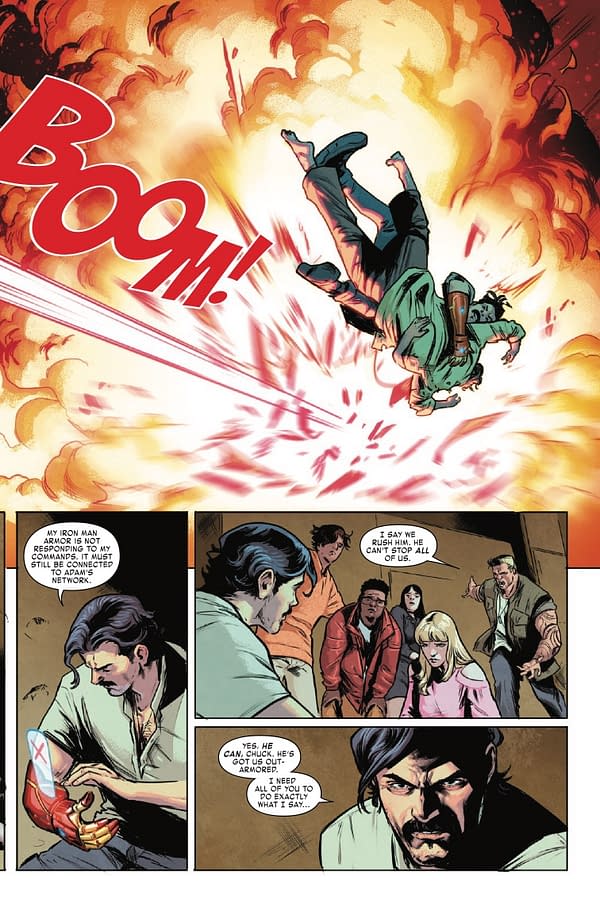
For Tony Stark, the failure of his own armor is a deeply personal blow. His brand is built on reliability and total control over his environment. When that environment turns hostile, and his equipment—the very extension of his will—malfunctions or turns against him, he is stripped of his primary defense mechanism. This creates a narrative vulnerability that forces Stark to rely on his wits and intuition rather than his hardware.
The implication here is that the future of the Iron Man mythos may involve a shift away from reliance on high-tech solutions toward a more grounded, human-centric form of heroism. If the "smartest" tools are the ones most easily corrupted, then true strength must be found elsewhere.
The Role of the Antagonists: A.I.M. and Madame Masque
Madame Masque’s involvement provides a layer of personal vendetta to the story. Her history with Stark is complex, characterized by cycles of obsession and betrayal. Her partnership with A.I.M. suggests a shift in her methods; she is no longer relying solely on her own skills or the resources of the Maggia crime family. By aligning with the scientific rigor of A.I.M., she has effectively upgraded her threat level to that of an existential menace.
A.I.M., meanwhile, represents the industrial-military complex gone rogue. Their interest in the armor is not purely about destroying Stark; it is about commercializing and weaponizing the next generation of warfare. The "advanced" nature of the armor implies that this is a test run for a larger, potentially global deployment of autonomous weapons systems. If they succeed in neutralizing the original, they effectively gain a monopoly on the most dangerous technology on the planet.
Conclusion: Why This Issue Matters
Iron Man #5 is poised to be more than just a standard "hero vs. villain" fight. It is a thematic exploration of legacy, the dangers of technological over-dependence, and the cost of innovation. As the release date approaches, readers should pay close attention to how Stark handles the psychological weight of his situation.
The fact that the story teases the "creation of his newest enemy" indicates that this issue is a bridge to the next major era of the Iron Man title. Whether Stark will retreat into a shell of isolation or evolve into a more cautious, deliberate hero remains to be seen. However, one thing is certain: the landscape of the Marvel Universe will be forever altered by the outcome of this battle.
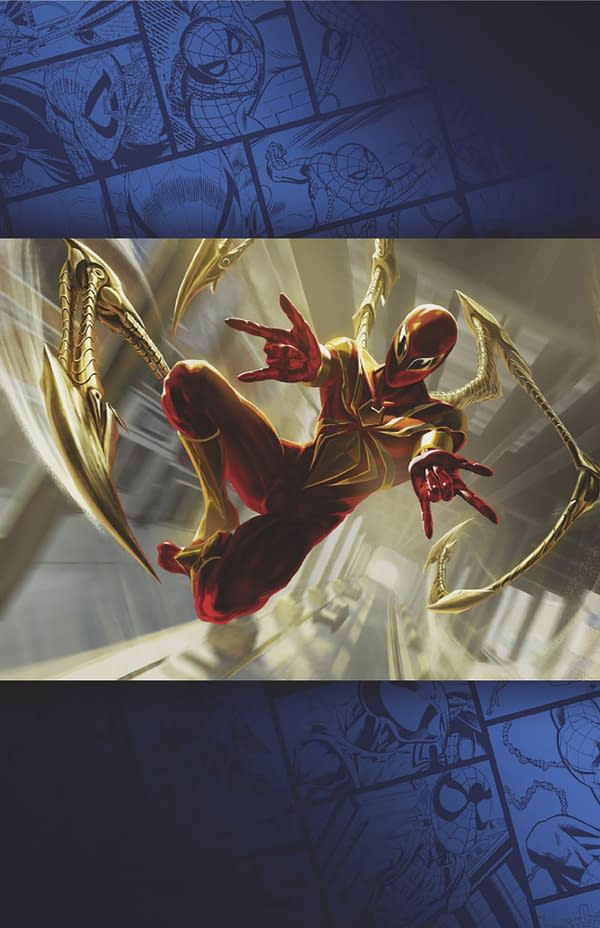
For collectors and enthusiasts, the variety of covers—from the classic aesthetic of the "Civil War Celebration" variant by Mike McKone to the experimental "What If…?" variant by Geoff Shaw—underscores the celebratory nature of this release. It is a comic that invites readers to reflect on the long-standing history of the character while simultaneously propelling him into an uncertain, dangerous future.
On May 13, 2026, the question will no longer be whether Iron Man can defeat his foes, but whether he can survive the consequences of his own brilliance. As the industry continues to evolve, the story of Tony Stark remains the most potent metaphor for our own, increasingly complex relationship with the machines we create.









No comments yet. Be the first to join the conversation!