

For many international travelers navigating the “Golden Route” between Tokyo, Kyoto, and Osaka, the Japanese countryside is often glimpsed only through the blurred windows of a Shinkansen. However, tucked away on the Kii Peninsula, Mie Prefecture offers a sensory, deeply rooted experience that remains largely undiscovered by the mass tourism circuit: the seasonal tradition of kajitsu-gari, or fruit picking.
While regions like Yamanashi and Fukushima dominate the national narrative for grapes and peaches respectively, Mie offers a more intimate, localized alternative. Its orchards, spread across inland hills and the gentle Ise-Shima coastal plain, provide a refreshing, family-oriented escape that transforms agriculture into a casual, rewarding weekend pastime.
The Seasonal Calendar: A Three-Phase Harvest
Mie’s agricultural landscape is dictated by a rhythmic, three-season calendar that offers distinct experiences throughout the year.
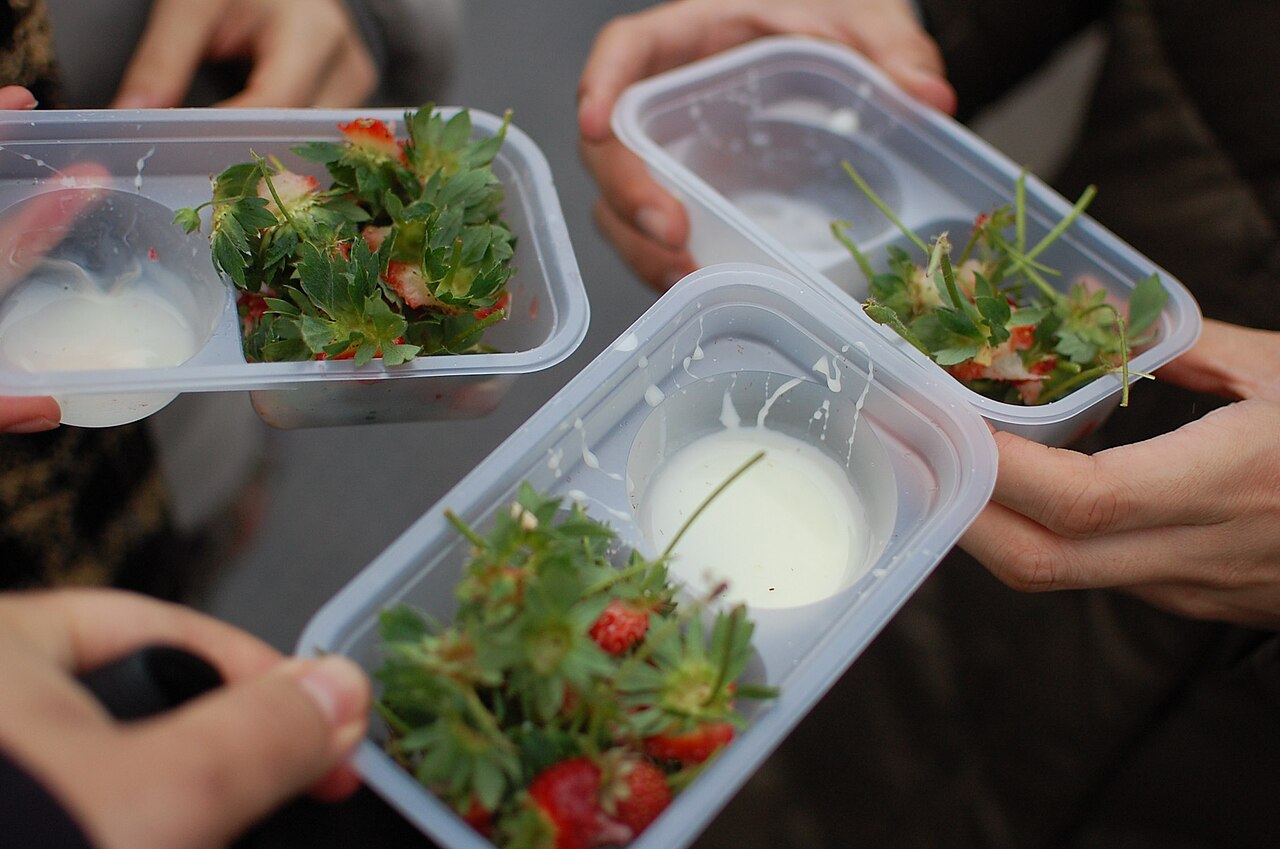
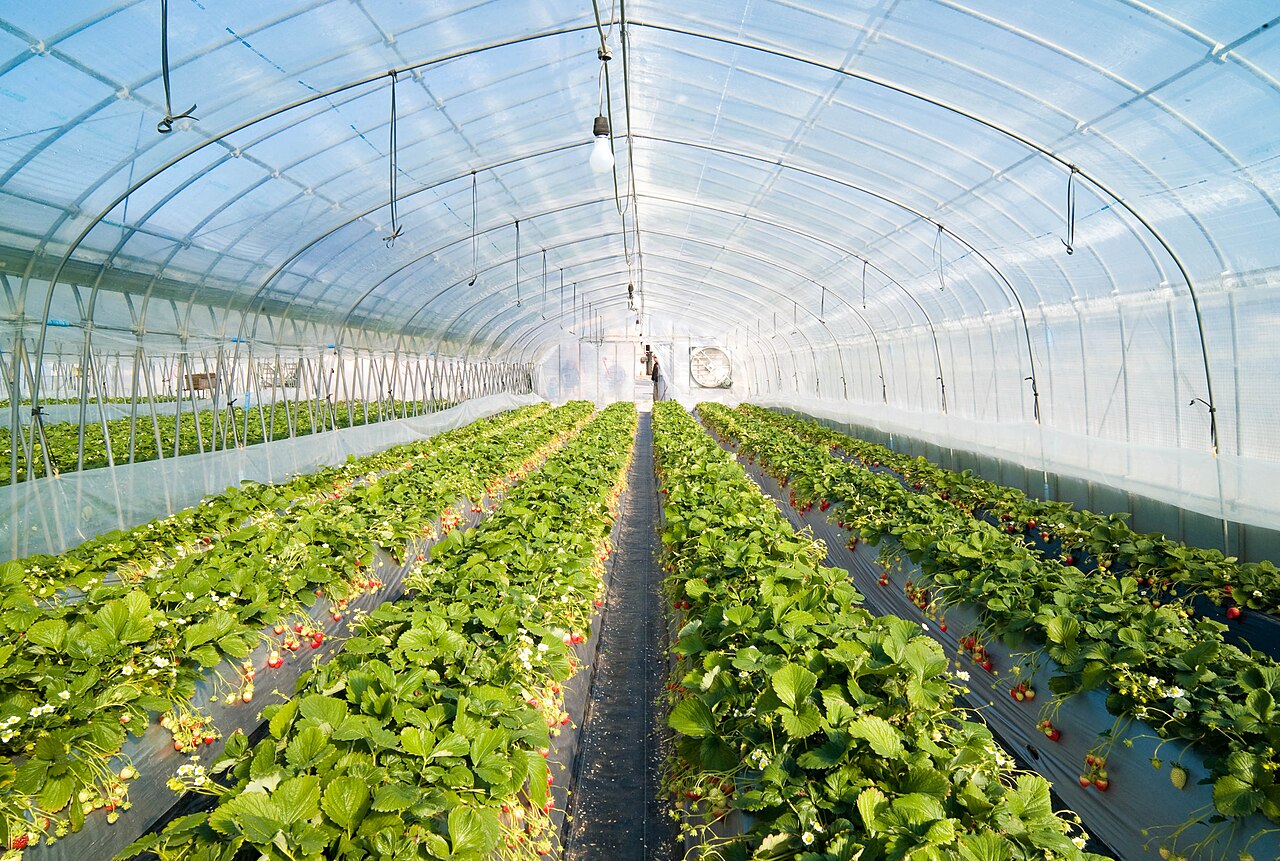
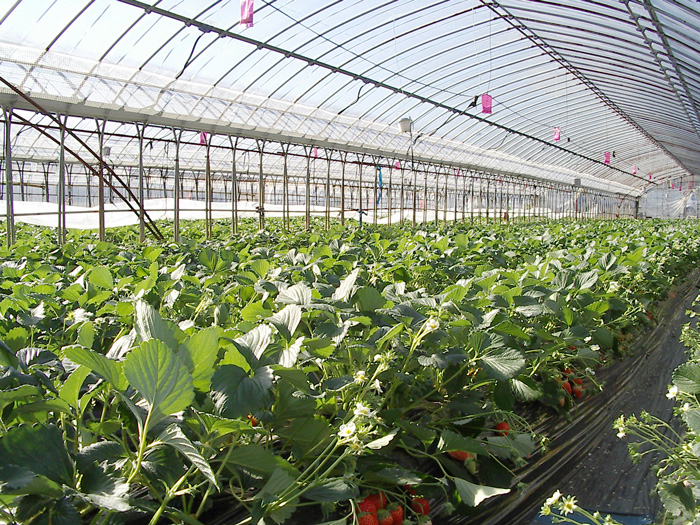
- Strawberries (January–May): The season kicks off in mid-winter. Protected by advanced greenhouse technology, these operations utilize raised-bed hydroponic systems, allowing visitors to pick fruit at waist height, avoiding the need for heavy bending or kneeling in the dirt.
- Peaches and Plums (June–July): As the spring humidity rises, the inland hills of central Mie begin their peach harvest. While smaller in scale compared to northern counterparts, the quality remains exceptional.
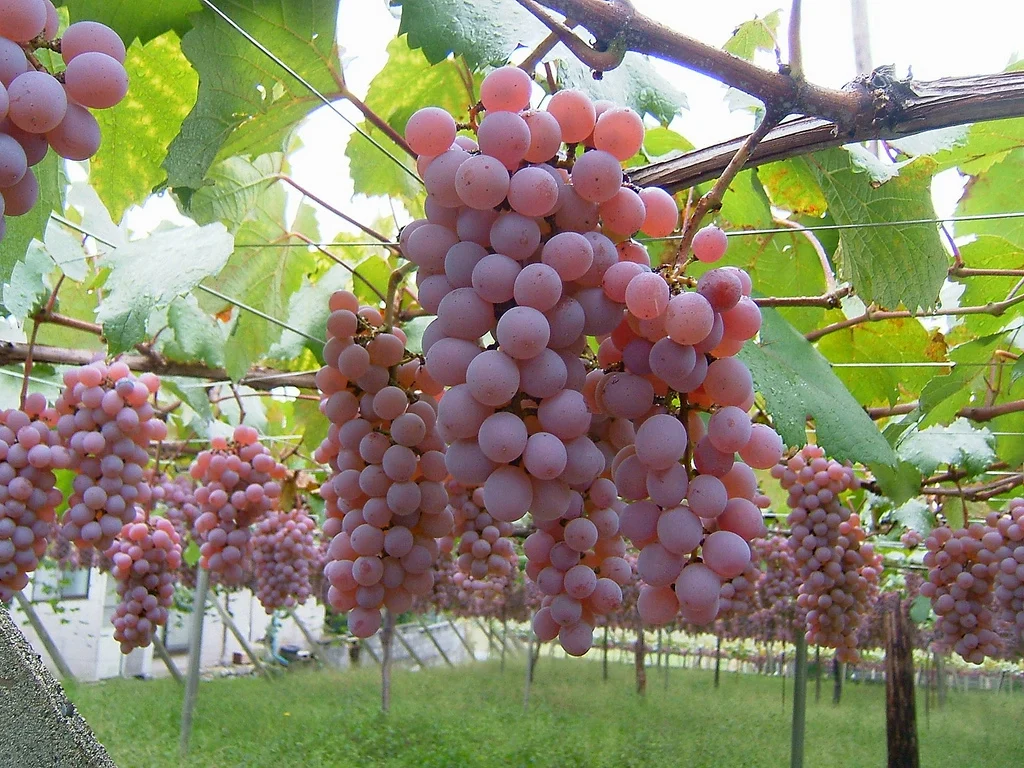
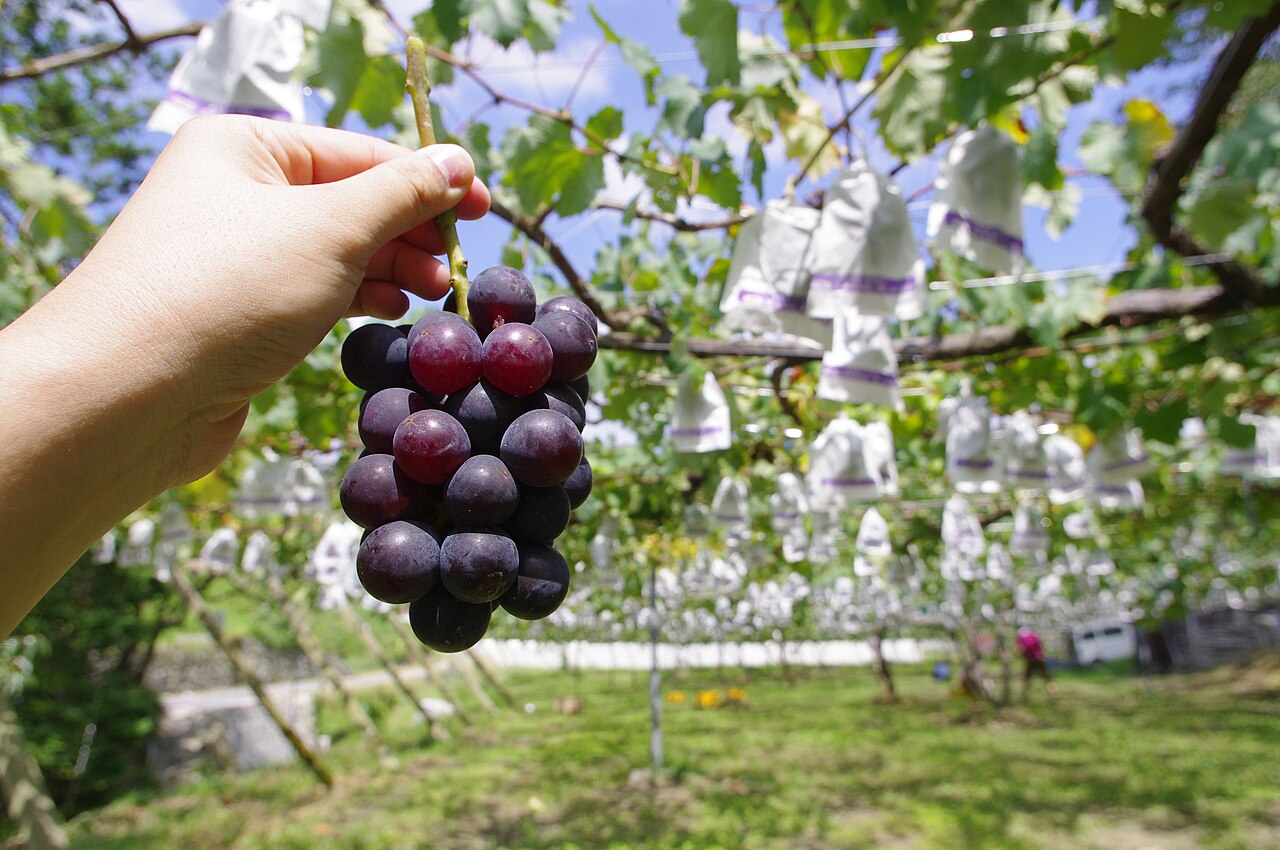
- Grapes (August–October): The late summer and autumn months are defined by the grape harvest, particularly in the Nabari and Iga regions. These farms employ traditional overhead trellis systems, creating a shaded, cathedral-like atmosphere that is as visually stunning as it is productive.
Understanding the "All-You-Can-Eat" Model
To the uninitiated Western traveler, Japanese fruit picking is a point of confusion. Unlike the "pay-by-the-pound" model common in the United States or Europe, Japanese kajitsu-gari is a high-paced, immersive cultural activity.
When you enter a Japanese farm, you are not paying for a basket of fruit to take home; you are paying for a "time slot" of unlimited consumption within the facility’s boundaries. Typically ranging from 30 to 60 minutes, this model turns a simple agricultural task into a friendly, low-stakes eating contest. Most visitors find themselves comfortably consuming 30 to 50 strawberries or one to two large bunches of grapes in a single sitting. It is a testament to the local philosophy that fresh produce is best enjoyed at the point of origin, where the flavor profile is at its peak.
Deep Dive: Strawberry Cultivars and Innovations
The strawberry industry in Mie is a marvel of modern agricultural science. By utilizing raised-bed hydroponics, farms can sustain production from the coldest days of January through the final harvests in May.
Visitors will often encounter a variety of cultivars, each with its own genealogy:
- Amaou: Known for its large size and deep red color, this is a crowd favorite for its balanced sweetness.
- Tochigiotome: A staple of the Japanese market, prized for its classic strawberry aroma and texture.
- White Strawberries (Hakuou): Occasionally found in specialty greenhouses, these are rare, delicate, and offer a unique, milder flavor profile compared to their red counterparts.
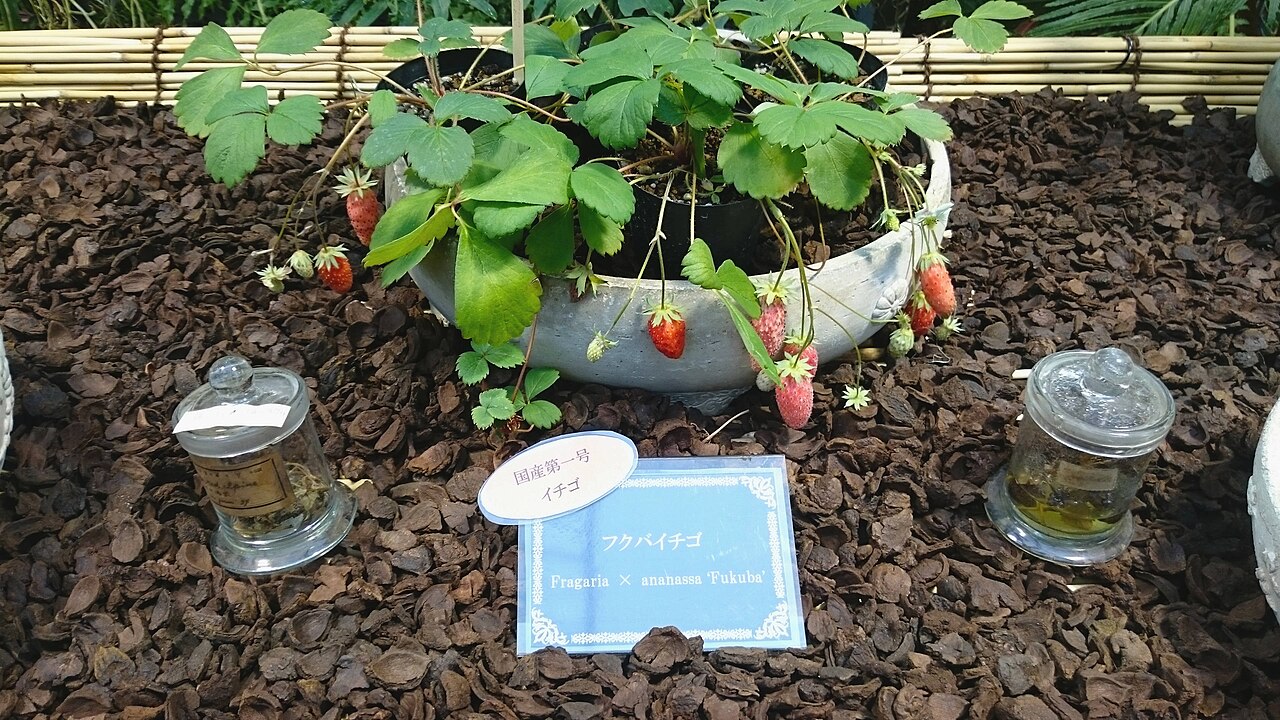
While the Fukuba strawberry—the original Meiji-era cultivar—is no longer found in commercial picking farms, its legacy persists in the sophisticated, high-sugar varieties that define today’s experience.
The Grape Heartland: Nabari and Beyond
If strawberries are the winter stars, grapes are the autumn royalty. The Nabari Shorenji area serves as the epicenter of Mie’s grape industry. Here, the trellis system is key; by training vines overhead, farmers ensure that the fruit is shielded from direct, scorching sunlight, which maintains the grapes’ vibrant color and prevents uneven ripening.
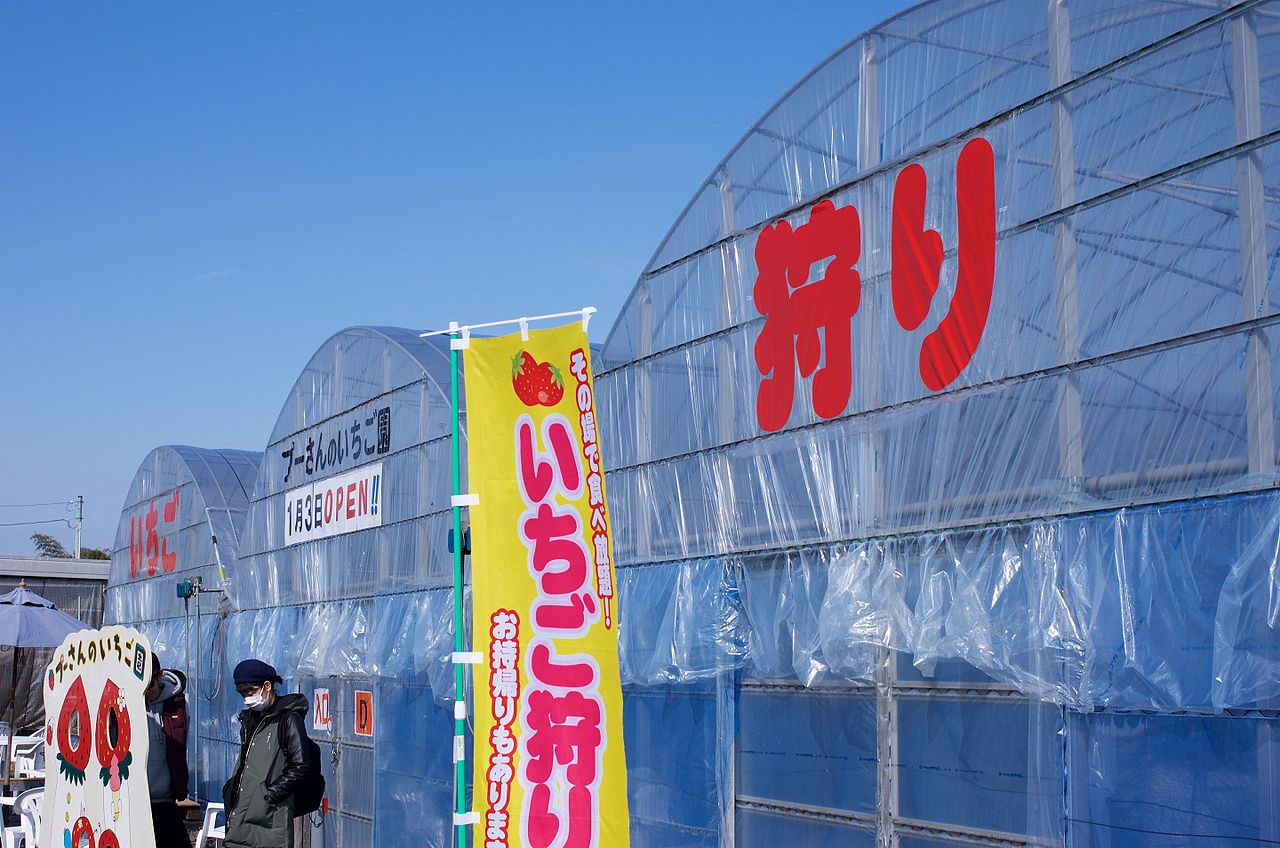
Typical entry fees for a 30-minute session hover between ¥1,500 and ¥2,500. For those wishing to bring a taste of the farm home, most locations offer an additional purchasing option, allowing visitors to pay per bunch for fruit harvested outside the allotted consumption time.
Secondary Crops: The Hidden Gems
Beyond the "Big Three" fruits, Mie’s agricultural diversity extends into several niche categories:
- Pears (Nashi): Harvested between September and November, these are trained on low trellises, making the picking experience accessible for families with young children.
- Citrus (Mikan): Concentrated in the southern coastal regions of Owase and Kumano, the winter mikan harvest offers a stark contrast to the greenhouse operations, taking place in the crisp, salt-tinged air of the Kii Peninsula.
- Blueberries: A growing specialty sector, usually offering one-hour sessions in the heat of July and August.
Logistics: Bridging the Gap Between City and Farm
The primary challenge for the international traveler in Mie is transportation. Because these farms are located in rural, productive agricultural zones, public transit is, by and large, non-existent.
The Rental Car Strategy: This is the most efficient way to navigate the region. Picking up a vehicle at Nagoya, Tsu, or Nabari station provides the flexibility to reach farms within 20 to 40 minutes. With rental costs ranging from ¥4,000 to ¥6,000 for a half-day, it is an economical choice for groups or families.
The Guided Tour Approach: For those uncomfortable driving in Japan, professional tour operators in Osaka and Nagoya offer seasonal packages. These typically cost between ¥8,000 and ¥12,000, covering transportation, entry fees, and often a secondary excursion to a cultural site or shopping outlet.
Strategic Itineraries: Maximizing the Experience
Fruit picking should be viewed as a 90-minute "anchor activity" rather than a full-day commitment. Its real value lies in how it integrates with the rest of a Mie itinerary:
- The Cultural Contrast: Combine a morning of strawberry picking with an afternoon at the Ise Grand Shrine. The proximity of Ise City farms to the shrine makes this an easy, seamless transition from the secular to the sacred.
- Family Thrills: For those visiting Nagashima Spa Land, a morning in the Nabari orchards serves as the perfect, low-stress preamble to a high-energy afternoon at the amusement park.
- The Gastronomic Route: Pairing a morning harvest with a lunch featuring Matsusaka beef is perhaps the quintessential "Mie Experience," contrasting the freshness of fruit with the world-renowned depth of local Wagyu.
Implications for Future Tourism
Is fruit picking worth a detour from Tokyo? For the casual tourist, likely not. The logistical investment is significant. However, for the traveler who is already committed to exploring the Kansai and Chubu regions, adding a stop in Mie is a game-changer.
It moves the traveler away from the "site-seeing" model—where one simply observes—into a "participatory" model. By engaging with the land and its producers, the visitor gains a nuanced understanding of Japanese agricultural dedication. Furthermore, the pricing is significantly lower—often 40% to 50% cheaper—than the marquee tourist traps found closer to Tokyo, offering a higher value proposition.
Frequently Asked Questions (FAQ)
Do I need to speak Japanese?
While English-speaking staff are rare at smaller, family-run farms, the nature of the activity is highly visual. A simple "sumimasen" (excuse me) and a friendly smile are universal. Google Translate’s camera feature is sufficient for reading price sheets and signage.
Are these farms organic?
While not all farms are certified organic, Japanese agricultural standards are among the highest in the world. The "all-you-can-eat" model necessitates a high level of cleanliness and safety, as the produce is often eaten immediately without the need for washing.
Is it really worth it for a one-hour window?
The appeal is not in the duration, but in the quality. Eating a strawberry that was harvested ten seconds ago, still warm from the greenhouse sun, is a vastly different experience than eating one purchased from a supermarket shelf. For families and agricultural enthusiasts, that hour of freshness is a core memory of the trip.
What is the best way to plan?
Check the official Mie Prefecture tourism website or individual farm pages (often found via social media links) 48 hours in advance. If you are traveling on a weekend during peak season, a quick reservation email or phone call (or asking your hotel concierge to assist) will ensure your spot is secured, providing peace of mind in an otherwise spontaneous travel plan.












No comments yet. Be the first to join the conversation!